
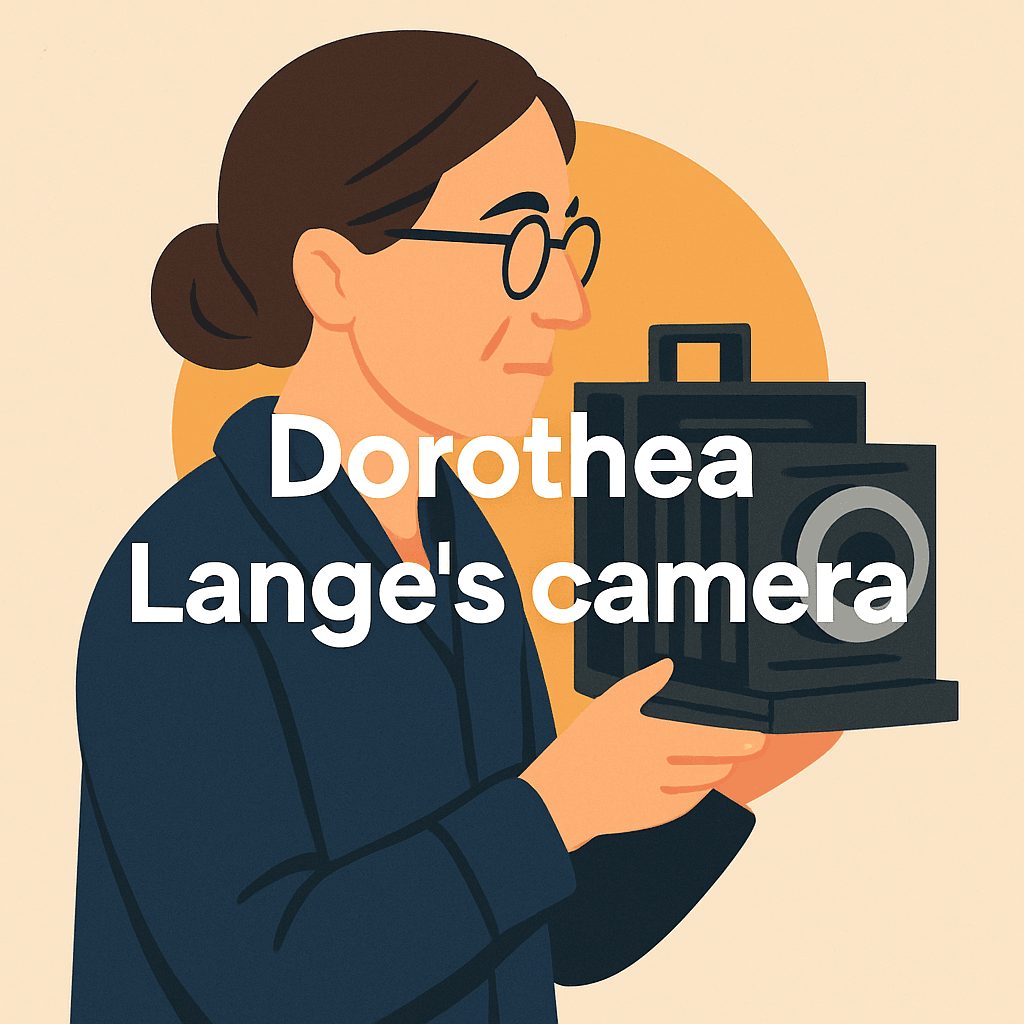
You’re trying to figure out why Dorothea Lange’s pictures feel so immediate and rich. If you’ve ever googled what camera did dorothea lange use, you’re not alone.
You’ll learn how her tools produced sharper detail, fewer distractions, and faster workflow for studio and travel shoots. We’ll also bust a surprising myth about the camera behind her best-known photo. You’ll see why a deliberate, one-shot approach suited Depression documentation and why mobility mattered later.
This introduction is for documentary photographers, students, and curious enthusiasts who work on portraits, reportage, or travel. It suits beginners wanting context and experienced shooters planning gear choices. Field reporters, portrait lovers, historical researchers and gear nerds will pick up clear, practical takeaways.
You won’t need technical manuals to grasp how her camera choice shaped framing, tone, and subject interaction. You’ll walk away ready to choose gear that supports mood and storytelling on your own shoots. So keep reading because the fix is simpler than you think.
Cameras Dorothea Lange Primarily Used
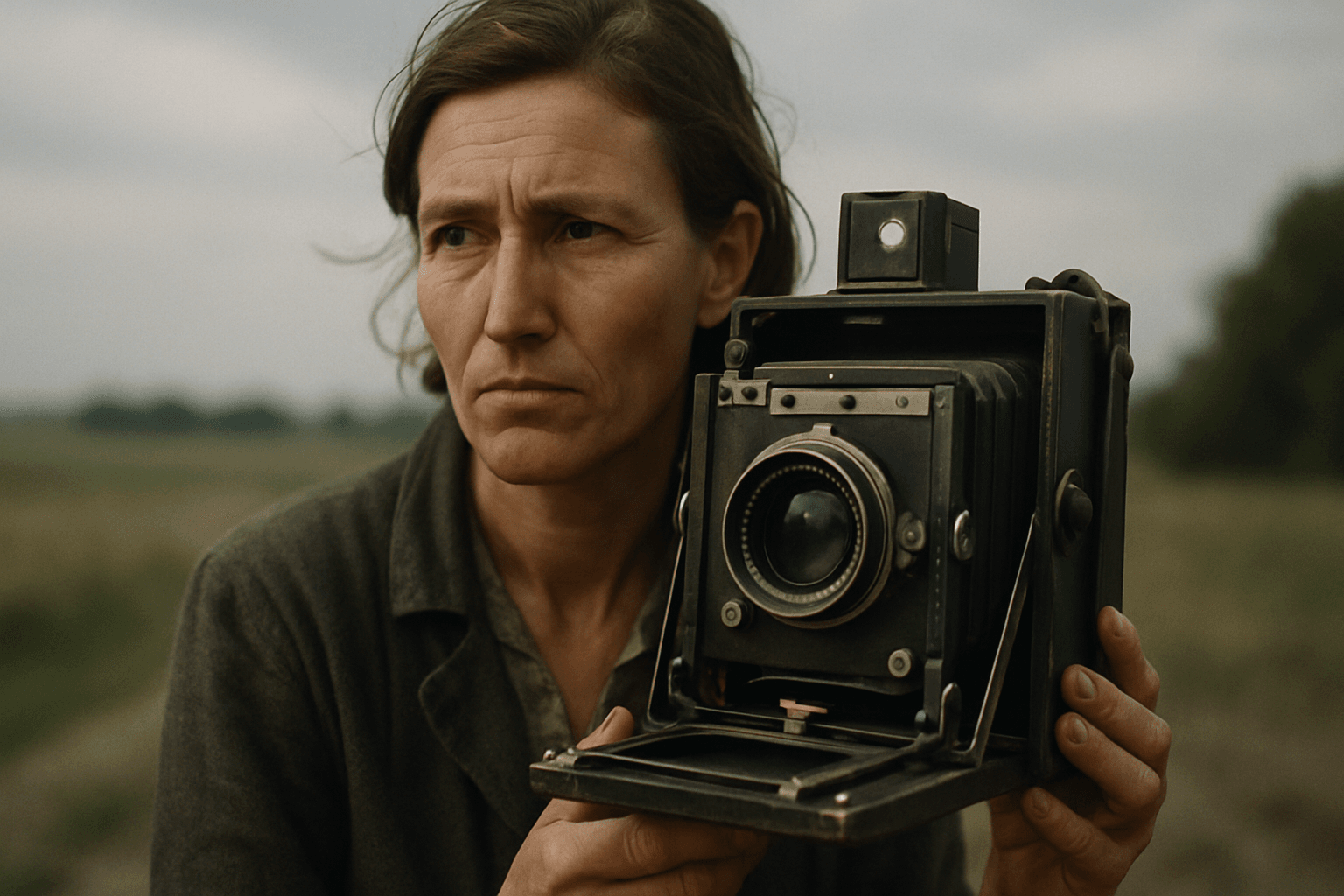
If you’re wondering what camera did Dorothea Lange use, the story begins with the 4×5 Graflex Series D. That big, boxy single-lens reflex was her Depression-era workhorse.
As the 1930s closed, she continued with Graflex bodies but later adopted the Graflex Super D. It refined the reflex idea and fit her evolving assignments after the New Deal years.
Postwar, travel shifted her needs. By the 1950s—especially during her 1958 Asia trip—she moved to 35mm for mobility, likely Leica rangefinders that excelled at quiet, quick reportage.
So, what camera did Dorothea Lange use across decades? A progression: 4×5 Graflex Series D for the 1930s, Super D afterward, and nimble 35mm gear when the road demanded speed.
Graflex Series D: Features and Lange’s Use
The Graflex Series D is a 4×5 single-lens reflex, meaning you view through the taking lens via a mirror onto ground glass. What you see is what the film records.
Each sheet of 4×5 film sits in its own holder. You slide one in, expose once, then swap to the next—slow, steady, and precise by design.
That precision matched Lange’s intent. Her iconic 1936 images, including “Migrant Mother,” were made with this camera, where deliberation became part of the portrait conversation.
When beginners ask what camera did Dorothea Lange use for that look, I point to the Series D’s viewing and sheet-film cadence. It rewards patience with clarity and tone.
Graflex SLR Mechanism and Shooting Workflow
On the ground glass, the scene appears laterally reversed, which can feel “upside-down” to newcomers. Moving the camera left shifts the subject right, nudging careful, mindful composition.
Loading one sheet at a time slows you down. Lange embraced that rhythm: set tripod, focus on the screen, close the shutter, insert holder, pull dark slide, breathe, release.
Graflex Super D: Timing and Relevance to Lange’s Career
The Graflex Super D arrived around 1941, after the hardest Depression years. It wasn’t in her bag for “Migrant Mother” or early Farm Security Administration work.
She adopted the Super D later, when assignments broadened. The camera retained that reflex ground-glass experience but offered refinements that suited her mature workflow.
Think of the Super D as a continuity tool—same aesthetic discipline, slightly smoother ergonomics. It let Lange maintain her visual language while tackling new subjects.
Sheet Film and 4×5 Negatives: Why Lange Chose Large Format
Large-format 4×5 delivers exquisite detail and tonal gradation. Faces breathe, fabrics separate, and shadows hold information that smaller formats often lose.
Those big negatives also print beautifully. Contact prints reveal textures without enlargement artifacts, perfect for the sober clarity Lange sought in documenting hardship.
Archival strength mattered too. Stable 4×5 negatives store well and reproduce consistently, aiding historians and curators who steward her legacy and contextualize the era.
If you want a deeper institutional perspective on preservation, browse the archival notes. They underscore how format choices echo across decades.
Transition to 35mm: When, Why, and Likely Equipment
Travel pushed Lange toward 35mm in the postwar years. Lighter cameras, more frames per load, and quicker reactions kept pace with unfolding moments.
She likely used Leica rangefinders—compact cameras that focus by aligning a superimposed image, allowing accurate focus without a bulky mirror box.
By her 1958 Asia trip, that portability was essential. The faster workflow let her respond to street scenes and layered cultural detail with fluid candor.
This evolution fit broader shifts in the medium and the documentary tradition, where mobility and immediacy became central to storytelling.
How Camera Choice Shaped Lange’s Photographic Style
Large-format gear encouraged a measured presence. Setting up, focusing, and waiting naturally fostered empathy and conversation before the shutter ever clicked.
With 35mm, her pace quickened. She could move through crowds, anticipate gestures, and bank more frames while maintaining her human-centered approach.
Across both, the throughline is respect. The tool shaped pacing and distance, but her intent—dignity, clarity, and witness—remained the steady signature.
Case Study: The “Migrant Mother” Session
In 1936, Lange photographed Florence Owens Thompson with a Graflex 4×5 Series D. She worked entirely with natural light, shaping the mood with positioning and patience.
Only seven exposures were made. Each sheet represented a decision, so body language, children’s placement, and gaze were adjusted deliberately between frames.
The camera’s constraints guided the composition. Ground-glass viewing emphasized triangles and diagonals, and the limited shots focused everyone’s attention.
If you’ve ever asked what camera did Dorothea Lange use for that masterpiece, the answer is a disciplined 4×5 Graflex—its workflow etched into every line and shadow.
Large-Format vs 35mm: Practical Trade-offs in Documentary Work
Large-format wins on detail, smooth tonality, and stately prints. It slows you down, which can deepen rapport and clarity, but limits shot counts and spontaneity.
Thirty-five millimeter champions speed and endurance. It thrives in travel, crowds, and unpredictable light, yet sacrifices some tonal subtlety and enlargement grace.
Lange leveraged both wisely: 4×5 for Depression portraits and record clarity; 35mm for later journeys where access, motion, and rhythm drove the story.
Technical Gaps and Research Opportunities
Public sources rarely list exact lenses or shutters Lange used on each assignment. Focal lengths, maximum apertures, and shutter models are often generalized.
Likewise, body-to-body ergonomic differences—mirror damping, focusing screens, and film backs—deserve closer study through surviving examples and studio tests.
For a starting map of known kit, see this concise camera gear overview. Deeper answers will come from archives and hands-on inspections.
Practical Implications for Preservation and Legacy
Those 4×5 negatives age gracefully when stored well, enabling faithful reprints and digital scans that keep the conversation alive for new generations.
Consistency across large-format frames also aids comparison. Historians can examine sequences for micro-movements and print them large without tonal collapse.
In short, format fed longevity. The same qualities that served her documentary mission—clarity, depth, and stability—also cemented the historical reach of her work.
What People Ask Most
What model of camera did Dorothea Lange use for Migrant Mother?
I can confirm she used a Graflex Series D 4×5 large-format SLR; the iconic “Migrant Mother” image was made with that camera in 1936 and only seven exposures were taken.
Did Dorothea Lange use a large-format or 35mm camera?
She primarily used large-format 4×5 sheet-film cameras for her Depression-era documentary work, and later shifted to 35mm (likely Leica rangefinders) for travel and postwar projects.
What type of film did Dorothea Lange shoot with?
For her 1930s work she shot sheet film—single 4×5 negatives loaded one at a time for maximum detail—and later she used 35mm roll film for more portable, spontaneous shooting.
How did Dorothea Lange’s choice of camera affect her photography style?
Using large-format forced a slow, deliberate setup that encouraged carefully composed, empathetic portraits with exceptional detail, while 35mm gave her mobility and allowed more candid, faster shooting.
When did Dorothea Lange start using 35mm cameras?
She began moving toward 35mm in the postwar years and was using it by the 1950s, notably on her 1958 trip to Asia when portability became important.
What are the technical features of the Graflex Series D camera?
The Graflex Series D is a 4×5 single-lens reflex (SLR) large-format camera with a mirror and ground-glass for focusing; it uses one-sheet-at-a-time film, producing a slow, deliberate workflow and very high-resolution negatives.
Why was the Graflex Super D not used by Dorothea Lange during the Depression?
The Super D wasn’t released until around 1941, so it wasn’t available during the Depression years and Lange adopted it only in her later, post-Depression work.
Final Thoughts on Dorothea Lange’s Gear and Its Meaning
If you came in asking what camera did dorothea lange use, this article shows how her large-format tool helped produce restrained, detail-rich images that became central to Depression-era documentary work. That connection between format and outcome is the real payoff: understanding how a camera’s limits and strengths nudged her toward deliberate composition and archival-quality prints. It ties back to the opening curiosity and closes the gap between gear myth and practical visual effect.
Seeing gear as a shaping force is the fresh insight here, and it’s valuable because it lets you judge photographic choices by intent rather than fashion. Keep in mind, though, that some technical specifics remain cloudy in public records, so you shouldn’t treat every nuance as settled fact. Documentary photographers and students of photographic history will gain the most by applying this framework to their own work.
By resolving that initial question and framing the trade-offs, the piece converts historical detail into a lens for creative decisions you can test. It won’t replicate her eye for you, but it will help you pick tools that support the stories you want to tell. Now take that perspective into your next shoot and see how the method guides your choices.


0 Comments