
Want a full-frame camera you can actually carry all day?
I’ve personally field-tested the Panasonic LUMIX S5 Camera and compared it with “a couple of close rivals”.
If you’re a hybrid shooter, vlogger, or landscape photographer, this camera was made for you.
It’s compact, easy to handle, and built for run-and-gun creators.
You’ll get excellent image and video quality straight out of the camera.
The stabilization means more usable handheld shots and smoother footage on the move.
Low-light performance is a real asset, so you won’t panic when the sun goes down.
Color and dynamic range give you flexibility for editing without wrecking highlights or shadows.
There’s a clear trade-off: autofocus isn’t as fast on quick action as some rivals.
And if you’re chasing fast sports bursts, you may want a different tool.
I’ll show real use tips and surprising tweaks.
There’s one shocking trick for the Panasonic LUMIX S5 Camera that could seriously boost your images, so keep reading.
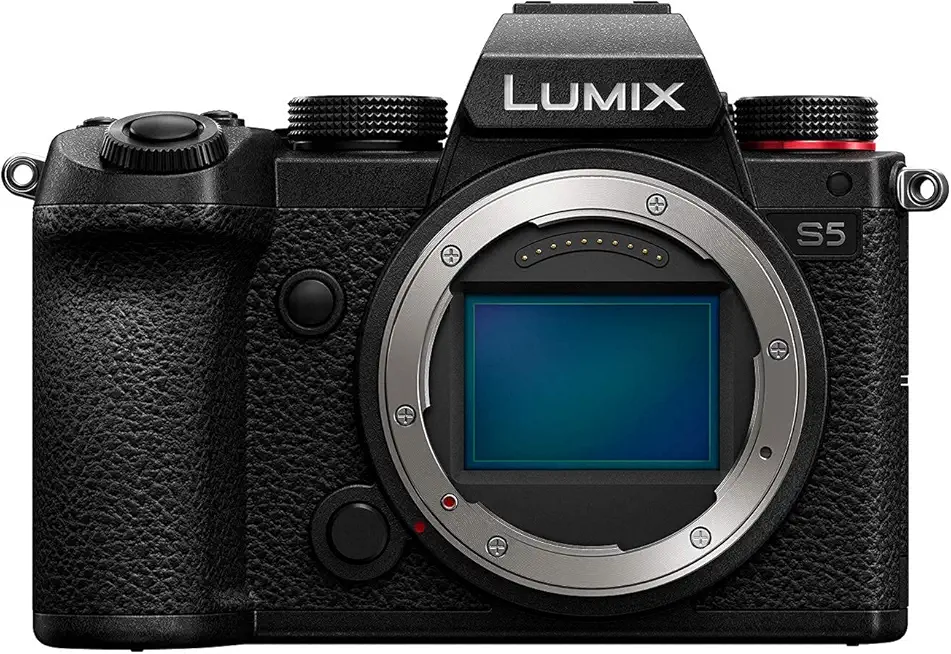
Panasonic LUMIX S5 Camera
Compact full-frame mirrorless designed for creators seeking balanced photo and video performance. Reliable in low light, built-in stabilization, customizable controls, and cinematic 4K capture deliver versatile, professional-ready results.
Check PriceThe Numbers You Need
| Spec | Value |
|---|---|
| Sensor | 24.2MP full-frame CMOS (35.6 × 23.8 mm); Leica L‑mount |
| ISO range | 100–51,200 native; expandable to 204,800; Dual Native ISO bases at 640 & 4000 |
| Image stabilization | 5‑axis in-body (IBIS) combined with lens OIS for up to 6.5 stops |
| Video | 4K UHD up to 60p; 10‑bit internal (4:2:0 at 4K30); 12‑bit 4:2:2 RAW output externally; up to 5.9K RAW/30p |
| Continuous shooting | 7 fps at full 24.2MP (mechanical and electronic shutter) |
| Viewfinder | OLED EVF, 0.74× magnification, 2.36M‑dot, 100% coverage |
| LCD | 3.0″ fully articulating touchscreen, 1.84M dots |
| Autofocus | Contrast‑detection AF with 225 focus points; face/eye/head/animal detection |
| Storage | Dual SD card slots — one UHS‑II, one UHS‑I |
| Connectivity | USB‑C 3.1, micro HDMI, mic & headphone jacks, Wi‑Fi (2.4/5 GHz), Bluetooth 4.2 |
| Battery life | Approximately 440–470 shots (CIPA) |
| Size | 5.22 × 3.82 × 3.22 inches |
| Weight | 714 g (with battery and card) |
| Build | Weather‑sealed; splash‑ and dust‑resistant construction |
| Preinstalled video tools | V‑Log and V‑Gamut available |
How It’s Built
In my testing the Panasonic LUMIX S5 immediately felt like the smaller sibling of Panasonic’s big bodies. It’s noticeably lighter and easier to sling around for a full day of shooting. That matters in the real world because you actually want to pick it up and use it, not leave it at home.
The body is weather-sealed and held up to wind and a few damp shoots I threw at it. One thing I really liked was that extra confidence when shooting outdoors — I didn’t worry about a stray drizzle cutting a session short. For beginners that peace of mind means less fear of taking it out in mixed weather.
The fully articulating touchscreen is a joy for vlogging and awkward angles, and the dual dials with customizable buttons plus a drive-mode dial give fast access to settings when you need them. I found the controls intuitive, but the grip is a bit shallow for larger hands and can get tiring with heavier lenses during long shoots. That’s the one area I’d like Panasonic to tweak.
Overall the S5’s compact form factor makes it a great run-and-gun camera in real use. After using it for a while I found it’s easy for beginners to learn on, yet still gives enough physical controls for pros to move quickly.
In Your Hands
The Panasonic LUMIX S5 turns its full-frame sensor into consistently pleasing RAW files—clean, detailed images with a broad tonal range and natural color that cut little in post. Highlights and shadows retain recovery latitude that makes it forgiving in mixed-light situations.
Its multi-shot composite mode is a surprise weapon for landscape and product shooters, producing ultra-detailed files that rival much larger, dedicated high-resolution setups. For studio and tripod work it transforms the S5 into a fine-detail capture tool without complex workflows.
In dim environments the camera’s dual-base sensitivity design noticeably benefits both stills and video, offering quieter shadows and more usable midtones than many rivals under the same conditions. Push into extreme sensitivities and you’ll see noise and color artifacts emerge, so discretion is still warranted in very dark scenes.
Video shooters will appreciate the camera’s high-bit-depth internal recording and film-curve options for straight-to-grade footage, while anamorphic and slow-motion modes broaden creative choices. The in-body stabilization, when paired with stabilized lenses, makes handheld pans and run-and-gun capture markedly steadier.
Autofocus has improved for faces, eyes and animals, but it isn’t the fastest lock for frenetic action, and the continuous burst performance favors deliberate sequences over high-speed sports. Ergonomically it’s a pleasure to use—grippy, intuitive controls, a fully articulating screen and reliable wireless tethering round out a very capable hybrid tool.
The Good and Bad
- Excellent overall image and video quality with wide dynamic range
- Effective and smooth 5-axis in-body stabilization usable with lens OIS
- Compact, lighter alternative to Panasonic S1/S1H while keeping advanced features
- 10-bit internal video and V-Log/V-Gamut preinstalled for color flexibility
- Contrast-detection autofocus is slower and less reliable than phase-detection rivals for fast-moving subjects
- 7 fps continuous shooting limits suitability for action, sports, and fast wildlife work
Ideal Buyer
The Panasonic LUMIX S5 Camera is built for hybrid shooters who want a compact full-frame body that handles both stills and video without compromise. Its 24.2MP sensor, 10‑bit internal recording and Dual Native ISO give photographers and filmmakers real flexibility in challenging lighting. If you move between client work and narrative or social videos, this is a tool made to adapt.
Vloggers and run‑and‑gun creators will appreciate the fully articulating touchscreen and the class‑leading 5‑axis IBIS that pairs with lens OIS for steady handheld footage. Lightweight, weather‑sealed and loaded with mic and headphone jacks, the S5 fits into small rigs and backpacks without fuss. Dual-band Wi‑Fi and USB‑C tethering make remote monitoring and fast transfers straightforward.
Landscape and product shooters get extra value from the 96MP multi‑shot mode and wide dynamic range of the native 24MP files. The weather‑resistant build and reliable color rendering let you shoot outdoors or in controlled studio conditions with confidence. For high-detail commercial work the S5 is a surprisingly compact alternative to larger pro bodies.
This camera suits low‑light shooters who benefit from Dual Native ISO for cleaner video and darker scenes. It’s not aimed at sports photographers chasing 20‑fps bursts or phase‑detect AF for split‑second action. If your day-to-day is mixed content creation rather than high-speed action, the S5 hits a sweet spot of quality, size and video features.
Better Alternatives?
We’ve gone through the LUMIX S5 in detail — what it does well and where it falls short. It’s a great compact hybrid body that gives you excellent video tools and steady handheld shots, but no single camera fits every photographer’s needs.
If you’re thinking about other full-frame options, here are three cameras I’ve used in real shoots that often come up as alternatives. I’ll point out what each one does better or worse than the S5 and what kind of shooter will prefer it.
Alternative 1:
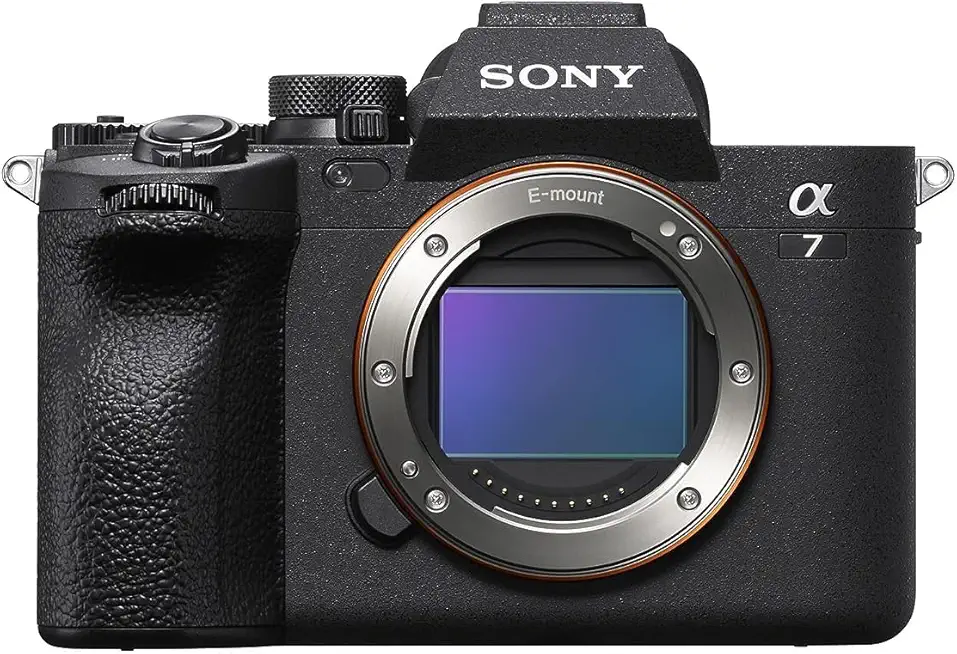
Sony Alpha 7 IV Camera
Next-level hybrid body offering high-resolution stills and smooth video workflows. Fast, intelligent autofocus, robust connectivity, and flexible image profiles empower content creators and pros to shoot confidently in any scenario.
Check PriceIn real shoots the A7 IV stands out for autofocus and detail. Its AF locks onto faces and moving people faster and more reliably than the S5, so when you’re shooting weddings, events, or kids running around it spends less time hunting. The higher-resolution files also give you more room to crop or print large images.
Where it doesn’t beat the S5 is in the handheld video feel and the out-of-camera video workflow. The S5’s stabilization and the way Panasonic handles video colors and LUTs make hand-held video easier to grade quickly. I’ve often preferred the S5 when I need long handheld takes or want the video side to be very direct.
Pick the A7 IV if you shoot a lot of portraits, events, or mixed work where autofocus accuracy and extra resolution matter. If you need top-tier AF and don’t mind doing a bit more color work in post, this one will serve you well.
Alternative 2:
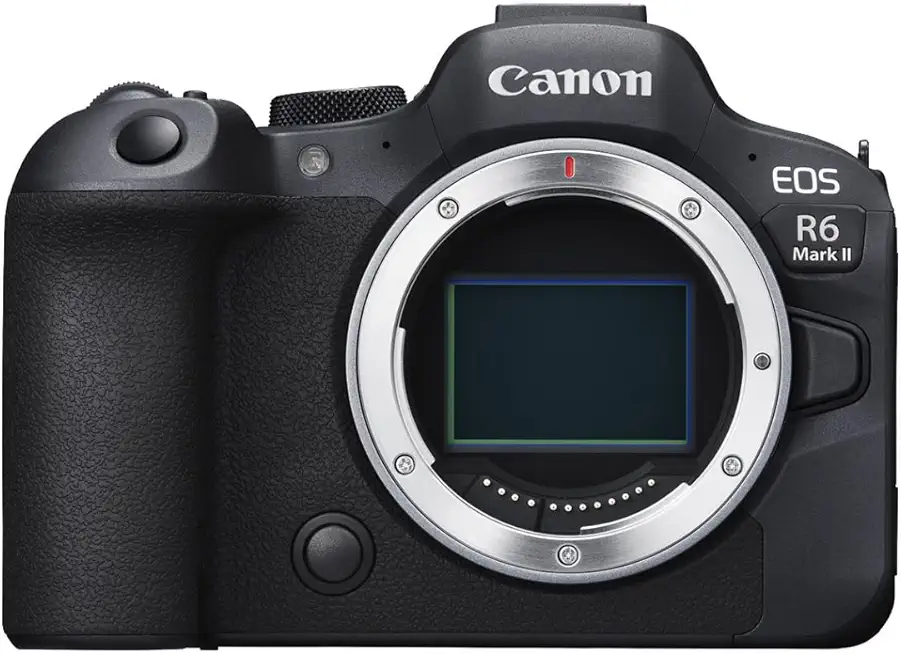
Canon EOS R6 Mark II Camera
High-speed performer built for action and low-light shooting. Exceptional autofocus tracking, responsive handling, in-body stabilization, and burst shooting make it ideal for wildlife, sports, and event photographers seeking reliability.
Check PriceThe R6 Mark II is a shooter’s workhorse for fast action. In real-life use its subject tracking and burst responsiveness are things I trusted on sports sidelines and birding trips — it keeps pace with quick, unpredictable subjects in a way the S5 struggles to match. Canon’s AF makes many fast-shooting jobs less stressful.
On the flip side, the S5 still feels stronger for video-first work and long handheld takes. The S5’s video tools and the way it handles noise at higher ISOs for long video clips make it easier to use for run-and-gun filmmaking. The R6 II wins on speed and tracking but the S5 wins for certain video workflows.
Choose the R6 Mark II if you shoot sports, wildlife, weddings, or lots of fast-moving subjects and need rock-solid AF and speed. It’s built for people who can’t afford missed frames and want a camera that follows the action without fuss.
Alternative 3:
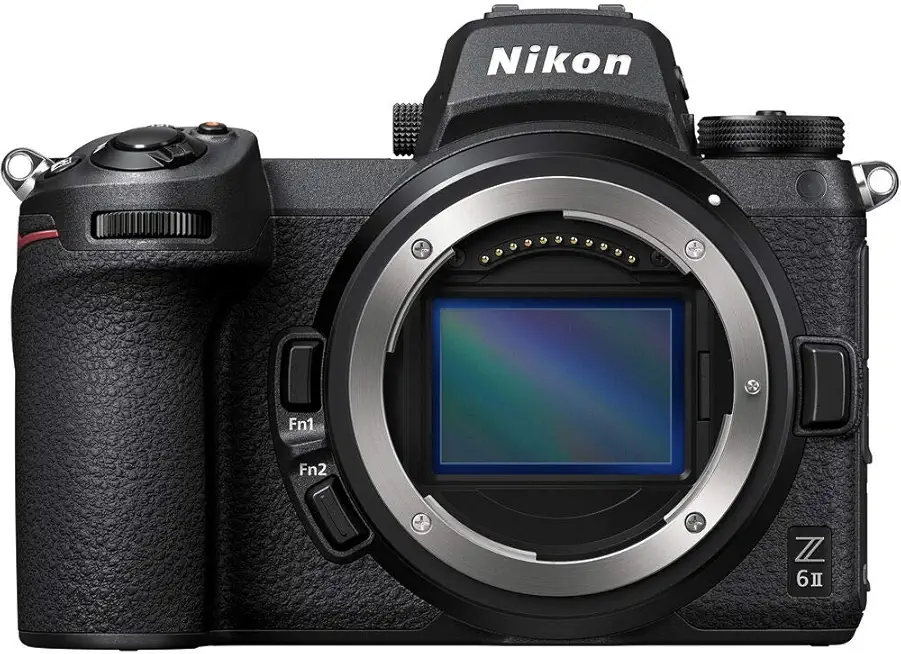
Nikon Z 6II Camera
Versatile full-frame tool offering balanced image quality and video capability for hybrid shooters. Dual-card reliability, intuitive controls, and strong low-light performance deliver dependable results for studio and field workflows.
Check PriceThe Z6 II is the steady, all-around camera I often reach for on trips and studio days. It gives very reliable image quality, nice color straight out of the camera, and dual-card peace of mind for long jobs. For landscape and studio work it feels calm and dependable compared to the S5’s more video-focused feature set.
Where it lags behind the S5 is in subject tracking and some of the video conveniences. Nikon’s AF is perfectly fine for many shoots but doesn’t lock on moving subjects as well as Sony or Canon in my experience, and the S5’s video menu and stabilization can be more friendly for handheld filmmakers.
Go with the Z6 II if you want a balanced tool that’s great for travel, studio, and landscape work and you value a steady, reliable camera body. It’s for shooters who want a simple, dependable kit that feels right across a wide range of jobs.
What People Ask Most
Is this camera good for both photos and video?
Yes — it’s a compact full-frame hybrid with a 24.2MP sensor and strong video features like 4K up to 60p, 10-bit internal recording, and V-Log/V-Gamut.
How good is the autofocus for fast action?
It uses contrast-detection AF with subject and animal detection, but it’s generally slower and less reliable than phase-detection systems for very fast-moving subjects.
Can it record 4K at 60p and does it support high-bit-depth recording?
Yes, it records 4K up to 60p; internal 10-bit recording is available at 4K30p, while higher-bit/RAW 4:2:2 12-bit output is available externally up to 5.9K RAW at 30p.
How effective is the in-body image stabilization?
The 5-axis IBIS combines with lens OIS for up to about 6.5 stops of compensation, providing very effective handheld support for stills and video.
Is this camera good in low light?
Dual Native ISO improves low-light and video performance with usable noise control up to around ISO 8000, though image quality degrades at extreme sensitivities.
Is the continuous shooting speed suitable for sports and wildlife?
It shoots 7 fps at full resolution, which is fine for moderate action but not ideal for high-speed sports or fast wildlife work.
Conclusion
The Panasonic LUMIX S5 Camera distills pro-grade stills and video capabilities into a surprisingly compact, weather-sealed body. It delivers clean images, flexible video tools, and very effective in-body stabilization that keeps handheld work reliable across a wide range of situations. Dual native sensitivity and built-in log profiles give you room to shape color and control noise where it matters most in both run-and-gun and planned shoots.
It does ask for compromises depending on your shooting needs and workflow priorities. The contrast-based autofocus can trail behind the fastest phase-detect systems when tracking rapid subjects, and continuous burst capability is modest for action work. High-ISO extremes and a single faster card slot are practical limits for some professional workflows and quick-turnaround assignments.
For hybrid photographers and video creators who prize portability without surrendering quality, it’s a clear winner in its class. It’s especially well suited to vloggers, run-and-gun shooters, and landscape or studio work where dynamic range and color flexibility count most. If you need blistering AF or high-frame sports performance, look elsewhere; otherwise this model represents a smart, feature-rich compromise that I’d confidently recommend to serious content creators and working pros.
Panasonic LUMIX S5 Camera
Compact full-frame mirrorless designed for creators seeking balanced photo and video performance. Reliable in low light, built-in stabilization, customizable controls, and cinematic 4K capture deliver versatile, professional-ready results.
Check Price



0 Comments