
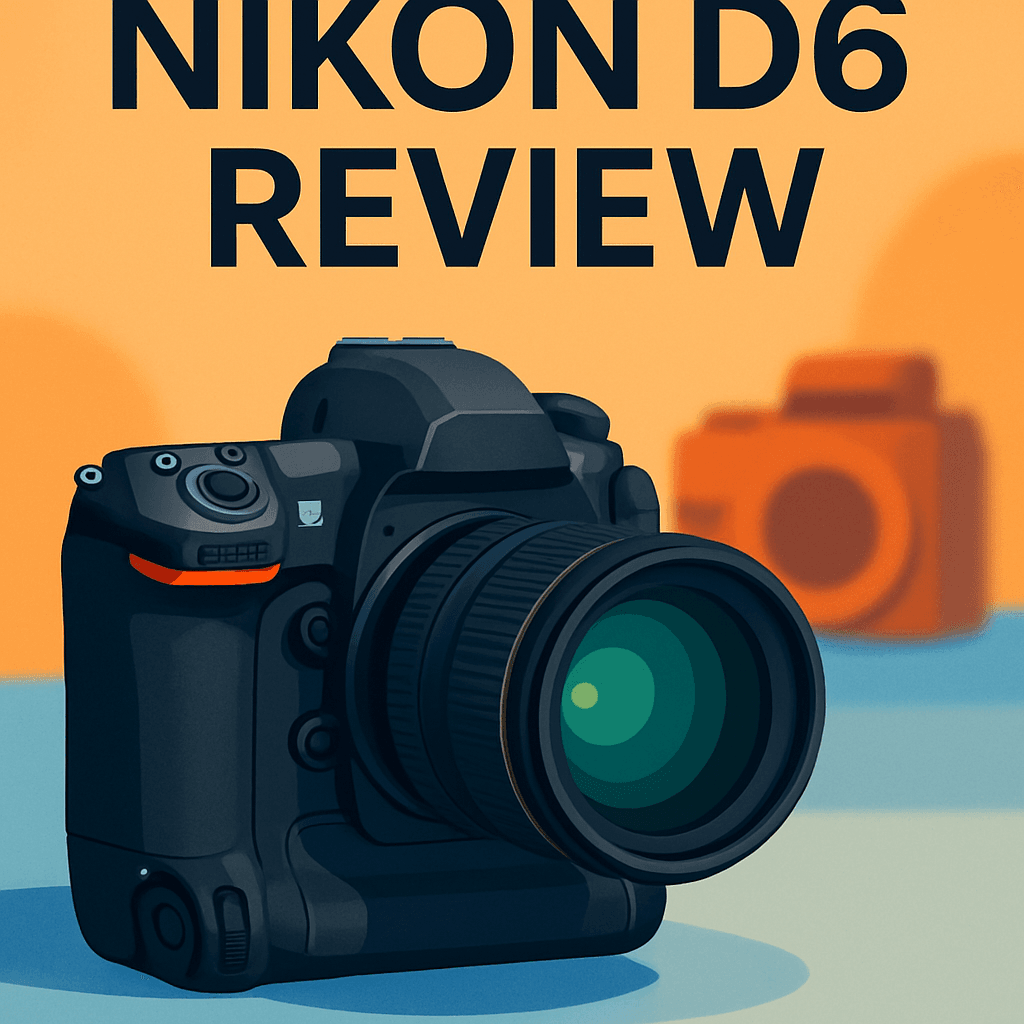
Do you dread losing a critical frame because your camera can’t keep up?
When split-second timing matters, your gear’s the deciding factor.
I’ve personally field-tested the Nikon D6 Camera and compared it with a couple of close rivals in real shoots.
It stands out for blistering autofocus and sustained burst shooting that keep you on subject.
The body’s built to keep working through bad weather and heavy lenses.
Sports, wildlife, and news photographers will feel the payoff in fewer missed shots.
You’ll also get faster handoffs on tight deadlines thanks to pro-grade connectivity and rugged reliability.
That said, there’s a clear trade-off: it’s big and heavy, made for long assignments.
Video isn’t the main focus, and the rear screen stays fixed.
If autofocus and durability matter, this is for you.
Keep reading as I’ll reveal something shocking about the Nikon D6 Camera that might change your photo quality drastically.

Nikon D6 Camera
Rugged professional DSLR built for high-speed action and unforgiving environments. Lightning-fast autofocus, reliable tracking, rock-solid build, and exceptional low-light performance for sports, wildlife, and news photographers who demand absolute dependability.
Check PriceThe Numbers You Need
| Spec | Value |
|---|---|
| Sensor | Full-frame (35.9 x 23.9 mm) CMOS, 20.8 megapixels effective |
| Image processor | Nikon EXPEED 6 |
| ISO range | 100–102,400 native; expandable to 50–3,280,000 |
| Autofocus | 105 all‑cross‑type AF points (Multi‑CAM 37K); 15 points support f/8 |
| Continuous shooting | Up to 14 fps with full AF and AE |
| Viewfinder | Optical pentaprism, approx. 0.72× magnification, 100% coverage |
| Rear screen | Fixed 3.2″ touchscreen LCD, 2.36 million dots |
| Shutter | 1/8000–900 sec (15 min); electronic front‑curtain and fully electronic options; silent in Live View |
| Video | 4K UHD (30 fps); codecs include MPEG‑4 and H.264 |
| Storage | Dual card slots: CFexpress (Type B) and backward‑compatible XQD |
| Connectivity | Wired LAN (1000BASE‑T), Wi‑Fi, Bluetooth, SnapBridge; built‑in GPS/GLONASS/QZSS |
| Body construction | Magnesium alloy body with extensive weather sealing |
| Weight | Approximately 1450 g (with battery) |
| Dimensions | 160 × 163 × 92 mm |
| Security | Kensington‑compatible anti‑theft lock slot |
How It’s Built
In my testing the Nikon D6 Camera feels built like a tank, with a magnesium alloy shell and heavy-duty weather sealing. I shot in rain and dust and never worried about the body failing. For real-world work that means you can keep shooting when the weather turns messy.
The big, deep grip is something I really liked — it makes holding heavy telephoto lenses for long shoots much easier. After using it for a full day at a game, my hand was tired but not cramping, which matters on long assignments. Beginners should know the trade-off: that comfort comes with size and weight, so it’s not ideal for casual travel.
Inside, the mirror and viewfinder feel stable when shooting bursts, so your framing doesn’t jump around as much. The control layout fell right to my thumb and fingers, so switching settings on the fly was simple. I found the button customization especially helpful when tracking fast subjects.
The fixed touchscreen is nice for menu navigation and quick image review, but I wish it tilted for low-angle or overhead shots. Built-in GPS and wired LAN were real time-savers in the field for fast transfers and location tagging. Overall, the D6 Camera is solid and dependable, with just a couple of practical compromises.
In Your Hands
The Nikon D6’s autofocus feels like a teammate who already knows where the play is going. Tracking is fast and unfailing with subjects that dart, weave, or suddenly change direction, so you spend less time hunting focus and more time composing decisive moments.
When the action opens up, the camera’s continuous-shooting behavior keeps frames coming with minimal interruption, and the viewfinder blackout is reduced so you can maintain visual contact with the scene. Combined with a deep buffer and support for very fast cards, it’s built for long bursts and high-volume editorial workflows without constant micromanagement.
In low light the D6 remains impressively clean and usable, letting you push sensitivities that would cripple lesser bodies while retaining usable detail and color. Silent Live View shooting is invaluable for discreet situations, though it brings the expected AF limitations compared with mechanical shutter operation; video, while capable, plays a supporting role to stills.
Field use under harsh conditions proved the body and AF system remarkably reliable across extended assignments, with controls and customizable AF group behavior that adapt to individual shooting styles. The trade-off is a substantial, purpose-driven build—comfort and control for long days, rather than lightweight convenience for casual travel.
The Good and Bad
- Ultra-fast and precise autofocus system
- 14 fps continuous shooting with full AF and AE
- Robust, weather-sealed professional build
- Extensive connectivity options including wired LAN and built-in GPS
- Heavy and bulky body
- Video features are limited compared with some rivals
Ideal Buyer
The Nikon D6 Camera is built for professionals who shoot high‑speed action and demand the fastest autofocus and burst performance. Sports photographers covering arenas, courts and motorsport will value its 14 fps sustained shooting and precise tracking. It’s optimized for assignments where every split second matters.
Wildlife shooters who venture into harsh environments will appreciate the magnesium alloy body and extensive weather sealing. The D6’s tracking reliability and deep grip make prolonged stakeouts with heavy telephotos more manageable. Durability and dependable AF are the priorities here.
Photojournalists and news shooters who need rapid image transfer, built‑in GPS and rock‑solid reliability will find the D6 tailored to their workflow. Wired LAN plus wireless options speed file delivery from the sideline or the field. The optical pentaprism viewfinder also appeals to shooters who prefer a traditional DSLR experience.
This camera is best for photographers who prioritize speed, customization and fail‑safe ergonomics over lightness or cutting‑edge video features. If you need granular AF control for unpredictable subjects and a pro‑grade workflow, the D6 is purpose‑built. It’s not aimed at casual shooters or travel photographers looking for a compact mirrorless system.
Better Alternatives?
We’ve dug into the Nikon D6 and what makes it a go-to body for sports, wildlife, and news work: tough build, optical viewfinder, rock-solid tracking and burst shooting. Still, the pro camera world has a few other heavy hitters that solve the same problems in different ways.
If you want to weigh alternatives — maybe for better video, a different autofocus feel, or a move to mirrorless — here are three real-world options I’ve shot with and relied on in the field. I’ll tell you where each one beats the D6, where it falls short, and what kind of shooter will prefer it.
Alternative 1:

Canon EOS-1D X Mark III Camera
Engineered for pro sports and editorial work, this powerhouse delivers blistering continuous shooting, advanced autofocus accuracy, and robust durability—ensuring decisive-frame capture and dependable performance under intense deadline pressure.
Check PriceI’ve used the Canon 1D X Mark III on several pro sports gigs. Compared to the D6 it feels very familiar in the hand — big, solid, and built to take a beating. In real shoots it often gives you a hair more speed and a smoother burst feel, and Canon’s autofocus tends to lock onto faces and heads in chaotic scenes in a way that felt slightly more confident for me.
Where it falls short versus the D6 is mainly in small workflow and personal preference spots: Nikon’s menus and joystick feel different, and if you rely on Nikon-specific features like built-in GPS and wired LAN the Canon won’t match those exact tools out of the box. Also, the Canon leans a little heavier on battery use when you push video and high-speed shooting back-to-back.
Buyers who will like the 1D X Mark III are pro sports and editorial shooters who want a traditional DSLR feel but also want stronger video options and a slightly different AF character. If you shoot lots of mixed photo and video assignments and want proven durability, it’s a great pick. If you live for Nikon’s workflow or need Nikon glass and systems, you might stick with the D6.
Alternative 2:

Canon EOS R3 Camera
Next-generation mirrorless designed for speed and precision: ultra-fast subject detection, unparalleled tracking, eye-control aiming, in-body stabilization, and pro-level video options—ideal for action shooters who need agility without compromise.
Check PriceThe Canon R3 is a different animal — mirrorless, fast, and very modern. In the field it gives you instant exposure preview, near-silent shooting, and a very confident subject-detection autofocus that made tracking erratic athletes easier in mixed lighting. The in-body stabilization also helps when you need a few extra stops handholding longer glass.
Compared to the D6 the R3 loses the optical viewfinder feel and the long battery life you get with a DSLR body. Its menus and handling take some getting used to if you came from Nikon DSLRs, and you’ll be managing heavier RAW files and a different lens ecosystem. Also, if you depend on built-in wired transfer or certain Nikon workflow tools, the R3 doesn’t replace those directly.
Choose the R3 if you want the latest mirrorless tech, top-tier AF, and smoother video options while still keeping a pro-level body. It’s ideal for action shooters who want mirrorless advantages — like silent modes and IBIS — and for shooters planning to move away from DSLR habits. If you prefer the optical viewfinder and the exact feel of a DSLR, the D6 still wins.
Alternative 3:
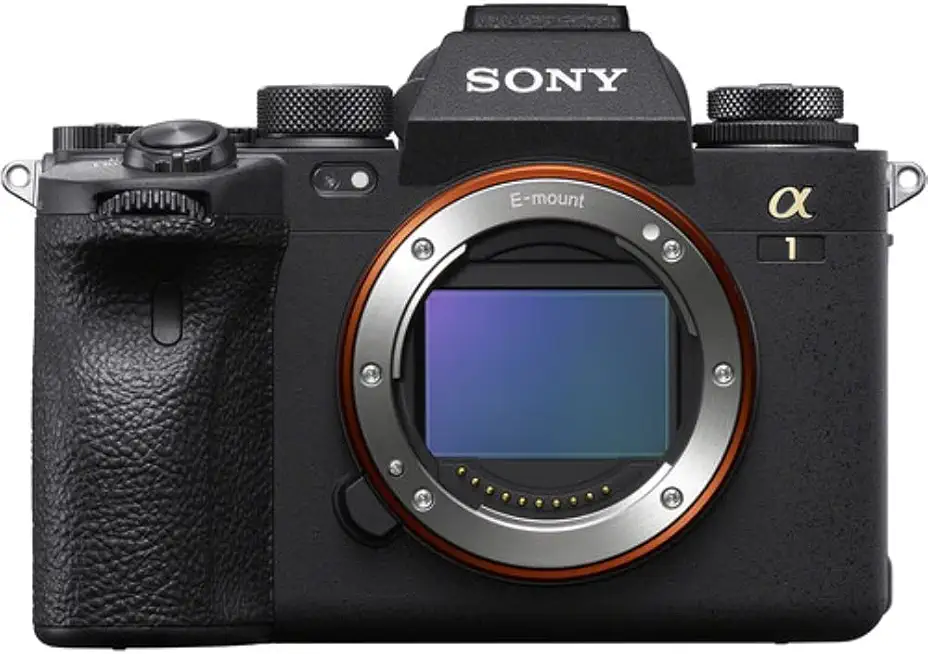
Sony Alpha 1 Camera
High-resolution hybrid powerhouse combining stunning 50MP detail with blistering continuous shooting and 8K video; a versatile, future-proof tool for professionals demanding both image quality and exceptional speed.
Check PriceThe Sony Alpha 1 is the hybrid I pulled out when I needed both huge detail and fast frame rates. In real shoots it lets you crop hard and still deliver crisp images, and its electronic viewfinder shows exactly how exposure and color will render — something the D6’s optical viewfinder can’t do. If you want top-level video alongside stills, the Alpha 1 is a big step up.
What it doesn’t do as well as the D6 is the pure tactile, pro-DSLR ergonomics for long days with massive telephotos. The battery life and the comfort of an optical viewfinder still favor the Nikon on very long shoots with big glass. Also, the Sony’s high-res files demand more storage and a different post workflow — not a problem for some, but something to plan for.
Go for the Alpha 1 if you need maximum resolution and the best hybrid stills/video tool in one body, or if you love the flexibility of aggressive cropping and in-camera previews. If you’re a full-time sports or wildlife pro who spends all day on a monopod with a big 600mm, you may still prefer the D6’s DSLR ergonomics and battery life.
What People Ask Most
What AF system does it use?
105 all-cross-type AF points with the Multi-CAM 37K AF sensor module.
Can it shoot continuously with full AF?
Yes—up to 14 fps with full AF and AE.
Is the camera weather-sealed?
Yes; it has a magnesium alloy body with extensive weather sealing for professional use.
Does it have built-in GPS and wired transfer?
Yes—built-in GPS/GLONASS/QZSS and a wired LAN (1000BASE-T) are included.
Is the rear screen articulated?
No—the 3.2″ touchscreen LCD is fixed.
Conclusion
The Nikon D6 is a professional workhorse built to deliver when everything else is failing. Its autofocus and tracking are class-leading, and the camera’s build and transfer options are designed around real-world deadlines. It feels purpose-built for relentless assignments.
Those strengths come with clear trade-offs. The body is hefty and purpose-driven, and video features and the fixed rear screen trail what some rivals offer. Buyers should accept compromise in portability for pure performance.
For sports shooters, wildlife photographers and hard-driving photojournalists the D6 feels like a purposeful tool rather than a gadget. It earns its keep by turning difficult action into consistent frame after frame. Customization and dependable handling make it a camera you can rely on under pressure.
If your priority is lightweight travel, high-resolution studio work, or cutting-edge video you should look elsewhere. For anyone whose primary metric is getting the decisive frame in unforgiving conditions, the D6 is hard to beat. In short, it’s an unequivocal professional choice for those who demand speed, tracking, and rugged reliability.
Nikon D6 Camera
Rugged professional DSLR built for high-speed action and unforgiving environments. Lightning-fast autofocus, reliable tracking, rock-solid build, and exceptional low-light performance for sports, wildlife, and news photographers who demand absolute dependability.
Check Price



0 Comments