

Tired of missing split-second action when it matters most? If you’re shooting sports, wildlife, or video, it gets frustrating. You want equipment that simply keeps up with you out there.
I’ve personally field-tested the Nikon Z9 Camera and compared it with a couple of close rivals. I ran long bursts, tracked animals, and filmed long high-res video in real conditions.
If you’re a sports or wildlife pro, or a serious videographer, you’ll benefit most. It brings extreme speed, rock-solid autofocus, and a blackout-free viewfinder that keeps you locked on subjects.
There’s a clear trade-off to accept. It’s large and heavy, built for durability and long shooting days. Its fully electronic shutter also sometimes limits flash sync for studio strobes too.
I’ll unpack real-world payoffs, sample images, and workflow tips that matter to shooters. Keep reading as I’ll reveal something shocking about the Nikon Z9 Camera that could change your photos.

Nikon Z9 Camera
Professional, high-speed mirrorless built for demanding shooters: blackout-free electronic viewfinder, ultra-fast autofocus, stunning 8K video, robust weather-sealed body, silent shooting modes and long battery life for all-day assignments.
Check PriceThe Numbers You Need
| Spec | Value |
|---|---|
| Sensor | 45.7MP full-frame stacked CMOS (Nikon FX format) |
| Processor | EXPEED 7 |
| Autofocus | Hybrid phase-detection/contrast AF with 493 focus points |
| AF sensitivity | Detection down to −6.5 EV (down to −8.5 EV in Starlight mode) |
| Continuous shooting | Up to 20 fps full-resolution RAW with full AF/AE |
| Burst modes | 30 fps full-resolution JPEG with AF/AE; 120 fps at 11MP (DX crop) with AF/AE |
| Viewfinder | 3.69M‑dot OLED blackout-free Real‑Live Viewfinder |
| Rear screen | 3.2″ 2.1M‑dot 4‑axis tilting touchscreen (tilt & swivel) |
| Image stabilization | 5‑axis sensor‑shift plus electronic stabilization |
| Shutter | Fully electronic shutter (no mechanical shutter); max 1/32000 s |
| Flash sync | Max flash sync 1/200 s (electronic shutter limitation) |
| Video | Internal 12‑bit 8.3K/60p RAW; 4K up to 120p; 10‑bit internal N‑Log & HLG |
| Storage & connectivity | Dual CFexpress Type B/XQD card slots, USB‑C, full‑size HDMI, Wi‑Fi, Bluetooth |
| Battery & endurance | EN‑EL18d battery; approx. 740 shots per charge |
| Dimensions & weight | 149 × 149.5 × 90.5 mm; 1340 g (body with battery and card) |
How It’s Built
The Nikon Z9 feels like a proper pro camera the moment you pick it up. In my testing the integrated vertical grip and solid heft made long shoots with heavy glass much easier to handle. What I liked most was how balanced it felt on a gimbal or monopod, so you worry less about camera shake and more about the shot.
It’s built to take a beating without drama. After using it in drizzle, dusty trails, and cold mornings I trusted it to keep working, and the rated low‑temperature operation means you can shoot in chillier conditions without constant battery swaps. For beginners that translates to fewer “oh no” moments when the weather turns.
The button layout follows Nikon’s Z-series logic and felt familiar and fast to use. Illuminated buttons and a 4‑axis articulating touchscreen really helped for low‑light and odd-angle work, so you can shoot from the hip or over crowds with confidence. Removing the mechanical shutter cuts down on moving parts and shutter shock, which is nice during long burst runs and video takes.
What could be better is the tradeoff with flash and size. In my testing the lack of a mechanical shutter meant I had to rethink flash setups, and the body’s bulk can tire you out on all‑day walks. Still, if you need speed and reliability, the Z9’s build inspires confidence on tough jobs.
In Your Hands
The Nikon Z9’s processing feels instantly responsive, powering a blackout-free electronic viewfinder and an all-electronic shutter that make tracking fast action intuitive and uninterrupted. Sensor readout is so quick that rolling-shutter artifacts are rarely noticeable in handheld work, giving results that feel closer to a global-shutter performance. In practice this makes fast sequences look clean and reliable.
Autofocus performance is a headline: the camera locks and tracks a wide variety of subjects with uncanny tenacity, from athletes to birds in flight. Subject recognition and 3D-style tracking keep focus nailed through complex motion and background clutter, which translates to far fewer missed frames during long bursts. The sustained buffer and processing mean you can shoot extended sequences without constant pauses.
Video capture is equally dependable—high-resolution RAW and high-frame-rate recording run without the thermal compromises you might expect, so long takes and extended shoots are practical. An oversampling-based hi-res zoom expands reach for video and stills without swapping glass, producing surprisingly sharp results. Improved flicker handling smooths exposure and color under artificial lights for both stills and motion.
Photographers consistently praise the Z9 for its speed, autofocus reliability, and video quality, calling it a true workhorse in demanding environments. The trade-offs are the obvious heft and the nuances of an electronic-only shutter, which influence certain flash workflows. For pros who prioritize sustained performance and tracking, the real-world payoff is substantial.
The Good and Bad
- Ultra-fast 120 fps burst (11MP) with full AF/AE
- Advanced autofocus with comprehensive subject detection and tracking
- Internal 8K 12-bit RAW video at up to 60p and 4K up to 120p
- Rugged, weather-sealed body with integrated vertical grip for pro use
- Large and heavy body can be cumbersome for some users
- Absence of a mechanical shutter restricts flash sync to 1/200 s
Ideal Buyer
If your work lives on the fast edge—pro sports, motorsports, or bird‑in‑flight sequences—the Nikon Z9 is built for you. Its stacked 45.7MP sensor, blackout‑free EVF and class‑leading burst rates make it a reliability tool when every frame counts. It’s engineered for sustained bursts and precise AF in chaotic environments.
For cinematic shooters who need high‑resolution internal capture, the Z9’s 12‑bit 8.3K/60p RAW and 4K/120p options deliver archival quality and flexible slow‑motion workflows. You get professional codecs and sustained recording without frequent thermal cutouts, so long shoots stay uninterrupted. That makes it a real asset for documentaries, commercials, and high‑end sports slo‑mo.
Field shooters who work in storms, dust, or sub‑freezing temps will appreciate the Z9’s rugged build and integrated vertical grip. Nikon’s pro‑grade weather sealing and long battery stamina mean fewer compromises on location and longer days behind the camera. The integrated grip and ergonomic controls help keep you shooting longer and steadier.
Choose the Z9 if you want flagship autofocus, deep subject detection, and blackout‑free viewing that make tracking and composing fast subjects effortless. Expect a pro‑level package that favors speed and reliability over compactness, so it’s best for users who accept size and flash‑sync trade‑offs for cutting‑edge performance. Serious professionals and hybrid shooters who prioritize results over portability will get the most value.
Better Alternatives?
We’ve already gone deep on the Z9 — what it can do, how it handles long bursts, video, and tough field work. If that flagship power feels like overkill or you want something that leans a bit more toward speed, weight savings, or a different shooting style, there are solid choices to consider.
Below are three real-world alternatives I’ve used on jobs. I’ll tell you where each one beats the Z9, where it falls short, and what kind of shooter would pick it over Nikon’s flagship.
Alternative 1:
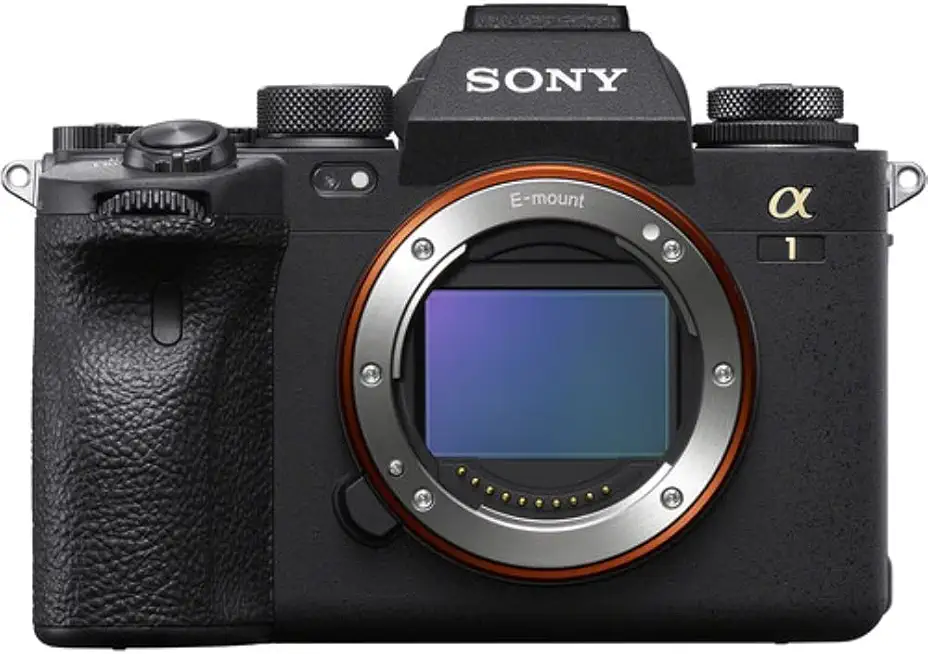
Sony Alpha 1 Camera
High-resolution, high-speed hybrid delivering exceptional detail and rapid burst shooting: 50-megapixel sensor, pro-grade autofocus, 8K video capture and versatile performance for studio, landscape and fast-action photography.
Check PriceHaving shot the Sony Alpha 1 in the studio and on fast-action shoots, its big win over the Z9 is that hybrid balance: you get a touch more resolution and super-fast full-resolution bursts in a body that’s a bit more compact. For mixed stills and video jobs the A1 feels nimble — it’s quicker to hand off between a studio setup and a run-and-gun day because the menus and workflow are tuned for hybrid use.
Where it falls behind the Z9 is in pure endurance for long wildlife or sports assignments. The Z9’s integrated grip, battery life, and sustained high-rate shooting feel built for marathon days with big glass. The A1 can hit incredible speeds, but in my experience you’ll notice more frequent battery swaps and it doesn’t cradle a big tele lens as comfortably for all-day shooting.
If you’re a hybrid pro who needs top image quality but also wants a lighter, studio-friendly body for weddings, commercial work, or mixed video days, the A1 is a great pick. If your job is nonstop, long-lens wildlife or stadium shoots where handling and staying power matter most, the Z9 still has the edge.
Alternative 2:

Canon EOS R3 Camera
Engineered for sports and wildlife, this fast-action pro body combines lightning-fast continuous shooting, intuitive eye-controlled autofocus, outstanding low-light sensitivity and rugged ergonomics for reliable performance in extreme conditions.
Check PriceThe Canon R3 is a weapon for straightforward action shooting. In the field I found its subject tracking and low-light performance feel incredibly reliable, and the lower-resolution files are easier to manage during long sports days. It’s built to let you focus on hitting frames and keeping eyes on the subject, which is why many sports and photojournalists choose it over other pro bodies.
What it gives up compared to the Z9 is detail and video flexibility. You won’t get the same high-resolution stills or the 8K video capability that makes the Z9 so useful for mixed pro video work. Also, if you rely on the feel of a big integrated grip and the longest possible battery life for multi-day wildlife assignments, the R3’s layout and stamina aren’t quite the Z9’s match in my experience.
Pick the R3 if you shoot fast-paced sports or news where tracking, low-light focus, and quick, efficient file handling are your priorities. If your work demands the absolute highest still resolution or long 8K video shoots, lean toward the Z9 instead.
Alternative 3:

Nikon Z8 Camera
Compact professional mirrorless offering flagship-level image quality and video in a smaller package: fast autofocus, high-resolution sensor, 8K-capable capture and durable, weather-sealed design ideal for travel and field work.
Check PriceThe Z8 is the closest thing to Z9 performance in a smaller, lighter package. I took one on a long hike and was amazed at how much of the Z9 experience you keep — similar image quality, snappy autofocus, and 8K video — without the bulk. For travel, landscape, and run-and-gun documentary work it’s far easier to carry all day and still gives you pro-level results.
The trade-offs show up when you need the Z9’s absolute pro-body features: the integrated vertical grip, the longest battery life, and the feel when shouldering giant telephoto lenses. On really long wildlife days or multi-camera stadium setups, you’ll notice the Z8 isn’t as comfortable for extended handheld work with heavy glass.
If you want almost everything the Z9 offers but hate carrying a heavy camera, the Z8 is for you. It’s my go-to when I need flagship image quality in a body that’s friendly for travel, weddings, or long handheld shoots where pack weight and comfort matter more than the last bit of endurance.
What People Ask Most
Does the Nikon Z9 have a mechanical shutter?
No, it uses a fully electronic shutter, which removes mechanical shutter shock but limits flash sync to 1/200 s.
Is the Nikon Z9 good for sports and wildlife photography?
Yes — it’s designed for pro sports and wildlife with a 45.7MP stacked sensor, extreme burst rates, and advanced AF with 3D tracking.
Can the Nikon Z9 shoot 8K video internally?
Yes, it records internal 12-bit 8.3K/60p RAW and also offers 4K capture up to 120p with 10-bit N-Log and HLG.
How fast is the continuous shooting on the Nikon Z9?
It shoots up to 20 fps at full-resolution RAW with full AF/AE, 30 fps for JPEG, and 120 fps at 11MP (DX crop) with full AF/AE.
Does the Nikon Z9 have in-body image stabilization?
Yes — it features 5-axis sensor-shift stabilization combined with electronic stabilization.
Is the Nikon Z9 weather-sealed and durable for professional use?
Yes, it’s built as a rugged pro body with dust and drip resistance similar to the D6 and is rated to operate down to −10°C (14°F).
Conclusion
The Nikon Z9 is a no-compromise flagship that marries a high-resolution stacked sensor with one of the industry’s best autofocus systems and a blackout-free electronic viewfinder. In real-world use it is ruthlessly fast, relentless in subject tracking, and built for sustained professional workflows. For photographers and videographers who demand reliability at the extremes, it simply delivers where lesser bodies wobble.
That performance comes with predictable trade-offs: it’s a large, heavy camera that won’t be everyone’s idea of comfortable for long roams. The decision to go fully electronic removes mechanical shutter shock but introduces practical limitations for flash-dependent shooting. Those compromises are real, and they matter if your work relies on compact gear or studio strobes.
All told, the Z9 represents a decisive statement of intent from Nikon and is worth the investment for pro sports, wildlife, and high-end hybrid video shooters. If ultimate speed, tracking, and a weatherproof pro build are priorities, it’s one of the few cameras that truly earns the flagship badge. If portability or classic flash workflows top your checklist, look to lighter bodies or models with a mechanical shutter instead.
Nikon Z9 Camera
Professional, high-speed mirrorless built for demanding shooters: blackout-free electronic viewfinder, ultra-fast autofocus, stunning 8K video, robust weather-sealed body, silent shooting modes and long battery life for all-day assignments.
Check Price



0 Comments