
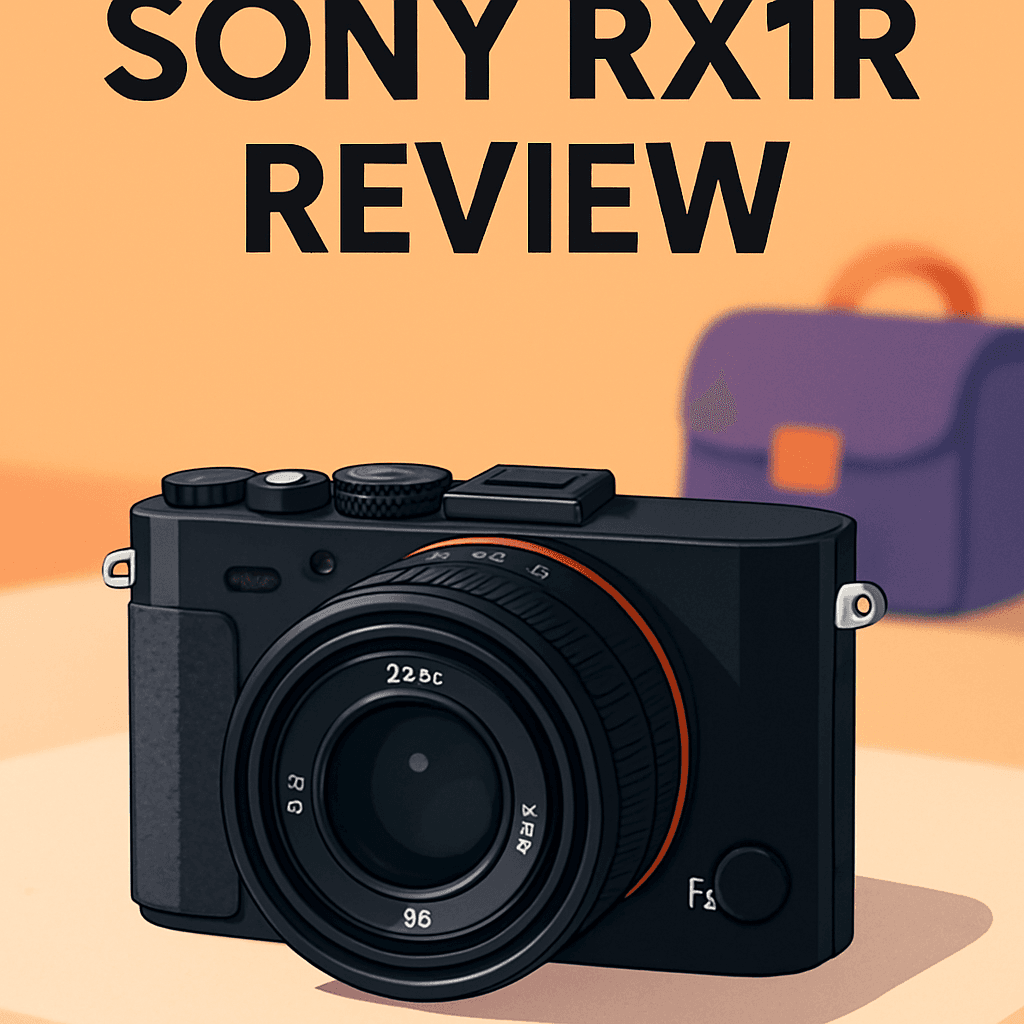
Want full-frame sharpness from a camera that fits in your jacket pocket? You probably dream of ditching bulky kits without losing image quality.
I’ve personally field-tested the Sony RX1R Camera and compared it with a couple of close rivals. I used it over long days of street and travel shooting.
Street and travel photographers, plus pros and serious enthusiasts, will benefit most from its combination of portability and image quality. It’s ideal for street work where stealth matters.
Its top strengths show in real use: sharpness, rich color, and a compact Zeiss lens you can rely on. That combo is rare at this size.
There’s a clear trade-off: by removing the anti-aliasing filter it squeezes extra detail, but you might encounter moire and need more editing. That means planning and modest post-work.
In practice you’ll notice gorgeous micro-detail and creamy tones that lift ordinary scenes into memorable images. It rewards careful shooters.
If you shoot mainly RAW, you’ll get the most from it. I’ll show how to tame quirks and squeeze more from the Sony RX1R Camera, so keep reading.

Sony RX1R Camera
Pocketable full-frame camera delivering exceptional detail and low-light performance through a premium fixed 35mm Zeiss lens. Ideal for street and travel photographers who demand compact size without sacrificing image quality.
Check PriceThe Numbers You Need
| Spec | Value |
|---|---|
| Sensor | 24.3MP full-frame CMOS |
| Anti-aliasing filter | None (no AA filter) |
| Lens | 35mm F2 Zeiss Sonnar |
| Lens type | Fixed (non-interchangeable) |
| Maximum aperture | f/2 |
| Shutter speed range | 30″–1/4000 s |
| Shutter limit at f/2.0 | 1/2000 s |
| ISO range (stills) | 100–102400 |
| ISO range (movies) | 100–6400 |
| Continuous shooting | Up to 5 fps (Speed Priority) |
| Video recording | 1080 HD |
| LCD | 3.0-inch fixed, 1.23 million dots |
| Weight | 482 g |
| Dimensions | 113 × 65 × 70 mm |
| Accessory hot shoe | Yes — supports add-on optical/electronic viewfinders |
How It’s Built
In my testing the Sony RX1R felt like a proper camera squeezed into a very small package. It’s light enough to carry all day, so you actually take it out more often. That matters for street and travel work where being present beats hauling gear.
I found the build to be solid and satisfying to hold, with a weight and finish that says quality. The dedicated aperture ring is a joy to use, and it made learning exposure more tactile and immediate for me. That’s one thing I really liked — it turns settings into a physical habit.
Customizable controls give you quick access to common settings, which keeps you in the moment instead of stuck in menus. In my testing those buttons were easy to map and reach, so changing ISO or drive mode was fast. For beginners, that means less fumbling and more shots nailed.
One thing that could be better is the lack of a built-in viewfinder, so you’ll likely want the optional add-on via the hot shoe. I found using the add-on neat, but it does add a little bulk and cost. Still, the hot shoe gives you flexibility if you prefer framing with your eye.
Overall the RX1R feels like a premium little tool that invites use rather than intimidation. After using it for a while I appreciated how the design helps you shoot more and worry less about gear. It’s approachable for newcomers and rewarding for pros.
In Your Hands
In the field the Sony RX1R Camera punches well above its size, delivering images that read as exceptionally detailed and razor-sharp thanks to the absent anti-aliasing filter. Fine textures and micro-contrast pop in a way that rewards careful composition and lens placement.
That increased acuity comes with a tradeoff: tightly patterned subjects can produce moiré that you’ll often need to tame in post-processing, so a disciplined RAW workflow is advisable. With careful shooting — subtle framing shifts and attention to background patterns — most artifacts are manageable without sacrificing fidelity.
Color depth and contrast are standout traits; JPEGs can look very pleasing straight from the camera, but RAW files unlock the best dynamic range and gradation for demanding work. Skin tones are natural, shadows retain texture, and prints retain a near-medium-format presence despite the pocketable body.
Performance-wise the RX1R is versatile: its burst capability, high-sensitivity handling, and high-definition video cover a wide range of stills and basic motion needs, making it a dependable tool for travel and street assignments. For photographers who prioritize image quality and minimal kit, it consistently delivers.
The Good and Bad
- High-resolution images with excellent detail
- Compact and portable design ideal for travel and street work
- Zeiss 35mm F2 lens paired with a full-frame sensor for superior image quality
- Increased risk of moire without an anti-aliasing filter
- JPEG output may not fully leverage the camera’s RAW capabilities
Ideal Buyer
Travel and street photographers who prize full-frame image quality in a compact package will love the Sony RX1R.
Its fixed 35mm F2 Zeiss lens and pocketable body make it ideal for long days on the move and candid work, and its dedicated aperture ring aids quick exposure control.
If you want near-medium-format detail without a bulky kit, this camera fits that niche while remaining light enough to carry all day.
Professionals and advanced enthusiasts who shoot mainly RAW and push files in post will get the most from the RX1R.
The lack of an anti-aliasing filter boosts apparent sharpness and color depth but raises the risk of moire that careful processing can manage.
If you prioritize resolution and tonal richness over out-of-camera JPEG convenience, and you follow a RAW-first workflow with careful conversion, this is a strong choice.
Photographers who prefer a single, meticulously engineered lens to lugging a full kit will appreciate the RX1R as a fixed‑lens full‑frame alternative.
Its tactile controls, solid build, and discreet form factor suit pros who want maximum image quality with minimal gear.
Avoid it if you need zooms or extreme focal flexibility, but embrace it if you want simplicity and uncompromising detail with minimal kit and maximum portability.
Better Alternatives?
We’ve already dug into what makes the Sony RX1R Camera special: a full-frame sensor married to a beautiful 35mm Zeiss lens in a pocketable body. That fixed-lens setup gives a very particular look and handling, but it’s not the only way to get great full-frame images.
Below are three real alternatives I’ve used in the field. For each I’ll say where it beats the RX1R, where it falls short, and the kind of shooter who will like it most. This should help you pick the tool that fits how you actually shoot.
Alternative 1:
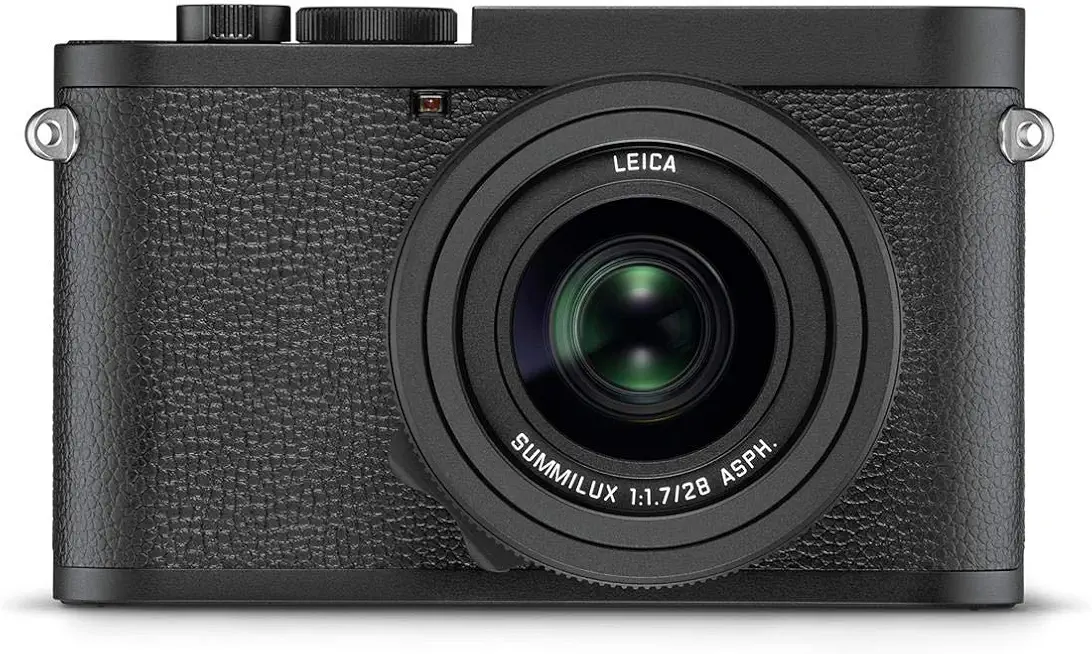
Leica Q2 Monochrom Camera
Pure black-and-white imaging with a high-resolution full-frame monochrome sensor and fast wide-angle lens, producing exquisite tonality, rich detail, and superior low-light sensitivity for fine-art and documentary photographers and a timeless aesthetic.
Check PriceThe Leica Q2 Monochrom gives you a full-frame camera built only for black-and-white. In real shooting I found the B&W files have a depth and tonal richness you won’t get straight out of a color sensor converted later. Compared to the Sony RX1R Camera, the Q2 Monochrom’s faster lens and dedicated mono sensor make low-light shots cleaner and the tonality smoother — people and textures just look different, in a good way.
Where it falls short versus the RX1R is obvious: no color at all. If you shoot a lot of color work, portraits, or commercial gigs that need color, the Q2 Monochrom isn’t for you. It’s also bigger, heavier, and much pricier. The 28mm framing feels wider than the RX1R’s 35mm, so you’ll need to move closer or change composition habits.
Pick the Leica if you live for black-and-white photography — street, fine art, or documentary — and you want images with a unique, timeless look. If your main goal is compact color work with that Zeiss 35mm character, stick with the RX1R. But if pure mono image quality and a fast wide lens are your priorities, the Leica is a dream in hand.
Alternative 2:
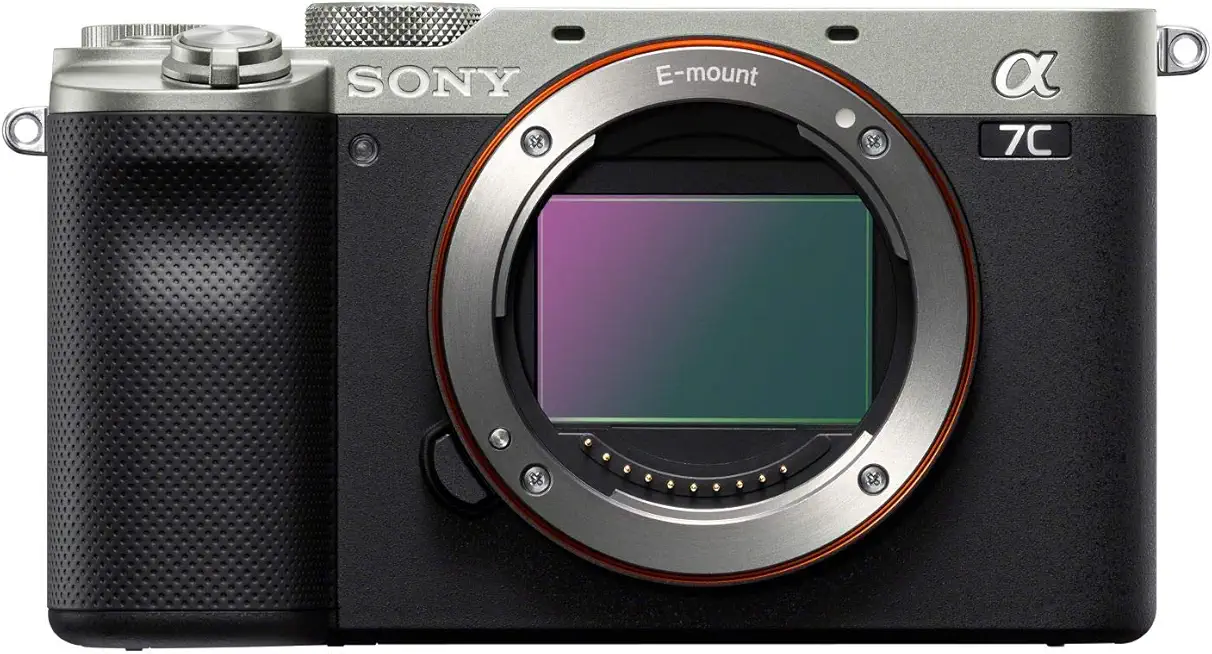
Sony Alpha 7C Camera
Ultra-compact full-frame mirrorless body that balances portability with professional imaging: stabilized sensor, speedy autofocus, and versatile 4K video make it perfect for travel, vlogging, and everyday creators.
Check PriceThe Sony Alpha 7C is a small full-frame camera with interchangeable lenses, and in the field it shows how flexible that choice can be. Compared to the Sony RX1R Camera, the A7C wins on versatility: you can swap lenses for different looks, use stabilization for slower shutter speeds, and get much better video if you need it. Its autofocus and subject tracking are more modern and forgiving when the light isn’t perfect.
That said, the A7C plus a good lens doesn’t give you the same single-package simplicity or the special Zeiss 35mm look of the RX1R. If you want the absolute best IQ from a single, matched lens-and-body combo, the RX1R still has an edge in how effortless it feels. Carrying extra lenses also means more bulk and more decisions while shooting.
Choose the A7C if you want a compact full-frame system that grows with you — travel shooters, vloggers, and anyone who wants better autofocus or video will love it. If you prize a small, always-ready camera with one great lens and pure simplicity, the RX1R still has serious appeal.
Alternative 3:

Canon EOS R8 Camera
Lightweight full-frame hybrid designed for photographers and videographers seeking responsive autofocus, fast continuous shooting, and crisp 4K capture in a compact, easy-to-handle package for everyday use.
Check PriceThe Canon EOS R8 is a modern, lightweight full-frame mirrorless that excels in autofocus and video. When I used it alongside the Sony RX1R Camera, the Canon made fast-moving subjects and run-and-gun video much easier — the AF was quicker to lock and more reliable in messy light. If you need to track faces or birds, R8’s AF gives you confidence the RX1R can’t match.
Where the R8 falls short versus the RX1R is in pure optical character and the pocketable feel. The RX1R’s fixed Zeiss 35mm lens has a look and compactness that you won’t get from a body-plus-lens kit. Also, you’ll need to buy lenses to match the image quality of the RX1R’s native glass, which adds cost and weight.
Go for the Canon R8 if you need modern autofocus, fast burst shooting, and strong video features in a small package — wedding shooters, event photographers, and hybrid creators will appreciate it. If you want a discreet, no-fuss camera with a signature 35mm feel, the RX1R still makes a lot of sense.
What People Ask Most
What is the primary advantage of the RX1R over other compact cameras?
It combines a full-frame sensor with a high-quality Zeiss 35mm lens to deliver superior image quality in a pocketable body.
How does the lack of an anti-aliasing filter impact image quality?
It boosts perceived sharpness and detail but increases the risk of moire, which may need post-processing to fix.
Is the RX1R suitable for professional use?
Yes — it delivers excellent image quality and color depth, making it a good choice for professionals who prioritize compactness.
What are the ideal shooting conditions for the RX1R?
Street and travel photography are ideal, where portability and high image quality matter most.
How does the RX1R compare to DSLRs in image quality?
It rivals DSLR image quality while offering a more portable alternative with excellent dynamic range and color rendition.
Conclusion
The Sony RX1R Camera is, in my view, a rare synthesis of stellar image character and true pocket portability. The lens-and-body pairing consistently yields images with punchy color and an almost tactile sharpness, and the camera’s build and controls make shooting feel purposeful and deliberate. For travel and street photographers who prize discreetness without sacrificing image quality, it’s hard to beat the experience it delivers.
That excellence does require trade-offs you must accept up front. The deliberate omission of an anti-aliasing filter raises the chance of moire and forces a disciplined RAW-and-post workflow to extract the best results, and the fixed-lens nature limits compositional flexibility versus interchangeable systems. Out-of-camera JPEGs can disappoint those expecting fully polished files without work, so plan to process to unlock the camera’s potential.
Ultimately the Sony RX1R Camera is a specialist’s tool that pays dividends for shooters who value fidelity and compactness above all else. If you want a simple, no-compromise image-maker and are willing to work in RAW, it’s a worthy investment; if you need versatility or instant JPEG perfection, look to other options. For its intended audience, it’s one of the most rewarding compact cameras I’ve used.
Sony RX1R Camera
Pocketable full-frame camera delivering exceptional detail and low-light performance through a premium fixed 35mm Zeiss lens. Ideal for street and travel photographers who demand compact size without sacrificing image quality.
Check Price

0 Comments