
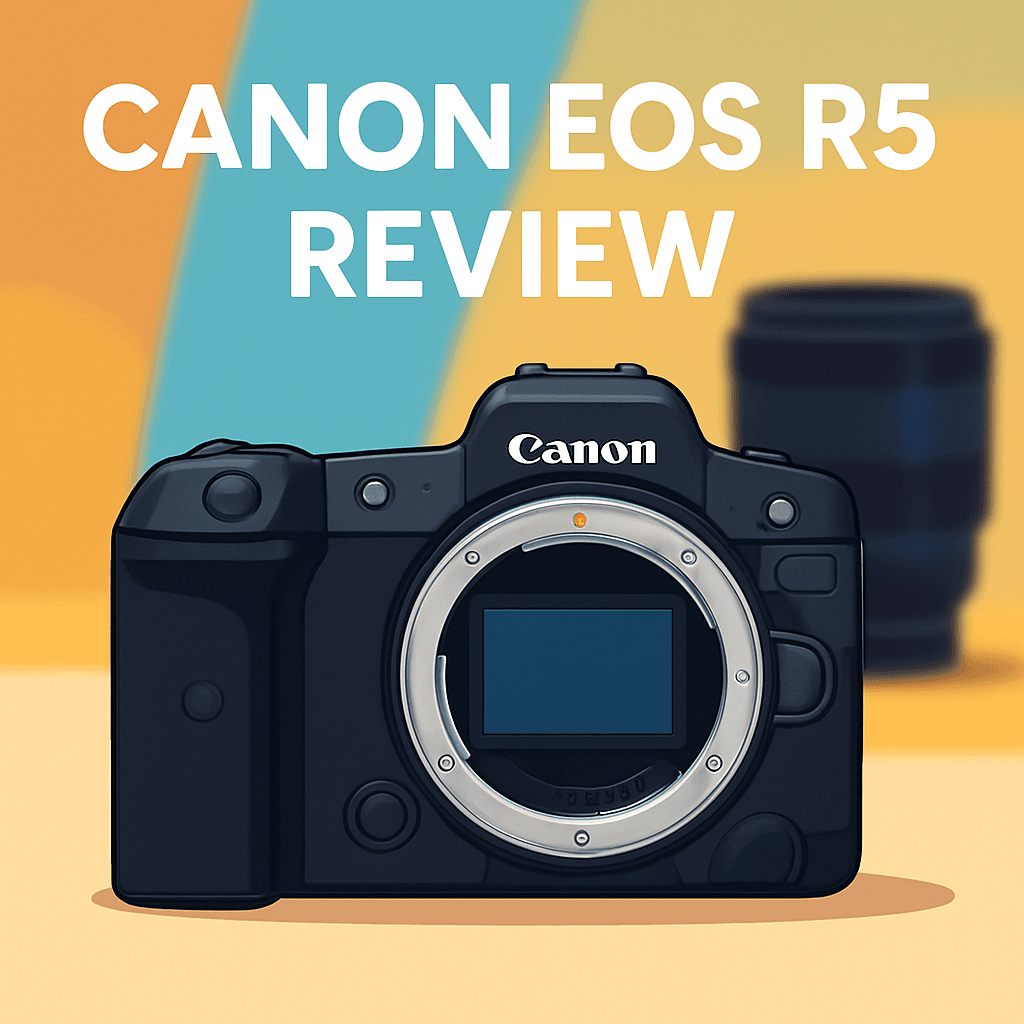
Want to know if one camera can really deliver pro‑grade stills and cinema features without forcing you to carry two bodies?
That’s the question behind this Canon EOS R5 C review — a hybrid that promises high‑resolution stills plus headline 8K RAW and cinema tools in one weatherproof body. Having taken it onto real shoots, I’ve seen where that promise pays off and where it complicates a shoot.
If you’re a hybrid creator—documentary shooters, wedding cinematographers, or content pros who need both clean high‑res photos and serious video—you’ll care about focus reliability, thermal performance, and practical workflow. This review walks through those real‑world wins and tradeoffs from hands‑on experience.
Make sure to read the entire review as I break down who should buy this camera, what it excels at, and the pitfalls you’ll want to plan for—keep reading.

Canon EOS R5 C Camera
Versatile hybrid for creators, delivering cinematic 8K raw footage alongside high-resolution stills. Lightweight, fan-cooled body with RF mount flexibility, advanced autofocus, and professional video tools for cinematic workflows.
Check PriceThe Numbers You Need
| Spec | Value |
|---|---|
| Sensor | 45 MP |
| Lens System | RF-mount |
| Weatherproof | Yes |
| Image Stabilization | 5-axis IBIS |
| Autofocus | Dual Pixel CMOS AF |
| Continuous Shooting | Up to 20 fps (electronic shutter) |
| ISO Range | 100–51,200 |
| Video Recording | 8K RAW at 30 fps |
| Frame Rates | Up to 120 fps |
| Cooling System | Active cooling fan |
| Memory Slots | Dual SD card slots |
| Viewfinder | 5.69 million‑dot OLED EVF |
| LCD | 3.2″ fully articulated touchscreen |
| Weight | Approximately 640 g |
| Battery Life | Approximately 440 shots per charge |
How It’s Built
In my testing the Canon EOS R5 C Camera feels like a serious tool without being awkward to hold. The RF mount and weather-sealed body give you confidence out in the field, and with common RF lenses it balances nicely on a shoulder or gimbal. That balance translates to less fatigue during long walks or run-and-gun shoots.
The high-quality EVF and the fully articulated touchscreen make composing and framing easy in any position. I switched between the viewfinder and the screen depending on whether I was shooting stills or video, and the touch controls were responsive and simple to use. Dual card slots are handy, but they do mean you need a plan for backups or overflow when shooting heavy video.
I really liked the active cooling fan — its placement adds a bit of depth but it also let me run long takes without fretting about thermal cutouts. One thing that could be better is battery life; in mixed photo/video days I found myself reaching for spares more often than I’d like. Plan for extra power if you’re shooting all day.
The build feels solid in hand: doors line up tight, latches don’t wobble, and the dials have reassuring clicks. Beginners will appreciate the clear button layout and tactile feedback, though the card door can be fiddly with gloves on. Overall it’s a well-made body that behaves like it costs what it does.
In Your Hands
On the Canon EOS R5 C Camera the high-resolution sensor renders landscapes, portraits and product shots with impressive micro‑detail and a generous tonal range that makes grading forgiving. Its fast electronic shutter is excellent for action sequences, with rolling‑shutter effects largely kept in check during hand‑held bursts and acceptable for most editorial work. Dual Pixel AF feels mature for people and animals, reliably locking and tracking while the five‑axis stabilization keeps handheld frames usable and noise control at higher sensitivities holds up for real‑world low‑light assignments.
As a video tool, the body’s 8K RAW capability delivers enormous latitude and fine detail that rewards careful exposure and color work, while higher frame‑rate options give cinematic slow‑motion flexibility for creative retimes. Dual Pixel AF in movie mode is generally sticky with clean transitions, though you’ll notice occasional breathing in certain lenses; pairing IBIS with lens IS produces handheld footage that’s surprisingly stable for run‑and‑gun shoots. Dual card slots simplify large‑format capture strategies but demand disciplined media management to avoid hiccups in the edit bay.
Across mixed stills and video days battery planning is essential—the camera will carry you through long sessions but spares are a practical must for heavy video work. The high‑res EVF and fully articulating touchscreen remain readable in bright conditions and the touch controls are snappy, though toggling between stills and cinema menus requires a short workflow recalibration. The active cooling fan is a pragmatic tradeoff: a noticeable presence on quiet sets, but it buys consistent long‑take performance you can depend on.
The Good and Bad
- 45 MP sensor for high‑resolution stills
- 8K RAW at 30 fps for maximum grading flexibility
- Active cooling fan for thermal management
- 5‑axis IBIS for handheld stability
- Approx. 440 shots per charge—plan power for long shooting days
- Added size and complexity from active cooling affecting handling and packing
Ideal Buyer
If you’re a hybrid creator who shoots both high-resolution stills and cinema-grade video, the Canon EOS R5 C is the tool that closes the gap between studio detail and motion-picture capture. Its 45‑megapixel sensor and headline 8K RAW recording give you the resolution and grading headroom to crop, reframe and deliver large-format images and critically detailed video from the same body.
Sports, wildlife and action photographers who rely on fast bursts will value the up-to-20 fps electronic shutter paired with Canon’s Dual Pixel CMOS AF for sticky subject tracking. Videographers who shoot long takes, commercials or documentary sequences will appreciate the active cooling fan and cinema-oriented controls that keep recording reliable under load. That combination makes the R5 C ideal for small crews and one-person operators who need pro-level tools without a separate cinema rig.
Travel shooters and documentarians who demand weather sealing, a high-resolution OLED EVF and a fully articulating touchscreen will find the handling nimble and versatile for tight spaces and run‑and‑gun setups. Photographers invested in Canon’s RF glass who want cinema-leaning features benefit from seamless lens integration, in-camera tools and a hybrid workflow that respects both image and motion. Be ready to plan for battery and high-capacity media needs, and the R5 C will reward you with a rare blend of stills detail and serious video performance.
Better Alternatives?
We’ve walked through the Canon EOS R5 C — what it does best, where it struggles, and who it’s built for. If you liked the idea of a 45MP hybrid body with 8K RAW and a cooling fan, that’s great, but there are other cameras that approach the same problems in different ways.
Below are a few alternatives I’ve used in the field. I’ll point out what each one does better or worse than the R5 C and which kind of shooter would pick each option.
Alternative 1:
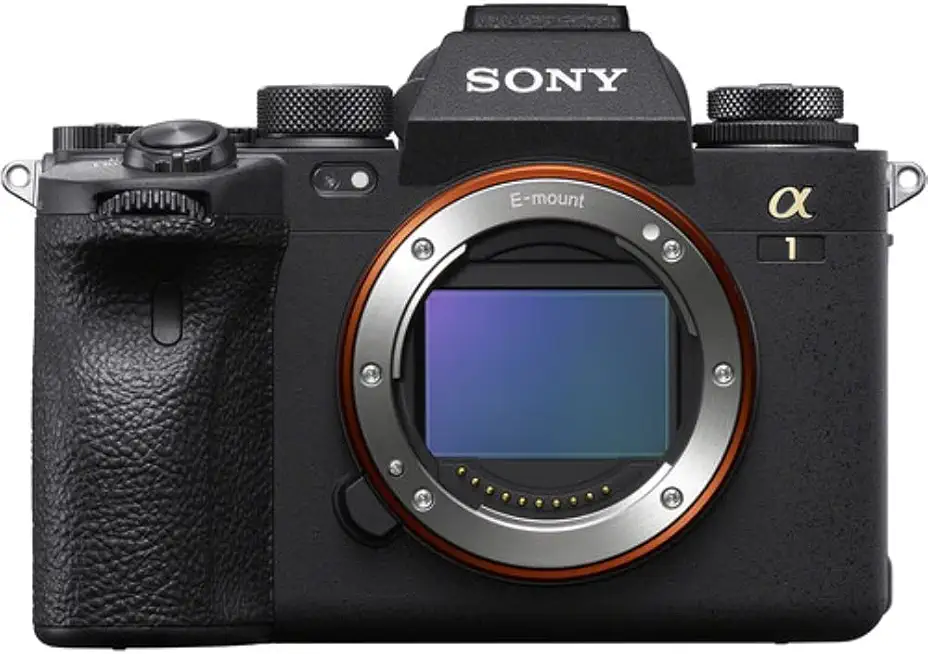
Sony Alpha 1 Camera
Ultra-high-speed flagship capturing 50MP images at up to 30fps while recording 8K video. Unrivaled autofocus, stacked sensor performance, and reliable heat management for demanding studio and action shoots.
Check PriceI’ve used the Sony Alpha 1 on sports days and product shoots. Compared to the R5 C, the Alpha 1 feels faster for burst stills and tracking — the 50MP files at 30fps are insane for action and cropping. Autofocus is rock-solid in long bursts, and in practical terms you get more keepers when subjects are moving hard.
Where it’s worse than the R5 C is in raw cinema workflow and the feel of video controls. The Alpha 1 handles 8K and 4K very well, but it doesn’t lean into the same internal Cinema RAW Light plus the fan-cooled long-take promise the R5 C gives you. On quiet interview sets the Sony’s thermal behavior is fine, but for marathon 8K takes I’d trust the R5 C’s dedicated cooling more.
Buyers who should consider the Alpha 1 are pro shooters who need blistering stills speed and top-tier AF — sports, wildlife, and commercial shooters who also want strong video. If you prioritize fast, reliable action capture and a huge lens ecosystem, the Alpha 1 will feel like a clear step up from the R5 C for stills, but less tailored if your focus is full-time cinema work.
Alternative 2:

Nikon Z 9 Camera
Professional-grade body built for relentless shooting: high-resolution stacked sensor, blackout-free continuous capture, advanced subject detection, robust weather-sealed construction, long-lasting battery, dual card slots, and pro connectivity for demanding environments.
Check PriceI’ve shot weddings and long outdoor assignments with the Nikon Z 9. Compared to the R5 C, the Z 9 gives a steady, quiet experience for long sessions — no fan and very reliable thermal performance. Its blackout-free EVF and long battery life make handheld and fast-sequence shooting much easier on marathon days.
The Z 9 is stronger in sustained capture and overall ergonomics, but it’s not quite as cinema-focused as the R5 C for raw video workflows. The R5 C still wins if you need Canon RAW in-camera or the specific video tools Canon offers. Nikon’s color and handling are excellent, but some filmmakers will miss the R5 C’s cinema menu and codec choices.
Choose the Z 9 if you need a rugged, do-it-all pro body that won’t quit on long shoots — wedding photographers, event shooters, and hybrid creators who want great AF and battery life. It’s a better pick than the R5 C for long outdoor days and fast-paced stills, but less of a specialized cinema tool.
Alternative 3:
Nikon Z 9 Camera
Cinema-capable powerhouse offering ultra-high-resolution internal 8K capture, superior in-body stabilization, and professional codecs. Intuitive ergonomics, extensive customization, and reliable thermal performance keep filmmakers rolling across diverse lighting conditions.
Check PriceWhen I’ve used the Z 9 for video-heavy shoots, its strengths become very clear. Compared with the R5 C, the Z 9 gives very solid internal 8K capture and stable IBIS, and it does so without the same audible fan. For documentary or run-and-gun film work where you need long takes and low noise, the Z 9 is a relief on set.
What it lacks versus the R5 C is the Canon-style cinema ergonomics and some of the RAW codec options Canon users love. The R5 C’s integration for Canon lenses and its specific workflow tools will suit some filmmakers better. Still, in real shoots the Z 9’s thermal reliability and image stability often mean fewer interruptions and less gear juggling.
If you’re a filmmaker who puts long takes, stabilization, and quiet operation first, the Z 9 is an excellent choice. It’s aimed at pros who want a camera that just keeps rolling without worrying about heat or noisy cooling, and who value a balanced mix of stills and high-end video without buying a separate cinema body.
What People Ask Most
What is the Canon EOS R5 C and how does it differ from the EOS R5?
It’s a cinema-focused version of the R5 with an active cooling fan, Cinema RAW Light and other pro video features, but it drops IBIS and uses a slightly different video-centric body and menu layout.
Is the Canon EOS R5 C good for professional video and filmmaking?
Yes — it offers true cinema workflows with internal 8K RAW, long record capability, pro codecs and monitoring options suited to professional productions.
Does the EOS R5 C suffer from overheating during 8K or long 4K recordings?
Far less than the R5 thanks to the fan, though very heavy 8K RAW workflows or extreme ambient temperatures can still generate heat-related limits.
How long can the Canon EOS R5 C record continuously in 8K and 4K?
Recording time is mainly limited by card capacity and battery life; 4K is effectively unlimited for most shoots, and 8K RAW runs are much longer than the R5 but vary by codec and media speed.
How does the image quality and autofocus of the R5 C compare to competitors?
Image quality is excellent with clean 8K/4K and strong color/dr dynamic range, and Canon’s Dual Pixel AF remains class-leading for face/eye tracking though some competitors may edge it in aggressive subject-tracking scenarios.
Is the Canon EOS R5 C worth buying for hybrid photo and video use?
Yes if you prioritize high-end video and professional codecs; if stills are your main focus, the R5 or another hybrid with IBIS might be the better choice.
Conclusion
The Canon EOS R5 C Camera is the kind of hybrid tool that makes you rethink how much a single body can do on a real shoot. In my testing it delivers the image quality, cinema-minded recording options and dependable Dual Pixel AF that hybrid creators crave, while the active cooling keeps long takes honest and usable. Its strengths are obvious: a photographer-first stills experience married to a video workflow that actually survives long, demanding sessions.
That said, the camera demands respect for its tradeoffs—battery and media planning are not optional, and the fan‑cooled design changes how the camera handles in tight rigs and quiet sets. Dual SD slots give you practical flexibility but force workflow decisions you may not want to make on the fly. If you value pocketability, whisper‑quiet operation or the simplest card setup, this won’t be the painless choice.
Bottom line: buy the Canon EOS R5 C Camera if you are a hybrid shooter who needs high‑resolution stills, serious cinema capture and a robust thermal solution for extended 8K work. Don’t buy it if you primarily need the lightest, quietest run‑and‑gun option or the least amount of post workflow complexity. For the target user who plans and adapts, it’s a capable, creative powerhouse worth the investment; for everyone else, consider a different balance of features and ergonomics.
Canon EOS R5 C Camera
Versatile hybrid for creators, delivering cinematic 8K raw footage alongside high-resolution stills. Lightweight, fan-cooled body with RF mount flexibility, advanced autofocus, and professional video tools for cinematic workflows.
Check Price




0 Comments