
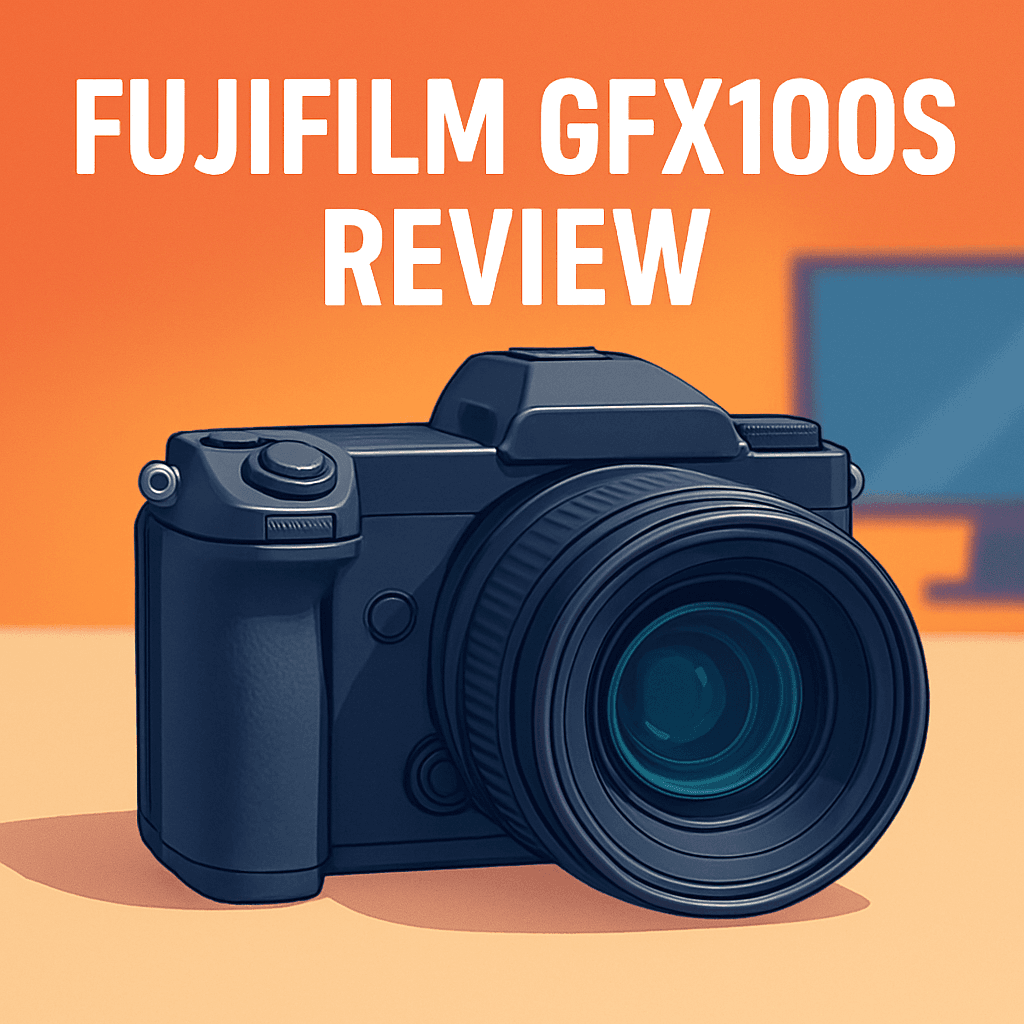
Want to know if the Fujifilm GFX100S will really level up your image quality and fit your workflow?
I field-tested it across landscapes, studios, and on-location shoots to see how it performs where detail and reliability matter most.
It pairs a 102MP medium-format sensor with in-body stabilization in a weather-sealed body, so it’s clearly aimed at high-detail stills while video stays secondary.
I’ll break down real-world image quality, handling, autofocus behavior, and the trade-offs that affect your pro workflow.
If you shoot landscape, architecture, studio/product, portraits or location work with flash — and want light hybrid video — keep reading.

Fujifilm GFX100S Camera
Compact 102MP medium-format powerhouse delivering stunning detail, five-axis stabilization, and expansive dynamic range; ideal for studio portraits, landscapes, and high-resolution commercial work where fidelity and portability matter.
Check PriceThe Numbers You Need
| Spec | Value |
|---|---|
| Sensor | 102 MP medium-format CMOS |
| Image stabilization | In-body (IBIS) |
| Autofocus | Hybrid phase/contrast detect |
| Shutter | Mechanical + electronic up to 1/4000s |
| Shutter sync speed | Up to 1/125s flash sync |
| Shooting speed | Up to 5 fps continuous |
| Video | 4K/30p, Full HD/60p |
| ISO range | 100-12800 (expandable to 50-102400) |
| Viewfinder | 3.69M-dot OLED EVF |
| Screen | 3.2” tilt LCD, 2.36M-dot touchscreen |
| Dual card slots | UHS-II SD |
| Dimensions | 150 x 104 x 87 mm |
| Weight | 900 g (body only) |
| Weather sealing | Yes |
| Battery life | Approx. 460 shots per charge (EVF) |
How It’s Built
In my testing the GFX100S feels like a serious tool, but not a hulking beast. I found the body surprisingly compact for a medium-format camera and the seals gave me real confidence shooting in drizzle and dusty locations. After using it for a while I trusted it on location without worrying about the weather.
The weight is noticeable but not tiring for short handheld sessions. It balances nicely on a tripod or gimbal, so it behaves like a proper studio camera when mounted. For travel you’ll feel it in the bag, but it’s easy to carry when you need top image quality.
The electronic viewfinder is sharp and clear, which matters a lot at this resolution. In my testing it made manual focus and critical composition much easier than I expected. That clarity saves time in the field and reduces missed shots.
The tilted rear screen is one of those small things that pays off every shoot. I used it for low-angle landscapes and for framing on a tripod without crawling on the ground. It also helps when working alone and tether-less in the studio.
I liked the peace of mind from the dual card slots for backup and overflow during long shoots. Fit and finish feel solid and the body holds heavier GF lenses without feeling flimsy. One thing that could be better is the grip — a chunkier hold would make long handheld days more comfortable for beginners and pros alike.
In Your Hands
The Fujifilm GFX100S’s in-body stabilization is a game-changer for high-resolution handheld work, noticeably reducing blur and letting you shoot at slower shutter speeds without always reaching for a tripod. For landscapes, portraits, and location stills the IBIS gives you latitude to capture fine micro-detail in quieter light, though a solid tripod still wins when absolute pixel-level sharpness is required. It simply raises the baseline for usable images away from controlled studio setups.
The hybrid autofocus system is precise for single-frame work and locks neatly for composed portraits and architectural shots, while continuous tracking handles moderate movement acceptably but won’t replace a sports-focused tracker. Low-contrast or very dim scenes can still trip it up, so manual focus checks in the EVF remain part of my routine with critical lenses. The shutter options include both mechanical and electronic modes, but the top shutter capability is modest enough that you’ll reach for NDs when shooting fast glass wide open in bright conditions.
Flash use outdoors is practical but constrained by a conservative sync ceiling, so real-world solutions are lowering ambient, cutting strobe power, or using filtration when you need to dominate daylight. The burst rate is serviceable for editorial and commercial work but not aimed at high-speed action, and the sensor’s low-to-mid sensitivity range delivers excellent fine detail with higher settings requiring careful noise management for client deliverables. Video feels like a useful add-on—solid for BTS and interviews while stabilization helps handheld clips—but it’s clearly secondary to stills.
Battery life and workflow habits matter; a typical day with active EVF use benefits from a spare and disciplined file handling given the large RAWs. In practice the GFX100S behaves like a thoughtful, capable medium-format tool: it rewards deliberate technique and delivers reliable, high-fidelity results across the kinds of real-world shoots I run into as a working photographer.
The Good and Bad
- 102 MP medium-format sensor for extreme detail and cropping latitude.
- In-body stabilization for sharper handheld results and low-light flexibility.
- Weather-sealed body suited to demanding environments.
- Dual UHS-II SD card slots for redundancy and throughput.
- 5 fps caps suitability for fast action and sports assignments.
- Approx. 460-shot battery life may require multiple spares for intensive shoot days.
Ideal Buyer
The Fujifilm GFX100S Camera is for photographers who prioritize ultimate still-image quality and nuance. Landscapers, architects, and fine-art shooters will appreciate the 102MP medium-format sensor, IBIS, and weather-sealed body for demanding location work. It’s built to capture texture and tonal subtleties that smaller formats can’t match.
Studio and product photographers get huge retouching latitude and print-ready files with disciplined technique. Portrait photographers who print large or need aggressive cropping will find the GFX100S indispensable for delivering client-grade detail. Dual UHS-II slots and robust build keep it practical in professional workflows.
Commercial and editorial shooters who need maximum resolution for advertising, fashion, or high-end catalogs will value the file quality and color rendering. Video is competent for BTS, interviews, or short-form content, but it’s still a camera optimized for stills first. For location work the combination of stabilization and EVF clarity is a real advantage.
This isn’t the right tool for sports, wildlife, or action-focused assignments that demand high fps and advanced AF tracking. Hybrid creators needing cinema-level video specs or event shooters who must outrun bright ambient light with high flash sync will want to look elsewhere. If you travel light or shoot fast-moving subjects, consider a lighter or faster alternative.
Better Alternatives?
We’ve spent a lot of time with the Fujifilm GFX100S in the field — landscapes at dawn, studio beauty shoots, and location work with strobes. It’s a very practical 102MP medium-format camera that balances image quality with carryability. But no single camera is perfect for every job, so it helps to look at what else is out there.
Below are a few real-world alternatives I’ve used. For each one I’ll say where it beats the GFX100S, where it falls short, and what kind of shooter would prefer it. These are practical differences I noticed on shoots, not just spec numbers.
Alternative 1:

Hasselblad X2D 100C Camera
Premium 100MP imaging with legendary color science, exceptional lens performance, and refined ergonomics; provides reliable autofocus and rich tonality for fashion, fine-art, and high-end advertising photography.
Check PriceOn real shoots the Hasselblad X2D 100C gives files that often need less color work. Skin tones and midtones come out very pleasing straight from camera, so you can deliver cleaner proofs faster. If you value in-camera color and a “painterly” look for portraits or fine-art work, the X2D often feels like a shortcut compared with the GFX100S.
Where it falls short versus the GFX100S is speed and system depth. The Hasselblad feels more deliberate — autofocus and continuous shooting aren’t as snappy for quick-moving subjects, and there are fewer lens options to reach for on location. It’s also generally pricier for what you get in features, so you trade versatility for that special color and file look.
If you’re a portrait, fine-art, or high-end studio photographer who cares most about how files render out of camera, you’ll like the X2D. If you shoot events, action, or need a broad lens lineup and fast AF, the GFX100S will be the more practical choice.
Alternative 2:

Fujifilm GFX100 Camera
Flagship 102MP system combining exceptional image quality, robust weather-sealed construction, and in-body stabilization; engineered for demanding professional workflows, large-format prints, and versatile studio-to-location shooting.
Check PriceThe GFX100 is the more traditional, pro-style sibling of the 100S. In the hand it feels tougher and more comfortable for all-day work — bigger grip, more physical controls, and a layout that makes tethered studio shooting and long handheld sessions easier. For steady studio runs or heavy commercial days, that extra heft and button layout matter in real life.
What you lose compared with the GFX100S is portability. The GFX100 is heavier and bulkier, so it’s less pleasant on long hikes or quick location shoots where you want to travel light. The image quality is essentially the same, but you pay the price in size and carry comfort to get the pro ergonomics.
Pick the GFX100 if you run long studio days, shoot tethered a lot, or want a camera that feels like a traditional pro tool. If you travel a lot or need a lighter kit for location work, the GFX100S usually wins for ease of use on the move.
Alternative 3:
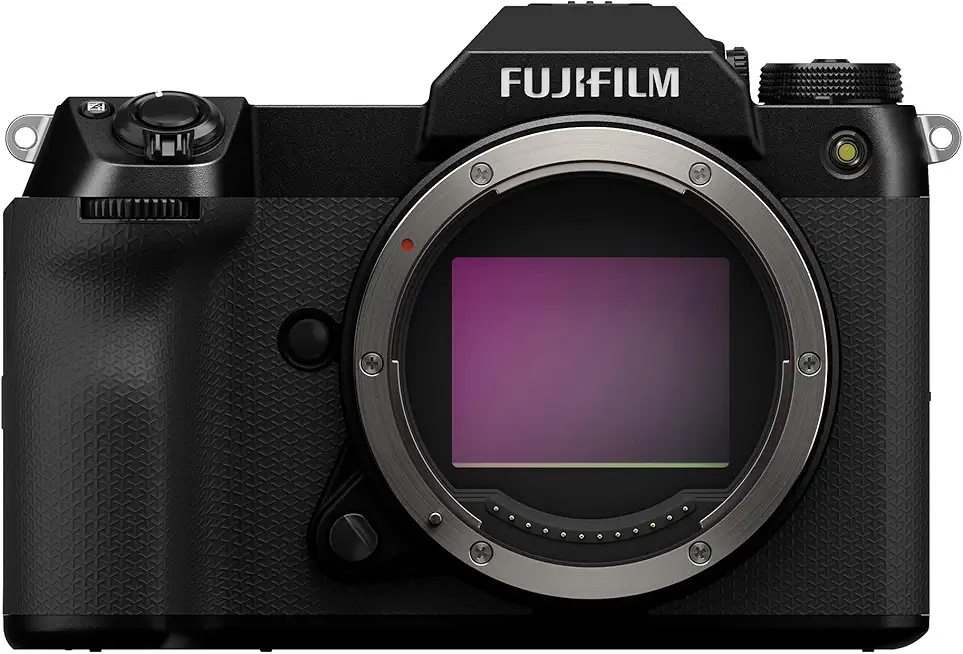
Fujifilm GFX100S II Camera
Next-generation 102MP platform with accelerated processing, improved autofocus, and refined handling; balances pro-level image fidelity with nimble operation for hybrid shooters prioritizing resolution, speed, and responsiveness.
Check PriceThe GFX100S II is the “faster, snappier” take on the 100S. In the field I noticed quicker autofocus response and a more responsive feel when moving between shots, which helps on portrait sessions where you need to catch fleeting expressions. The user interface and overall responsiveness make it feel better for mixed photo/video runs or editorial days where speed matters.
Compared to the GFX100S, the II improves handling and speed, but it doesn’t magically change the medium-format trade-offs: the files are equally beautiful, but you’ll still carry big lenses and big files. It can also be a pricier step up, so you pay for speed and polish rather than a big jump in image quality.
The GFX100S II is a good pick if you want the 102MP look but also need more responsiveness for hybrid or fast-paced commercial work. If your priority is the smallest, most travel-friendly medium-format setup that still gives 102MP, the original GFX100S remains a very sensible choice.
What People Ask Most
Is the Fujifilm GFX100S worth the money?
Yes — for pros and serious enthusiasts who need 102MP medium-format quality and excellent dynamic range; casual shooters may find it overkill.
How does the GFX100S compare to the Fujifilm GFX100?
It shares the same 102MP sensor and IBIS but comes in a much smaller, more affordable body, while the GFX100 offers a larger chassis, built-in vertical grip and a few extra pro features.
Is the GFX100S better than full-frame cameras?
For resolution and dynamic range it outperforms most full-frame cameras, but full-frame bodies are generally faster, lighter and less expensive for everyday use.
Does the Fujifilm GFX100S have in-body image stabilization (IBIS)?
Yes — it has 5-axis IBIS that provides significant stabilization (around 5–6 stops depending on the lens).
How many megapixels does the Fujifilm GFX100S have?
It uses a 102‑megapixel medium-format sensor.
Is the GFX100S good for portrait and landscape photography?
Absolutely — its high resolution, color depth and dynamic range make it excellent for both portraits and large-format landscapes.
Conclusion
The Fujifilm GFX100S Camera is a rare combination of medium-format image character and practical, field-ready ergonomics. Its strengths are the exceptional stills rendering, in-body stabilization that makes high-resolution shooting more usable handheld, and a build that tolerates location work. For mixed photo/video shooters it offers competent movie options without cannibalizing its stills-first identity.
No camera is perfect and the GFX100S shows clear trade-offs. Flash and shutter limitations complicate bright-day strobes and ultra-fast glass, while its modest burst rate and battery endurance mean it’s not the first choice for action-heavy assignments. Travel shooters should note the system weight and the need for disciplined file and power planning.
If your priority is ultimate image fidelity, print-ready files and deliberate, commercial work, this is one of the most convincing medium-format tools you can realistically carry. If you need blistering frame rates, cine-level video, or the lightest travel kit, other bodies deserve a look. For what it is—an accessible, practical medium-format camera—the GFX100S Camera delivers compelling value for photographers who privilege detail and tone over speed.
Fujifilm GFX100S Camera
Compact 102MP medium-format powerhouse delivering stunning detail, five-axis stabilization, and expansive dynamic range; ideal for studio portraits, landscapes, and high-resolution commercial work where fidelity and portability matter.
Check Price


0 Comments