

What camera has the most megapixels, and does it really matter for your photos? This guide gives a clear, date‑stamped answer and explains what that number means for prints, crops, and image detail.
Quick answer will name the highest native single‑shot cameras and also cover multi‑shot/pixel‑shift options that can produce even bigger images. You’ll get a simple comparison table with model, native MP, sensor size, resolution, pixel pitch, release year, and price range.
We explain what megapixels are, how extra MP helps or hurts, and the other factors that shape image quality like lens, sensor size, and processing. Finally, find a buyer checklist, print‑size tips, and workflow advice for handling large files and big prints.
What Are Megapixels?
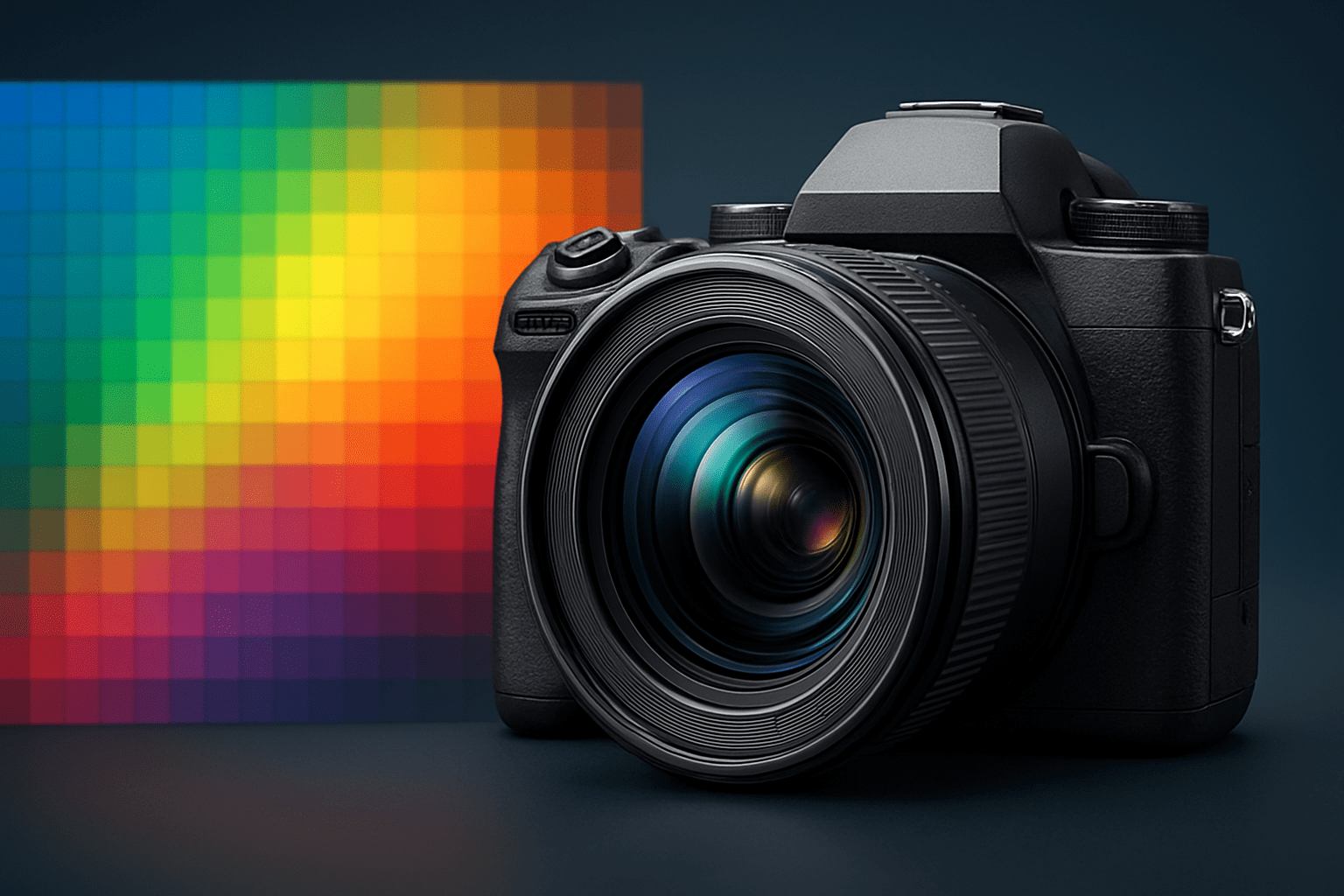
Megapixels (MP) simply count how many picture elements a sensor captures. One megapixel is about one million pixels, so a 24MP image holds roughly 24 million tiny squares of color and light.
You can calculate megapixels with a quick formula: megapixels = (width_px × height_px) / 1,000,000. For example, a 6000 × 4000 image equals 24,000,000 pixels, or 24MP.
There is a difference between native or effective megapixels and marketing numbers that promise more through interpolation or software. Native means the sensor physically records that many pixels in a single shot, while interpolated or stitched counts are created after the fact.
People focus on megapixels because more pixels give more detail, larger print sizes, and more room to crop. Remember, megapixels measure pixel count only; they do not automatically mean better color, low‑light performance, or dynamic range.
Highest Megapixel Cameras Available (answer to “what camera has the most megapixels”)
Quick answer: what camera has the most megapixels (As of October 2025)
Quick answer: for native single‑shot sensors the highest count is held by medium‑format backs around 150MP (Phase One-style 150MP backs). For multi‑shot systems the Hasselblad H6D‑400c MS and similar pixel‑shift rigs can produce up to 400MP effective images. These figures are current as of October 2025.
This distinction matters: native single‑shot megapixels are what the sensor captures in one exposure, while multi‑shot or pixel‑shift techniques combine multiple exposures to yield a much larger final image for static subjects.
Native single‑shot highest‑MP cameras
Native single‑shot leaders come from medium‑format backs and a few top mirrorless bodies. Medium format sensors that physically carry 100–150MP are used by Phase One, Hasselblad, and Fujifilm, and they shine for studio and landscape work where ultimate detail matters.
Examples you’ll see in this group are Phase One 150MP backs and Fujifilm GFX models with 100–102MP sensors. These cameras give enormous native files suitable for large prints and extreme crops without relying on pixel‑shift tricks.
Multi‑shot / pixel‑shift highest effective MP
Multi‑shot systems use the camera or back to shift the sensor or combine exposures to capture color and resolution beyond native limits. The Hasselblad H6D‑400c MS famously produces 400MP masters by stitching four or more shots together while keeping color and pixel precision.
Pixel‑shift yields stunning detail for static subjects like artwork or architecture, but it only works when nothing moves and lighting is stable. It’s not suitable for action, people, or windy scenes.
Smartphone and specialized sensors (brief sidebar)
Smartphones have pushed megapixel counts into the 100–200MP range using tiny sensors and heavy pixel binning. These are impressive for marketing and flexible cropping on phones, but the small physical sensor size limits low‑light performance compared with larger camera sensors.
Industrial and security cameras can also have very high pixel counts, but those sensors are designed for surveillance or machine vision and follow different tradeoffs in sensitivity and optics.
| Model | Native MP | Sensor size | Pixel pitch (µm) | Native resolution (WxH) | Single‑shot vs multi‑shot | Release year | Approx price range |
|---|---|---|---|---|---|---|---|
| Phase One IQ4 150MP (example) | ≈150MP | Medium format (≈53 × 40 mm) | ≈3.5–4.5 µm | ≈14,000 × 10,000 | Single‑shot (native) | 2018–2021 (series) | $30,000–$60,000+ |
| Fujifilm GFX 100 / 102MP bodies | 102MP | Medium format (43.8 × 32.9 mm) | ≈3.76 µm | 11,648 × 8,736 | Single‑shot (native) | 2019–2024 | $6,000–$13,000 |
| Hasselblad H6D‑400c MS | 100MP (native) → 400MP (multi‑shot) | Medium format (≈53 × 40 mm) | ≈4–6 µm | ≈11,600 × 8,700 native | Multi‑shot (up to 400MP) | 2016–2019 (variants) | $40,000–$85,000+ |
| Sony a7R V (full‑frame) | ≈61MP | Full frame (≈35.9 × 24 mm) | ≈3.7–3.8 µm | ≈9,504 × 6,336 | Single‑shot (pixel‑shift available on some bodies) | 2022–2024 | $3,000–$4,500 |
| Canon / Nikon 45MP bodies (R5 / Z8 family) | ≈45–46MP | Full frame (≈35.9 × 24 mm) | ≈4.2–4.3 µm | ≈8,192 × 5,464 (typical) | Single‑shot | 2020–2024 | $2,500–$6,000 |
| Smartphone 200MP sensors (various) | ≈100–200MP (pixel‑binned) | Small (≈1/1.3″ or smaller) | ≈0.6–1.0 µm native | Varies by phone; up to ≈16,000 × 12,000 | Single‑shot (native), heavy binning | 2020–2025 | Phone MSRP ranges widely |
Notes: the table above mixes rounded native specs and effective results to keep things readable. “Native” means the pixels recorded in a single exposure; multi‑shot/pixel‑shift entries show the higher effective final sizes those systems can produce for static scenes.
Why it matters: very high MP numbers create huge files, require fast cards and big storage, and usually target landscape, studio, or commercial work where every pixel counts. If you shoot people, sports, or low light, other factors often matter more than raw pixel count.
For a longer list and more model comparisons you can read a curated round‑up of the highest resolution cameras available today.
How Megapixels Affect Image Quality
More megapixels give more recorded detail at the same viewing distance and let you crop more aggressively while keeping print size. That extra resolution helps when you need very large prints or tight crops for commercial and landscape use.
However more pixels on the same sensor size usually mean smaller pixel pitch. Smaller pixels collect less light, which can raise noise and reduce low‑light performance unless the sensor design compensates with better circuitry or larger sensor area.
Lens resolving power also limits what extra pixels can capture; an optical system must be sharp enough to feed detail into the sensor. If your lens can’t resolve the detail, extra megapixels won’t help.
Practical print math is simple: print size (in inches) = pixel dimension ÷ DPI. For example, a 6000px wide file at 300 DPI makes a 20‑inch wide print, and the same file at 150 DPI prints at 40 inches wide.
Print‑size cheat‑sheet: a 24MP file (6000 × 4000) at 300 DPI prints about 20 × 13.3 inches; at 150 DPI it prints 40 × 26.7 inches. A 45MP file (≈8192 × 5464) at 300 DPI prints roughly 27.3 × 18.2 inches. A 100MP file (≈11,648 × 8,736) at 300 DPI prints about 38.8 × 29.1 inches.
When extra megapixels matter: landscapes, high‑end product shots, archival art reproduction, and commercial billboard work. When they don’t: action, fast wildlife, and low‑light handheld shooting where frame rate, autofocus, and high‑ISO noise control win out.
Factors Influencing Image Quality Beyond Megapixels
Sensor size and pixel pitch shape noise characteristics and dynamic range; larger sensors with larger pixels usually give cleaner images in low light and better range between shadows and highlights. Don’t judge a sensor only by its MP number.
Lens quality is critical. A high‑MP sensor needs a lens with high resolving power and good corner performance to make the most of those pixels. Cheap glass will bottleneck a high‑resolution body every time.
Processing also matters: dynamic range, bit depth, demosaicing, and noise reduction algorithms shape final image quality. A well‑tuned RAW converter will often unlock more usable detail than raw megapixel numbers alone suggest.
Capture technique and hardware affect results too — stable tripod use, accurate focus, mirror lockup or electronic first‑curtain shutter, and good lighting. Your workflow must handle large files: fast cards, NVMe SSDs, a multi‑core CPU, and 32GB+ RAM for smooth editing of big RAW files.
For recommended software, Capture One and Adobe Lightroom are standard choices that support large files and advanced color control, while some manufacturers provide vendor RAW tools that preserve maximum detail for their sensors.
If you plan to buy a high‑MP body, match it with sharp lenses, a strong tripod, and a workstation capable of handling 100+MB RAW files easily.
High‑Megapixel Cameras for Specific Uses
Landscape and fine‑art printing: aim for 50–150+MP on medium format or high‑res full‑frame bodies to get huge prints and fine detail. Prioritize sharp wide‑angle lenses and tripod technique over frame rate.
Studio and product work: high MP or pixel‑shift systems help with texture capture and retouching. A stable studio environment and tethered capture make multi‑shot methods very effective.
Travel, street, and general photography: 20–45MP often strikes the best balance of resolution, file size, and low‑light ability. For sports and wildlife lean toward 20–45MP bodies with fast autofocus and high fps instead of chasing pixels.
Quick buyer checklist: ask if you need extreme crops or poster‑sized prints, whether you can store and process huge files, and if you need speed and autofocus over peak resolution. If you want mirrorless high‑res options, see this short list of high-resolution mirrorless favorites from pros.
For a broader buying guide that includes high‑end models across categories, consult a roundup of the best high-end cameras to match use case with megapixels and performance.
What People Ask Most
What camera has the most megapixels?
The highest-megapixel cameras are specialized high-resolution models used mainly by professionals, and they’re best when you need very large prints or lots of cropping.
Does more megapixels always mean better photos?
No. Megapixels affect how much detail you can capture, but sharpness, color, and low-light performance are also key to photo quality.
How do high-megapixel cameras help when printing large photos?
They let you print bigger images with more visible detail and allow more cropping while keeping the picture clear.
Will a high-megapixel camera fix blurry or out-of-focus shots?
No. Blurriness usually comes from poor focus, motion, or camera shake, not from the megapixel count.
Are high-megapixel cameras harder to use for beginners?
They can create larger files and require more careful handling, but basic shooting skills and composition matter more than megapixel numbers.
Do I need a lot of megapixels for social media or online photos?
No, most social platforms compress images, so moderate megapixels are sufficient for posting and sharing online.
Can a smartphone with many megapixels replace a dedicated high-megapixel camera?
Smartphones are excellent for everyday use, but dedicated high-megapixel cameras usually offer better control and higher-quality prints.
Final Thoughts on Megapixels and Camera Choices
If you’ve wondered whether sheer pixel count is the ticket to sharper photos, this guide walked through the basics and the big players — even touching on extreme numbers like 270 — and showed what those figures actually buy you. Higher resolution gives you cleaner large prints, dramatic crop latitude, and more headroom for retouching, which is the core benefit in plain words. Just remember the realistic catch: huge megapixel bodies demand top‑tier glass, steady technique and powerful storage/workstations, and they won’t magically fix poor low‑light or motion problems.
We also clarified the difference between native single‑shot sensors and multi‑shot or pixel‑shift methods, and pointed readers toward the right ranges for landscapes, studio, travel and action so you can match gear to goals. If you focus on the use case — whether huge gallery prints or fast wildlife frames — you’ll get the most from your kit without chasing numbers alone. So keep experimenting, pair sharp lenses with solid technique, and enjoy seeing what higher detail can reveal in your photography.


0 Comments