

Why am I camera shy? This short guide will explain the real reasons and show simple steps you can try today.
People are camera shy for many reasons: psychological fears, physical reactions, negative self‑talk, awkward situations, or simply not knowing camera tricks. We will break these down so you can spot which one fits you.
You will get a quick self‑check and journaling prompts to find your triggers. Then we cover pre‑shoot prep, on‑set warm‑ups, pose cheats, photographer scripts, and a practical 4‑week practice plan.
If camera shyness is holding you back, we also point to when to seek professional help. Keep reading for easy, practical steps to feel more natural in photos and videos.
Why Do People Feel Camera Shy?
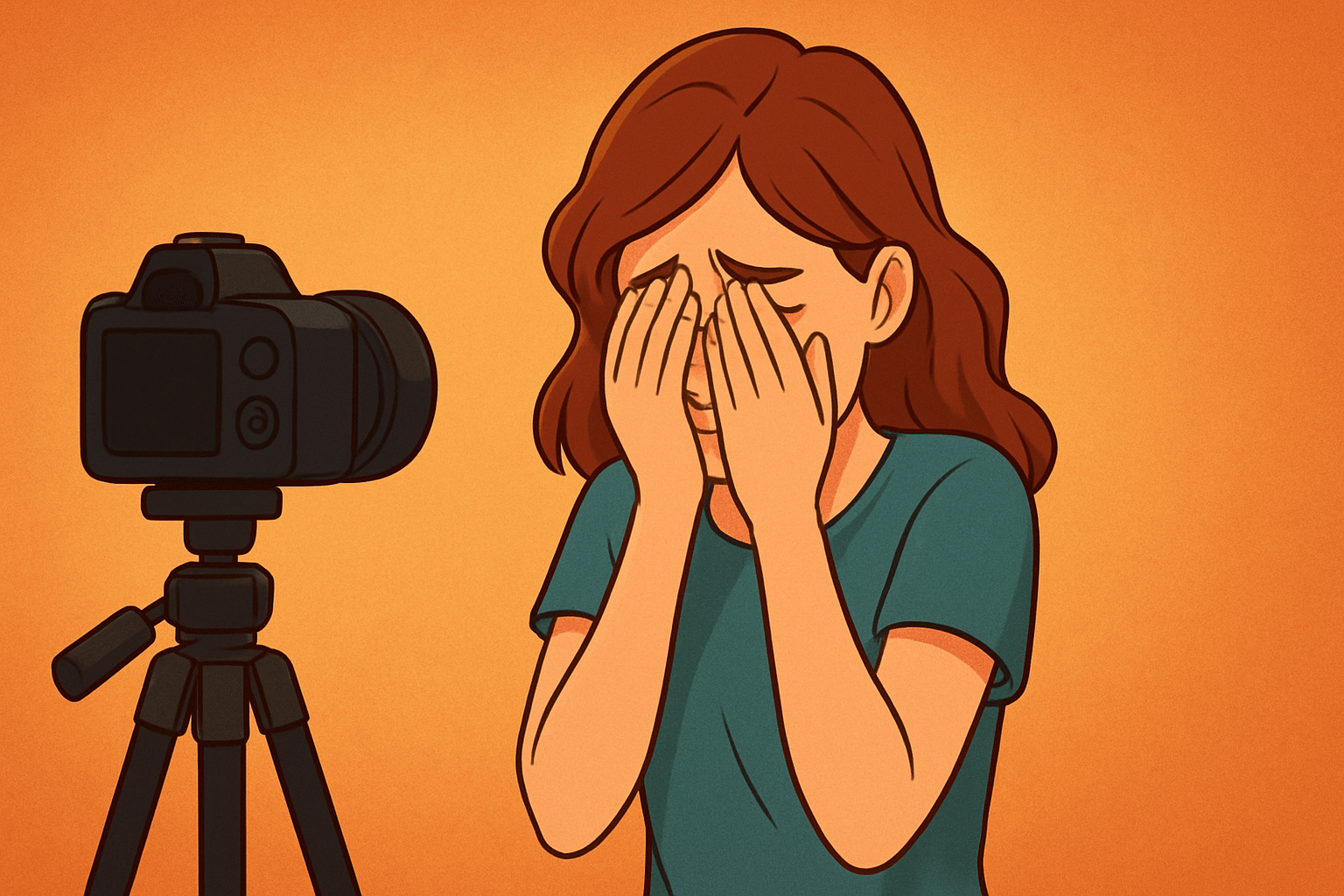
If you often wonder, why am i camera shy, you are not alone. Most people feel this way because being photographed feels like being judged in real time.
Psychological reasons are common, like fear of negative evaluation, perfectionism, and body image worries. If you believe every photo must be flawless, the pressure grows fast.
Your body also joins the moment with fight‑or‑flight signs like blushing, shaking, or a tight jaw. These signals can make you feel more exposed and out of control.
There are cognitive traps, too, such as harsh self‑talk and scary mental pictures of how a photo will turn out. Situations like bad past photos, a teasing comment, or social media exposure can make stepping in front of a lens feel risky.
Technical gaps add to the nerves because you may not know how to pose or what the camera really sees. For extra reassurance and simple habits, you can skim some practical on-camera tips and then use the exercises below.
Identify Why You’re Camera‑Shy
Start with a simple score from 1 to 10 for a few triggers to locate the biggest driver. Rate fear of judgment, comfort with your body in photos, and how much past photo experiences still sting.
Also rate whether you avoid cameras across many settings or only in big groups. Note if you are an introvert who needs warm‑up time or if you feel true social anxiety.
Try tiny experiments in private and watch your reactions. Record a 30‑second video on your phone, then check your heart rate, breathing, and thoughts as you watch it back.
Do a mirror minute where you hold eye contact with yourself, then try one selfie and observe your self‑talk. Ask a friend to take a single candid photo, and notice if your tension rises before or after the click.
Use quick journaling prompts to find the roots. Write about your first memory of being photographed, the worst comment you remember, and what you imagine people think when they see your photos.
If the anxiety spills into work, school, or relationships, consider professional help. Therapies like CBT and exposure work teach you to challenge thoughts and build comfort step by step.
Pre‑Shoot Preparation
Preparation starts the day before with sleep, hydration, and a balanced meal. Plan grooming that feels like you, such as clean hair, moisturized skin, and simple nails.
Choose clothes that fit well and let you move. Solid colors or gentle textures work better than tiny patterns, and bring a backup top in a second tone.
Set a mental tone with a one‑minute visualization of a calm shoot. Repeat a short line like “I can do this, one frame at a time,” and cue up a two‑song playlist that lifts your mood.
For photographers, shape the tech to be kind. Use a longer focal length like 50–85mm, a flattering aperture around f/2.8–f/4, and soft, diffused light from a window or a large modifier.
Keep the camera at or just above eye level and give your subject space by shooting from a comfortable distance. Start with light movement or candid frames, and show a few quick previews to spark trust.
Pick an easy environment, such as a familiar room with privacy and a small crew. Begin with a short session of 15–30 minutes and pause often to reset nerves.
Create a smartphone routine for one week to build momentum. Use a timer or remote and practice five expressions for two minutes per day, then save your favorites to a private “progress” album.
Quick wins can change the feel of a shoot right away. Breathe in for four, out for eight, turn your body 45 degrees, hold a small prop, and take a short video instead of a still to warm up.
If you want a compact refresher from a working portrait pro, this guide can help you overcome being camera shy and feel more prepared.
Overcoming Camera Shyness
Begin every session with a five‑minute warm‑up to lower tension and soften expressions. Walk slowly, shake out your hands, and chat casually about your day.
Use grounding when nerves spike by pressing your feet into the floor and feeling your weight. Try 4‑4‑8 breathing: inhale for four, hold for four, exhale for eight, and repeat three times.
Give your hands a job so your mind has one less thing to watch. Hold a cup, adjust a jacket, rest a thumb in a pocket, or touch a necklace or watch.
Let movement create natural expressions. Walk toward the camera then away, look off and back, hum a tune, or tell a two‑sentence story while the shutter clicks.
Lean on a few pose anchors whenever you feel stiff. Turn your body 45 degrees to the lens, place weight on the back leg, glide the chin slightly forward, and keep the jaw soft.
Begin with video or burst mode to remove the “one perfect frame” pressure. Review a contact sheet afterward and pick the frames that look most like you.
Run a sample six‑minute warm‑up you can follow exactly. Minute 0–1: slow shoulder rolls and deep breaths; minute 1–2: small side‑to‑side steps with a gentle smile.
Minute 2–3: hold a prop and rotate 45 degrees, then half‑turn back. Minute 3–4: look down, exhale, and look up on the exhale; minute 4–5: take five short steps toward the lens, then laugh on the last step.
Minute 5–6: pause for preview, name one thing you like, and repeat the best movement once. This sequence builds momentum without forcing a fake grin.
Use tiny mindset shifts to reduce avoidance. Say, “I’ll try three photos and then decide,” or “I only need one frame I like today.”
Follow a four‑week progressive plan with measurable goals to turn practice into confidence. Week 1 is mirror work and ten selfies saved to a folder; aim to star three that feel genuine.
Week 2 is three 30‑second private videos focusing on posture and breath, with one favorite saved. Week 3 is one small‑group photo with friends plus five candid shots where you keep moving.
Week 4 is a 15‑minute outdoor portrait in soft shade, with five favorite frames chosen the same day. Track mood before and after each session to see the curve change over time.
Photographers can guide with reassuring words that lower pressure. Try “You’re doing great,” “We can go slow,” “We’ll keep only what you love,” “I’ll coach you step by step,” and “We can pause anytime.”
Prompt natural micro‑movements that photograph beautifully without feeling fake. Smooth your jacket, roll shoulders once, shift weight, tuck hair, glance down then back, exhale a smile, step in and stop, touch a watch, squeeze the thumb lightly, and turn half a step.
If intense fear persists, talk to a therapist who specializes in social anxiety. Ask about CBT or structured exposure for photo situations, and practice between sessions with simple goals.
For extra practice ideas and gentle reassurance, browse this guide to camera shyness and add one new habit this week.
Building Confidence in Front of the Camera
Confidence grows when small wins are captured and reviewed. Take one selfie a day or a two‑minute video log, then save your favorites to a private progress folder.
Learn a skill that lets you see both sides of the lens. A short acting or improv class, a beginner modeling workshop, or a portrait‑photography course builds empathy and control.
Collect a “confidence portfolio” of ten images that feel like your real self. Look at this set before a shoot to remind your nervous brain that good photos already exist.
Craft a social plan with safe people and low‑stakes sessions. Work with a trusted friend or photographer, do short shoots in familiar places, and grow the audience slowly before posting publicly.
Keep a maintenance kit for nerves: your warm‑up routine, two reliable outfits, and three cues like “breathe out,” “turn 45 degrees,” and “hands busy.” If you still ask why am i camera shy on hard days, revisit your folder, repeat week‑one exercises, and remember progress is never perfectly straight.
Create a simple pose cheat‑sheet you can visualize on the spot. Use standing 45 degrees with weight back, seated lean forward with long spine, a candid laugh on the exhale, a slow walk with eyes to the side, and a gentle over‑shoulder glance.
Plan visuals that celebrate your growth even without posting them yet. Capture behind‑the‑scenes warm‑ups, try a before‑and‑after series across a month, add a few annotated pose photos for reference, and record a short video demonstrating your favorite movement prompts.
When doubt returns and you wonder why am i camera shy again, treat it like weather, not identity. Return to the routine, choose one easy win, and let the next good frame remind you how far you’ve come.
What People Ask Most
Why am I camera shy?
Many people feel nervous because of self-consciousness, fear of judgment, or lack of experience. These feelings are normal and common.
Is being camera shy the same as shyness in social situations?
They can overlap, but camera shyness is often specific to being seen or recorded while social shyness happens in person. You might feel fine in one setting and uncomfortable in the other.
Can practice help me stop being camera shy?
Yes, regular practice builds confidence and reduces awkwardness over time. Start with short recordings and review them kindly.
Do camera settings or makeup really matter for camera shyness?
Good lighting and simple grooming can boost your confidence, but they won’t fix underlying nerves by themselves. Work on mindset and preparation first.
Are there common mistakes that make camera shyness worse?
Focusing only on flaws, avoiding any camera exposure, or comparing yourself to others can deepen anxiety. Small, positive steps are more helpful.
How can I calm my nerves right before being on camera?
Try deep breaths, a quick warm-up like smiling or speaking out loud, and remind yourself of one clear message to share. These actions can steady your voice and posture.
When should I seek professional help for camera shyness?
If camera anxiety prevents you from work, school, or important opportunities, talking with a coach or therapist can help. They can teach practical strategies and coping skills.
Final Thoughts on Feeling Camera-Shy
If you tried the checklist and short drills — even the 270-second warm-up — you’ve already taken practical steps toward feeling less exposed and more in control. We aimed to turn that vague panic into clear causes and tiny, repeatable moves that build genuine ease over time, so you can focus on presence instead of perfection.
Rather than promising instant confidence, the real win here is a steadier presence and photos that feel like you — not a performance. You began by asking why people feel camera‑shy, and this piece traced the psychological, physiological, situational, and technical causes before giving step‑by‑step practices — from quick on‑set tricks to a four‑week exposure plan — to change how you show up, especially if you’re an introvert, someone sensitive to judgment, or a photographer helping others.
Keep using small practices — mirror minutes, short videos, and brief shoots — to stack wins that stick, review your “confidence portfolio” when doubts pop up, and lean on trusted collaborators. With patience and these tools, the camera will start to feel like someone helping you tell your story, not a judge, and those awkward first frames will become memorable stepping stones.


0 Comments