
Want to capture the kind of cinematic aerials that make guests stop and stare?
Picking the right drone does more than add drama — it protects timing, safety, and memories.
This guide compares five top drones chosen for wedding photography.
It cuts through hype with practical tests and on-the-job feedback.
You’ll find comparisons focused on image quality, portability, flight time, and handling in real venues.
We look beyond specs to real-world results.
Expect honest takeaways about how drones behave in wind, tight spaces, and around guests.
We also weigh ease of use for fast-paced weddings and how quickly you can deploy between shots.
Weddings demand discretion and safety.
This guide addresses noise, obstacle avoidance, and workflow tips that keep ceremonies undisturbed.
I include practical advice for shooting in crowded venues and managing flight paths.
Legal and operational basics are covered too.
You’ll get clear guidance on commercial certification, permissions, and vendor expectations.
There’s also a section on battery management so you don’t miss key moments.
At the back are FAQ and quick decision tips.
Whether you’re a solo shooter or part of a team, this guide helps match gear to style and venue.
Ready to make lift-off decisions with confidence?
1. DJI Mavic 3 Pro for Weddings

DJI Mavic 3 Pro with DJI RC
Professional drone delivering cinematic image quality, triple-camera versatility, long flight time, and integrated controller for precise, reliable aerial filmmaking.
Check PriceThe DJI Mavic 3 Pro is a go-to for high-end wedding work when image quality and versatility matter most. Its three-camera Hasselblad system (24mm wide, 70mm medium tele, 166mm tele) lets you capture everything from sweeping venue overviews to intimate, close-in portrait moments without constantly repositioning the drone.
With a 46-minute flight time you get real flexibility during key moments — fewer battery swaps and less risk of missing a shot. MasterShots mode helps you pull off quick, cinematic sequences when you don’t have a dedicated second operator or need reliable automated framing.
In practice this drone is very stable in windy conditions and has robust obstacle avoidance, which is a huge relief at busy venues with trees, arches, or guests. That combination of stability and smart sensors makes it well suited for complex environments where safety and smooth motion are non-negotiable.
Be realistic about the trade-offs: it’s larger and heavier than compact models, so hauling it between locations all day can be tiring. Also, switching between the three focal lengths and dialing in the best settings takes practice — you’ll want to spend time learning the camera behaviors to avoid surprises during a live ceremony.
If you prioritize cinematic quality, multi-focal flexibility, and dependable flight performance for high-end weddings, the Mavic 3 Pro is an excellent choice. If you need ultra-portability or a plug-and-play simplicity, consider whether the extra size and complexity are worth it for your workflow.
- Hasselblad image quality with 24mm, 70mm, 166mm options
- 46-minute flight time
- MasterShots cinematic automation
- Stable in wind with robust obstacle avoidance
- Larger size/weight — cumbersome to transport
- Switching camera settings between lenses requires learning
2. DJI Air 3S for Weddings

DJI Air 3S RC-N3
Compact powerhouse with advanced sensors, responsive connectivity, intuitive flight modes, and stable handling for stunning travel and landscape photography.
Check PriceAs a wedding photographer I look for a drone that balances image quality, flight time, and ease of use — the DJI Air 3S ticks most of those boxes. It packs dual-primary cameras (wide-angle and medium telephoto) and captures 48MP photos plus 4K/60fps video, which gives you flexibility for both sweeping venue shots and tighter couple portraits from the air.
Battery life is excellent for real weddings. With up to 45 minutes flight time you can capture key moments across the day with fewer battery swaps, which keeps you covered during first looks, portraits, and the early part of the reception.
Safety and tracking matter around guests and wedding decor. The Air 3S offers omnidirectional obstacle avoidance and SmartTrack, making it safer to fly around groups, while FocusTrack and Free Panorama simplify creative framing without constantly fiddling with controls.
It’s also a good pick for evening events. Night Mode helps you get usable aerial footage as light drops, while the Air 3S’s portability makes it easy to move between ceremony and reception sites without hauling a large kit.
For photographers who want pro-level results without the size and complexity of flagship cinema drones, this is a versatile alternative. It’s praised for photo and video quality relative to its price and size, but expect a slight learning curve if you’re used to entry-level quadcopters.
- 48MP photos
- 4K/60fps video
- Up to 45 minutes flight time
- Omnidirectional obstacle avoidance & SmartTrack
- Photo quality not quite top-tier vs Mavic 3 Pro
- Slightly more complicated than beginner drones; requires piloting skill
3. DJI Mini 4 Pro for Weddings
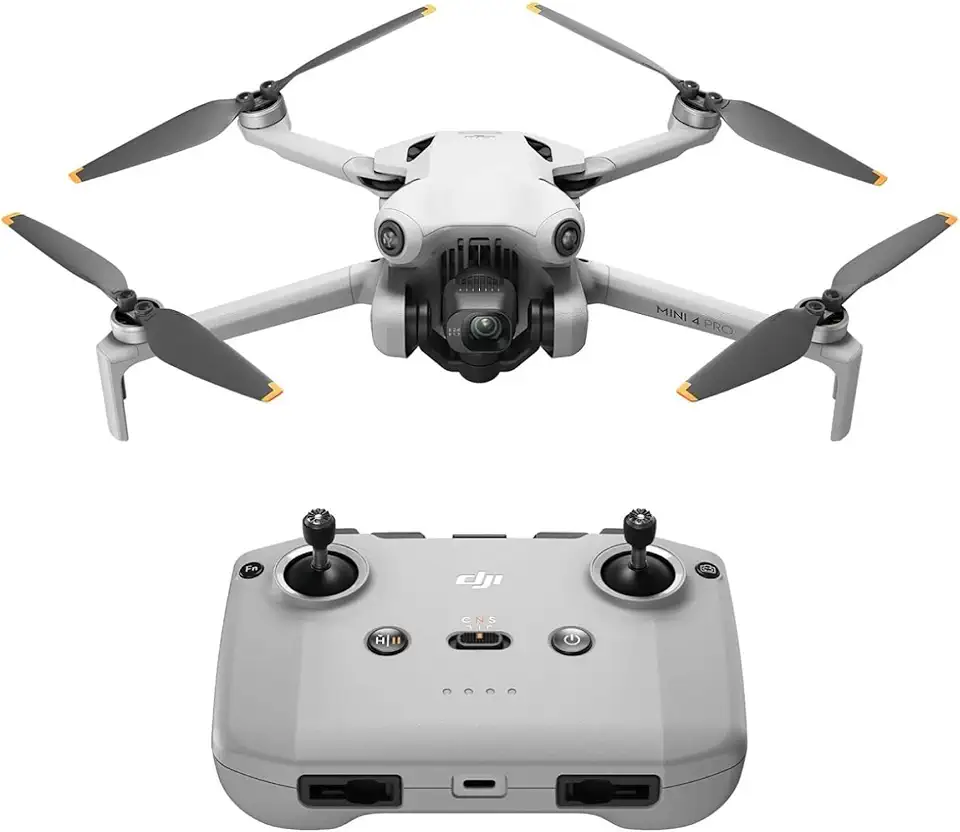
DJI Mini 4 Pro RC-N2
Featherlight design offering pro-level video, enhanced obstacle sensing, and smooth stabilization—perfect for on-the-go creators and effortless content capture.
Check PriceAs a wedding photographer who travels light, the DJI Mini 4 Pro is the kind of tool I reach for when I need fast, unobtrusive aerials. It weighs under 249g, so it slips into a bag easily and often avoids heavier regulatory hassles while you’re hustling between venues.
Don’t let the size fool you—the Mini 4 Pro shoots 4K/60fps video and 48MP photos, which are sharp enough for ceremony highlights and venue overviews with only minor editing. Its quiet, discreet operation makes it ideal for capturing vows or first dances without distracting guests.
Safety and reliability matter on a crowded wedding day. The drone’s omnidirectional obstacle avoidance and ActiveTrack give you confidence when flying around people and decor, and setup is fast so you can deploy it for key moments without interrupting the flow.
Where it falls short is endurance: you’ll get up to 34 minutes per battery, which is very good for a micro drone but still means planning battery swaps for longer coverage or full ceremony-to-reception shoots. It’s easy to fly and great for travel and quick aerials, but not the best option if you need extended continuous aerial coverage for an entire event.
If you want a lightweight, high-quality, and discreet drone for quick aerials and travel-heavy wedding work, the Mini 4 Pro is a strong choice. If your typical job needs long on-site flight time without swapping batteries, consider that limitation.
- Extremely portable and discreet
- 4K/60fps video and 48MP photos
- Omnidirectional obstacle avoidance & ActiveTrack
- Fast, simple setup for quick aerials
- Shorter flight time than larger drones (up to 34 minutes)
- Lens protective cover can be fiddly
4. DJI Mavic 4 Pro for Weddings

DJI Mavic 4 Pro with DJI RC 2
High-performance aerial platform with superior imaging, extended range, responsive controller, and robust flight stability for professional photographers and filmmakers.
Check PriceAs a wedding photographer, I look for a drone that delivers clean, cinematic images without constant fuss. The DJI Mavic 4 Pro is exactly that kind of tool — a premium performer built around a 3-camera system that gives you real creative flexibility on the fly.
The main camera is a 25MP 4/3 sensor for wide, detailed captures, and it’s paired with two telephoto lenses (one 12MP and a smaller-sensor telephoto) so you can change framing without repositioning the aircraft. In practice this means fast transitions from venue overviews to intimate close-ups of the couple, keeping you unobtrusive during vows and portraits.
Battery life is exceptional — up to 51 minutes — which translates to fewer swaps and more coverage across a ceremony and reception. The drone is heavier (~1kg), but that weight contributes to excellent wind stability and confident tracking in breezy outdoor settings.
Obstacle avoidance here is top-notch and the Mavic 4 Pro also performs well in low light, both important for late-evening dances or sunset portraits. Be mindful that the different sensors behave slightly differently; switching lenses requires a little attention to exposure and color consistency so your final edits match.
Overall, if you want a single aerial platform that handles extended coverage, varied focal lengths, and challenging lighting, this is a strong choice. It’s less about weekend hobby flying and more about delivering consistent, high-quality wedding imagery — provided you can manage the size and the regulatory/price considerations.
- 3-camera system (25MP 4/3 + two telephotos)
- Up to 51 minutes flight time
- Excellent wind stability and obstacle avoidance
- Parallel charging for fast battery turnover
- Larger size/weight (~1kg) reduces portability
- Higher price and C2 regulatory classification
5. DJI Mini 3 Pro for Weddings

DJI Mini 3 Pro with DJI RC
Ultra-light camera drone delivering exceptional image quality, vertical shooting, intelligent obstacle avoidance, and user-friendly controls for seamless social content creation.
Check PriceThe DJI Mini 3 Pro is a wedding photographer’s little workhorse when you need fast, unobtrusive aerials. It’s compact and lightweight (under 249g), so it’s quick to unpack and launch between cocktail hour and the first dance.
Image-wise it punches above its size: a 12MP native sensor with 48MP interpolation and the ability to shoot RAW (DNG) gives you files that respond well to minor edits. In practice you’ll get sharp photos and pleasant color rendering that fit nicely into albums and highlight reels.
Battery life is around 34 minutes, which is generous for single-shot moments but not enough to cover an entire ceremony or reception on one battery. Keep that in mind if you plan long continuous coverage; it’s best used for venue overviews, guest group shots, and signature cinematic moments rather than full-event aerials.
It’s easy to fly and streamlined for crowded or tight settings, and guests barely notice the quiet operation—great for staying discreet during vows. The only recurring gripe is the fiddly protective lens cap, which can slow quick deployments if you’re juggling gear and timing.
For most wedding shooters who want a highly portable drone that delivers professional-looking stills without fuss, the Mini 3 Pro is an excellent choice. If you need long continuous flight or want to cover every minute from the air, pair it with extra batteries or consider a different setup.
- Under 249g — ultra portable
- 12MP sensor with 48MP interpolation (shoots RAW DNG)
- Easy, quick operation for tight or crowded venues
- Quiet, discreet flight minimizes disturbance
- ~34 minutes battery not ideal for full-event coverage
- Protective lens cap is fiddly to handle
How to Get Your Drone License
If you plan to fly for paying clients, treat the FAA Part 107 certificate like a business card — essential and non-negotiable. In practical terms you’ll need an FAA Tracking Number (FTN) through IACRA, then schedule and pass the FAA aeronautical knowledge test at an approved testing center. The exam checks you on airspace rules, weather, emergency procedures and safety protocols, so take it seriously: it’s designed to prove you can operate safely around people and busy venues.
I recommend a focused study plan rather than cramming. Use the FAA’s study guide, online practice tests, and a couple of reputable prep courses that offer practice exams similar to the real thing. Spend time on airspace classification and reading sectional charts — that’s where most folks trip up. You’ll also want to learn the basics of NOTAMs, weather briefings, and how to calculate performance impacts from wind and temperature; those details matter at weddings when you’re juggling timing and guest safety.
Getting certified protects you legally and helps you win trust from couples and venues. Many locations require proof of licensure and insurance before you fly, and carrying commercial liability coverage should be part of your offering. Remember: even sub‑250g drones used for paid work fall under Part 107, so don’t assume “small” equals exempt.
Practically, expect the whole process to take a few weeks depending on testing availability and how much you study. After you pass, keep your knowledge current — the FAA requires periodic refresher training or re‑testing to stay compliant. Join local UAS groups or wedding photographer forums; they’re great for real‑world tips like etiquette around ceremonies, venue rules, and how to present your license and insurance professionally to clients.
Maximize Drone Battery Life
Battery life is one of those behind-the-scenes things that makes or breaks a wedding shoot. As a pro, I never rely on a single battery; instead I plan flights around key moments—ceremony exit, first kiss, couple portraits—so each battery gets used for high-value shots rather than long aimless hovering.
Bring more batteries than you think you need. For most weddings I carry three to five batteries depending on the drone: smaller minis might give 30–34 minutes per battery, while pro models can stretch into the 45–50 minute range. That extra endurance buys flexibility and fewer interruptions during emotional, time-sensitive moments.
Charge management is crucial. Use a quality multi-bay charger or parallel charging hub to turn batteries over quickly, and keep them topped to around a 50–60% storage level if you won’t use them immediately. In cold weather warm batteries before flight and in hot conditions keep them shaded; temperature swings can cost you 10–20% of your usable time.
Fly conservatively to conserve power. Smooth, predictable movements and planning reduce aggressive throttle which drains batteries faster. Avoid fighting heavy winds or carrying unnecessary payloads; a heavier drone or strong breeze will chew through minutes fast.
Set conservative thresholds on return-to-home and battery warnings. I land with at least 25–30% remaining to give myself a safety margin for unexpected wind or a detour. Also log cycle counts and retire batteries that show rapid capacity drop—battery health matters as much as raw capacity.
Finally, use the right drone for the job. If you need long continuous coverage choose a model with proven endurance and quick charging support; if you’re sneaking shots during a ceremony, a lightweight mini is quieter and less intrusive but plan for more swaps. Good battery discipline keeps you in the air for the moments that matter most.
What People Ask Most
What is the best drone for wedding photography?
The best drone depends on your priorities, such as image quality, portability, and flight endurance. Choose a model that balances sharp footage, reliable obstacle avoidance, and ease of use for the types of shots you plan to capture.
Which drone features are most important for wedding photography?
Prioritize sensor and lens quality for good images, stable flight and obstacle avoidance for safety, and battery life for uninterrupted coverage. Portability and quiet operation are also important to minimize disruption during the event.
What camera settings should I use for drone wedding photography?
Use manual exposure control and shoot in a high-quality file format to retain editing flexibility, set shutter and ISO to match ambient light and motion, and keep white balance consistent for matching footage. Test and adjust settings before key moments to ensure reliable results.
Do I need a license or certification to fly a drone at a wedding?
Yes, commercial drone operation typically requires certification; in the United States this is the FAA Part 107. Holding the proper certification helps you comply with regulations, meet venue requirements, and demonstrate professional responsibility.
Are drones allowed at wedding venues and churches?
Permission varies by venue and by local rules, so always check with the venue and event organizers before flying. Some locations restrict drone use for safety, privacy, or insurance reasons, so secure written approval and confirm any venue policies in advance.
How do I capture cinematic wedding drone footage?
Plan your shots and use slow, smooth movements with stable gimbal control to create a cinematic feel, and frame subjects thoughtfully to tell the story. Combine preplanned approaches with a few creative moves while keeping safety and guests’ comfort in mind.
How do I choose a drone for aerial wedding photos and videos?
Match the drone to your workflow by balancing image quality, flight time, safety features, and portability for the events you cover. Also consider ease of operation, the availability of spare batteries, and whether the drone meets venue and regulatory requirements.
Conclusion for Best Drone for Wedding Photography
Choosing the right drone comes down to balancing image quality, portability, flight time and venue constraints so your kit supports the day without getting in the way.
If you fly commercially, secure proper licensing (such as FAA Part 107 in the U.S.) and appropriate insurance to protect your business and the couple you’re serving.
Plan battery management, backups and flight windows so you capture key moments reliably without unexpected interruptions.
Prioritize workflows and settings that minimize disturbance to guests while delivering consistent, high-quality aerial shots that enhance the wedding story.
If you want to sharpen those skills and workflows, read more articles on the site for practical tips, planning checklists and real-world advice.
Leave a comment with your questions or experiences below and we’ll usually reply within a few hours.



0 Comments