
How to wash microfiber lens cloth so it stays soft and keeps your lenses streak‑free?
This short guide shows simple, step‑by‑step hand and machine methods. It also covers what to use, what to avoid, and safe drying tips.
You’ll get clear numbers like soak 5–10 minutes, use a mesh bag, and an optional 1/4–1/2 cup vinegar rinse to strip residue. The guide explains why no fabric softener, bleach, or high heat is a must.
Follow these tips to keep cloths absorbent and scratch‑free. Read on for quick fixes, troubleshooting, and signals that it’s time to replace a worn cloth.
How to wash microfiber lens cloth (step‑by‑step)
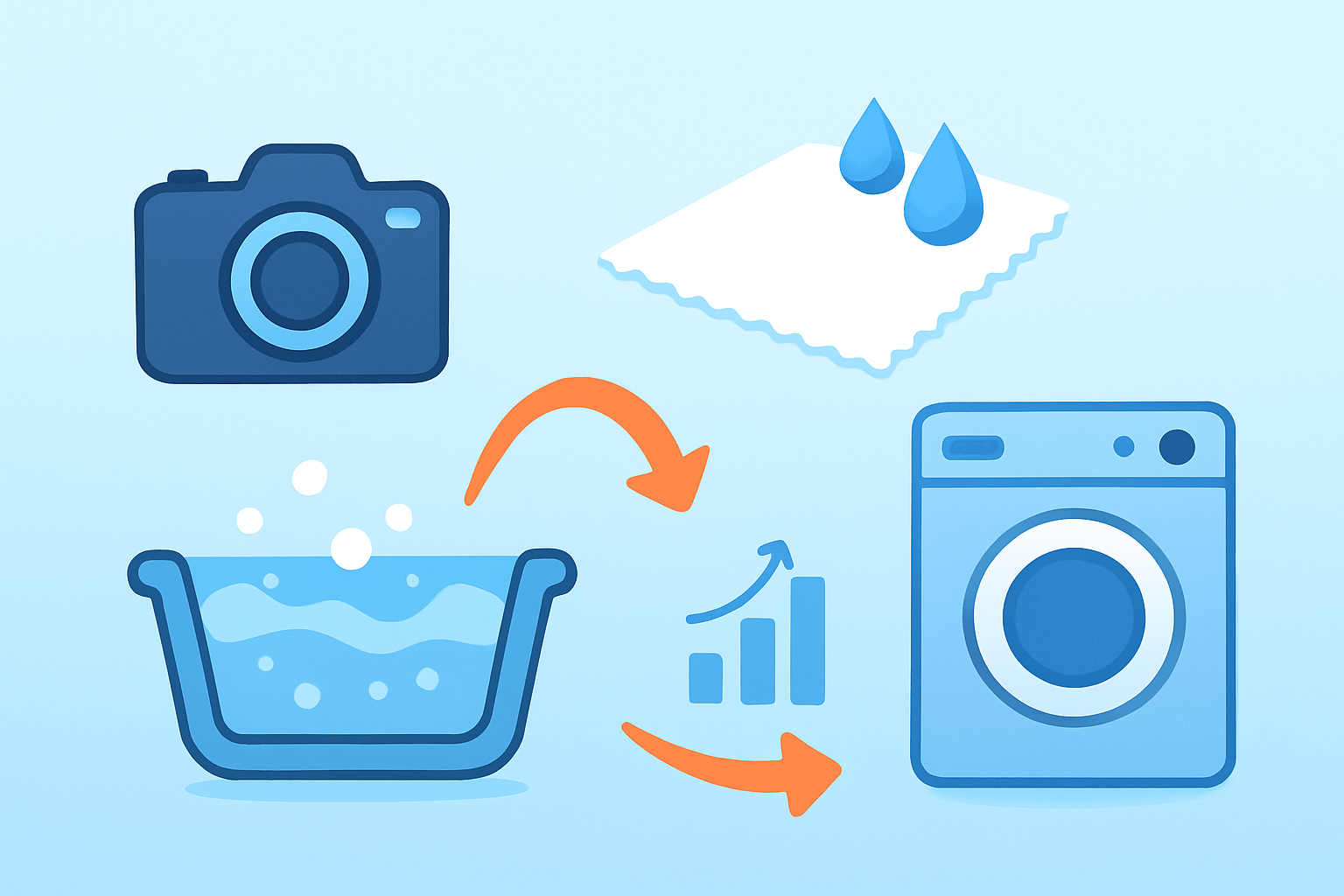
TL;DR: Handwash or machine‑wash gently with a mild detergent, never use fabric softener, and air‑dry or tumble on low.
If you came here wondering how to wash microfiber lens cloth like a pro, you’re in the right place. The process is simple, but small details make a big difference in how clean your lenses look and how long your cloth lasts.
Hand‑wash Step 1: Fill a clean bowl or basin with warm water, about 85–100°F or 30–38°C. Add 1–2 drops of grease‑cutting dish soap or about 1/2 teaspoon of mild liquid laundry detergent, then swirl to mix.
Hand‑wash Step 2: Submerge the cloth and soak for 5–10 minutes to loosen skin oils and grit. After soaking, gently rub the fabric against itself, focusing on the corners and edges where smudges collect.
Hand‑wash Step 3: Rinse under cool running water until the water runs clear and no suds remain. Hand‑wash Step 4: Squeeze water out gently from the center toward the edges; do not wring hard, which can stress the fibers, and then lay flat on a clean towel or hang by a corner to dry.
Machine‑wash Step 1: Place the cloth in a mesh laundry bag or a clean pillowcase to prevent snagging. Wash only with other microfiber or lint‑free items, never with cotton towels, and aim for a small load so the drum is at most half full.
Machine‑wash Step 2: Choose the gentle or delicate cycle with cool or warm water, not hot. Use a small amount of liquid detergent, about 1 teaspoon for a few cloths or up to 1 tablespoon for a half‑load, and avoid powdered detergents that can leave particles behind.
Machine‑wash Step 3: For residue removal, add 1/4 cup white vinegar to the rinse compartment to strip buildup. Remove the cloth promptly and air‑dry or tumble on low, and for a deeper dive you can peek at these washing steps as a reference.
Important cautions are simple to remember. Do not use hot water, bleach, or fabric softener, do not iron, and do not wash with linty fabrics because lint clings to the cloth and will transfer to your lenses.
If the cloth smells or is heavily soiled, pre‑soak it for 15 minutes in warm water with two drops of dish soap, then wash again. If it still feels slick or streaky, repeat the wash with the vinegar rinse to strip stubborn residue.
Quick fix for handwash: Fill a bowl with warm water, add a single drop of dish soap, soak 5 minutes, rub lightly, rinse clear, squeeze gently, and air‑dry.
Quick fix for machine: Bag the cloth, delicate cycle with warm water, one teaspoon liquid detergent, optional 1/4 cup vinegar in the rinse, then tumble low or air‑dry.
If you like visuals, shoot a tiny photo set to guide yourself next time: a “before” of the smudged cloth, the soak step, the mesh bag in the washer, and the clean cloth stored in a case.
Preparation: what to use and what to avoid
Preparation protects your lenses and the cloth itself. By removing grit and choosing the right cleaner, you avoid abrasion, keep fibers open, and prevent residue that causes streaks.
Use a mild liquid laundry detergent, ideally a clear “free and clear” formula without dyes or perfumes. For oily residue, a drop or two of grease‑cutting dish soap works beautifully, and microfiber‑safe lens cleaners are also fine when used sparingly.
The biggest rule is to avoid fabric softener microfiber because softeners and dryer sheets coat and clog the tiny split fibers. Skip chlorine bleach, which breaks down polyester and nylon, and avoid powdered detergents with fillers or optical brighteners that can leave particles and film.
Go easy on detergent because excess leaves a film that reduces absorbency. If you used too much last time, a rinse with 1/4 cup white vinegar can help remove leftover surfactants and restore the grabby feel.
Before any wash, remove abrasive grit. Take the cloth outside and shake it, then gently brush or blow it off with a camera blower to clear sand and dust so the wash won’t grind particles into the fibers.
This is also a great time to refresh yourself on basics for when you wash microfiber cloth glasses used daily, and a quick read on how to clean eyeglass cloth can reinforce the gentle approach. Consider an occasional rinse with 1/4–1/2 cup white vinegar during the wash to strip past softener or detergent buildup, but keep this as a once‑in‑a‑while step, not every time.
Quick checklist for prep: shake out grit first, choose a mild liquid detergent, set aside a mesh laundry bag, select gentle or delicate on your machine, and leave out bleach and fabric softener entirely.
Drying microfiber cloth properly
Air‑drying is the safest path because it preserves fiber shape and lifespan. Tumble drying on low or no heat is faster and still safe when you follow the rules, making drying microfiber cloth both quick and gentle.
Avoid high heat because it can melt or collapse the microfibers and ruin absorbency. Do not use dryer sheets or fabric softener, do not iron, and avoid long stints of direct, intense sunlight that can degrade fibers over time.
To speed up air‑drying, gently press the cloth between two clean towels to remove excess water, then lay flat or hang. If you must machine dry, choose air‑only or the lowest heat, and remove the cloth as soon as it’s dry to the touch.
If drying went wrong, you’ll notice stiffness, a faint sour smell, or a cloth that suddenly smears instead of lifting oils. Rewash without softener and add a 1/4 cup vinegar rinse to strip residue, then air‑dry.
Quick checklist for drying: air‑dry flat or hang when you can, tumble low if you must, skip dryer sheets and irons, and store the cloth only when fully dry.
How often to wash & tips to prolong lifespan
Wash when the cloth is visibly dirty, leaves streaks, or feels slick from oils. For daily eyeglass use, a weekly wash is a smart baseline, while heavy or greasy sessions call for a wash after each job.
Your environment will change the schedule. Outdoor shooters, beachgoers, or woodshop hobbyists pick up more grit, while makeup and sunscreen transfer more oil, so wash more often in those cases.
Preserve your cloth by storing it in a clean, dry case and not in a pocket or purse where it collects lint and crumbs. Rotate several cloths to reduce wear, and keep one dedicated to lenses instead of using it on keyboards, windows, or other dirty surfaces.
Retire the cloth when it pills, frays, or no longer grabs smudges even after a proper wash. If you’ve wondered can you wash eyeglass cloths repeatedly without harm, the answer is yes when done gently, but everything has a lifespan and should be replaced when results fade.
Quick checklist for longevity: wash when dirty or weekly for daily use, adjust for dusty or oily environments, rotate two to four cloths, store in a protective sleeve, and replace when streaks persist after cleaning.
Troubleshooting & preventing damage (remove buildup, fix residue, keep sanitary)
For built‑up oil or sunscreen, pre‑treat with two or three drops of dish soap and warm water. Soak the cloth for 5–10 minutes, gently agitate, rinse until clear, and then wash as normal.
For fabric‑softener or detergent residue, soak briefly in warm water with 1/4 cup white vinegar, then run a regular gentle wash and rinse well. This strips the film so the fibers can grip oils again.
To remove odors, use a warm wash with a small amount of liquid detergent and add a 1/4 cup vinegar to the rinse. Dry completely before storing because trapped moisture breeds smell.
Prevent scratches by always shaking or blowing off grit before wiping lenses or washing. Keep the cloth in a mesh laundry bag in the machine and wash it separately from linty items so it doesn’t collect fuzz that later transfers to your optics.
For sanitation, normal washing with detergent is usually enough for eyeglass and lens use. If you need extra assurance, wash at the hottest temperature allowed on the cloth’s tag, or replace the cloth if contamination is suspected rather than using harsh chemicals that degrade the fibers.
Quick troubleshooting checklist: if your cloth streaks, rewash without softener and add a vinegar rinse; if it still streaks, replace it. If it feels slick, do a warm soak with two drops of dish soap, rinse clear, and dry low or air‑dry.
Remember, learning how to wash microfiber lens cloth is mostly about consistency and restraint. Use mild cleaners, skip anything that coats the fibers, and keep a simple routine you can repeat without thinking.
What People Ask Most
How do I wash a microfiber lens cloth?
Fill a sink with warm water and mild soap, gently rub the cloth to remove grime, rinse well, and squeeze out excess water before air drying.
If I’m wondering how to wash microfiber lens cloth, what’s the easiest method?
Hand washing with mild detergent in warm water is the safest and simplest way to keep the cloth clean and effective.
Can I wash microfiber lens cloth in the washing machine?
Yes, use a gentle cycle with warm water and put the cloth in a mesh bag or wash with other microfibers to avoid lint transfer.
Is it okay to use fabric softener or bleach on a microfiber lens cloth?
No, fabric softener and bleach coat or damage the fibers and reduce the cloth’s cleaning power.
How should I dry a microfiber lens cloth after washing?
Air drying is best, or tumble dry on low heat; avoid high heat which can melt or shrink the fibers.
How often should I wash my microfiber lens cloth?
Wash it whenever it looks dirty or after heavy use; for daily use items, washing once a week is a good rule.
Can washing a microfiber lens cloth fix scratches on my lenses?
No, washing won’t remove scratches, but a clean microfiber cloth helps prevent new scratches when used properly.
Final Thoughts on Washing Microfiber Lens Cloths
Think ‘270’—a reminder to treat your cloths with gentle, consistent care. The simple routines here will keep lenses clear and your microfiber doing its job longer, saving you time and protecting costly glass while keeping days free of irritating streaks, and—if you remember the opening question about whether washing would wreck your cloth—these steps show you it doesn’t have to.
We flagged one realistic caution early on: abrasive grit — even tiny particles can scratch fibers and glass, so always shake or brush cloths before washing and avoid linty loads. The step‑by‑step, prep, drying, and troubleshooting sections showed exactly how to prevent those problems—hand‑wash timings, mesh‑bag machine cycles, and the occasional vinegar rinse were given so photographers, eyeglass wearers, and gear lovers get the most benefit.
Rotate a few dedicated cloths, store them clean and dry, and retire any that pill or stop absorbing; replacing them is cheaper than risking a scratched lens. With those small habits, your lenses—and your photography—will stay sharp for the next session and for many shoots to come, so you can focus on the image, not the smudge.



0 Comments