
Want to know how to finance a camera in 2026?
Read this easy guide to find the best ways to pay over time. It uses simple steps and clear examples so you can act with confidence.
You’ll get a six-step plan to buy now and pay later, plus a worked monthly-payment example that shows real costs. We also explain when financing makes sense and when you should wait and save.
We compare BNPL, store cards, loans, leases, rent-to-own, renting, and buying used, and list pros, cons, top retailers, checklists, and key watchouts like deferred interest. By the end you’ll know how to finance a camera and pick the safest, cheapest path for your needs.
Camera Financing: How to Buy a Camera Now and Pay Later
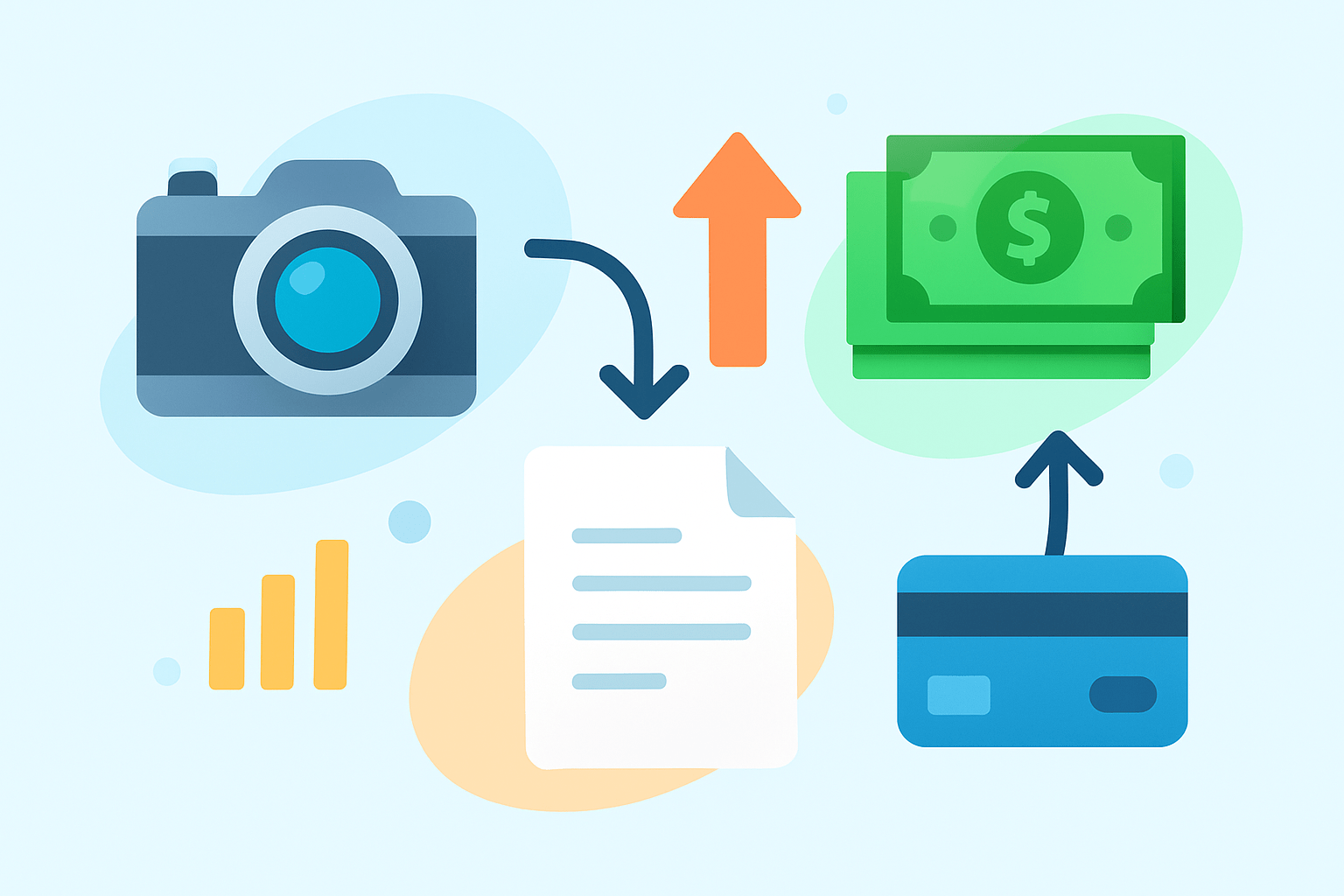
If you are wondering how to finance a camera, start with a simple plan and move step by step. The goal is to get the gear you need today while keeping total cost under control tomorrow.
Step 1: set a realistic budget that covers the full kit, not just the body. Include lenses, memory cards, a bag, extra batteries, tripod, warranty, and even insurance so you are comparing complete costs, not just the sticker price.
Step 2: decide whether you are using consumer or business financing. If you shoot for money, business options may unlock tax deductions, better terms, or leases that match project cash flow, while a hobbyist usually sticks to consumer plans.
Step 3: compare offers by looking at APR, term length, fees, and promotional rules. Learn the difference between true 0% APR and deferred interest, and check for late fees or payoff penalties that can erase savings.
Step 4: get pre-qualified if possible, because soft-credit checks give you a preview of rates without hurting your score. When you apply, have ID, SSN or EIN, proof of income, and your address history ready to speed approval.
Step 5: close the purchase and set up autopay on day one so you never miss a due date. Save every receipt, the serial numbers, warranty details, and your insurance confirmation in a single folder you can find later.
Step 6: plan your exit before you swipe. Decide whether you will pay off during a promo period or refinance to a lower-rate loan later, and put a calendar reminder for two months before the promo ends.
Here is a quick example so the math is clear. A $2,000 camera on a true 0% plan for 12 months costs about $166.67 per month and $2,000 total, while the same $2,000 at 12% APR over 24 months is roughly $94.40 per month and about $2,265 total, so the second path adds around $265 in interest.
Warning: deferred-interest offers are not the same as 0% APR. If you do not pay off the full promo balance by the deadline, the lender can add all the accrued interest back to day one.
Also watch for missed-payment penalties that can cancel the promo, and check return rules for financed purchases because restocking fees or short return windows can trap you with the wrong body or lens.
Use a simple rule to decide whether to finance now or wait. If the camera will help you land paid work soon, offers tax benefits, or solves a short-term cash flow issue, financing can make sense, but if it is a want not a need, saving first is often wiser.
Imagine a tiny decision flow in your head. If you need the gear for a paid job this month and can afford the monthly payment and pay off before the promo ends, move forward, but if the job is uncertain or the payment squeezes your essentials, pause and save.
Case study: Maya is a hobbyist upgrading from a phone to a midrange mirrorless kit. She uses a 0% twelve‑month store promo, plans twelve equal payments, and skips extra accessories until month three, keeping control of her budget while she learns.
Consider These Camera Financing Options Today to Get Your Dream DSLR!
You have several paths to finance camera gear, and each one fits a different budget, credit profile, and timeline. Read what suits your situation best before you commit.
Buy Now Pay Later works well for small to medium purchases and quick approvals. Split-pay plans spread the cost over four to eight weeks with no interest, and installment loans can stretch from six to twenty-four months with a clear APR, which suits buyers with fair credit who want speed and predictable payments.
Store financing or retail credit cards often advertise 0% for six, twelve, or even twenty-four months on minimum purchase amounts. These plans can be great if you pay in full by the deadline, but many use deferred interest, so a missed payoff date can trigger a large retroactive charge that turns a deal into an expensive surprise.
Personal loans and general credit cards offer flexible terms and fast ownership. If you can secure an intro 0% APR card and are confident you can clear the balance before the intro window ends, you get a powerful free financing tool, while a low-rate personal loan can be better for higher amounts and longer horizons.
Equipment leasing and commercial financing let businesses preserve cash and align payments with revenue. Leases can include maintenance or buyout options, and approvals focus on business health and time in operation, which suits freelancers and studios needing capital-friendly growth, especially when paired with equipment financing partners.
Rent-to-own is the fallback for very bad or thin credit, but it is usually the most expensive path. Weekly or monthly payments can be high, and the total you pay may exceed the camera’s retail price by a wide margin, so treat it as a last resort.
Buying used or certified pre-owned, or renting first, can cut the price dramatically. A lightly used full-frame body or last‑gen lens can deliver pro results at a fraction of the cost, and a weekend rental can confirm what you truly need before you finance the wrong kit.
If you map these choices, you get a simple pattern. BNPL and store promos fit smaller buys and short terms, personal loans and cards handle mid to higher budgets when you qualify for low APR, leasing helps businesses match payments to income, and rent‑to‑own should only be used when no other option is open.
Case study: Jordan is launching a wedding side hustle and needs two bodies, fast glass, and flashes. He takes a twelve‑month promo for the first body and lens, adds a low‑APR personal loan for the second setup, and pays the promo first while booking weekend gigs to cover the payments.
Case study: Lin runs an established studio with seasonal peaks. She chooses a fair‑market‑value lease for two medium format bodies to keep capital free, plans a buyout after a strong season, and treats lease payments as operating expenses aligned to incoming jobs.
What factors should be considered when selecting camera equipment financing?
Before you sign, look at the true cost of the offer. Add the APR, origination fees, deferred interest rules, and late fees to estimate the total repayable amount, and compare that to the gear’s cash price and expected resale value.
Check that the monthly payment fits your cash flow even in a slow month. Use a loan calculator app to test different terms and a worst‑case month where income dips, and pick the plan you could still cover without stress.
Look at term length and prepayment rules with fresh eyes. A longer term lowers the monthly hit but can raise total interest, and an early payoff should be penalty‑free or your savings may vanish.
Read the eligibility fine print for minimum purchase thresholds and credit checks. Some promos require a hard inquiry and a set minimum spend, while others let you pre‑qualify with a soft pull and a smaller cart size.
Understand whether the debt is secured or unsecured. Some leases use the gear as collateral and can reclaim it if you default, and you should also verify the return policy and restocking fees in case the body or lens is a poor fit.
Plan for protection before day one. Confirm whether the financing includes any add‑on warranty or damage coverage, decide if you need separate insurance, and for business buyers, ask your accountant whether you should expense payments or capitalize and use Section 179.
Consider the credit impact and the speed you need. Installment loans and cards may report to bureaus, which can help build credit with on‑time payments, and if you are evaluating leases, compare several leasing options to balance approval speed with long‑term cost.
Use a simple comparison formula to choose the winner. Compare total cost in dollars, check every deferred‑interest trigger and payoff deadline, and calculate your break‑even if you plan to pay early by totaling interest you would actually pay under your schedule instead of the full term.
One more practical test is to stress‑test your plan. Assume you can only pay the minimum for two months, then resume your target payment, and confirm you still finish before any promo ends and without tripping fees.
Pros and Cons of Using Camera Finance
Financing can be a smart tool because it preserves cash flow while you start shooting and earning right away. It can put higher‑end gear in your bag sooner, may deliver tax benefits for business purchases, and can help build credit with steady on‑time payments.
The tradeoff is cost and risk. Interest and fees can raise the total price, deferred‑interest plans can sting if you miss a deadline, it is easy to overspend on upgrades and accessories, and rent‑to‑own or some leases can be far pricier than buying used or taking a low‑rate loan.
Use a simple rule of thumb to stay safe. Take true 0% promos only if you can pay within the promo period, and if not, choose the lowest APR with a monthly payment you can comfortably make even when work slows.
Top Photographer Retailers Who Offer Financing Options
Many places can help you buy now and pay later, but their terms vary often. Always check the current offers at checkout and confirm the rules before you sign.
Specialty photo retailers like B&H, Adorama, and Samy’s commonly run 0% promos on store cards or with partner lenders. Expect minimum purchase amounts, a quick credit check, and requests for ID and income details if you apply in store or online.
General electronics retailers such as Best Buy offer store cards and BNPL options at point of sale. These are convenient if you want to pick up today, but read the deferred‑interest clauses and return policies carefully because open‑box or special orders may have tighter limits.
Online BNPL platforms like Affirm, Klarna, Afterpay, and PayPal Credit frequently appear as checkout buttons. Split‑pay plans are friendly for modest buys and fast-approval needs, while longer installment loans can handle bigger kits with clear monthly payments.
Local camera shops and used dealers, including reputable sellers of certified pre‑owned gear, sometimes provide in‑house financing or layaway. You may also be able to negotiate price or bundle discounts that reduce the need to finance as much.
Commercial finance companies and credit unions support freelancers and studios that want structured leases or larger loans. Compare several quotes, and consider partners who focus on creative gear, such as camera equipment financing specialists who understand seasonal revenue and fast approvals.
Before you click submit on any application, take one quiet minute to verify everything. Confirm the promo length, the APR after promo, any fees, the return window, and how warranty and insurance work if you need a repair a few months in.
Here is a simple, copy‑friendly checklist to close with confidence. Set a full‑kit budget, check your credit, get pre‑qualification, compare APR and fees, confirm return rules, enable autopay, add insurance or a warranty, and keep receipts and serial numbers together so your investment is protected and organized.
What People Ask Most
How can I finance a camera if I’m on a tight budget?
Look for low-interest payment plans, buy used or refurbished, or choose a short-term loan that keeps monthly payments small. Make sure the monthly cost fits your budget before signing.
What are simple first steps for learning how to finance a camera?
Compare options like store plans, credit cards, and personal loans, then use an online calculator to estimate monthly payments. Read the terms so you understand interest and fees.
Can I use a credit card to finance a camera?
Yes, many people use credit cards for cameras, but watch interest rates and only charge what you can pay off. Consider a card with a promotional 0% interest offer if available.
Is financing a camera a good idea for hobby photographers?
Financing can let you buy equipment sooner, but only if the payments won’t strain your finances. Weigh the benefit of earlier gear against the cost of interest.
Are store financing plans helpful when figuring out how to finance a camera?
Store plans are convenient and sometimes offer short promo periods, but always check the fine print and compare to other lending options. Don’t assume they’re the cheapest choice.
What common mistakes should I avoid when I learn how to finance a camera?
Don’t skip reading the contract, ignore interest rates, or borrow more than you can comfortably repay. These mistakes can turn a simple purchase into long-term debt.
How can I improve my chances of approval when trying to finance a camera?
Check your credit, show steady income, and choose a realistic loan amount; a co-signer can help if needed. Being prepared makes approval more likely.
Final Thoughts on Camera Financing
Financing a camera can turn a big up-front cost into manageable monthly steps, letting you start shooting and earning sooner; even a payment around 270 a month can be realistic when you plan. This guide recapped practical steps, options, and worked examples so you know how to choose, compare, and avoid common traps. It’s most useful for creators who need gear now to generate income, small business buyers, and committed hobbyists ready to invest.
Be realistic about the trade-offs: interest, deferred-interest traps, and return limits can make financing pricier than buying outright, so plan the exit strategy and set up autopay. Use the checklist and calculations we showed to compare total costs, not just monthly numbers. If you follow the decision flow you’ll avoid missteps and pick the option that fits your cash flow.
We opened by asking how to finance a camera and closed by giving step-by-step actions, comparisons, and sample payments so you can act with confidence. With care and the right plan, you’ll get the gear you need without losing sleep — and your next great shot is closer than it looks.


0 Comments