
Have you ever stood at the back of a dimly lit reception or beside a fast-moving stage act and felt your gear betray you at the decisive moment? Event photography turns on split-second timing, steady hands, and the right balance of reach, speed, and low-light capability. This guide starts with that problem and aims to give you straightforward answers rooted in real shooting scenarios and practical trade-offs.
Inside you’ll find a focused rundown of five top camera choices, along with practical guidance on the lenses and accessories that make the difference between a nice shot and a keeper. We cut through spec charts and marketing hype to consider real-world shooting needs: handling in tight venues, performance under mixed lighting, battery life and ergonomics for long days, and how features translate to usable results. Expect clear, usable advice to help you match a camera to your shooting style, workflow, and budget so your kit works as hard as you do.
Whether you’re a wedding photographer chasing emotion, a corporate shooter capturing presentations, or a weekend pro leveling up for concerts, this guide is written to streamline your decision-making and sharpen your results. It blends hands-on tips, scenario-based recommendations, and answers to common questions so you can build a reliable kit, minimize surprises on the job, and consistently deliver strong images. Turn chaotic events into a catalog of decisive, well-exposed images you can be proud to show.
1. Canon EOS R6 Mark II for Events
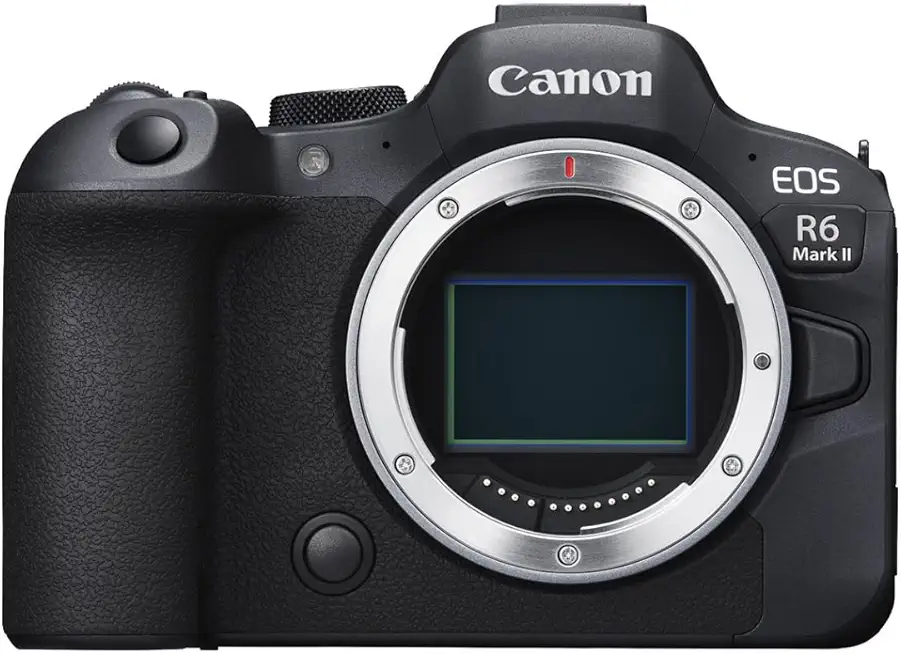
Canon EOS R6 Mark II (Body Only)
High-performance full-frame mirrorless body delivering fast autofocus, stunning low-light sensitivity, and smooth high-speed continuous shooting for versatile creators.
Check PriceThe Canon EOS R6 Mark II is a mirrorless workhorse built for real-world event shooting. Its 24.2MP Dual Pixel CMOS II sensor delivers clean files, while subject-detection autofocus with eye-tracking practically finds faces and eyes on its own — a huge relief when moments move fast.
If you cover dynamic events, the burst capability is a standout: 12 fps with the mechanical shutter and up to 40 fps electronically, so you won’t miss decisive gestures or split-second expressions. Paired with in-body image stabilization rated up to 8 stops, you get sharp handheld shots in low light without always cranking ISO or resorting to flash.
Speaking of low light, the R6 Mark II’s wide ISO range (50–204,800) and its proven performance in dim conditions mean you can confidently shoot indoor receptions, speeches, and moody ambient scenes. The excellent viewfinder and LCD help you compose and confirm critical focus even in cramped or changing setups.
Ergonomics feel comfortable for long days, and the overall package makes this camera a practical choice for professional event shooters who need speed, reliable AF, and stabilization in one body. Be mindful that the electronic shutter can introduce rolling shutter distortion in some situations, and this Mark II comes at a higher price than the original EOS R6 — but for many working pros, the upgrades justify the cost.
- Fast burst mode (12 fps mech / up to 40 fps electronic)
- Accurate, subject-detection AF with eye-tracking
- Strong low-light performance; ISO 50–204,800
- IBIS up to 8 stops — great handheld
- Electronic shutter can cause rolling shutter
- More expensive than original EOS R6
2. Nikon Z6 II for Events
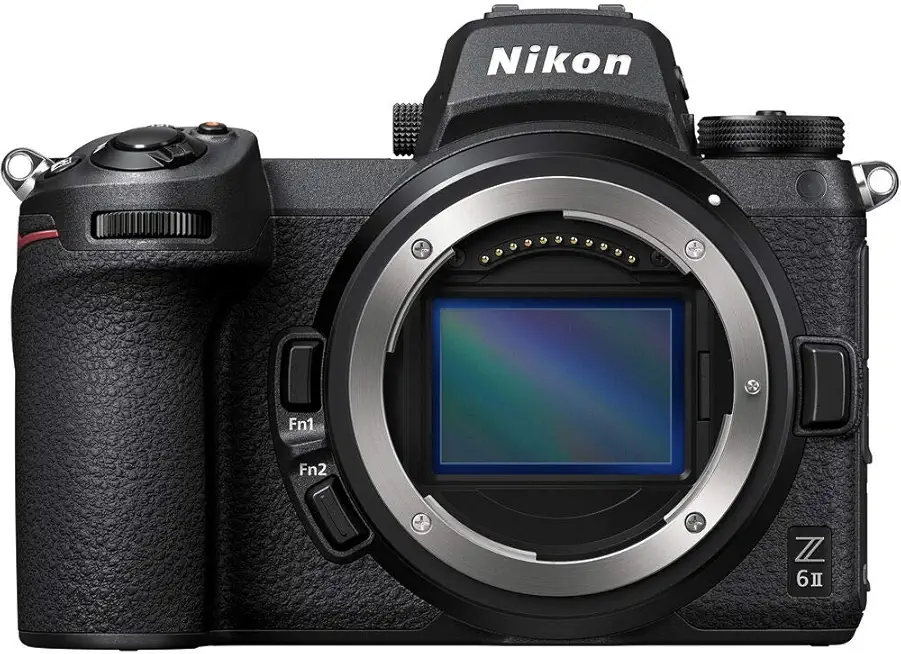
Nikon Z 6II
Versatile full-frame hybrid offering crisp image quality, reliable autofocus, and balanced ergonomics for photographers and filmmakers on the move.
Check PriceThe Nikon Z6 II is a full-frame mirrorless body with a 24.5MP sensor and Dual EXPEED 6 processors that keep autofocus snappy and enable high-speed shooting. It’s a camera built around practical speed and reliability rather than headline-grabbing megapixels.
You get a max burst speed of 14 fps, which is plenty for most event moments, and a 3.2-inch tilting touchscreen that makes framing from odd angles effortless. Those specs translate into quick, dependable shooting during receptions, speeches, and stage performances.
Where the Z6 II really shines is in dim conditions — it has excellent low-light performance that photographers repeatedly praise. Combined with effective subject-tracking autofocus, it gives you confidence to chase moving subjects in poorly lit venues without missing key expressions.
The body is built to take the knocks of heavy event work, with robust build quality and solid handling. You also benefit from good compatibility with Nikon lenses, so adapting to different event setups is straightforward.
No camera is perfect: the Z6 II’s buffer is limited for extended bursts, so long continuous sequences can be curtailed. It’s also not as strong for video as some competitors, so if hybrid video-heavy shoots are your norm you might notice that trade-off.
- Praised low-light performance
- Effective subject-tracking autofocus
- Robust build quality
- Good compatibility with Nikon lenses
- Limited buffer for extended bursts
- Not as strong for video as some competitors
3. Sony A7 IV for Events
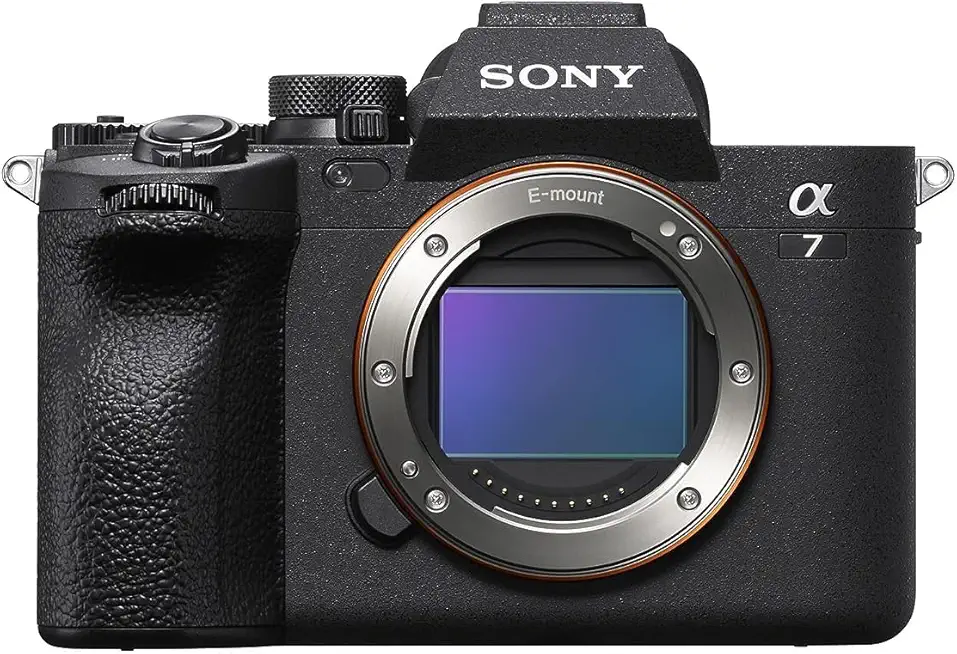
Sony Alpha 7 IV
Advanced imaging powerhouse with impressive resolution, fast processing, and cinematic video capabilities for demanding content creators.
Check PriceThe Sony A7 IV is a workhorse for event photographers who need a true hybrid body. Its 30.0MP full-frame sensor delivers plenty of resolution for large prints and tight crops without feeling overbearing for day-long shoots.
Autofocus is a standout — real-time tracking is reliable on moving subjects and keeps eyes sharp in chaotic environments. That AF, combined with the 10 fps continuous shooting, makes it easy to capture decisive moments during speeches, dances, or fast-paced receptions.
In-body image stabilization (IBIS) helps a lot when you’re handheld in low light or shooting longer shutter speeds between dance sets. The 3-inch fully articulating touchscreen is invaluable for high and low angles, crowd shots, and when you want more creative framing without changing your stance.
Video capabilities are strong, so if you’re covering hybrid events or need short clips for clients, the A7 IV handles that role without compromise. The body is weather-sealed and built robustly, which means fewer worries about rain, dust, or long days on your shoulder.
The only real trade-offs to be aware of are practical. The 10 fps burst is competent but slower than some competitors if you rely solely on ultra-high frame rates for action sequences. Also, newcomers may find Sony’s menu system complex until they customize it to their workflow.
- 30.0MP full-frame detail
- Excellent AF with real-time tracking
- IBIS for handheld low-light shots
- 3-inch fully articulating touchscreen
- 10 fps burst slower than some competitors
- Complex menu system for beginners
4. Canon EOS R5 for Events

Canon EOS R5 (Body Only)
Professional-grade mirrorless body delivering ultra-high resolution, blazing autofocus, and 8K video readiness for ambitious photographers and videographers.
Check PriceThe Canon EOS R5 is a powerhouse for event photographers who need resolution and speed. Its 45MP full-frame sensor delivers ultra-high image quality that holds up for large prints and heavy cropping.
Action and fleeting moments are well covered by up to 20 fps continuous shooting. That burst speed, combined with Canon’s excellent autofocus and eye-tracking, means you rarely miss decisive expressions or movement on stage.
In-body image stabilization (IBIS) helps keep handheld shots steady when light is low or you need to move quickly between scenes. The R5 also offers professional 8K video capability, so it’s a solid hybrid option for weddings, concerts, and corporate events that demand both stills and high-end video.
Ergonomics and build are designed for real-world use. The R5’s robust, weather-sealed body stands up to long days and variable conditions that event shooters often face.
Be aware of a couple of practical trade-offs. The R5 can overheat during extended video recording, so plan for shorter clips or cooling breaks during long sessions. It’s also a higher-cost option, which matters if you’re budgeting for bodies, backups, and accessories.
- Ultra-high image quality (45MP)
- Continuous shooting up to 20 fps
- Highly accurate, fast autofocus with eye-tracking
- Excellent professional video capability (8K) and IBIS
- Can overheat during extended video recording
- Higher cost than many competitors
5. Fujifilm X-T5 for Events

Fujifilm X-T5 (Body)
Retro-styled APS-C body combining exceptional color science, tactile controls, and powerful autofocus for street and travel photographers.
Check PriceThe Fujifilm X-T5 is an APS-C mirrorless body with a high-resolution 40.2MP sensor, in-body image stabilization (IBIS) and 6.2K/30p video — a combination that makes it a compelling choice for many event shooters. Its vari-angle screen and DSLR-style controls give you tactile handling and flexible composition angles, while Fujifilm’s Film Simulation profiles deliver rich, ready-to-use color straight out of camera.
What I like most as a working pro is how portable the X-T5 is without sacrificing detail; that 40.2MP sensor produces files with excellent color rendition and fine detail that hold up for large prints and client galleries. The IBIS helps when you’re handholding in dim rooms, and the 6.2K video means you can confidently cover hybrid photo/video events with strong output quality.
That said, there are trade-offs to consider. As an APS-C body, the X-T5 won’t match the low-light performance of the full-frame options, so in very dark ballrooms you’ll push ISO more than you might like. Autofocus is solid for most scenarios, but it’s noticeably slower on very fast-paced action compared with the top full-frame systems, so it’s not the first choice for high-speed capturing.
In short: choose the X-T5 if you value portability, beautiful color, and high-resolution stills paired with strong video capability. If your events are often dim or involve nonstop, fast-moving action, be aware of those limitations before committing.
- Compact, lightweight and portable
- Detailed image quality with excellent color rendition (40.2MP)
- Retro-style controls; good handling
- Good video output quality (6.2K/30p)
- Low-light performance not as strong as full-frame cameras
- Autofocus slower for fast-paced action
How to Choose Event Lenses
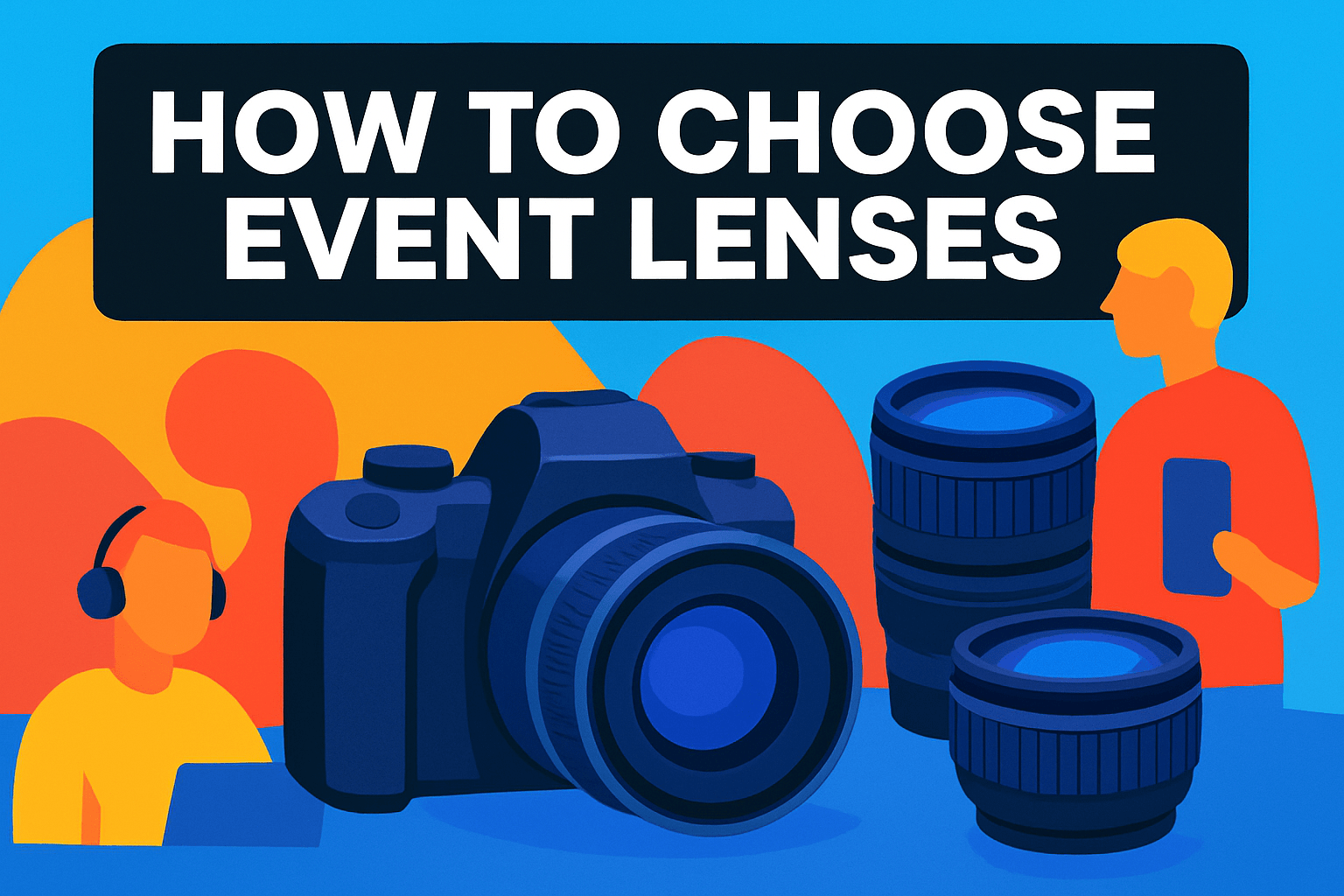
Choosing lenses for events is more strategic than it sounds. Think in ranges rather than individual focal lengths. If you cover a mix of spaces and moments, your lens choices will determine how freely you can work.
For most gigs I rely on two workhorses: a 24–70mm f/2.8 and a 70–200mm f/2.8. The 24–70 handles wide venue shots and candid portraits, while the 70–200 lets you pull compelling close-ups from across a room or stage. Both give fast apertures for low light and pleasing subject separation.
Primes like a 50mm or 85mm at f/1.4 or f/1.8 are magic for portraits and dim receptions. They deliver cleaner backgrounds and often better sharpness in low light. Use them when you can move around; they force you to think with your feet and often yield more intimate images.
Match lenses to the event and venue. Weddings benefit from a 16–35mm for groups and room context, while conferences usually need more tele reach. Remember crop-sensor bodies change effective focal length, so plan accordingly if you’re using APS-C gear.
Decide whether to carry a single super-zoom or a kit of specialized glass. I prefer at least two lenses so I’m not constantly swapping during peak moments. Prioritize fast, accurate autofocus, optical stabilization, and rugged build—those features save shots and nerves during long days.
If a specialty lens is required, rent it for the day instead of hauling weight you’ll rarely use. Bring a backup lens if possible and develop a simple switching routine: start wide for entrances, move to mid-range for candid coverage, then switch to tele for speeches and performances.
Essential Accessories for Event Photographers
Accessories are what turn a capable camera into a reliable event kit. Over the years I’ve learned that the gear you don’t see in the final images—batteries, cards, flashes, straps—often determines whether the job runs smoothly or becomes a scramble. Pack with redundancy and a practical mindset.
Start with backups: a second body and at least two lenses cover failures and changing shooting distances. For lenses, a fast 24–70mm and a 70–200mm are my day-one choices. Carrying a fast prime like a 50mm or 85mm gives you beautiful portraits and a lifeline in low light.
Lighting matters more than most clients realize. I keep an on-camera flash for fill and a portable off-camera system—speedlights or small strobes—with triggers and basic modifiers. An LED panel or softbox is invaluable for flattering continuous light when the stage lights are harsh. Learn quick setups for bounce and diffusion so you can adapt in seconds.
Power and storage are non-negotiable. Mirrorless bodies eat batteries, so bring several spares per camera and a couple of chargers or a USB power bank. Use multiple high-speed cards and exploit dual-card slots for instant backup when possible. I format, label, and offload cards to a portable SSD during breaks to avoid last-minute panic.
Comfort and stability keep you shooting longer. A comfortable strap or dual harness, plus a compact monopod for speeches, reduces fatigue. A weatherproof, organized bag keeps everything accessible and protected. Include a small cleaning kit and lens filters to handle dust and rain without losing time.
Finally, pack the small things: remote shutter for static setups, a light meter or color checker when color accuracy matters, and personal items—water, snacks, a rain jacket. These details keep you focused on capturing decisive moments instead of troubleshooting.
What People Ask Most
What is the best camera for event photography?
There is no single best camera for every situation; the right choice depends on the event type, lighting, and your priorities such as autofocus speed, low-light performance, and portability. Pick a camera that balances image quality, handling, and reliability for your workflow.
What camera features are most important for event photography?
Fast, reliable autofocus with subject tracking, good continuous shooting capabilities, effective image stabilization, and strong low-light performance are key features. Durable build and a solid lens ecosystem also make a practical difference during long events.
Which cameras perform best in low light for event photography?
Full-frame models with good sensor performance and effective stabilization tend to handle dim conditions better, and some recommended models are noted for their low-light strengths. When shooting in low light, prioritize cameras praised for high-ISO usability and stable handheld performance.
Should I choose mirrorless or DSLR for event photography?
Mirrorless cameras are the dominant choice in current event photography thanks to modern autofocus systems, stabilization, and compact bodies. However, either system can work well; choose based on features, lens availability, and practical concerns like battery life and ergonomics.
What lenses are essential for event photography?
A versatile short-to-standard zoom and a telephoto zoom cover the majority of event needs, while fast prime lenses and a wide-angle are valuable for portraits and venue shots. Opt for lenses with fast apertures, reliable autofocus, and sturdy construction for consistent results.
What camera settings should I use for event photography?
Use wide apertures to allow faster shutter speeds and isolate subjects, employ continuous shooting for moments of action, and rely on image stabilization when shooting handheld. Adjust ISO to achieve a usable shutter speed while keeping image quality acceptable for the camera you are using.
Can a crop-sensor camera be used for professional event photography?
Yes, crop-sensor cameras can produce professional results and often offer advantages in portability and reach. Be aware of trade-offs such as lower low-light performance and consider whether those affect the specific events you shoot.
Conclusion for Best Event Photography Cameras
In short, there’s no single “best” event camera—each option shines when matched to your priorities like low‑light performance, resolution needs, burst speed or portability.
Practical gear choices and accessories matter as much as the camera body, so build a kit that gives versatile focal coverage, fast apertures, reliable stabilization and robust power and backup solutions.
Always match equipment and settings to the event’s lighting, pace and your shooting style rather than chasing specs; that approach will deliver more consistent results than any one feature alone.
If you want to sharpen your event photography skills, explore more of our site’s guides and gear advice to learn workflows, techniques and setup tips that suit your needs.
Have questions or want personalized recommendations? Leave a comment below — we usually reply within a few hours.


0 Comments