
Looking for the best DSLR camera for photography in 2026? With mirrorless buzz everywhere, many photographers still choose DSLRs for their optical viewfinders, battery life, and tried-and-true lens systems. Whether you shoot weddings, wildlife, or landscapes, the right DSLR still matters.
We sifted through real-world user feedback and expert reviews to shortlist the five DSLRs worth your attention this year. Our picks reflect what pros and serious enthusiasts actually rely on in the field—not just spec-sheet wins. We weighed usability, reliability, and value from actual shoots.
The list spans cameras built for high-resolution studio work, fast-action sports, low-light shooting, and rugged outdoor use. Each selection is meant to serve a clear shooting style and set of priorities.
Every camera entry includes a concise overview, hands-on real-world notes, video performance when it matters, and a straightforward pros-and-cons rundown. We focus on how cameras perform day-to-day, under pressure, rather than theoretical lab numbers.
Whether you care most about ultimate image quality, autofocus reliability, lens options, or simple portability, this guide helps narrow the choice. We’ll also point out the trade-offs that matter when you actually shoot.
Read on and you’ll find the DSLR that matches your shooting priorities and budget. No fluff—just clear, experience-based guidance to simplify your decision and help you buy with confidence.
1. Nikon D850

Nikon D850 (Body)
High-resolution full-frame powerhouse delivering stunning detail, dynamic range, and professional-grade performance for landscapes, studio, and wildlife photographers.
Check PriceThe Nikon D850 is a workhorse that I still reach for on demanding assignments. Its 45.7 MP full-frame BSI CMOS sensor delivers resolution and dynamic range that let you crop or print big without sacrificing detail.
Build quality matters in the field, and the D850 is built like a tank with a rugged, weather-sealed magnesium-alloy body. It feels reliable in wind, rain, and gritty locations, which makes it ideal for landscape, architecture, studio, wildlife, and sports work.
Autofocus is another area where this camera shines. The highly accurate phase-detection AF with 153 points is responsive and performs well in low light and challenging conditions, so you get more keepers when the action won’t wait.
Practical features push it over the top for pro shooters: dual card slots (XQD and SD) for backup or overflow, excellent battery life for long days, a tilting touchscreen LCD for flexible compositions, and illuminated buttons for low-light control. For video, it gives you 4K at 30 fps, slow-motion options, and uncompressed 4:2:2 HDMI output if you need clean footage.
If you want maximum still-image quality, a rugged body, and pro-level reliability, the D850 is hard to beat. Keep in mind it’s relatively heavy and less travel-friendly, and its 4K is limited to 30 fps if higher frame rates matter to your video work.
- 45.7 MP superb image quality
- Robust, weather-sealed magnesium-alloy body
- 153-point highly accurate phase-detection AF
- Dual card slots (XQD and SD)
- Relatively heavy and bulky
- 4K video limited to 30 fps
2. Canon EOS 5D Mark IV

Canon EOS 5D Mark IV (Body Only)
Versatile full-frame DSLR built for hybrid shooters, offering reliable autofocus, robust build, and excellent color reproduction for photo and video.
Check PriceThe Canon EOS 5D Mark IV packs a 30.4 MP full-frame CMOS sensor and represents the last, most advanced entry in the iconic 5D line. It’s built to appeal to both serious enthusiasts and working professionals who want excellent image quality without stepping into medium format.
Ergonomics and build are immediate strengths — the chassis feels durable and comfortable for long shoots. In real-world use the Dual Pixel CMOS AF delivers fast, reliable autofocus for stills and in live view or video, which makes focusing predictable and confidence-inspiring on a busy set.
Connectivity features like Wi‑Fi, GPS and a touchscreen are practical for location work and fast workflow management. These elements speed tethering, geotagging and quick menu navigation, so you can spend more time composing and less time wrestling with settings.
Video is usable but not class-leading: you get 4K at 30p and Full HD up to 60p, yet 4K carries a 1.74x crop and there’s no clean HDMI output. If you’re primarily a stills shooter who dabbles in video, that’s fine — but serious videographers will notice the limitations.
Bottom line: if your priority is robust handling, reliable Dual Pixel AF and strong full-frame image quality, the 5D Mark IV is a very sensible, mostly future-proof choice. If uncompromised, uncropped 4K or a fully articulating screen are must-haves, you may need to consider alternatives.
- Excellent dynamic range and image quality
- Robust, comfortable body and handling
- Fast, accurate Dual Pixel CMOS AF
- Useful connectivity (Wi‑Fi, GPS, touchscreen)
- 4K video restricted (1.74x crop)
- Fixed, non‑articulating LCD
3. Nikon D780
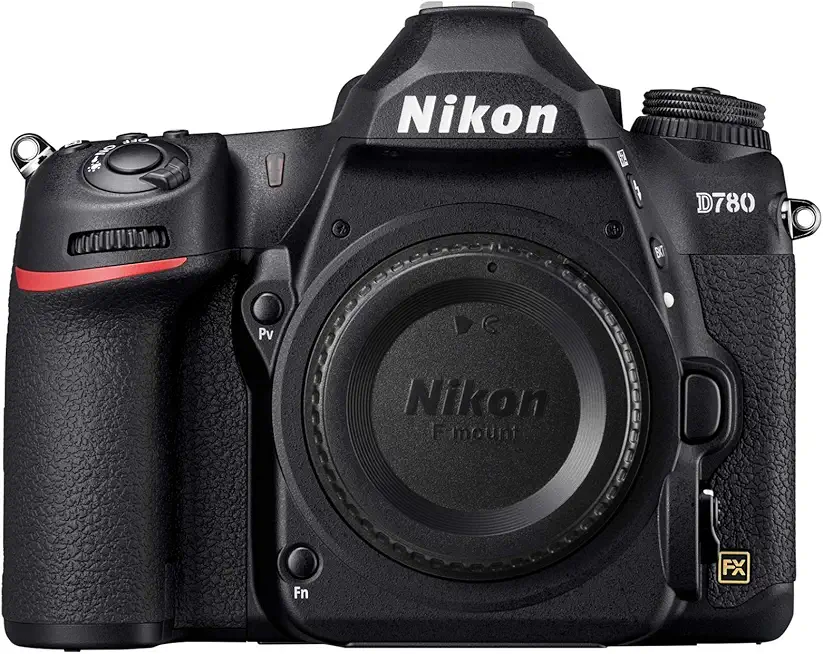
Nikon D780 (Body)
Fast, hybrid full-frame camera combining DSLR ergonomics with advanced live-view, exceptional low-light autofocus, and smooth 4K video capture.
Check PriceAs a photographer who still values an optical viewfinder, the Nikon D780 feels like a thoughtful bridge between classic DSLR shooting and modern mirrorless convenience. It delivers that satisfying OVF experience while offering live view autofocus that borrows the best from mirrorless systems, so you get quick, reliable focusing when composing on the rear screen.
In the field I found the handling and image quality to be consistently strong — the camera simply feels well-balanced in the hand and produces images that suit portraits, landscapes, and casual wildlife work. The improved live view AF makes shooting in video or live-view stills far less fiddly than older DSLRs.
One of the practical advantages is battery life: the D780 outlasts many mirrorless bodies, so it’s a better companion on long shoots or when access to charging is limited. Its build is robust with weather sealing, so you can keep shooting in less-than-perfect conditions without worrying as much about the elements.
There are trade-offs. If you need the highest possible continuous shooting speed for fast action, the D780 is slower than many mirrorless alternatives and won’t be the best choice for intense sports or high-frame-rate wildlife bursts. It’s also somewhat bulkier and heavier, so if travel weight is a top priority you might feel the difference over long carries.
- Optical viewfinder + mirrorless-like live view AF
- Great handling and image quality
- Robust, weather-sealed build
- Improved battery life versus mirrorless
- Slower continuous shooting/burst rate
- Larger and heavier; less portable for travel
4. Canon EOS 90D

Canon EOS 90D w/ 18-55mm + 420-800mm Lens Bundle (Renewed)
Versatile APS-C kit delivering high-resolution images, rapid continuous shooting, and broad focal coverage from wide-angle to super-telephoto.
Check PriceThe Canon EOS 90D is a high-resolution APS-C DSLR with a 32 MP sensor — the highest resolution in the DSLR APS-C class. That resolution makes it a strong choice for wildlife, sports, and general photography where detail and cropping flexibility matter.
In real-world shooting the 90D delivers excellent image quality and autofocus that can genuinely rival more expensive cameras. Its reliable face detection and fast continuous shooting of up to 10 fps in RAW keep you on top of fast-moving subjects and help nail decisive moments.
Video users will appreciate the camera’s good video autofocus, which makes run-and-gun shooting much easier even if you’re primarily a stills photographer. The body is compatible with Canon’s wide range of affordable lenses, so you can build a useful kit without breaking the bank.
Keep in mind it’s bulkier than typical mirrorless cameras, so if you prioritize minimal weight and compact travel gear a mirrorless alternative will be lighter. Also, the 90D doesn’t chase the most advanced professional video features found in modern mirrorless bodies, so cinematographers may find it limiting for high-end video work.
- 32 MP APS-C sensor — lots of detail
- 10 fps continuous shooting in RAW
- Superb AF with face detection for stills and video
- Good compatibility with affordable Canon lenses
- Bulkier than typical mirrorless cameras
- Limited professional video features
5. Pentax K-3 Mark III

Pentax K-3 Mark III (Body)
Rugged weather-sealed APS-C shooter with high-speed performance, advanced stabilization, and exceptional image quality for outdoor and action photography.
Check PriceThe Pentax K-3 Mark III is a robust APS-C DSLR built for photographers who value a traditional, tactile shooting experience. It truly shines in low-light situations thanks to excellent ISO performance, and its strong weather sealing means you can keep shooting when conditions turn ugly.
In the field the camera feels solid and purposeful. Controls are intuitive and ergonomics are comfortable for prolonged handling, which makes it a great choice for long shoots and outdoor work where reliability matters more than shaving off weight.
Autofocus on the K-3 Mark III is effective for many situations, but it isn’t as sophisticated as some rivals. If you spend most of your time on landscapes, portraits, or low-light events, the AF will be perfectly adequate. If your work depends on split-second subject tracking for fast sports or wildlife, you may notice it lags behind the latest systems.
Ultimately, this camera is mostly a keeper for enthusiasts who prioritize image quality in challenging light, rugged construction, and battery life that lasts through long days. If you prefer a lightweight mirrorless setup or demand the fastest autofocus tech, look elsewhere. For anyone who wants a dependable, weatherproof APS-C DSLR with traditional handling and strong low-light chops, the Pentax K-3 Mark III is a compelling option.
- Excellent low-light performance
- Rugged, weather-sealed construction
- Comfortable ergonomics for prolonged handling
- Long battery life for extended shoots
- Larger and heavier than many mirrorless alternatives
- Autofocus less sophisticated; can lag behind rivals
Full Frame vs APS-C Sensors
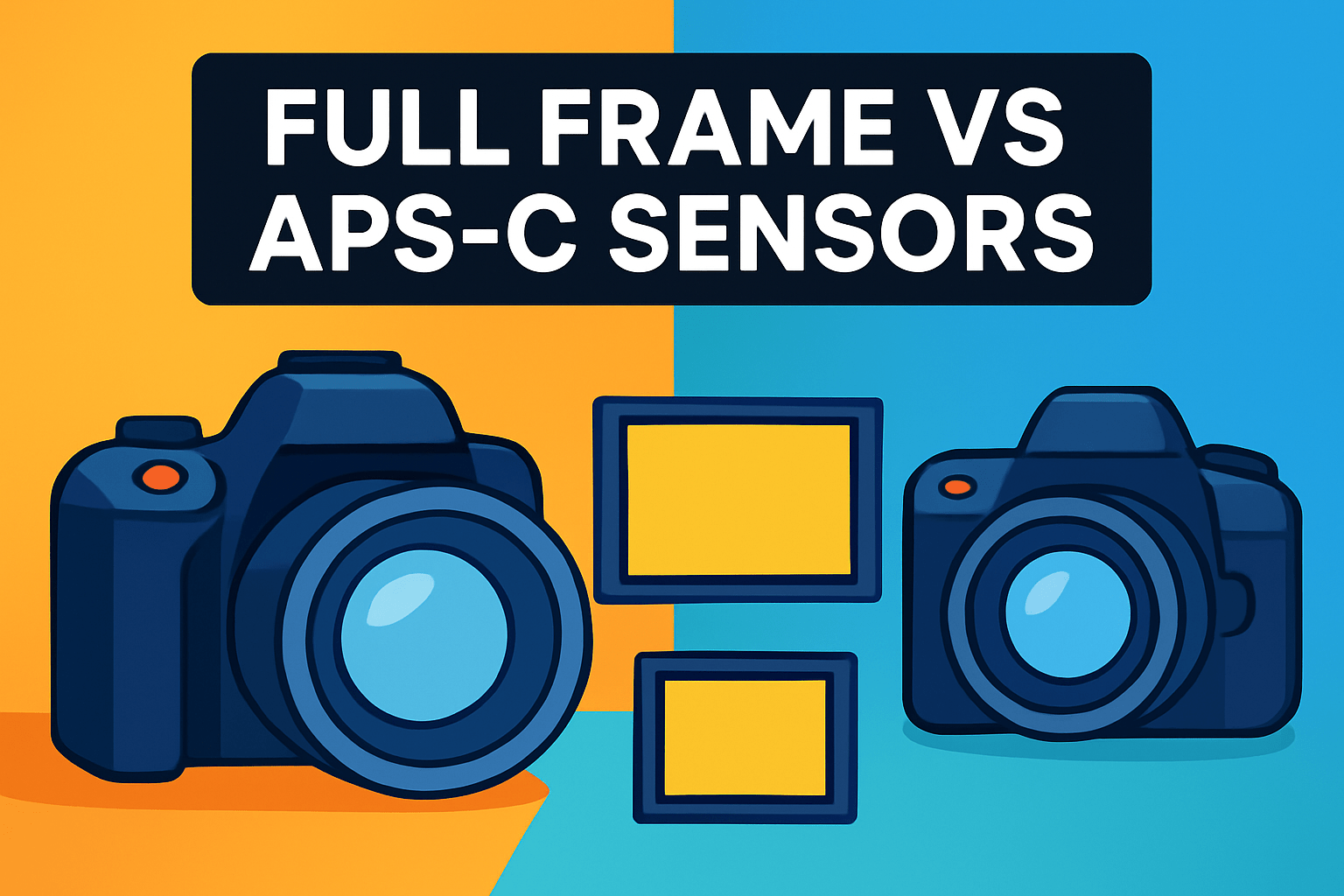
Choosing between full-frame and APS-C isn’t just a spec-sheet argument — it changes how you shoot. Full-frame sensors typically give cleaner files, better dynamic range and superior low-light performance, which makes a real difference when you’re pushing ISO or pulling recoverable detail from shadows.
Depth of field behaves differently too. Full-frame cameras make it easier to get that creamy background separation for portraits and still-life, while APS-C’s slightly deeper native depth of field can be forgiving for group shots and tack-sharp landscape frames without needing tiny apertures.
Don’t overlook the crop factor. An APS-C body effectively multiplies your focal length, which is a practical advantage for wildlife and sports shooters who want extra telephoto reach without buying big lenses. That extra reach can be the difference between a usable frame and a missed shot in the field.
Size and weight also matter for real-world work. APS-C systems tend to be smaller and lighter overall, so they’re easier to carry all day — important for travel or long hikes. Full-frame rigs and their lenses are often heavier, but many photographers find the image quality trade-off worth the extra bulk for studio, landscape, and professional assignments.
My rule of thumb: start with your primary use. If you crave ultimate image quality, low-light headroom, and shallow depth of field, go full-frame. If you need reach, portability, or better value for telephoto applications, APS-C is a smart choice. If you can, test both with lenses you’d actually use — renting one weekend will tell you more than pages of specs.
Choosing Your DSLR Lens Ecosystem
Pick a lens ecosystem the same way you pick a camera: start with what you shoot most. If you photograph landscapes and architecture, your shopping list tilts toward wide and tilt-shift glass. If you chase weddings or portraits, fast short telephoto primes become the workhorses. Knowing that first makes every future purchase far less random and more purposeful.
First practical check: mount compatibility. Make sure lenses match your camera’s mount (Canon EF, Nikon F, Pentax K, etc.) and be mindful of adapter limitations if you mix systems. Crop factor matters too—an APS-C body effectively lengthens every lens, which helps telephoto reach but changes how wide lenses behave. Factor that into focal-length choices so you don’t buy the “wrong” wide-angle for your sensor size.
For many shooters a smart starter pair is all you need: one reliable zoom that covers your everyday range, and one fast prime for low light and subject separation. On full-frame that looks like a 24–70mm zoom plus a 50mm or 85mm f/1.8 prime; on APS-C it’s often a 17–55mm (or 18–55mm kit) and a 35mm or 50mm fast prime. From there add specialty glass—telephotos for wildlife and sports, a dedicated macro for close work, and a wider lens for landscapes and interiors.
Don’t dismiss third-party brands like Sigma and Tamron; in many cases they deliver equal or better performance for less money, and modern third-party autofocus is excellent. Also weigh features that matter day to day: image stabilization, weather sealing, size and weight, and resale value. A couple of well-chosen lenses will teach you more and improve your images faster than a shelf full of mismatched optics.
What People Ask Most
What is the best DSLR camera for photography for beginners?
The best camera for a beginner balances ease of use, reliable autofocus, and an affordable lens ecosystem. Choose a model with intuitive controls and good documentation to help you learn quickly.
Which DSLR is best for portrait photography?
Portrait work benefits from a camera that pairs well with fast lenses and delivers pleasing subject separation. Prioritize accurate autofocus and comfortable ergonomics for longer shoots.
Which DSLR is best for landscape photography?
Landscapes are best served by a camera with strong image quality and wide dynamic range to capture detail in highlights and shadows. Consider a robust tripod-friendly body and compatibility with wide-angle lenses.
Which DSLR is best for low-light photography?
Low-light shooting calls for a camera that handles higher ISO well and works with bright lenses or stabilization options. Good autofocus performance in dim conditions is also important for consistently sharp results.
What DSLR is best for professional photography?
Professionals typically look for durable build quality, reliable performance, and access to a broad range of professional-grade lenses and accessories. Service support and workflow features that fit professional demands are also key considerations.
How do I choose the best DSLR camera for photography?
Start by defining your primary subjects and shooting conditions, then match camera features and the lens ecosystem to those needs. Balance performance, size, and budget to find a system you can grow with.
What features should I look for in the best DSLR camera for photography?
Look for dependable autofocus, comfortable ergonomics, solid battery life, and a lens mount with good third-party support. Connectivity and durability can also make everyday shooting and workflow easier.
Conclusion for Best DSLR Camera for Photography
These five DSLRs together cover pro-level full-frame work (Nikon D850, Canon 5D Mark IV), a versatile DSLR hybrid (Nikon D780), high-resolution APS-C shooting (Canon 90D), and a rugged low-light APS-C option (Pentax K-3 Mark III), giving you clear paths depending on your priorities.
When choosing, let your primary use case guide you—sensor format, lens ecosystem, portability and real-world handling, plus any video needs should shape the decision more than specs on paper.
Balance the trade-offs by trying cameras in-hand when possible, thinking long-term about lenses and workflow, and prioritizing the features that matter most for the shoots you do regularly.
If you want to improve your skills and make better gear choices, keep exploring the site’s practical guides and reviews to build confidence and craft in the field.
Have a question or want to share your experience with one of these bodies? Leave a comment below and we usually reply within a few hours.



0 Comments