
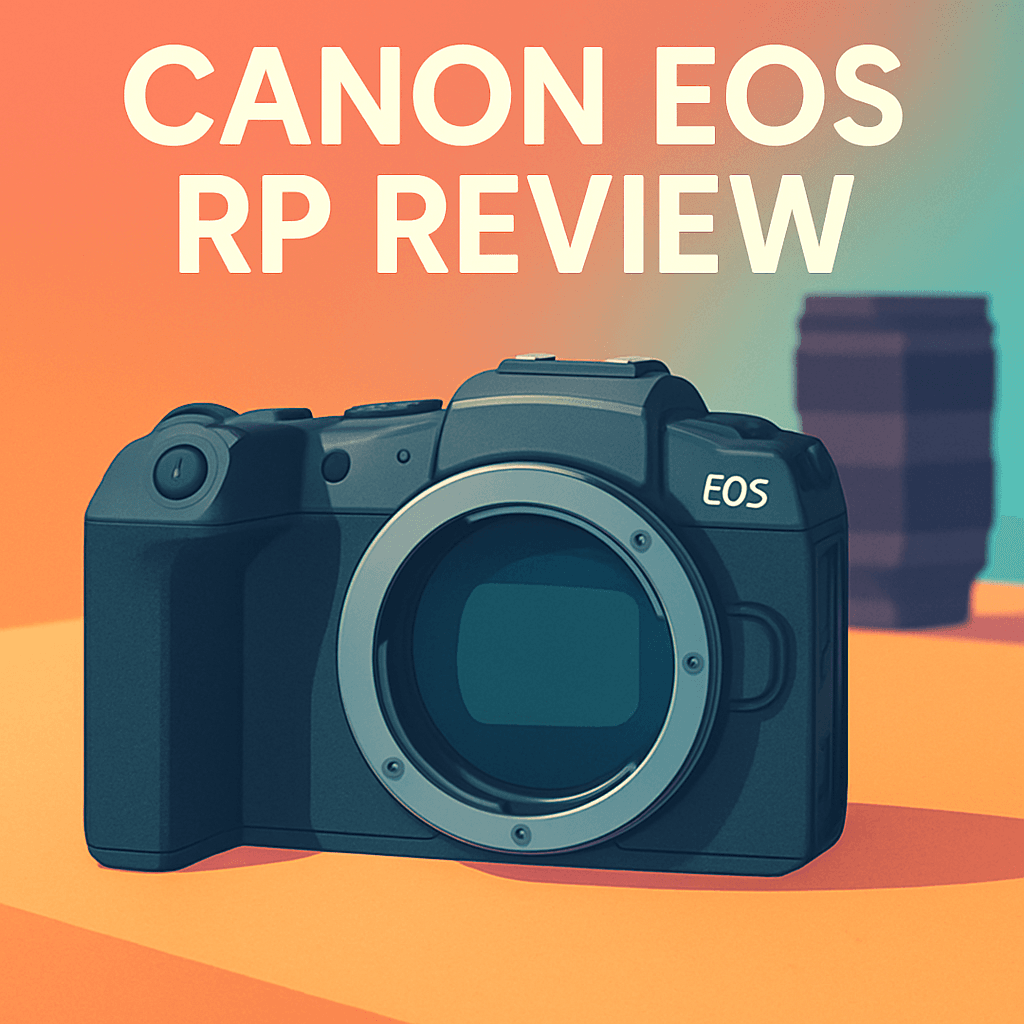
Want full-frame image quality without hauling a bulky camera around?
You’re not alone if you crave great photos from a light, travel-ready body.
I personally field-tested the Canon EOS RP Camera and compared it with “a couple of close rivals”.
My hands-on notes shaped everything in this review.
This camera suits enthusiasts, travel shooters, and APS-C users upgrading to full-frame.
It’s especially helpful if you want stellar stills without bulk.
What stands out is its portability and punchy stills performance.
Autofocus for photos is confidently reliable, even in low light.
The main compromise is video — high-res footage is cropped and focus can be finicky.
Also, there’s only one card slot, which some pros will mind.
It works well with Canon glass and simple controls make the learning curve short.
That means you’ll spend more time shooting and less time fiddling.
If you want portability and top-notch stills, this camera delivers.
Keep reading — I’ll reveal a surprising Canon EOS RP Camera trick that could change your photos.

Canon EOS RP Camera
Compact full-frame mirrorless offering lightweight handling and exceptional image quality. Fast Dual Pixel autofocus, intuitive vari-angle touchscreen, and built-in Wi-Fi make it perfect for travel photographers and creative enthusiasts.
Check PriceThe Numbers You Need
| Spec | Value |
|---|---|
| Sensor | 26.2‑megapixel full‑frame CMOS |
| Processor | DIGIC 8 image processor |
| Lens mount | Canon RF mount (compatible with EF and EF‑S via adapter) |
| ISO | 50–102400 (native); expandable to 51200 (H1) and 102400 (H2) |
| Autofocus | Dual Pixel CMOS AF — 143 AF points; 4,779 manually selectable points; Eye AF and Servo AF; ~88% × 100% coverage |
| Shutter speed | 30s to 1/4000s |
| Continuous shooting | Up to 5 fps (High‑Speed Continuous); 4 fps (Shooting Priority) |
| Viewfinder | 2.36 million‑dot OLED EVF, 0.70× magnification, approx. 100% coverage |
| Rear screen | 3.0‑inch vari‑angle touchscreen LCD, 1.04 million dots |
| Video | 4K UHD up to 24/25 fps with ~1.6× crop (no Dual Pixel AF); Full HD up to 60p |
| Image stabilization | No in‑body IS; supports lens‑based IS |
| Storage | Single SD card slot, UHS‑II compatible |
| Connectivity | Wi‑Fi and Bluetooth |
| Weight | Approx. 485 g (with battery and card) |
| Dimensions | Approx. 132.5 × 85 × 70 mm |
How It’s Built
In my testing the Canon EOS RP feels like the little full-frame camera you actually want to take on trips. It’s noticeably light in the hand, which makes it easy to carry all day without killing your shoulder.
The grip is easy to hold for most people and I tried the optional grip extender for longer shoots. With the extender it felt much more secure in my bigger hands, but without it smaller hands will still find it manageable after a short adjustment.
The fully articulating touchscreen is a real win. I used it for low-angle street shots and quick vlogs, and the screen made composing and reviewing images fast and simple.
Controls are pared down compared with Canon’s bigger models, which I found refreshing and friendlier for beginners. More experienced users might miss extra dials or a top LCD, so be ready to dive into menus when you want to fine-tune things quickly.
I really liked how portable the body is for travel and everyday shooting. One thing that could be better is the overall build feel for rough use — treat it like a travel companion, not a tool for heavy abuse, and keep a light rain cover handy in bad weather.
In Your Hands
The Canon EOS RP delivers the kind of still-image quality that makes you forget you’re shooting with a compact body: rich color rendition, pleasing skin tones and crisp detail that benefit from its full-frame imaging pipeline. Images have a natural, film-like character straight out of camera, and the processor keeps JPEGs clean while preserving highlight and shadow nuance. For landscape and portrait work it feels confidently professional without being fussy.
Autofocus for stills is one of the camera’s strongest practical assets — the phase-detection-based system locks quickly and Eye AF plus continuous tracking are reassuring when subjects move. Low-light focus performance is notably good for a camera in this class, so you can shoot in dim interiors and evening scenes with less second-guessing. Burst rates are modest but adequate for casual action and travel snapshots where peak speed isn’t the priority.
Video is where concessions become obvious: 1080p clips are smooth and benefit from the camera’s reliable autofocus, but 4K shooting is more of a stopgap for grab-and-go clips thanks to crop and slower contrast-driven focusing that can hunt in demanding situations. If you rely on confident, cinema-style AF or need flexible frame rates, you’ll feel those limits during longer handheld or run-and-gun shoots.
In everyday use the RP is a pleasure to carry and operate — the fully articulating screen and simple Creative Assist tools make composing and learning straightforward on the road. Battery life comfortably covers a day of mixed shooting, though heavy shooters should plan on spares, and a single card slot means you’ll want a solid backup workflow off-camera. Overall, it’s a compact, stills-first tool that performs well in real-world travel and portrait work.
The Good and Bad
- Compact, lightweight full-frame body
- Excellent still image quality and strong low-light AF performance
- Fully articulating touchscreen LCD
- Compatibility with RF, EF, and EF-S lenses via mount/adapter
- Limited video capabilities (4K cropped and no Dual Pixel AF in 4K)
- Single SD card slot with no backup recording option
Ideal Buyer
If you’re an enthusiast who wants full-frame image quality without a bank-breaking price, the Canon EOS RP Camera is an attractive pick. It delivers rich color and fine detail from its 26.2MP sensor and DIGIC 8 processing in a compact package.
APS-C shooters ready to step up will appreciate the familiar handling with fuller-frame results and broad lens compatibility via the RF mount and adapters. The RP eases the transition without the bulk of larger bodies or complex control layouts.
Travel photographers who count every ounce will love the RP’s small size, light weight and excellent ergonomics for long days on the road. It’s easy to carry all day and won’t dominate your bag while still offering strong low-light autofocus.
Beginners benefit from Canon’s Creative Assist, Visual Guide and straightforward menus that simplify exposure and composition. The intuitive interface helps you learn while you shoot and grow with the camera.
Casual videographers who accept cropped 4K and modest frame-rate options can still get usable footage, particularly in Full HD where Dual Pixel AF performs well. If you shoot mostly stills with occasional clips, the RP strikes a sensible balance between portability and capability. Heavy video work or those needing uncropped 4K, Dual Pixel AF in 4K, or multi-card recording should look elsewhere.
Better Alternatives?
We just finished the Canon EOS RP review and covered what it does well and where it falls short. The RP is a lovely, small full-frame camera for stills, but not everyone will want the same balance of size, handling, and video features.
If you need stronger autofocus, better video handling, or more built-in stabilization, there are clear alternatives that change the tradeoffs. Below are three bodies I’ve used and how they stack up against the RP in real shooting situations.
Alternative 1:
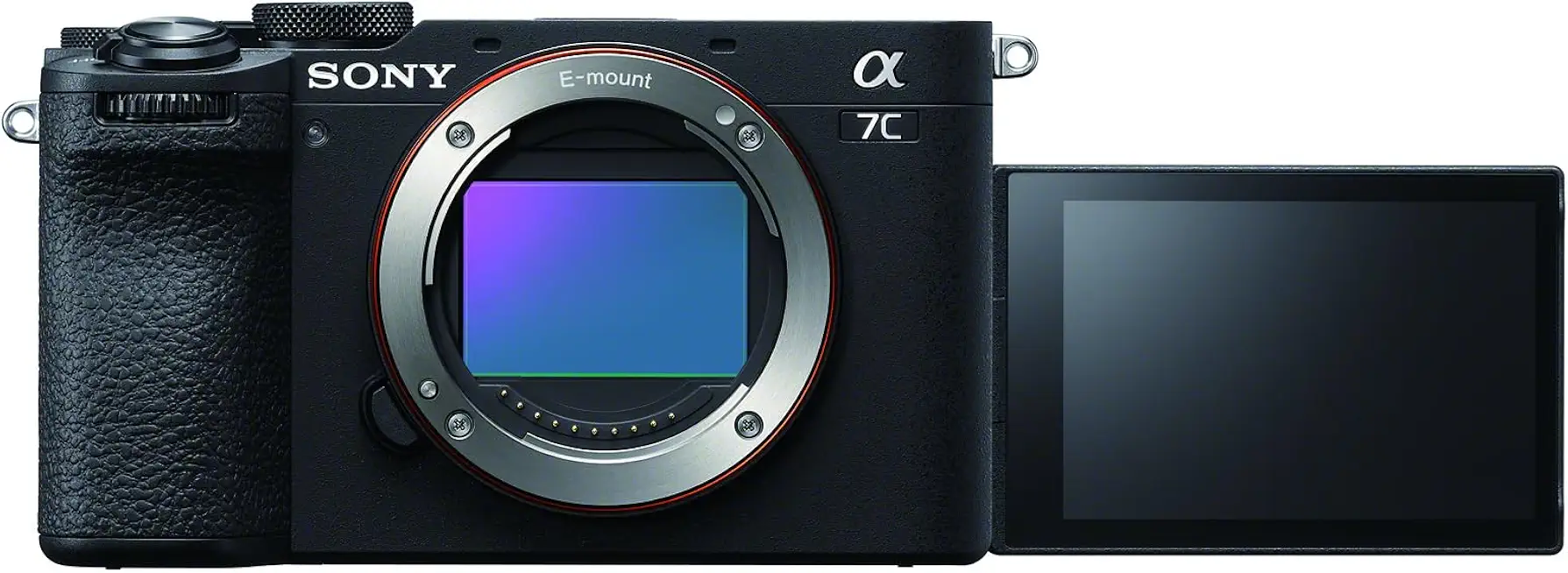
Sony Alpha 7C II Camera
Ultra-compact full-frame camera combining impressive low-light performance, advanced autofocus, and stabilized video capture. 4K recording, refined ergonomics, and long battery life deliver professional stills and cinematic footage in a pocketable body.
Check PriceThe Sony Alpha 7C II beats the RP where it matters for many shooters: autofocus and video. In real use I found the Sony keeps focus when tracking moving people and animals more reliably, and its video feels smoother with less crop and more confidence in focus during recording. If you shoot a mix of photos and video or need a small body that still nails moving subjects, the 7C II will feel like a clear step up.
What it gives up compared to the RP is the Canon color and handling feel. Sony menus can be fiddly and the grip on the 7C II is smaller, so long shoots or big lenses can get tiring. Also, if you love Canon’s skin tones straight out of camera, you’ll notice a different look that takes some adjustment.
This camera is for the traveler or hybrid shooter who wants pocketable full-frame performance, strong AF, and better video than the RP. If you want uncropped, confident video and an all-around autofocus workhorse, pick the 7C II. If you prefer Canon’s color and a friendlier menu, stick with the RP.
Alternative 2:
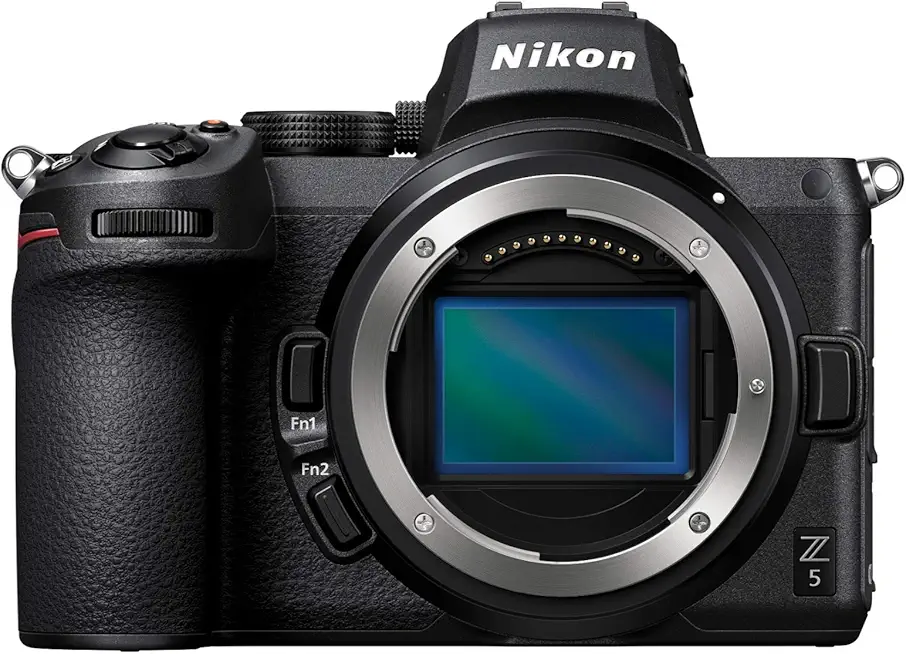
Nikon Z 5 Camera
Entry-level full-frame mirrorless crafted for enthusiasts seeking reliable performance and image quality. Weather-sealed body, in-body stabilization, dual card slots, and crisp color rendering make it ideal for everyday shooting.
Check PriceThe Nikon Z5 feels more solid in the hand and is built for day-to-day use in ways the RP is not. In the field I noticed the Z5’s weather sealing and in-body stabilization make it more forgiving when you’re shooting handheld in tough conditions or using older lenses. The dual card slots are also a real comfort for anyone who wants instant backup while on a job.
Compared to the RP, the Z5 is a bit heavier and doesn’t have Canon’s Dual Pixel AF warmth for portraits. Its autofocus is reliable for stills but can be a touch slower with fast-moving subjects, so action shooters might prefer something snappier. Also, the Nikon skin tones are different — many like them, but it’s a different look than Canon’s out‑of‑camera rendering.
This one is for the photographer who values build quality, reliability, and safety nets like dual cards. Wedding and travel shooters who need a tougher body and IBIS will prefer the Z5. If you want the lightest possible full-frame for casual travel, the RP still has the edge.
Alternative 3:
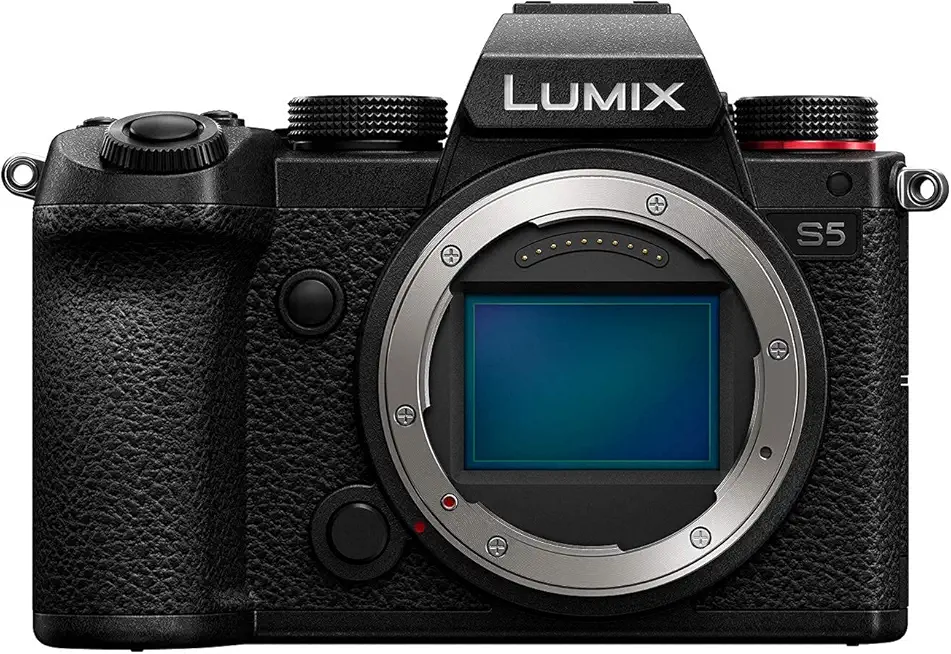
Panasonic LUMIX S5 Camera
Versatile hybrid full-frame designed for creators who shoot stills and video. 10-bit internal 4K/60 recording, film-like color profiles, robust stabilization, and portable magnesium alloy build for on-location production.
Check PriceThe Panasonic S5 is the hybrid shooter’s tool. In real shoots I appreciated how much more control you get for video — smoother frames, richer color options, and stronger stabilization for handheld work. If you shoot interviews, short films, or lots of 4K video, the S5 makes the RP feel limited by comparison.
Where the S5 loses to the RP is in autofocus feel for stills and sheer size. The S5’s AF can be less punchy with eyes and fast-moving people compared with Canon’s Dual Pixel system, and the body is a bit bulkier. If your priority is quick portrait work and Canon color straight from the camera, the RP still wins for simplicity.
Choose the S5 if you do serious video or need a camera that’s built for long, mixed shoots with lots of footage. Hybrid creators who want better internal video codecs and smoother handheld results will appreciate it. If you mainly shoot photos and want the smallest, easiest Canon system, the RP remains a strong, simpler pick.
What People Ask Most
Does it have in-body image stabilization?
No — there is no in-body stabilization; the camera relies on lens-based IS.
Is the 4K video cropped?
Yes — 4K UHD uses an approximate 1.6x crop.
Does 4K use Dual Pixel AF?
No — 4K uses contrast AF instead of Dual Pixel AF, which can lead to focus hunting.
Can I use EF and EF-S lenses?
Yes — EF and EF-S lenses are compatible when using Canon’s adapter.
Is there a headphone and mic jack?
Yes — the camera includes both a microphone input and a headphone output.
How many memory card slots are there?
There is one SD card slot, and it’s UHS-II compatible.
Conclusion
The Canon EOS RP Camera is one of the most compact and approachable full-frame bodies Canon has made. In real-world shooting it excels where it counts — color rendition, dynamic range and autofocus reliability for stills. That combination makes it a satisfying choice for enthusiasts, travel shooters and APS‑C users ready to step up without adding weight.
That said, the RP is unapologetically focused on photography, not cine work. Its 4K implementation uses a cropped capture and lacks the full-frame phase-detect autofocus behavior that makes Canon’s Dual Pixel system so useful in HD, so you’ll notice focus hunting and tighter framing when shooting video. Add a single card slot and modest continuous performance, and the camera is less well suited to pro workflows that demand redundancy and high-speed capture.
Ultimately the Canon EOS RP Camera offers strong image quality, excellent photo AF and an easy-to-carry package at a realistic price. For stills-focused photographers who want full-frame tonality and dependable autofocus in a small body, it represents very good value. If video, dual-card security or top-end speed are must-haves, consider more video-centric or higher-end alternatives; otherwise the RP is an intelligent and pleasurable photo-first full-frame buy.
Canon EOS RP Camera
Compact full-frame mirrorless offering lightweight handling and exceptional image quality. Fast Dual Pixel autofocus, intuitive vari-angle touchscreen, and built-in Wi-Fi make it perfect for travel photographers and creative enthusiasts.
Check Price


0 Comments