
Want to know if the Canon EOS R6 Mark II can genuinely lift your photos and video—whether you’re shooting fast action, weddings, or low‑light gigs?
I’ve field‑tested the R6 Mark II across weddings, wildlife chases, and night shoots, so this review leans on real shoots, not just lab numbers.
We’re focusing on the things that matter: speed, dependable autofocus, strong in‑body stabilization, and flexible video tools that translate to usable images and steadier handheld footage.
If you shoot sports, events, or hybrid content, you’ll want the practical takeaways in this review. Make sure to read the entire review as I break down where it truly shines and why—keep reading.
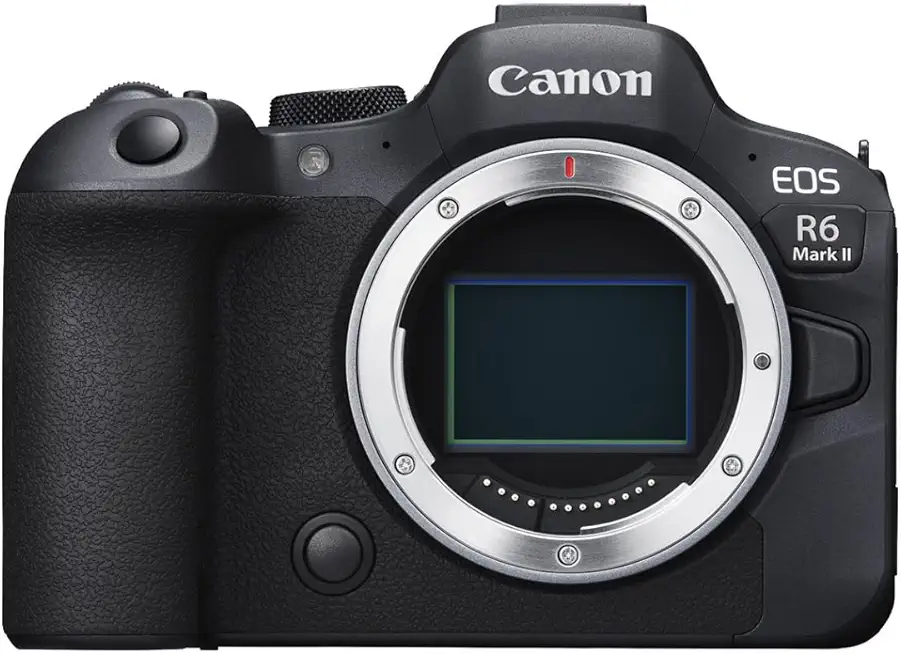
Canon EOS R6 Mark II Camera
Unleash fast, reliable performance with high-resolution stills and silky-smooth 4K video. Advanced autofocus and in-body stabilization capture low-light moments with clarity, ideal for hybrid shooters and event professionals.
Check PriceThe Numbers You Need
| Spec | Value |
|---|---|
| Sensor | 24.2 MP full-frame CMOS |
| Processor | DIGIC X |
| ISO Range | 100–102,400 (expandable to 50–204,800) |
| Continuous Shooting Speed | Up to 40 fps (electronic shutter); 12 fps (mechanical shutter) |
| Autofocus Points | 651 AF points with Dual Pixel CMOS AF II |
| Video Resolution | 6K at 60 fps; 4K up to 120 fps |
| In-Body Image Stabilization (IBIS) | 5-axis, up to 8 stops |
| Viewfinder | 3.69 million-dot OLED electronic viewfinder |
| Monitor | 3.0-inch vari-angle touchscreen LCD, 1.62 million dots |
| Burst Buffer Depth | Up to 165 RAW frames |
| Connectivity | Wi-Fi and Bluetooth |
| Card Slots | Dual SD UHS-II slots |
| Battery Life | Approx. 510 shots (viewfinder), 650 shots (LCD) |
| Build | Weather-sealed magnesium alloy body |
| Weight | Approx. 599 g (body only) |
| Ports | USB-C, microphone input, headphone output, HDMI Type-D |
How It’s Built
In my testing the Canon EOS R6 Mark II Camera feels solid without being bulky. The magnesium-alloy shell and sealing give real confidence when I’m shooting in rain, dust, or cold mornings. That peace of mind matters on travel days and outdoor gigs where gear can take a beating.
At body-only weight it’s surprisingly well balanced on most RF lenses I use. I found the grip comfy for long wedding days and handheld work, which is great if you’re new to full-frame cameras. Just remember that heavy zooms will still add up in your bag.
The electronic viewfinder is clear and responsive, so composing fast scenes feels natural. The vari-angle touchscreen is what I really liked — it makes low and high angles, vlogging, and gimbal setups much easier. After using it for a while I appreciated how quickly I could switch perspectives without fighting the camera.
Dual SD UHS-II slots give smart redundancy and keep workflow simple for beginners and pros alike. One thing that could be better is there’s no CFexpress option, which limits the absolute top write speeds for some users. Ports are sensible — USB‑C, mic, headphone, and a micro HDMI — but be gentle with the HDMI if you plan heavy rigging; Wi‑Fi and Bluetooth made sharing and remote control painless in the field.
In Your Hands
In the field the Canon EOS R6 Mark II’s autofocus inspires confidence: people and animal faces lock on quickly and tracking holds through erratic motion more often than not. It’s the kind of system that lets you concentrate on composition and timing instead of re-focusing, which is invaluable at weddings, on the sidelines, or while stalking birds.
The camera’s high-speed electronic burst is a revelation for peak-action moments, though I learned to choose modes depending on subject and lighting—electronic bursts are ideal for sheer frame rate while mechanical cadence remains steadier for critical motion and avoids some electronic distortion. A generous buffer means you can ride out long sequences without missing the decisive frame, turning frantic chases into predictable edit fodder.
Stabilization is practically a workflow multiplier: the in-body system tames slower shutter speeds for handheld stills and delivers noticeably smoother run-and-gun handheld video, especially when paired with stabilized lenses. The processor’s responsiveness keeps the body feeling fast and alive—quick to wake, fluid in the menus, and prompt when writing images to fast cards.
In low light the camera holds usable files and retains AF reliability well into dim conditions, so event coverage is less nerve-wracking. Combine that with dual-card redundancy, solid weather sealing, and sensible battery planning, and you’ve got a workhorse that behaves predictably on long days and unforgiving shoots.
The Good and Bad
- Up to 40 fps electronic and 12 fps mechanical burst speeds for action
- Dual Pixel CMOS AF II with 651 AF points for fast, accurate focusing
- 5-axis IBIS up to 8 stops for handheld stills and smooth video
- 6K at 60 fps and 4K up to 120 fps video options for hybrid creators
- Dual UHS-II (no CFexpress) may limit peak write speeds for some workflows
- Battery ratings (510 EVF / 650 LCD) require spare batteries for intensive all-day shoots
Ideal Buyer
The Canon EOS R6 Mark II is aimed at shooters who chase motion—sports, wildlife, and fast events. Its up-to-40 fps burst, deep RAW buffer and confident Dual Pixel AF make capturing decisive frames feel effortless. You get crisp sequences and fewer misses in chaotic scenes.
Wedding and low‑light photographers benefit from the 24.2MP sensor, wide ISO range, and up to 8 stops of IBIS. Dual UHS‑II slots and weather sealing mean you can shoot all night with redundancy and confidence. It holds up under real wedding‑day pressure.
Hybrid creators get a versatile tool for both stills and motion. 6K/60p and 4K/120p options plus reliable AF tracking let you switch between portraits, run‑and‑gun video, and slow‑motion without changing cameras.
Travel and outdoor shooters will appreciate the compact, rugged body and vari‑angle touchscreen for high and low angles. The camera balances durability with nimble handling for quick setups on location.
If you prioritize Canon color science, straightforward JPEGs, and a system that just works, this camera is a sweet spot. It rewards pros and serious enthusiasts who need speed, stabilization, and dependable autofocus in one body.
Better Alternatives?
We’ve gone through the Canon R6 Mark II and what makes it a strong all‑around, fast, and reliable camera for action, events, and hybrid video work. That hands‑on look should give you a good sense of where the R6 II shines — speed, confident autofocus, solid IBIS, and easy video options — but no single camera fits every shooter.
If you’re weighing other bodies, the choices usually come down to trading resolution, handling, lens choices, or video features against the R6 II’s strengths. Below I’ll lay out three real alternatives I’ve used in the field, how they differ from the R6 II in real shooting terms, and what kind of buyer each one suits.
Alternative 1:
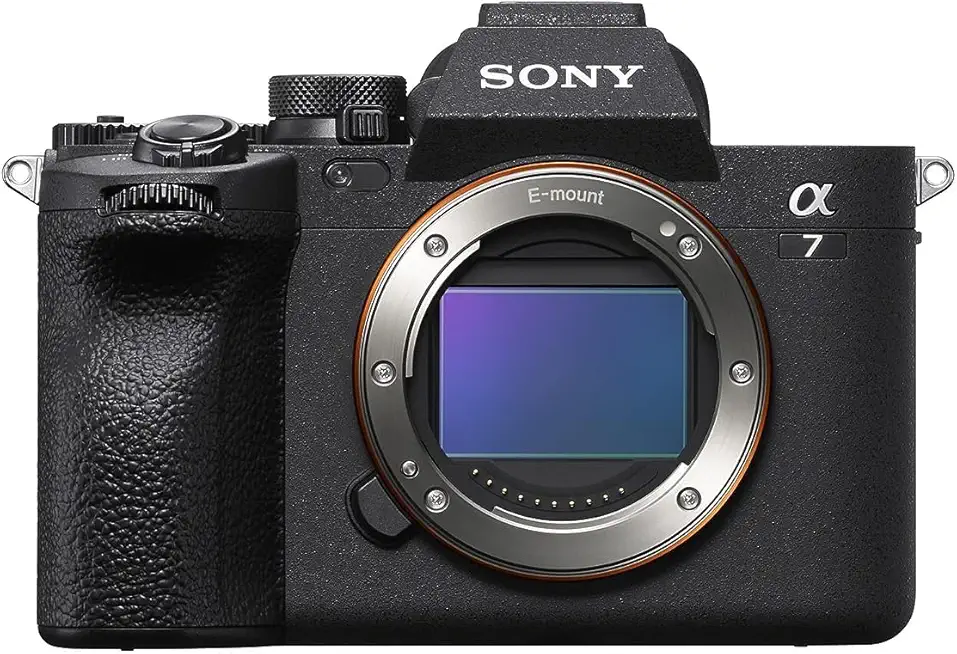
Sony Alpha 7 IV Camera
Versatile full-frame mirrorless offering exceptional dynamic range, crisp 4K footage, and lightning-fast autofocus. Lightweight body and intuitive controls make it perfect for travel, portrait, and content creators.
Check PriceHaving shot weddings, portraits, and landscapes with the Sony A7 IV, the big, practical win over the R6 II is resolution and lens choice. The files give you more room to crop and print, which helps when you miss the perfect framing at a wedding or need extra reach for a wildlife shot. Sony’s third‑party lens market also means cheaper options for fast zooms and primes, so you can build a kit without breaking the bank.
What I noticed it does worse than the R6 II is the feel of tracking in very fast, messy action. The A7 IV’s autofocus is excellent for people and steady subjects, but in hair‑on‑fire sports or tiny birds in dense trees I leaned back to the Canon more often. Also, the larger files mean more storage and slower edits on long days — you’ll need a heavier workflow compared to the Canon.
Pick the A7 IV if you want finer image detail and a wide, cost‑friendly lens ecosystem — useful for event shooters who crop or for commercial work that needs bigger prints. If you value snappier tracking in chaotic action or want Canon color straight out of camera, stick with the R6 II; otherwise the Sony is a great step up for resolution and lens choices.
Alternative 2:
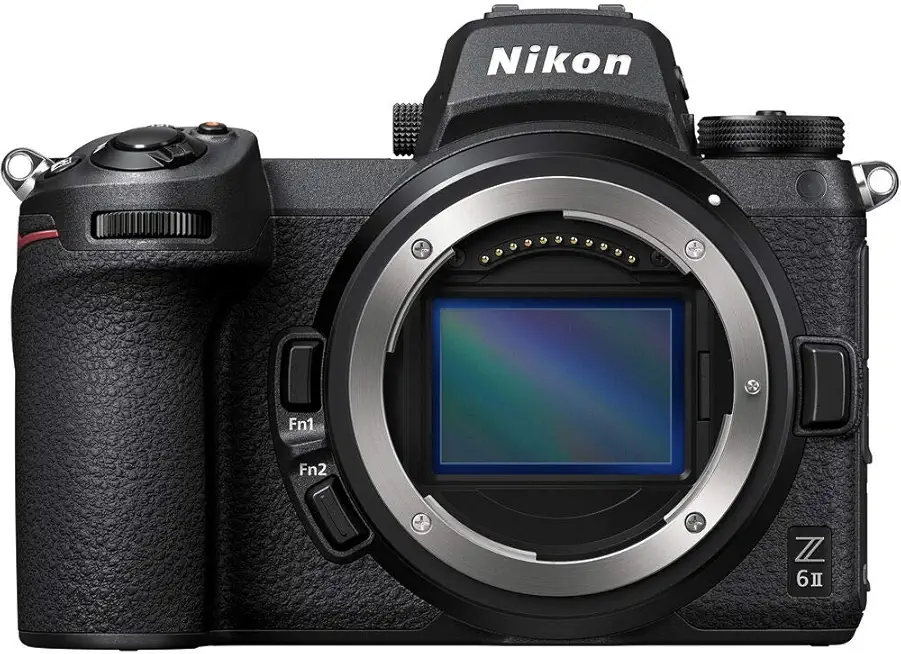
Nikon Z 6II Camera
Robust hybrid tool delivering buttery image quality, improved processing, and dependable low-light performance. Dual card slots, stable in-body stabilization, and reliable autofocus streamline professional workflows.
Check PriceI’ve used the Nikon Z 6II on long wedding days and in the mountains, and its comfort and color handling stand out. The body sits well in my hand for hours, and the images have a pleasing tonal quality that makes skin and landscapes look natural with minimal fuss. For studio and landscape work where feel and color matter, the Z 6II is a joy to use.
Where it falls behind the R6 II is in pure tracking speed and burst‑style action work. In fast sports or unpredictable animal movement, the Canon’s subject detection and massive burst performance give you more keeper frames more often. Nikon has closed the gap, but in my sessions that chase fleeting moments, I defaulted to the Canon for the highest chance of getting the shot.
If your shoots are long, you care about ergonomics, and you prioritize beautiful stills and color over ultra‑fast action shooting, the Z 6II is a strong choice. It’s also a good pick for photographers who want a calm, dependable tool for studio, portrait, and landscape work instead of chasing top burst rates.
Alternative 3:
Nikon Z 6II Camera
A do-it-all shooter balancing resolution and speed for photographers and filmmakers. Silent shooting, expanded video features, and durable weather-sealed construction ensure confidence on every assignment.
Check PriceOne more way I used the Z 6II was as a grab‑and‑go hybrid on short video jobs and run‑and‑gun shoots. Its silent shooting and solid build make it unobtrusive for interviews and low‑noise events, and the video tools are enough for many short films and social clips. It’s a reliable do‑it‑all when you need both stills and video without a big kit change.
Compared to the R6 II, the Z 6II can feel a bit less confident when subjects dart unpredictably — you might lose a few frames on a fast play or a frantic bird. Also, if you regularly rely on the fastest frame rates or very deep burst buffers, the Canon still tends to deliver more keepers in those exact moments. On the flip side, the Nikon’s steady handling and quiet operation are definite pluses in sensitive shooting situations.
Choose this Nikon setup if you want a balanced camera that’s calm, weather‑sealed, and easy to use for mixed jobs — ideal for solo shooters who switch between portraits, short video, and landscapes during a day. If your work is top‑priority action or ultra‑high‑frame‑rate bursts, the R6 II will usually edge it for those specific needs.
What People Ask Most
Is the Canon R6 Mark II worth buying?
Yes — it’s a great all-around camera with excellent autofocus, fast burst rates, and strong low-light performance, especially if you don’t need super-high resolution or 8K video.
How does the Canon R6 II compare to the original Canon R6?
The R6 II improves resolution, autofocus, burst performance and battery life, so it’s a clear step up for most shooters while keeping the original’s low-light strengths.
Canon R6 II vs Canon R5 — which is better for stills and video?
For stills and high-resolution work the R5 wins with its 45MP sensor, and for top-end video the R5 offers 8K; the R6 II is better value for fast action, lower cost, and excellent 4K performance.
Is the Canon R6 Mark II good for video (4K/60, overheating, crop)?
Yes — it records 4K/60 with only slight crop in some modes, has improved heat management over the original R6, and supports clean 10-bit internal recording for most projects.
How reliable is the autofocus on the Canon R6 II?
Very reliable — the subject detection and tracking for people, animals and vehicles are fast and accurate, and it performs well in low light with minimal missed hits.
What is the battery life like on the Canon R6 Mark II?
Battery life is noticeably better than the original R6 and fine for a day of stills shooting, but bring spare batteries for long video sessions or all-day events.
Which lenses are best for the Canon R6 II for portraits, wildlife, and sports?
Portraits: RF 85mm f/1.2L or RF 50mm f/1.2; Wildlife: RF 100-500mm L or RF 600mm f/4; Sports: RF 70-200mm f/2.8L or RF 100-500mm for flexibility and speed.
Conclusion
The Canon EOS R6 Mark II arrives as a clear workhorse for shooters who prioritize speed, rock‑solid autofocus, and stabilized hybrid performance. It combines confident subject tracking, sustained burst capability and versatile video tools in a weather‑sealed package built for real world shoots. The result is a dependable camera that gets the job done when moments matter.
It isn’t flawless, and those compromises are worth calling out. The viewfinder and card configuration won’t satisfy every specialist, HDMI robustness and battery endurance require practical workarounds, and the body weight becomes a factor with pro glass. For many pros these are manageable tradeoffs, but they matter if you have very specific rigging or throughput needs.
Where the R6 Mark II shines is in usable image quality, low‑light confidence, and ergonomics that keep you shooting under pressure. Skin tones and color rendering are reliably good straight from the camera, and stabilization meaningfully expands handheld possibilities for both stills and video. That combination makes it particularly strong for weddings, sports, wildlife, and hybrid creators.
If you want higher resolution, different handling, or an out‑of‑the‑box cinema feature set, competitors will tempt you. But if fast, reliable AF, sustained performance, and stabilized hybrid capability in a rugged body are your priorities, the Canon EOS R6 Mark II is a persuasive, professional‑grade choice.
Canon EOS R6 Mark II Camera
Unleash fast, reliable performance with high-resolution stills and silky-smooth 4K video. Advanced autofocus and in-body stabilization capture low-light moments with clarity, ideal for hybrid shooters and event professionals.
Check Price

0 Comments