
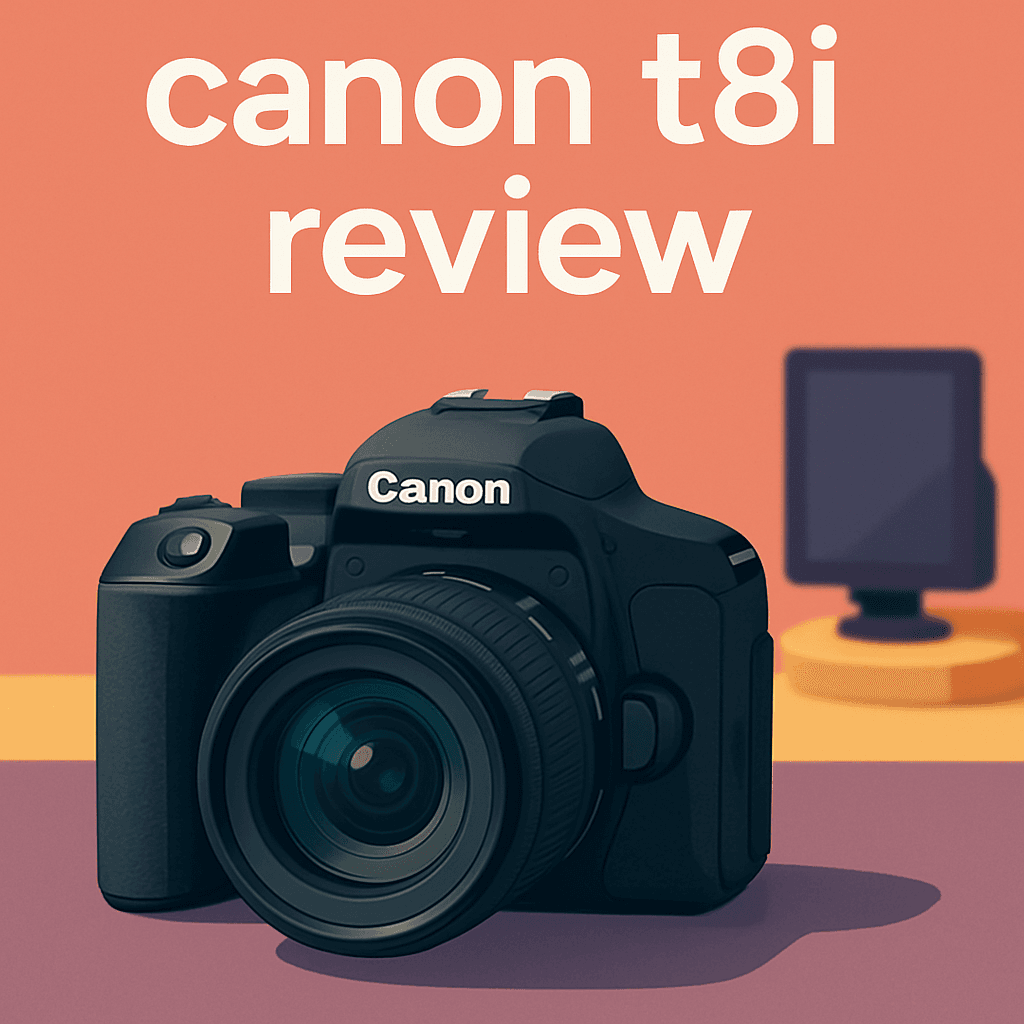
Want a DSLR that’s easy to learn but still makes your photos look pro?
I personally field-tested the Canon EOS 850D Camera and compared it with a couple of close rivals. It’s aimed at beginners, intermediate shooters, vloggers, and content creators.
Its strengths are practical and clear: reliable autofocus for stills, a vari-angle touchscreen, and very good image value. You’ll appreciate fast, repeatable results in real shoots.
There’s one clear trade-off: its 4K video has limits. That means wider shots feel cropped and autofocus isn’t as smooth in 4K.
In practice that still leaves a camera that nails portraits, action bursts, and easy vlogs. It’s compact, comfy to hold, and won’t push you to upgrade immediately.
You’ll get clear pros and cons. I’ll show exactly where it fits in your kit.
You’ll get practical tips, not fluff — keep reading as I’ll reveal something shocking about the Canon EOS 850D Camera that might change your photo quality drastically.

Canon EOS 850D Camera
Lightweight DSLR with a 24.1MP sensor, intuitive vari-angle touchscreen, and Dual Pixel autofocus for sharp photos and 4K video. Ideal for budding photographers seeking creative control and reliable performance.
Check PriceThe Numbers You Need
| Spec | Value |
|---|---|
| Model | Canon EOS 850D (Rebel T8i) |
| Sensor size | APS-C (22.3 x 14.9 mm) |
| Resolution | 24.1 megapixels (6000 x 4000) |
| ISO range | Auto, 100–25600; expandable to 51200 |
| Lens mount | Canon EF / EF-S |
| Continuous shooting | Up to 7.0 fps |
| Autofocus system | Dual Pixel CMOS AF for stills and 1080p; 4K uses contrast-detection AF |
| Viewfinder AF points | 45 cross-type AF points (optical viewfinder) |
| 4K video | 4K UHD at 23.98 fps |
| 4K crop factor | 1.6× crop when recording in 4K |
| Full HD video | Full HD up to 60 fps |
| LCD | 3.0-inch vari-angle touchscreen |
| Battery life | ≈800 shots (viewfinder); ≈310 shots (live view) |
| Dimensions | 131 x 103 x 76 mm |
| Weight | 515 g |
How It’s Built
In my testing the Canon EOS 850D Camera feels solid without being heavy, thanks to its aluminum alloy and polycarbonate resin mix. It’s the kind of body you can sling over your shoulder for a whole day and not hate yourself by mid-afternoon. That mix means it survives everyday knocks while staying friendly for travel and street work.
The layout is thoughtful and easy to learn, with an AF-ON button and a Quick Control Dial right where your thumb can find them. I found back-button focus works naturally here, and changing exposure or ISO with the dial feels fast and instinctive. For beginners that means less fumbling and more time watching your subject.
The vari-angle touchscreen is a real highlight for me and makes vlogging and low-angle shots a breeze. Touch focus and touch-to-shoot saved me from awkward contortions during real shoots, and it’s a huge help when you’re still learning composition. It’s the feature I reached for most days on the job.
If there’s a downside it’s that the grip could be chunkier and the body isn’t aimed at heavy weather sealing. After using it for a while I’d like a firmer hold for big lenses and more confidence in rainy conditions. Still, for most beginners the build and controls hit the sweet spot between durability and ease of use.
In Your Hands
The Canon EOS 850D feels immediately capable in the hands of a photographer who needs reliable, everyday performance; its phase-detection autofocus for stills and standard-definition video is both quick and dependable, locking onto faces and moving subjects with confidence. In practice that means fewer missed moments when shooting events or on the run, and a reassuringly responsive shutter-to-image experience. When you switch to 4K, however, the camera reverts to a different AF method that can be slower and less consistent, so expect to spend a bit more time managing focus during clips.
Shooting 4K delivers a crisp, cinematic look but with a narrower field of view, so lens choice and framing become more deliberate decisions than they are in lower-resolution modes. For most run-and-gun creators the Full HD option provides smoother motion and more forgiving autofocus, making it the preferred choice for fast-paced handheld work. If you primarily capture stills, the camera’s tracking and burst capability make it a solid performer for action and fleeting expressions.
Battery life on the 850D is generous for a day of typical shooting, yet sustained video work noticeably shortens that endurance and benefits from a charged spare. The vari-angle touchscreen and clean ergonomics keep long sessions comfortable and make vlogging and awkward-angle shooting straightforward. Overall, the camera balances responsiveness and practicality in real-world use, with a few video-centric compromises to keep in mind.
The Good and Bad
- Vari-angle touchscreen
- Dual Pixel AF for stills and 1080p video
- High-speed continuous shooting up to 7 fps
- Balanced image quality and affordability for the target market
- Dual Pixel AF not available in 4K video mode
- No headphone jack for audio monitoring
Ideal Buyer
The Canon EOS 850D Camera is ideal for beginners and intermediate photographers who want a capable, reliable DSLR for stills. Its 24.1MP APS‑C sensor, fast 7 fps burst rate, and Canon Dual Pixel AF deliver confidence for action, portraits and everyday shooting. Ergonomic controls, a Quick Control Dial and an AF‑ON button make it easy to learn and grow with.
Videographers who primarily shoot Full HD will get the most from this body. Dual Pixel AF works in 1080p for smooth, reliable subject tracking, while 4K is limited by a 1.6x crop and contrast‑detect autofocus. If you accept those tradeoffs or only need occasional 4K, the 850D is a practical, affordable choice.
Content creators and vloggers will value the 3‑inch vari‑angle touchscreen and the camera’s compact, lightweight design for handheld and on‑the‑go work. Compatibility with Canon EF and EF‑S lenses means you can tap into a massive lens ecosystem without switching mounts. Overall it’s a budget‑friendly, well‑rounded camera for hobbyists, students and creators who prioritize good stills autofocus and flexible shooting angles.
Sports and wildlife beginners who want to learn action photography will appreciate the 7 fps burst and 45 cross‑type viewfinder points for composing fast scenes. Travelers and family shooters will like the balance of size, battery life and image quality. In short, the 850D suits anyone seeking a versatile entrance into Canon’s EF/EF‑S ecosystem.
Better Alternatives?
We’ve already dug into what the Canon EOS 850D (T8i) does well — a solid, user‑friendly DSLR that’s great for beginners who want good photos and easy controls. If you’re reading this, you might be wondering if there’s something that fits your shooting style better, whether that’s more speed, better detail, or a lighter body for travel.
Below I’ll walk through three real alternatives I’ve used in the field. I’ll point out what each one does better and worse than the 850D, and who I think would choose each one in real shooting situations.
Alternative 1:

Canon EOS 90D Camera
High-resolution APS-C DSLR delivering 32.5MP detail, rapid continuous shooting, and durable handling. Exceptional autofocus and battery life make it perfect for sports, wildlife, and demanding enthusiast photographers pursuing speed and clarity.
Check PriceI’ve used the 90D on long shoots and the first thing that stands out versus the Canon EOS 850D is the extra detail and speed. The higher-resolution sensor and faster burst shooting mean you can crop more aggressively and still pull sharp images — useful for birds, sports, and prints. In real life that means fewer missed shots and more keepers when subjects are far away or moving fast.
What it doesn’t do as well as the 850D is keep things light and cheap. The 90D is bigger and heavier, so it’s less comfortable on long walks or for casual day trips. It’s also a bit more expensive, so if you mainly shoot family photos or video the extra size and cost might not feel worth it.
Pick the 90D if you’re a shoot-first, crop-later kind of photographer — someone who chases action or wildlife and wants raw detail and longer battery life. If you’ve already got a bag of EF/EF‑S glass and want a tougher DSLR that delivers more speed and resolution than the 850D, this is the camera I’d reach for.
Alternative 2:
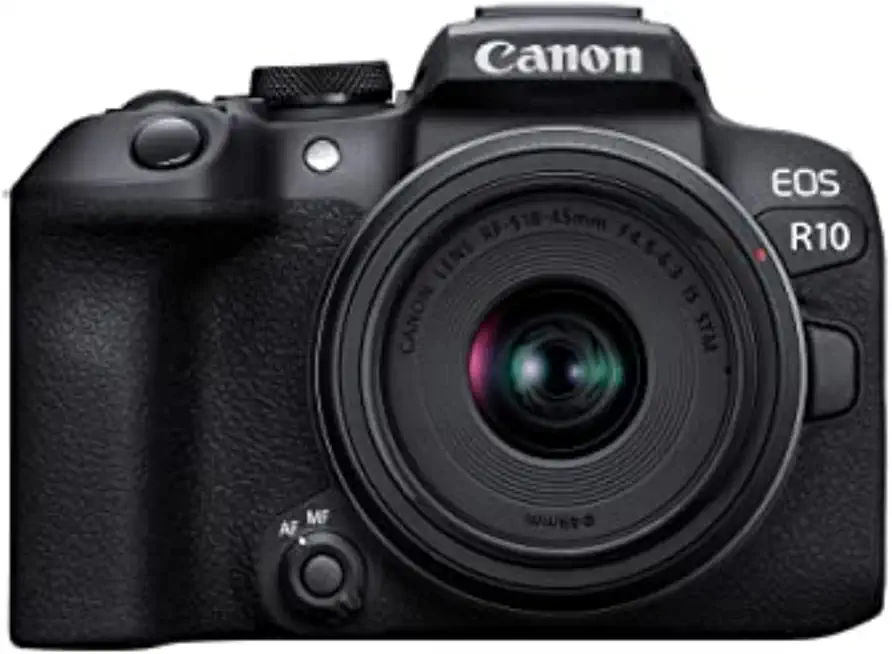
Canon EOS R10 Camera
Compact mirrorless offering speedy burst rates, advanced autofocus, and crisp 4K video in a lightweight body. Designed for content creators and hobbyists craving portability without sacrificing image quality and responsiveness.
Check PriceIn the field the R10 feels like a modern upgrade from the 850D. It’s much smaller and quicker to point and reframe, and the autofocus is snappier for tracking people and pets. Video-wise the R10 gives cleaner, more usable 4K and smoother focus, so if you make a lot of video the results feel more polished straight out of the camera compared to the 850D’s more limited 4K handling.
The trade-offs are practical: battery life doesn’t match the 850D’s DSLR endurance, and if you have lots of EF lenses you’ll need an adapter. You also lose the optical viewfinder experience — some people prefer that for long shoots. For long days on location the mirrorless battery life and extra adapters are things to plan around.
Choose the R10 if you want a light, modern camera for travel, vlogging, or everyday street work. If you value a small body, fast AF and great video in a package that’s easy to carry, the R10 is the better pick than the 850D. Don’t pick it if you rely on long battery life and the feel of a DSLR for hours at a time.
Alternative 3:
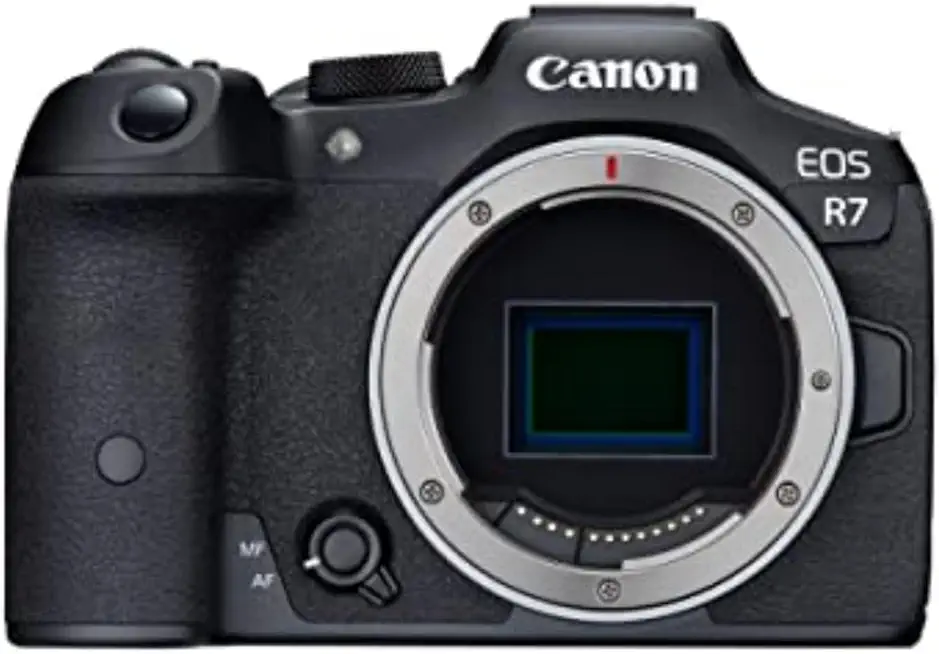
Canon EOS R7 Camera
Advanced APS-C mirrorless packed with a high-resolution sensor, blazing autofocus, and rapid burst performance. Rugged and versatile, it excels for action, wildlife, and hybrid shooters demanding speed, precision, and low-light capability.
Check PriceThe R7 sits above the 850D in real shooting performance. When I’ve used it for sports and fast subjects the autofocus and frame rates catch almost everything I point it at. The image files feel cleaner in low light and the tracking is more reliable, so you get usable images from tougher situations without needing to babysit focus.
On the downside the R7 is pricier than the 850D and you’ll notice larger lenses for similar reach when you move to high-speed glass. It’s a more serious tool, which means a steeper learning curve if you’re used to the simple workflow of the 850D. Mirrorless batteries are also not as long-lasting as the DSLR’s, so expect to swap batteries on long days.
Go for the R7 if you’re stepping up to more demanding shooting — wildlife, action, or hybrid work where you need fast AF and high hit rates. If you want a long-term camera that grows with you and you plan to embrace the mirrorless workflow, the R7 is the clear choice over the 850D. If you want the easiest, cheapest path to good photos though, the 850D still holds value.
What People Ask Most
What is the maximum video recording time?
30 minutes per clip for all formats.
Is Dual Pixel AF available in 4K video mode?
No — Dual Pixel AF is not available in 4K; 4K uses contrast-detection autofocus instead.
What is the 4K crop factor?
There is a 1.6x crop when recording in 4K.
Does the Canon EOS 850D have a headphone jack?
No, it does not have a headphone jack, though it supports an external microphone.
What are the continuous shooting speeds?
Up to 7.0 frames per second.
Which memory cards are supported?
SD, SDHC, and SDXC cards are supported, including UHS-I compatible cards.
Conclusion
The Canon EOS 850D Camera is a surprisingly complete APS-C DSLR that nails the essentials for stills-focused shooters. Its image quality, responsive autofocus for photos, and user-friendly controls make it an easy camera to live with. For anyone prioritizing photography with occasional video, it delivers exactly what you need without fuss.
Its strengths are clear: a vari-angle touchscreen that cine and vlogging workflows will love, dependable phase-detect autofocus for stills, and a compact, comfortable body that won’t fight you on long shoots. Its compromises are equally obvious — video in the highest resolution carries limitations in autofocus and framing, and there’s no onboard audio monitoring. Those flaws won’t matter to many buyers, but they will change the workflow for dedicated videographers.
In short, the Canon EOS 850D Camera is a pragmatic, well-priced choice for beginners and intermediates who want solid photos, easy handling, and access to a vast lens ecosystem. If you value video excellence or need the latest autofocus tricks, look to newer mirrorless options. Otherwise this remains a dependable, sensible DSLR that earns its place in a photographer’s bag.
Canon EOS 850D Camera
Lightweight DSLR with a 24.1MP sensor, intuitive vari-angle touchscreen, and Dual Pixel autofocus for sharp photos and 4K video. Ideal for budding photographers seeking creative control and reliable performance.
Check Price

0 Comments