
You’re tired of guessing how much do a camera cost and ending up overpaying. You want gear that makes photos sharper, cuts distortion, keeps battery life reasonable, and doesn’t slow your workflow. This primer lays out clear choices so you can spend smarter, not just more, and spot used or refurbished bargains.
Many assume flagship bodies automatically beat budget kits—that’s not always true, and marketing plays a role. We’ll unpack that myth and other pricing traps pros and hobbyists fall into. Beginners, travel shooters, and enthusiasts weighing sensor or lens choices will gain the most from this guide.
You’ll also learn how lenses and accessories often add more to your total cost than the body itself. That insight alone can save you months of buyer’s remorse and wasted cash.
No jargon or heavy specs here—just real trade-offs so you can pick what’s right for portraits, travel, or wildlife shooting. If you’re ready to make smarter choices and avoid common mistakes, keep reading because the fix is simpler than you think.
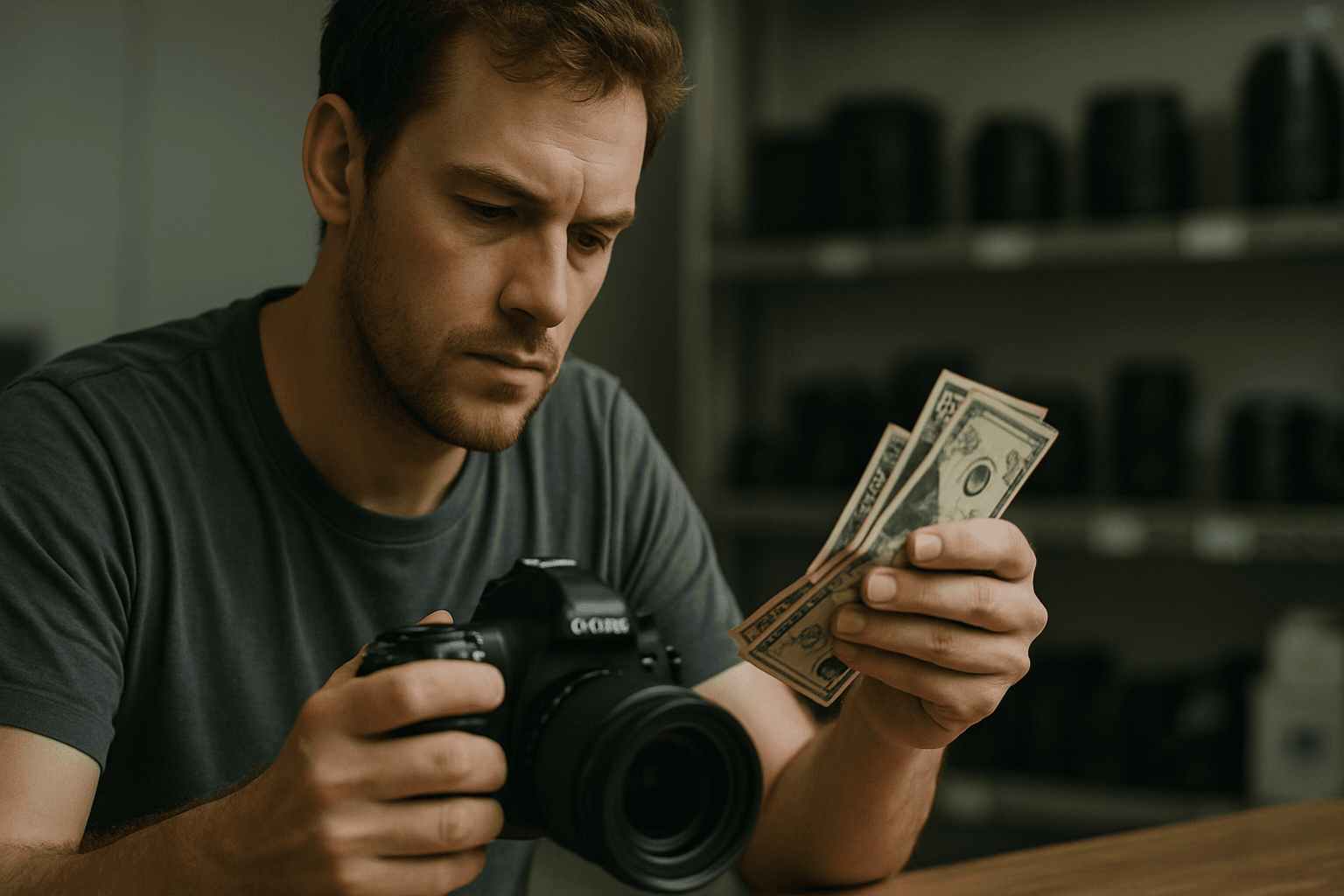
Historical trends in camera pricing
A decade ago, mid-range cameras felt close to flagships. Today, the gap widened as top models added stacked sensors, AI autofocus, and 8K video while entry-level stayed simpler.
Pricing ladders shifted upward, especially for full-frame mirrorless, as brands poured R&D into new mounts. Meanwhile, older DSLR lines slowed, keeping their prices steadier or trending down.
Industry roundups like best camera picks and cameras under $2000 highlight this split: trickle-down features arrive, but usually one or two generations later.
When students ask “how much do a camera cost,” I remind them features define price. You pay for speed, stabilization, and sensor tech, not just megapixels or a new badge.
Key Factors That Affect Camera Cost
Think of camera pricing like a recipe: sensor size, body design, stabilization, autofocus, and ecosystem all add to the final bill. Change one ingredient, and the total shifts.
Your shooting needs shape which ingredients matter. If you rarely print large, a smaller sensor may be smarter. If you chase sports, autofocus speed quickly outweighs resolution.
Before comparing models, write down the one thing you cannot compromise. That single priority will anchor every decision about how much do a camera cost for you.
Sensor Size (Full-frame, APS-C, Micro Four Thirds)
Full-frame sensors match 35mm film size, gathering more light for cleaner low-light images and shallower depth of field. They cost more due to larger silicon and tighter manufacturing tolerances.
APS-C and Micro Four Thirds use smaller sensors, trimming body and lens size. They’re lighter on the wallet and great for travel, with enough quality for prints and online work.
DSLR vs Mirrorless
DSLRs use an optical viewfinder and mirror, often delivering excellent battery life and robust ergonomics. They’re usually cheaper now, as investment shifts toward mirrorless ecosystems.
Mirrorless cameras remove the mirror, using electronic viewfinders and on-sensor autofocus. They pack cutting-edge features—IBIS, face/eye AF, advanced video—which raise cost but future-proof your setup.
In-Body Image Stabilization, Autofocus, and Resolution
IBIS, or in-body image stabilization, moves the sensor to counter shake. It’s amazing for handheld shooting and video, but adds complexity and typically pushes price higher.
Faster autofocus and back-illuminated (BSI) or stacked sensors improve speed, tracking, and low-light performance. Higher resolution helps detail and cropping, yet increases processing demands and cost.
Lenses and Accessories
Lenses often cost more than the camera body over time. Fast primes and pro zooms deliver sharpness and low-light reach, but they are the real budget movers in any kit.
Accessories quietly add up: extra batteries, memory cards, filters, a sturdy tripod, and a comfortable strap. Plan for these from day one when calculating how much do a camera cost.
Price Ranges for Different Camera Types (Entry-level → Mid-range → Flagship)
Entry-level bodies emphasize simplicity and value, often bundled with a kit zoom. Mid-range adds better sensors, weather sealing, and faster autofocus. Flagships deliver speed, durability, and deep buffers.
Within DSLRs, the hierarchy still exists, but pricing is gentler as new development slows. Mirrorless lines span wider, with cutting-edge features clustering at the top.
Full-frame systems generally sit above APS-C and Micro Four Thirds across tiers. The extra sensor area, larger lenses, and pro-focused features keep them higher in the hierarchy.
When deciding, remember the system cost, not just the body. A mid-range body with one excellent lens may outperform a pricier body paired with a mediocre zoom.
Comparison of Camera Features Across Price Points
I like to think in tiers when comparing features. Sources like best cameras for photography and cameras under $2000 illustrate how capabilities scale predictably.
Use this checklist-style view when weighing how much do a camera cost against what you truly need today.
- Budget: basic AF with face detect, no IBIS or limited versions, modest resolution, good but not great battery, plastic build, simple connectivity.
- Mid-range: reliable IBIS, faster AF with eye detect, higher resolution or better dynamic range, partial weather sealing, dual slots, stronger video features.
- Flagship: class-leading AF with deep learning, robust IBIS, high or stacked sensor speed, long battery life, full sealing, pro I/O and advanced wireless.
Budget-Friendly Alternatives and Real-World Setups
One of my favorite student kits was a used APS-C mirrorless body with a 35mm equivalent prime. We shot at golden hour, and the images rivaled newer full-frame rigs.
For travel, a Micro Four Thirds body with a compact 12–40mm zoom kept weight down without sacrificing sharpness. Smaller sensors shine when you carry your camera all day.
For portraits on a budget, pair an entry-level body with a fast 50mm or 85mm prime. Wide apertures create beautiful background blur without needing a flagship sensor.
Technique bridges gaps: use good light, stabilize your shot, and expose to protect highlights. With care, even modest gear produces files editors will love.
Used and Refurbished Camera Market
Used and refurbished gear stretches budgets dramatically. Certified refurbs often include a limited warranty, while clean used bodies can be steals if you inspect carefully.
I always check shutter count, which is like mileage on a car. Fewer actuations generally mean more life left, especially on DSLRs with mechanical shutters.
Ask about return policies and test windows. A seven-day return gives time to check autofocus accuracy, sensor cleanliness, and card slot reliability before committing.
Factor accessories into the used price. A body that includes extra batteries, a charger, and a memory card can lower overall cost more than a small price discount.
How to Choose a Camera Based on Budget and Needs
Start with your subjects: portraits, travel, wildlife, street, or video. Each niche demands different strengths, which directly shape how much do a camera cost for you.
Prioritize the top two features that matter. Maybe it’s autofocus and low light, or IBIS and 10-bit video. Let those priorities decide sensor size and body tier.
Study lens ecosystems before buying. Affordable primes, third-party options, and roadmap support influence long-term costs more than any single body purchase.
Cross-check picks against curated lists like best camera picks. Shortlists help avoid feature traps and keep you focused on practical gains.
Impact of Technology Advancements on Camera Prices
Stacked and BSI sensors boosted speed and low-light performance, enabling blackout-free shooting and clean high ISO. Those gains debuted at flagship prices, then gradually moved downward.
IBIS unlocked slower shutter speeds handheld, reducing the need for tripods. As stabilization improved to 7–8 stops, bodies gained complexity and, initially, higher price tags.
Mirrorless development accelerated everything: smarter autofocus, better video codecs, and refined ergonomics. Early adopters paid more, but features now filter to mid-range brackets faster.
Overall, technology raised expectations at every tier. You’ll pay extra for bleeding-edge features, but last year’s marvels often become this year’s bargains.
The Role of Brand Perception in Camera Pricing
Brand reputation carries a premium, especially around flagships. Materials, service networks, and professional ecosystems justify some of it, but name recognition plays a part too.
I compare spec sheets and real-world files before paying that premium. Two bodies may look different on paper, yet perform identically for your specific needs.
Consider the lens landscape and third-party support. A slightly pricier body can be offset by a wider range of affordable optics over time.
When friends ask how much do a camera cost for “the best brand,” I steer them back to results. Photos, not logos, should win that argument.
Practical Applications: Which Cameras Suit Which Photographers
Beginners benefit from lightweight bodies with clear menus and reliable autofocus. Prioritize usability and one good lens; learning curve matters more than chasing specs.
Hobbyists gravitate to mid-range mirrorless for flexibility—IBIS, better EVFs, and weather sealing. These bodies handle family trips one weekend and portraits the next.
Enthusiasts shooting action may want stacked-sensor speed and deep buffers. If you track birds or sports, autofocus intelligence beats raw megapixels every time.
Pros need durability, redundancy, and service. Dual card slots, robust sealing, and dependable color pipelines matter more than headline resolution alone.
Tips to Maximize Image Quality on a Budget
Invest in one excellent prime lens. Sharp glass at f/1.8 or f/2 transforms an entry-level body, delivering clean detail and creamy backgrounds without breaking the bank.
Learn exposure and composition. Expose for highlights, use leading lines, and wait for better light. Technique compounds value more than any single spec.
Stabilize whenever possible. Use IBIS wisely, lean against walls, or carry a small tripod. Lower ISO and sharp frames beat megapixels in real-world prints.
Process thoughtfully. Shoot RAW when available and apply gentle noise reduction and color correction. Subtle editing lifts files from “good” to portfolio-worthy.
What People Ask Most
Are all full-frame cameras expensive?
I don’t think all full-frame cameras are expensive; full-frame (larger sensor) bodies span a wide price range, with flagship models costing much more while several entry-level full-frame options offer strong value.
How does the cost of a DSLR compare to a mirrorless camera?
I find DSLRs can be cheaper for comparable older tech and often give better battery life, while mirrorless bodies usually command higher prices because they pack newer features like advanced autofocus and IBIS (in-body image stabilization).
What are the key factors that affect camera pricing?
I look at sensor size, resolution and BSI (back-illuminated) tech, autofocus speed, IBIS (in-body stabilization), build quality/sealing, and the lens ecosystem—lenses and accessories often add more to the total cost than the body.
Can a budget camera deliver high-quality images?
Yes—I’ve seen budget cameras deliver high-quality images when paired with a good lens, solid technique (exposure and composition), and careful post-processing.
Are used cameras a good option for beginners?
Yes, I recommend used or refurbished gear as a cost-effective option, but I always check shutter count, sensor condition, and the seller’s warranty/return policy to reduce risk.
How has the cost of cameras changed over the past decade?
I’ve seen prices split over the past decade: entry-level bodies became more accessible while flagship mirrorless and high-resolution models pushed the top end higher, a trend reflected in industry lists like TechRadar and DPReview.
Can you recommend budget-friendly lenses for entry-level cameras?
I recommend starting with the kit zoom for versatility and adding a fast 50mm prime for portraits; depending on your subjects, consider an affordable wide-angle for landscapes or a used telephoto for wildlife.
Final Thoughts on Choosing the Right Camera for You
When you first asked “how much do a camera cost” the question was more than price—it was about finding the right balance between features, lenses, and long-term value, and this piece was built to untangle that. The main benefit here is clarity: you should now be able to see which sensor sizes, stabilization systems, and body types matter most for your work, and where spending actually moves the needle. Remember, even a sound buying plan can’t erase every compromise—lenses, brand premiums, and the used market carry trade-offs that may affect your results or wallet.
This guide favors practical choice over gadget lust, and it’s written for beginners and serious hobbyists who want the most image quality per dollar; pros will also find the framework useful for system upgrades. You solved the opening pain by mapping features to needs rather than chasing specs, so you’re less likely to buy something mismatched to your shoots. Trust what you’ve learned, experiment with one sensible kit, and let real shooting teach you the rest.



0 Comments