

Want great full-frame photos without hauling a bag of lenses? Street and travel shooters love that freedom. You’re looking for speed, quality, and simplicity in one body, every single day.
I personally field-tested the Leica Q3 Camera and pitted it against a couple of close rivals. I’ll tell you where it shines and where it asks for compromises, truly, honestly.
It’s built for street and travel photographers who want stunning images and a camera that feels like a precision tool. Those traits pay off in daily shooting and handling everywhere.
The headline compromise is autofocus on fast action. It’s great for deliberate moments, but it can miss quickly moving subjects. So it’s really not ideal for sports or fast action.
I’ll show real-world shots and how it fits into your kit. So keep reading as I’ll reveal something shocking about the Leica Q3 Camera that could drastically improve your photos.

Leica Q3 Camera
A premium fixed-lens full-frame with legendary optics and tactile build, delivering stunning low-light performance, fast responsiveness, and seamless street photography for enthusiasts seeking uncompromised image quality and effortless control.
Check PriceThe Numbers You Need
| Spec | Value |
|---|---|
| Sensor | 60‑megapixel BSI CMOS full‑frame |
| Maximum resolution | 9520 × 6336 pixels |
| Lens | Fixed 28mm f/1.7 Summilux ASPH |
| ISO range | 50 to 100,000 |
| Autofocus | Phase‑detection and contrast‑detection AF |
| AF detection modes | Eye / Face / Body detection |
| Image stabilization | Optical image stabilization (OIS) |
| Viewfinder | 5.76 million‑dot OLED electronic viewfinder |
| Rear LCD | 3.0-inch tilting touchscreen, 1.8 million dots |
| Video recording | Up to 8K at 30 fps |
| Digital crop modes | 35mm, 50mm, 75mm, 90mm equivalents |
| Body material | Full‑metal housing |
| Weight | Approximately 743 g (with battery) |
| Dimensions | 130 × 80.3 × 92.6 mm |
| Target use | Street and travel photography (fixed‑lens compact) |
How It’s Built
In my testing the Leica Q3 Camera feels like something built to last. The full-metal body has a satisfying, solid weight and a smooth finish that makes the camera feel like a proper tool in your hands. That premium feel matters on the street and on trips because it simply inspires you to shoot more.
I found the tilting screen surprisingly useful for quick low or high shots, and it folds out of the way when you don’t need it. The compact shape keeps the camera low-profile, which is great for sneaking candid photos or packing light for travel. One thing I really liked was how that metal construction pairs with the small footprint to feel both durable and discreet.
After using it for a while, the one area that could be better is the grip and control size for big hands or when wearing gloves. The buttons and dials are crisp, but they sit close together on a compact body, so beginners should try it in person if possible. Still, the combination of sturdiness, the tilting screen, and easy portability makes it an excellent pick for street and travel shooters.
In Your Hands
The Leica Q3 delivers outstanding still-image quality in everyday use, rendering textures, tones and highlights with a breadth that makes recovering shadow and highlight detail forgiving. The Summilux lens combined with the camera’s processing produces images with a signature clarity and depth that keep you shooting in situations where image quality matters most.
Autofocus for single-shot work is quick and reliable, letting you lock focus and capture decisive moments on the street or while traveling without fuss. The camera also offers Eye, Face and Body detection which helps accelerate handheld portrait and candid shooting, improving keeper rates in real situations.
Continuous autofocus and subject tracking are where the Q3 shows limitations; following fast-moving subjects can be inconsistent and slower than expected, so it’s best to plan for that constraint. For fast action or sports you’ll find the tendency to hunt or drop tracking will occasionally cost you the shot.
Overall operation feels responsive and refined most of the time, though I noticed occasional slow startup behavior that can interrupt a sudden shooting opportunity. In short, the Q3 shines for deliberate, composed shooting and excels with static or gently moving subjects where its image quality can really stand out.
The Good and Bad
- High image quality
- Portable design
- Versatile 28mm Summilux lens with digital crop modes
- Premium metal build and feel
- Slow continuous AF / less reliable continuous tracking
- Limited ergonomics compared to larger camera bodies
Ideal Buyer
If you spend your days on the street, the Leica Q3 is for photographers who crave uncompromising image quality in a discreet package. Its 28mm Summilux and 60MP sensor deliver files that hold detail and character, while the compact metal body slips into a coat or bag without announcing itself. Fast single-shot AF and responsive handling make decisive moments easier to capture.
Travel shooters who value portability and build will appreciate the Q3’s weight and rugged full‑metal construction. The high resolution and digital crop modes let you frame everything from wide cityscapes to tighter portraits without swapping lenses. Optical stabilization and a tilting touchscreen keep handheld shooting practical across changing light and angles.
Buyers willing to work within a fixed‑lens system — photographers who prefer simplicity, consistency and image quality over interchangeable‑lens flexibility — will get the most from this camera. It’s best for deliberate, documentary and editorial work rather than fast action, so if you often chase sports or wildlife, look elsewhere. For those prioritizing craft, feel and a single exceptional lens, the Leica Q3 is hard to beat.
Better Alternatives?
We’ve already gone deep on the Leica Q3 — its gorgeous 28mm Summilux look, the high-res files, and that simple, ready-to-shoot feel. But not everyone wants a fixed-lens camera or the particular trade-offs that come with it.
Below are a few cameras I’ve used in real shoots that cover different needs: more speed, more lens choices, or more versatility. Each one shines in the places the Q3 is limited, and each also gives up something the Q3 does well.
Alternative 1:
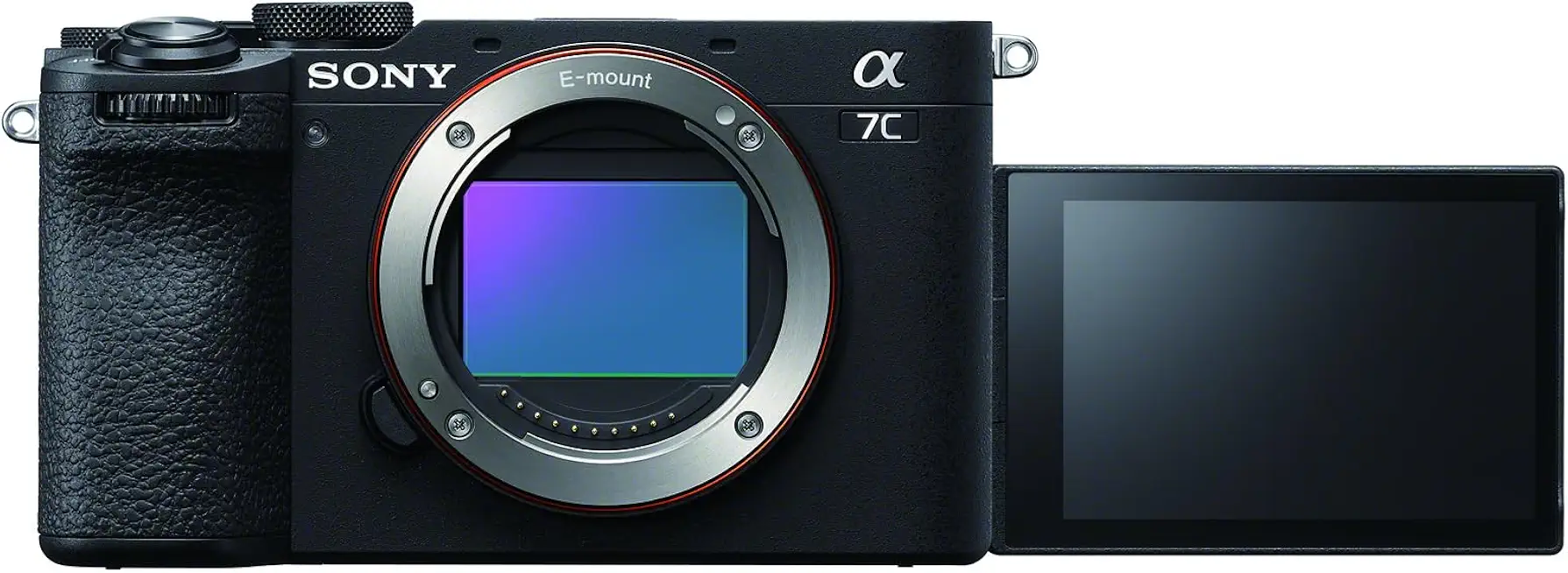
Sony Alpha 7C II Camera
Ultra-compact full-frame mirrorless offering lightning-fast autofocus, in-body stabilization, impressive video features, and long battery life—perfect for hybrid shooters who need pro-level speed and portability without compromise.
Check PriceOn the street and on short trips I’ve taken the Sony A7C II when I wanted more speed and flexibility than the Q3. The big win is interchangeable lenses — I can swap to a tele or a fast 50mm and that changes how I work instantly. Autofocus and tracking feel more confident on moving subjects, and the in-body stabilization lets me shoot slower shutter speeds without worrying as much about blur.
What it gives up compared to the Leica is the instant, single-lens simplicity and that special Summilux character. You’ll carry more glass, and unless you choose an expensive prime you may not get the same rendering straight out of camera. The Sony body is compact, but once you add lenses it loses the Q3’s pocket-ready ease and the heavy, high-end build of the Leica.
If you want one full-frame body that can do everything — fast AF, good video, and the freedom to change focal length — the A7C II is the pick. It’s for hybrid shooters and travel photographers who need speed and lens options rather than a single, perfect 28mm experience.
Alternative 2:
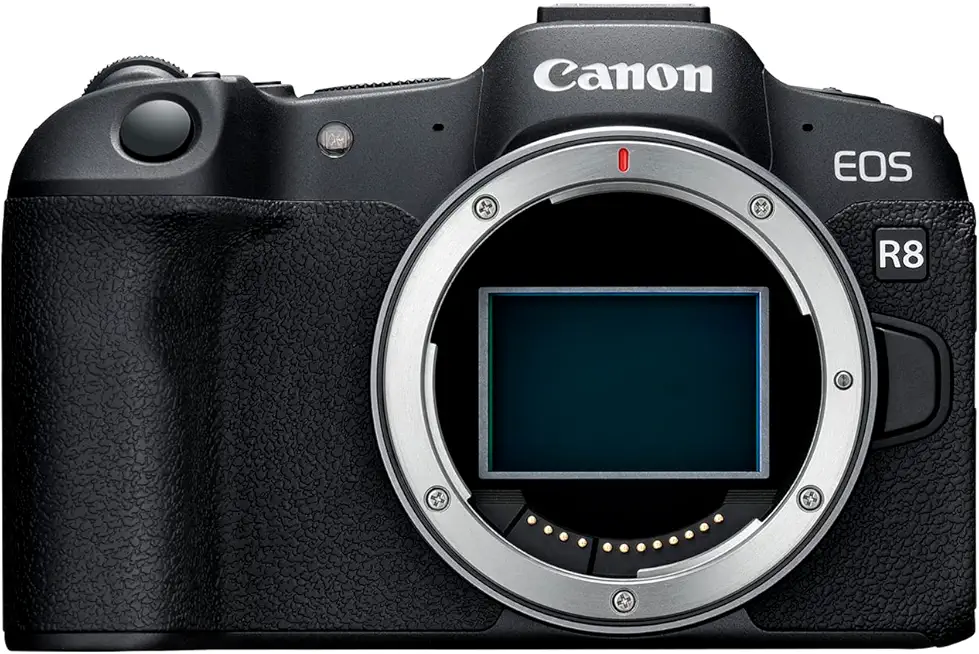
Canon EOS R8 Camera
Lightweight mirrorless designed for enthusiast photographers: intuitive controls, reliable subject tracking, high-resolution stills, 4K video capture, and fast performance—ideal for everyday shooting, travel, and confident creative expression.
Check PriceI’ve leaned on the Canon R8 when I needed a small, light kit but also wanted confident autofocus for moving subjects. In real shoots it locked on to people’s eyes and stayed on them when they turned or walked — something the Q3 can struggle with in fast continuous situations. The R8’s menus and handling also feel more familiar to many shooters, which helps when you need to change settings quickly.
The trade-off is that you don’t get the single-lens purity the Leica gives you. With the R8 you’ll be picking lenses to get your look, so that ease-of-use and the Summilux look are gone unless you buy a specific prime. The body is also less of a heavy, premium object in the hand — it’s lighter and more plastic-feeling than the Q3’s metal build.
Choose the Canon R8 if you want a light, easy-to-carry mirrorless with very reliable autofocus for people and action. It’s great for travel shooters who want more automated tracking and less thought about setup, but who don’t need the Q3’s particular lens rendering.
Alternative 3:
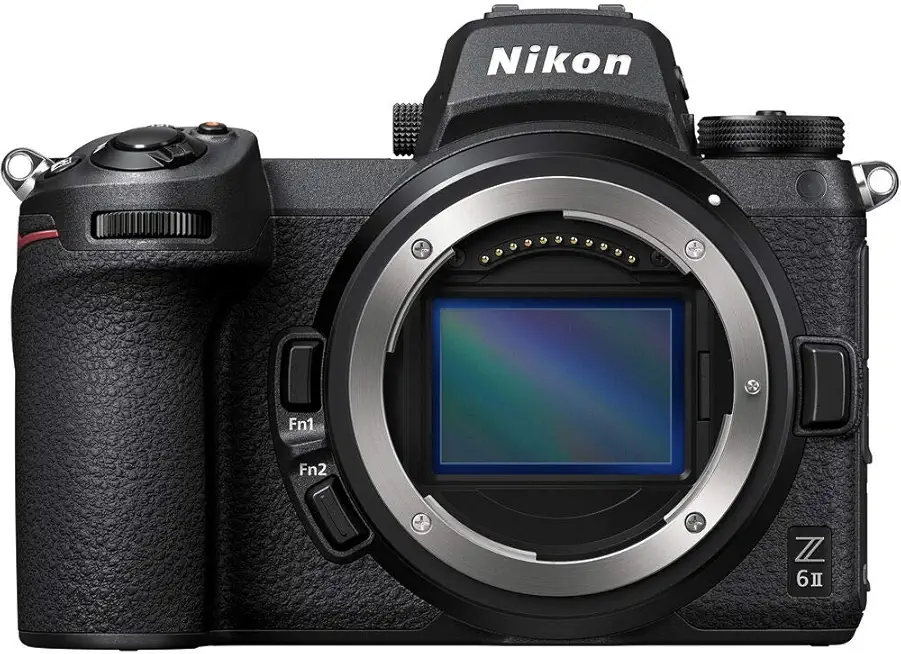
Nikon Z 6II Camera
Versatile full-frame mirrorless with dual processors for faster handling, excellent dynamic range, robust autofocus, expanded buffer, and pro-level build—ready for studio work, fast-action assignments, and demanding image-making.
Check PriceThe Nikon Z6II is the one I reach for when I need a solid all-rounder — studio days, event work, or action assignments. In real use it feels more rugged and offers a steadier grip for long shoots. The camera handles long bursts and real-world pace better than the Q3, so if you’re shooting sequences or fast subjects you’ll notice the difference right away.
Where it loses to the Leica is the compactness and the built-in lens character. The Z6II with a standard zoom and a couple of primes is a heavier kit than the single-lens Q3, and you don’t get that ready-made 28mm style without buying an equivalent lens. The Nikon gives you a different, more neutral image look — not bad, just different from what the Summilux produces.
The Z6II is for pros and shooters who need a full system: various lenses, reliable continuous shooting, and a body that stands up to long days. If you want one camera that can do studio work, weddings, or run-and-gun assignments, the Nikon is a better match than the Q3 — provided you’re okay carrying more gear.
What People Ask Most
What is the Leica Q3’s sensor resolution?
It has a 60-megapixel BSI CMOS full-frame sensor.
How does the Leica Q3 perform in low light?
It offers improved high-ISO performance versus predecessors and supports up to ISO 100,000, giving strong low-light capability for a compact camera.
Is the Leica Q3 suitable for fast action photography?
Not ideal—continuous autofocus and tracking can be less reliable, so it’s better suited to static or slower-moving subjects.
What digital crop modes does the Leica Q3 offer?
It provides digital crop modes equivalent to 35mm, 50mm, 75mm, and 90mm.
Does the Leica Q3 have video stabilization?
Yes, the camera includes optical image stabilization.
What autofocus modes are supported?
It uses phase-detection and contrast-detection autofocus and supports Eye, Face, and Body detection modes.
Conclusion
The Leica Q3 Camera feels like a rare, unapologetic picture maker. Its combination of exceptional still-image rendering, nuanced color and contrast, and a dense, all-metal build gives every frame a sense of intent. For photographers who prize image quality and tactile refinement over gadgetry, it immediately feels worth handling and showing.
The fixed 28mm optic with its intelligently implemented crop modes simplifies decisions while keeping compositional flexibility, which is a genuine strength for street and travel work. In practice that clarity of purpose comes with trade-offs: continuous autofocus can be inconsistent with fast-moving subjects, ergonomics are compact at the cost of certain handling comforts, and occasional slow startups interrupt tempo. If you shoot action, need rapid-fire responsiveness, or require a broad lens ecosystem, the Q3 will frustrate.
Despite those imperfections the Leica Q3 Camera delivers a focused, high-value proposition for photographers who prioritize image excellence and dependable results under varied light. It rewards disciplined shooters who think in frames rather than kit, and it elevates deliberate practice. Buy it if you value tonal quality, build, and simplicity; look elsewhere if versatility and speed are your demands.
Leica Q3 Camera
A premium fixed-lens full-frame with legendary optics and tactile build, delivering stunning low-light performance, fast responsiveness, and seamless street photography for enthusiasts seeking uncompromised image quality and effortless control.
Check Price



0 Comments