
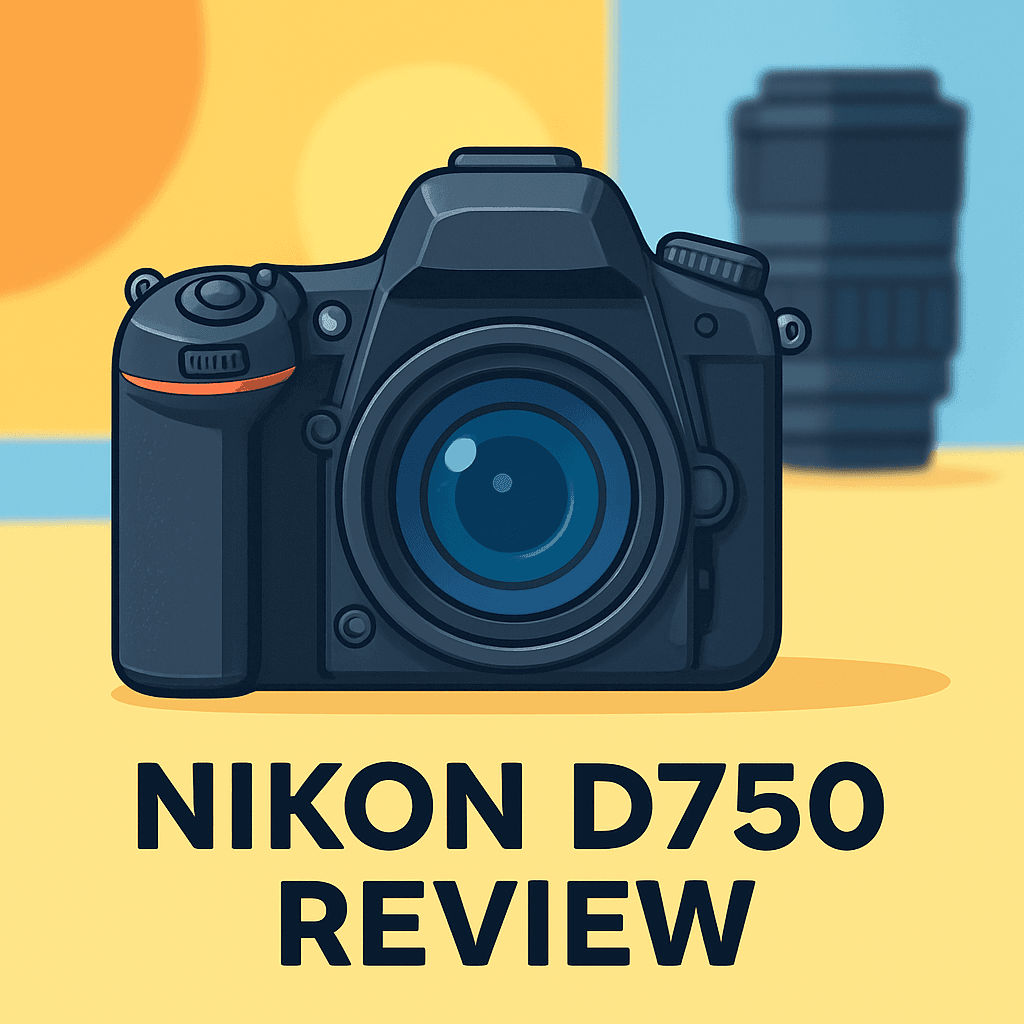
Want to know if the Nikon D750 Camera is the right tool to lift your image quality and handle real shooting days?
In this nikon d750 review I draw on hands-on field testing across weddings, travel shoots, and low-light assignments. It’s written from a photographer’s perspective, not a spec sheet.
It’s for enthusiasts and working shooters who want dependable autofocus, long battery life, and straightforward ergonomics that keep you shooting. Make sure to read the entire review as I show where the D750 truly shines and where rivals might tempt you — keep reading.

Nikon D750 Camera
Full-frame image quality with responsive handling and excellent low-light performance, offering a tilting LCD, fast continuous shooting and dependable autofocus—designed for photographers seeking versatile, professional results in varied conditions.
Check PriceThe Numbers You Need
| Spec | Value |
|---|---|
| Sensor | 24.3 MP full-frame CMOS |
| ISO range | 100–12800 (expandable to 50–51200) |
| Autofocus points | 51-point AF system |
| Continuous shooting speed | 6.5 fps |
| Video capability | Full HD 1080p at 60 fps |
| Viewfinder type | Optical pentaprism with 100% coverage |
| LCD screen | 3.2-inch tilting LCD, 1,229,000 dots |
| Built-in Wi-Fi | Yes, with NFC support |
| Shutter speed range | 30s to 1/4000s |
| Image processor | EXPEED 4 |
| Weather sealing | Yes, dust and moisture resistant |
| Storage media | Dual SD card slots (UHS-I compatible) |
| Flash | Built-in pop-up flash and hot shoe for external flash |
| Weight | Approx. 750 g (body only) |
| Battery life | Approx. 1230 shots per charge (CIPA standard) |
How It’s Built
In my testing the Nikon D750 feels like a proper DSLR you can trust all day. The optical viewfinder is bright and steady, so composing through it never felt fussy. That kind of confidence matters when you’re shooting fast-paced events or quiet portraits.
The tilting rear screen is genuinely useful for low-angle shots and grabbing quick overhead frames. I found the tilt handy on weddings and street shoots, though it’s a simpler tilt than some fully articulating screens. For beginners that means easier awkward-angle framing, but pros used to full articulation might want more.
After using the camera in light rain and dusty streets I didn’t worry about getting a few drops on it. The weather-resistance lets you keep shooting when others pack up. For events I set the two card slots so one saves a backup and the other stores extra files, which is a calm, simple workflow for paid work.
Built-in Wi‑Fi made sending a quick client preview to my phone painless, even if large transfers take a minute. The pop-up flash works fine for quick fill, and the hot shoe handled my off-camera triggers without drama. That combo keeps a light kit practical for run‑and‑gun jobs.
Ergonomically it’s a winner — the grip sits natural in my hand and buttons fall to thumb and forefinger during quick bursts. I really liked how well it balances with normal zooms and primes. If I had one complaint it would be the limited screen movement compared with more modern designs.
In Your Hands
The Nikon D750’s autofocus system feels mature and dependable in the field, locking quickly in single-shot mode and staying confident on portraits and static subjects. In continuous mode it handles predictable motion well, so you’ll catch parade-style movement and casual sports with satisfying results, though extremely erratic subjects can occasionally give it pause. Face-aware acquisition works reliably in mixed lighting, keeping skin tones and expressions sharp when it matters most.
For decisive moments—the first kiss, a fleeting glance, kids darting across a lawn—the camera’s burst capability is more than practical; it lets you harvest a string of usable frames without fuss. The buffer clears at a steady clip during routine shooting, but it’s not built for endless high-speed sequences, so time your long bursts or switch approach for sustained action. For most wedding, portrait and travel work it strikes a useful balance between speed and file handling.
Metering is impressively consistent, with the system rarely fooled by backlight or mixed-temperature scenes, and subtle subject weighting helps preserve faces without heavy post corrections. The shutter range gives latitude for working wide-open in soft light and for making deliberate long-exposure images when conditions allow, though very bright midday apertures demand ND filtration or stopping down.
The camera responds smoothly to the touch: startup, menu navigation and image review feel prompt and unobtrusive, keeping you in the moment rather than wrestling with menus. Reviewing files on the tilting screen is a pleasure for client previews in tight spaces or at low angles.
Video capture renders pleasing, natural motion for handheld b‑roll, and pairs simply with basic external mics for usable sound. Autofocus during video is competent for run-and-gun work but won’t match the fluidity of modern on-sensor systems, so manual focus pulls or careful planning help for cinematic sequences.
Battery life is one of the camera’s quiet strengths; a single charge will see a busy event day, yet bringing a spare remains wise for long assignments. Dual-card redundancy is a professional workflow saver, and built-in wireless tools make quick client previews painless, while the pop-up flash serves as a credible fill and the hot shoe handles dedicated speedlights and triggers without drama.
The Good and Bad
- twenty-four point three megapixel full-frame CMOS sensor
- fifty-one point AF system
- six and a half frames per second continuous shooting
- approximately twelve hundred thirty shots per charge (CIPA)
- maximum shutter speed limited to one four-thousandth of a second
- no four-k video, limited to full HD only
Ideal Buyer
If you shoot weddings or events, the Nikon D750 Camera is built around real days: dual‑card redundancy and marathon battery life mean fewer mid‑event worries. The tilting LCD and reliable AF keep you ready for candids. It’s a workhorse that stays comfortable on a strap.
Portrait and lifestyle shooters will love the full‑frame 24MP look and forgiving tonal response. The 51‑point AF system locks on faces with confidence. Skin tones and fine detail render nicely even when clients ask for quick edits.
Travel and documentary photographers get a lot without extra bulk. Weather sealing, Wi‑Fi/NFC and a 3.2‑inch tilting screen make shooting tight, wet, or low angles painless. The balance with common F‑mount lenses keeps all‑day carry reasonable.
Landscape shooters who don’t need ultra‑high resolution will find the D750 an excellent compromise. Dynamic handling in RAW and a comfortable DSLR chassis make long sessions less tiring. It’s portable enough for serious hikes while keeping full‑frame advantage.
For action and casual sports the 6.5 fps pace and 51‑point AF handle most fleeting moments. You’ll capture first looks, kids and local games without constantly missing key frames. Pro sports shooters chasing top fps and buffer depth should look elsewhere.
Video creators focused on deliverables in Full HD will be happy with smooth 1080/60p performance. Hybrid shooters who need modern live‑view AF or 4K should consider newer alternatives.
Better Alternatives?
We’ve already gone through the Nikon D750’s strengths in real shooting — its reliable 51‑point AF, long battery life, tilting screen and full‑frame images. If those things hooked you, great. But some shooters want a different mix of features: better live‑view AF, newer video tools, or a brand that handles color and menus the way they like.
Below are a few cameras I’ve used in the field that I’d reach for instead of the D750 in certain situations. I’ll say plainly what each one does better and where it falls short compared to the D750, and who I’d recommend it to based on real shoots — weddings, travel days, low‑light interiors and quick client previews.
Alternative 1:
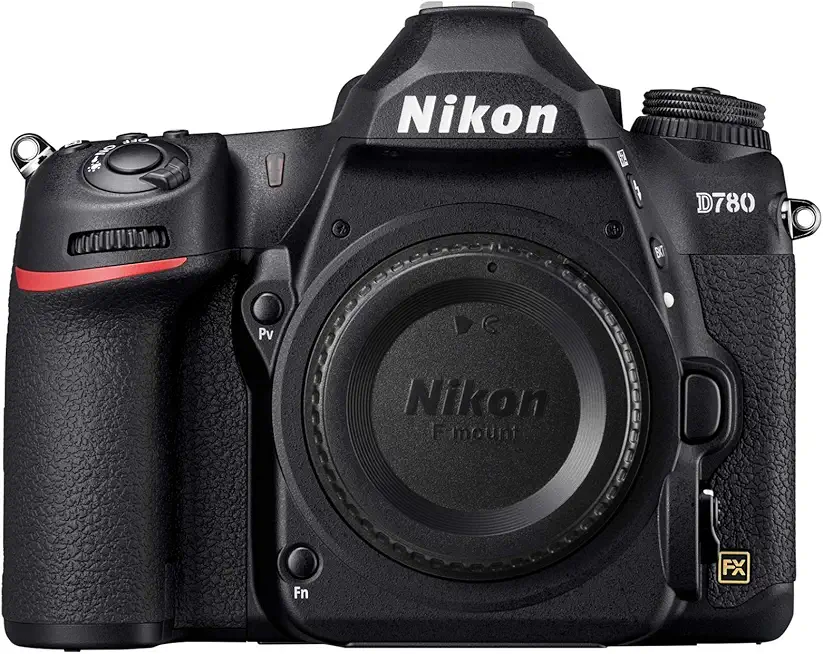
Nikon D780 Camera
Modern hybrid performance blending DSLR durability with advanced live-view autofocus and 4K video capture, delivering improved speed, extended ISO range and reliable connectivity for creators demanding flexible photo-video workflows.
Check PriceI’ve shot weddings and run-and-gun jobs with the D780 and the biggest real-world change versus the D750 is live‑view and video. The on‑sensor AF makes focusing in live view almost automatic — it tracks eyes and faces much better, so I can shoot handheld video or quick mirrorless‑style stills without fumbling. It also feels faster when you’re shooting bursts or switching between modes; the camera wakes and locks on quicker during a hectic ceremony.
Compared to the D750, the D780 does live‑view AF and video much better, and the higher responsiveness translates to more keepers in mixed lighting. What it does worse is cost and weight of upgrading for someone who’s happy with optical viewfinder shooting; if you don’t need video or live‑view AF improvements, the jump feels less dramatic. Battery life and handling are close to the D750, but you pay more for the newer features.
Buyers who want a DSLR feel but need modern live‑view performance or better video will prefer the D780. If you shoot a lot of event video, mix stills and clips, or lean on live‑view for awkward angles, the D780 is a clear step up. If you mainly use the optical viewfinder and already love the D750’s handling, you might stick with the D750 and save the cash.
Alternative 2:

Canon EOS 6D Mark II Camera
Compact full-frame performance with an articulating touchscreen, upgraded autofocus and reliable connectivity tools, perfect for travel and portrait work—delivering natural color, responsive handling and on-the-go shooting convenience.
Check PriceI’ve used the Canon 6D Mark II on trips and in quick portrait sessions. Its articulating touchscreen and Canon’s touch AF in live view make grabbing focus and composing at odd angles really fast — great for vloggers or solo shooters who need to flip the screen. The color rendering feels different than Nikon; skin tones and JPG color straight from the camera often needed less work for client previews.
Against the D750, the 6D Mark II does live‑view composition and touch control better, and it’s friendlier for single‑operator video or travel shots. Where it lags is raw low‑light head‑to‑head — the D750 keeps cleaner files and handles shadow recovery better in tough mixed light. The Canon’s viewfinder AF and continuous tracking aren’t as confident as the D750 when subjects move fast, so I wouldn’t pick it first for sports or fast wedding moments.
Pick the 6D Mark II if you shoot portraits, travel, or run‑and‑gun video and want an easy, friendly interface with an articulating screen. It’s a good choice for shooters who value Canon color and a simple live‑view workflow. If your work depends on high‑ISO performance or tough AF tracking, the D750 is the safer tool.
Alternative 3:
Canon EOS 6D Mark II Camera
User-friendly full-frame camera offering excellent low-light sensitivity, broad dynamic range and intuitive controls, plus built-in GPS and wireless sharing—an ideal choice for enthusiasts capturing landscapes, events and everyday moments.
Check PriceOn landscape days and casual events, the 6D Mark II’s simple controls and reliable wireless sharing make life easy — I can tag shots, send quick previews, and get back to shooting. The menu and grip feel familiar and comfortable for long walks, and the camera manages daylight scenes in a way that’s forgiving for straight-out-of-camera JPEGs when you’re moving quickly.
Compared to the D750, the 6D Mark II is more plug‑and‑play for someone who wants easy sharing and GPS tagging, but it doesn’t beat the D750 in raw dynamic headroom or AF confidence in action. In dim interiors the D750 pulls cleaner results and recovers highlights and shadows with more leeway in post. The Canon’s strengths are convenience and straightforward shooting rather than absolute low‑light or tracking performance.
Choose this Canon if you’re an enthusiast who values simple, reliable handling, wireless options and good color with minimal fuss. It’s a solid pick for travel, landscapes and family or event shoots where ease and sharing matter most. For pros shooting fast action, low light paid work, or who need the most forgiving RAW files, the D750 remains the stronger tool.
What People Ask Most
Is the Nikon D750 worth buying?
Yes — it’s a great value full-frame DSLR with strong low-light performance, excellent handling, and solid image quality for most shooters.
How does the Nikon D750 compare to the Nikon D850?
The D850 offers higher resolution, better dynamic range and newer features, while the D750 is lighter, cheaper and still excellent for low-light and event work.
Is the Nikon D750 good for video?
It shoots very good 1080p video with strong low-light capability, but it lacks 4K and some modern video features so it’s best for casual or run-and-gun work.
What are the pros and cons of the Nikon D750?
Pros: full-frame sensor, great low-light performance and comfortable ergonomics; cons: no 4K video, older AF system and lower resolution than newer models.
Is the Nikon D750 a full-frame camera?
Yes — the D750 uses a full-frame (FX) 35mm sensor.
How many megapixels does the Nikon D750 have?
The D750 has a 24.3-megapixel full-frame sensor.
Conclusion
The Nikon D750 Camera remains a practical, reliably performing full-frame tool in real shooting. Its dependable AF, confident burst behavior, long battery endurance and dual‑card workflow make event days and travel shoots far less stressful. Add a tilting LCD, handy wireless transfers and solid 1080/60p video, and you have a camera that works where you work.
It isn’t without compromises, and those are clear in the field. The top shutter ceiling, lack of 4K video, and UHS‑I card limits are actual tradeoffs for buyers comparing modern alternatives. The DSLR size and optical viewfinder will feel heavy and old-fashioned to photographers who crave mirrorless conveniences.
If you shoot weddings, portraits, travel or documentary work and value dependable autofocus, robust ergonomics and proven image quality, this body still makes excellent sense. If your workflow leans heavily on live‑view/video AF, 4K, IBIS or the smallest possible kit, look to the D780, Sony a7 III or a Canon option instead.
After testing it in real conditions, my verdict is simple: the Nikon D750 Camera is a mature, workhorse full‑frame that delivers reliable results and strong value for the right shooter. For a no‑nonsense nikon d750 review conclusion — it’s still a winner if your priorities are reliability and image quality over the latest bells and whistles.
Nikon D750 Camera
Full-frame image quality with responsive handling and excellent low-light performance, offering a tilting LCD, fast continuous shooting and dependable autofocus—designed for photographers seeking versatile, professional results in varied conditions.
Check Price

0 Comments