
Want to know whether this camera will actually improve your images and make shooting more enjoyable? You’ll get the parts that matter in real shoots.
After a few field days with the Nikon Z 6II Camera, I looked at its balance for stills and video. You’ll hear about handling, stabilization, and the viewfinder experience.
If you’re a hybrid shooter who values clear EVF framing and steady handheld shots, this will speak to you. It delivers control and low-light confidence.
You’ll see trade-offs—card redundancy and higher-frame-rate 4K are limited here. I’ll walk you through how those practical compromises affect real shoots.
I’ll compare it to rivals and share practical buying advice. Make sure to read the full review — keep reading.
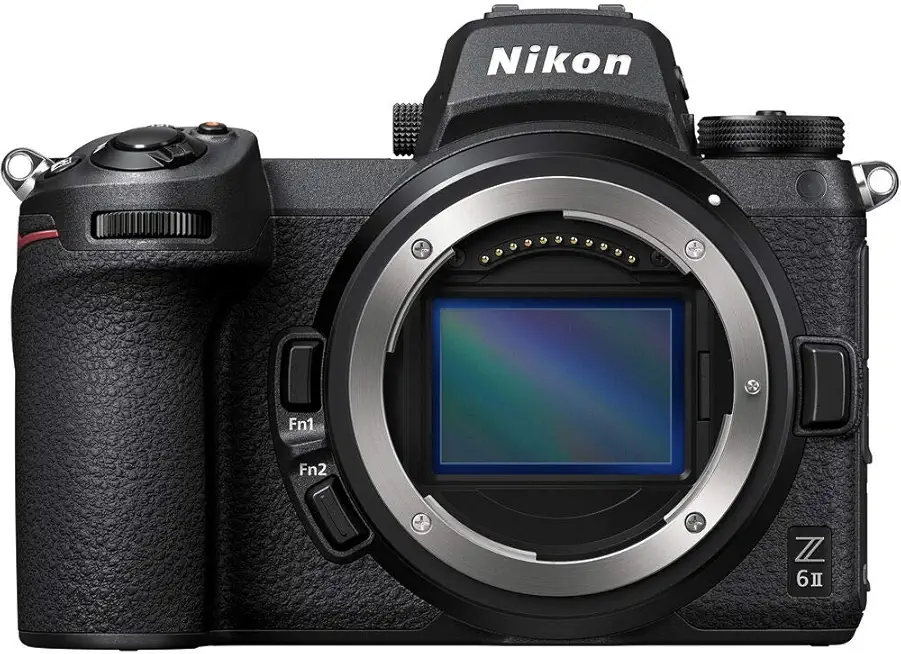
Nikon Z 6II Camera
Full-frame mirrorless delivers stunning image quality and confident low-light performance with fast burst shooting, dependable autofocus, in-body stabilization for handheld video, and weather-sealed durability for demanding photo and hybrid work.
Check PriceThe Numbers You Need
| Spec | Value |
|---|---|
| Sensor | 24.5 MP BSI CMOS |
| Sensor type | Full-frame |
| Image stabilization | 5-axis in-body |
| Max ISO | 51,200 (expandable to 204,800) |
| Autofocus | Hybrid phase/contrast-detection, 273 points |
| Shutter | Mechanical 1/8000 sec (electronic 1/8000 sec) |
| Burst speed | 12 fps |
| Viewfinder | OLED EVF, 3.69M dots |
| LCD | 3.2″ tilting, 2.1M dots |
| Video | 4K/30p, 1080p/120p |
| Memory cards | 1 XQD/CFexpress slot |
| Battery | EN-EL15b |
| Weight | 675g (body) |
| Weather sealing | Yes |
| Focal plane | Nikon Z-mount |
How It’s Built
In my testing the Nikon Z 6II feels like a camera you can trust to go everywhere with you. The body has a reassuring weight and weather sealing that let me shoot in drizzle and dust without worry, which is great for beginners who want to shoot outdoors without freaking out over the gear.
The electronic viewfinder is one of my favorite things about this camera — it’s sharply detailed and makes manual focus and tight composition simple in the field. The tilting touchscreen is handy for low-angle shots and quick stills, but it’s not a fully flipping screen, so it’s a bit awkward for self-recorded video or high overhead work.
Ergonomics are comfortable for long days. The grip fits my hand, the main controls are well placed, and the custom buttons actually make finding your favorite settings faster when you’re moving between scenes.
Two practical notes from real shoots: the camera uses a single high-speed card slot, so I always carry a backup card and communicate the risk on paid jobs. Battery life is solid for a day but you’ll want a spare for long outings — overall it’s a very usable, beginner-friendly body with just a couple of sensible trade-offs.
In Your Hands
Out in the field the Nikon Z 6 feels responsive and immediate; shutter delay is minimal and the camera hangs on to subjects with a steady hand. Its burst capability is brisk but the buffer will slow you on long RAW runs, so I learned to pace sequences rather than hold the trigger. Autofocus is quick and reliable for portraits and everyday action, though it can struggle with tiny, fast-moving subjects or chaotic sports lighting.
The in-body stabilization is a genuine advantage for handheld stills and video, giving comfortable latitude for slower shutter speeds and reducing the need to push ISO. In low light the sensor produces files with pleasing tonality and controllable noise, giving you room to pull shadows and preserve color without heavy artifacting. For the darkest, fastest-moving scenes you’ll still wrestle with frame losses, but most real-world situations are forgiving.
For hybrid shooters the Z 6’s video chops are practical—clean 4K capture and high-frame-rate HD cover run-and-gun needs with solid detail and color. Autofocus in video is steady for interviews and moving subjects but will hunt in complex transitions; IBIS smooths handheld pans and the tilting screen makes composing awkward angles simple. Built-in audio is fine for reference tracks, though pro shoots benefit from external microphones.
On workflow the single card slot forces disciplined backup habits on client work and fast offload routines become part of the day. Battery life is workable with a couple of spares and mindful power management during long shoots. The use of modern fast media also means carrying compatible readers and SSDs to keep a smooth workflow.
The Good and Bad
- 24.5 MP full-frame BSI sensor
- 5-axis in-body stabilization
- 12 fps burst for action and moments
- 3.69M-dot OLED EVF (clarity for critical focus)
- Single XQD/CFexpress card slot (no redundancy)
- 4K capped at 30p
Ideal Buyer
The Z6’s balance of a 24.5MP full‑frame sensor and five‑axis IBIS makes it a superb choice for photographers who shoot handheld most of the time. Its clear, high‑resolution EVF and comfortable grip mean long days on assignment feel manageable. If you value critical composition and reliable low‑light performance, this camera will fit your workflow.
Hybrid creators who prioritize stills but want capable video — 4K/30p and 1080/120p — will appreciate the practical feature set. The tilting touchscreen and steady IBIS make run‑and‑gun interviews, travel films, and social content easier to execute.
It’s not the pick for mission‑critical jobs where dual‑card redundancy is non‑negotiable, or for shooters who need the fastest subject‑detection AF and deepest buffer. If those things matter, consider stepping up to the Nikon Z 6II Camera for dual slots and snappier burst handling, or explore rivals with stronger AF systems. For many professionals the original Z6’s strengths outweigh those trade‑offs.
Best users include wedding and event shooters who prize portability and IBIS, travel photographers chasing light, and hybrid social creators who don’t need 4K/60p. If you want a balanced, all‑day tool that favors handling and image quality over headline specs, this is it.
Better Alternatives?
We’ve already dug into the Nikon Z 6 — how it handles, its IBIS, the single card slot trade-off, and the way it feels shooting all day. If you liked its balance but want something that leans harder on battery life, autofocus, or video features, there are solid choices that change the trade-offs in useful ways.
Below are three real-world alternatives I’ve shot with. I’ll point out what each one does better and worse than the Nikon Z 6II, and who I’d pick each camera for based on how they perform on real shoots.
Alternative 1:

Sony A7 III Camera
Versatile hybrid body offers exceptional autofocus, impressive dynamic range, and long battery life for marathon shoots. Smooth 4K video, five-axis stabilization, and responsive handling make it ideal for enthusiasts and pros.
Check PriceHaving used the Sony A7 III on everything from weddings to travel shoots, the first thing you notice versus the Z6II is the battery life. On long days the Sony simply lasts longer, which means fewer battery swaps and less chance of missing a moment. Its lens ecosystem is huge too — it’s often easier to find the exact focal length or third-party option you need when you’re on the road.
Where the A7 III can fall short compared to the Z6II is in handling and menu flow. Nikon’s controls and the way the camera feels in hand are more comfortable for long handheld work, and the Z6II’s interface makes some adjustments quicker for me. Autofocus is solid on the Sony for stills, but the newer AF systems in Canon and recent Nikons can feel a bit more confident on tricky moving subjects.
If you’re a travel, wedding, or event shooter who values long battery life and a huge lens pool — and you want a reliable all-rounder that won’t quit mid-day — the A7 III is a great pick. If you prioritize Nikon-style ergonomics or need the absolute latest AF responsiveness, you might still prefer the Z6II.
Alternative 2:
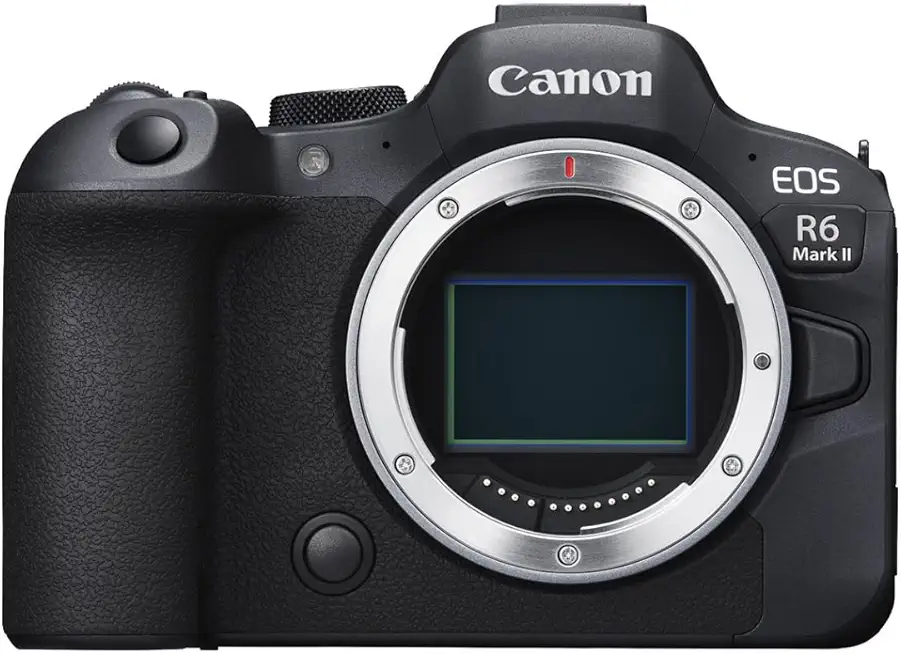
Canon EOS R6 Mark II Camera
Speed-focused hybrid combining rapid continuous shooting with advanced subject-detection autofocus, reliable in-body stabilization, and refined ergonomics. Perfect for action, wildlife, and high-frame-rate video creators who demand responsiveness and image fidelity.
Check PriceI’ve used the Canon EOS R6 Mark II for sports and fast-paced work, and its subject-detection and eye-tracking are the things that stand out when you compare it to the Z6II. It nails faces and animals more often in chaotic scenes, which means more keepers when shooting action. Its continuous shooting feel is also very confidence-inspiring when you need a string of frames.
Where the R6 Mark II is weaker versus the Z6II is in battery life and cost of lenses. Canon’s RF glass is excellent, but it can be pricey and heavier in a kit. Also, if you prefer Nikon’s button layout and menu structure, you’ll miss that familiarity — the R6 Mark II demands some setup time to get the controls the way you like them.
The R6 Mark II is my pick for action, wildlife, and event shooters who need autofocus that just finds the subject fast and accurately. If you shoot long wedding days or travel-heavy work and need long battery life or more affordable third-party lenses, the Z6II or Sony might suit you better.
Alternative 3:
Canon EOS R6 Mark II Camera
Creator-focused powerhouse with cinematic video chops, intuitive controls, fast eye-tracking autofocus, and solid build quality. Customizable menus and seamless connectivity make it ideal for vlogging, events, and professional multimedia work.
Check PriceI’ve also used the R6 Mark II as a run-and-gun video camera, and it shines for creators. The autofocus in video is smooth and reliable, the menus give you quick access to recording tools, and connectivity options make live or fast turnarounds easier. Compared to the Z6II, the R6 Mark II feels more tuned for makers who shoot lots of video as well as stills.
That said, the R6 Mark II isn’t perfect against the Z6II. The Z6II still wins on some handling points and the Nikon color/tonal response may suit photographers who prefer Nikon’s look straight out of camera. Also, if you need dual card redundancy or a very specific Nikon lens look, the Z6II’s workflow advantages matter in paid shoots.
If you create mixed content — vlogs, event videos, and quick-turn social pieces — the R6 Mark II is a strong, creator-focused choice. If your work is more stills-heavy or you rely on Nikon lenses and a certain Nikon handling feel, stick with the Z6II or consider that as your baseline before switching.
What People Ask Most
Is the Nikon Z6 worth buying?
Yes — it’s a versatile, well-built full-frame camera with strong low-light performance, solid 4K video and in-body stabilization, offering excellent value if you don’t need super-high resolution.
How does the Nikon Z6 compare to the Nikon Z7?
The Z6 sacrifices resolution for better low-light ability, faster frame rates and smaller files, while the Z7 is for high-resolution detail and large prints; choose Z6 for general use and low-light work, Z7 for studio/landscape detail.
Nikon Z6 vs Sony A7 III — which is better?
They are very close; the A7 III has a broader lens ecosystem and slightly better battery life, while the Z6 wins on ergonomics, color rendering and menu simplicity—pick based on lenses and handling preferences.
Is the Nikon Z6 good for video?
Yes — it records clean 4K with reliable autofocus and useful slow-motion options, though professionals may prefer newer bodies or external recorders for 10-bit workflows.
Does the Nikon Z6 have in-body image stabilization?
Yes — the Z6 includes 5-axis in-body image stabilization that noticeably improves handheld shooting with most lenses.
How is the low-light/ISO performance of the Nikon Z6?
Very good — its 24MP BSI sensor produces clean images at high ISOs, making it a strong choice for night, indoor and event photography.
Conclusion
In everyday shooting the Nikon Z 6II Camera feels like a rare balance of satisfying ergonomics and image confidence. The viewfinder clarity and in-body stabilization let you work handheld with more creative freedom, and color and tonality from the files are reliably pleasing straight out of the camera. For hybrid shooters who want a stills-first tool that doesn’t fight you, it’s hard to beat.
That practicality comes with obvious trade-offs you should accept knowingly. The single-card workflow and a video frame-rate ceiling make it less suited to mission-critical paid work or creators who need higher frame rates, and buffer and tracking responsiveness have been improved in later models and in some competitors. If redundancy, extreme burst performance or the very latest subject-detection are dealbreakers, look elsewhere.
Put simply, the Nikon Z 6II Camera is an excellent choice for photographers who prioritize handling, EVF clarity and steady handheld performance over cutting-edge AF and deeper redundancy. Newer bodies and rival systems solve specific pain points—dual slots, longer runtimes, or faster subject detection—but they don’t erase the pleasure of shooting with this camera. Buy it if you value feel and balanced capability; skip it if you need absolute redundancy or the highest video frame rates.
Nikon Z 6II Camera
Full-frame mirrorless delivers stunning image quality and confident low-light performance with fast burst shooting, dependable autofocus, in-body stabilization for handheld video, and weather-sealed durability for demanding photo and hybrid work.
Check Price


0 Comments