

?Tired of wrestling menus when you just want a real dial to change settings quickly? The Nikon Zf Camera brings back tactile controls wrapped in modern mirrorless tech for creatives.
I personally field-tested the Nikon Zf Camera and compared it with a couple of close rivals. I used it shooting weddings, street, and video to see real strengths and limits.
Photographers who love analog handling and hybrid shooters will like its tactile dials and articulating screen. You’ll get excellent image quality, strong stabilization, and pro-level internal video without wrestling menus.
It’s got one tradeoff: the grip is minimal and can feel front-heavy with larger lenses. Still, the analog controls speed up shooting and the IBIS keeps handheld images very sharp.
I’ll share field-tested tips to speed your shooting and results. Keep reading as I will reveal something shocking about the Nikon Zf Camera that might change your photo quality drastically.

Nikon Zf Camera
Retro-inspired full-frame mirrorless with tactile dials, outstanding image quality, and impressive low-light performance; delivers rich color, sharp detail, and versatile hybrid photo-video capability for passionate photographers and creators.
Check PriceThe Numbers You Need
| Spec | Value |
|---|---|
| Sensor | 24.5 MP full-frame (35.9 x 23.9 mm) BSI-CMOS |
| Processor | EXPEED 7 |
| Lens Mount | Nikon Z mount (F-mount compatible via FTZ adapter) |
| Autofocus | 273-point phase-detection AF with 9-type subject detection; AF down to −10 EV |
| Image Stabilization | 5-axis in-body IBIS, up to 8 stops (CIPA) |
| Burst Shooting | Up to 14 fps RAW (mechanical); up to 30 fps electronic (JPEG) with pre-release capture |
| Viewfinder | 3.69M-dot OLED EVF, ~0.8x magnification |
| LCD | 3.2″ fully articulating touchscreen |
| Video | 4K UHD up to 30p (oversampled from 6K full-frame); 4K60p in APS-C crop; 1080p up to 120p; 10-bit internal H.265; N-Log & HLG |
| Storage | Dual card slots — SD (UHS-II) + microSD (UHS-I) |
| ISO Range | 100–64,000 (expandable 50–204,800) |
| Shutter Speed | Mechanical up to 1/8000s; long exposures to 900s |
| Weather Sealing | Dust- and weather-resistant construction (not fully pro-grade sealed) |
| Weight | 710 g (body with battery and card) |
| Pixel Shift | 32-shot Pixel Shift mode producing up to 96 MP (tripod-only) |
How It’s Built
In my testing the Nikon Zf immediately felt like a modern camera dressed in a classic coat. The retro dials and dedicated ISO, shutter speed and exposure-compensation wheels give you that FM2/FE2 vibe, while the magnesium-alloy shell keeps things feeling solid. It comes in black and a retro finish that actually turns heads.
The controls are tactile and satisfying — I loved twisting the real dials instead of diving into menus. For beginners this means less guessing: you can see and feel what you’re changing, which makes learning exposure far less scary. The old-school layout with modern functions is a joy to use.
The body is compact and solid, but the minimal grip did bother me with big zooms; it can feel front-heavy after a while. Weather-resistant sealing handled a light drizzle in my testing, but I wouldn’t trust it in a downpour without extra protection. If you plan long lens work, add a small grip or strap for comfort.
The fully articulating screen is great for vlogging and awkward angles, and the bright, high-res EVF made manual focusing with adapted lenses much easier. There are neat little design nods to classic Nikons that made me smile while shooting. Overall it feels thoughtfully made — try one in hand before you buy.
In Your Hands
The Nikon Zf delivers image quality that feels unmistakably Nikon: rich, natural color and flattering skin tones backed by wide dynamic range that rescues highlights and opens shadow detail in challenging light. In practical shooting the files hold up beautifully for heavy editing while retaining a film-like tonality that many photographers will appreciate.
Autofocus is fast and confident, driven by modern subject-detection routines that lock onto people, animals and moving subjects with little hunting. That reliability carries over to video, where eye and subject detection make handheld run-and-gun shooting far less stressful.
Stabilization is a standout—real-world handheld results show noticeably steadier telephoto and close-up work, and the system’s ability to stabilize around a chosen focus point is a genuine workflow advantage for macro and long-lens shooting. You feel the difference when you handhold in low light or reach for slower shutter looks.
Burst shooting is responsive and keeps up during action, with a buffer that lets you work without constant interruptions. Video is a strong suit too: oversampled full-frame stills-to-4K look sharp, and internal 10‑bit profiles give editors plenty of latitude, though the smaller external-monitor port can complicate larger rig setups.
On a shoot the body’s tactile dials and bright EVF make operation faster and more intuitive, but heavy video and stabilization use will eat battery life, so plan accordingly. Pixel-shift capture remains a studio tool—excellent results, but best reserved for tripod work and deliberate still-life sessions.
The Good and Bad
- Retro tactile controls with dedicated dials
- Excellent image quality and dynamic range
- Industry-leading 8-stop IBIS
- 10-bit internal video (N-Log/HLG)
- Minimal grip can feel front-heavy with large lenses
- Second card slot is microSD with UHS-I speed limitations
Ideal Buyer
If you love tactile, analog-style controls but want a modern mirrorless engine, the Nikon Zf is built for you. Its dedicated ISO, shutter and exposure dials give film-era handling with contemporary autofocus and image quality.
Hybrid shooters who move between stills and video will appreciate the internal 10-bit N-Log and oversampled 4K30p, wrapped in a retro body. Vloggers and content creators get a fully articulating touchscreen and compact handling that make on-the-go framing and self-recording easy.
If you rely on shaky‑handed telephoto or close‑up work, the industry‑leading 8‑stop IBIS makes more handheld shots usable. Adapted‑lens users and manual‑focus shooters benefit from the high‑resolution EVF and tactile controls for precise focus pulls. Photographers who prize Nikon color, pleasing skin tones and built‑in monochrome profiles will find the Zf delivers character alongside modern versatility.
Serious hybrid users who want pro‑level 10‑bit N‑Log video without hauling a cinema rig will find the Zf refreshingly compact and capable. Still‑life and studio shooters who can commit to a tripod will value the 32‑shot Pixel Shift for ultra‑high‑resolution captures. Enthusiasts who love a discreet, analog look that still delivers modern performance will enjoy carrying a camera that feels as good as it photographs.
Better Alternatives?
We’ve dug into the Nikon Zf and what makes it special: that tactile, old-school control feel with modern image quality and very strong in-body stabilization. If you like the retro dials and a compact, film-camera vibe but want to see how other cameras tackle the same jobs, it helps to compare real shooting differences rather than just specs.
Below are three solid alternatives I’ve used in the field. I’ll point out what each one does better or worse than the Zf, and the kind of shooter who’ll prefer it. I’ll focus on how they actually feel and perform when you’re out shooting, not just on paper.
Alternative 1:
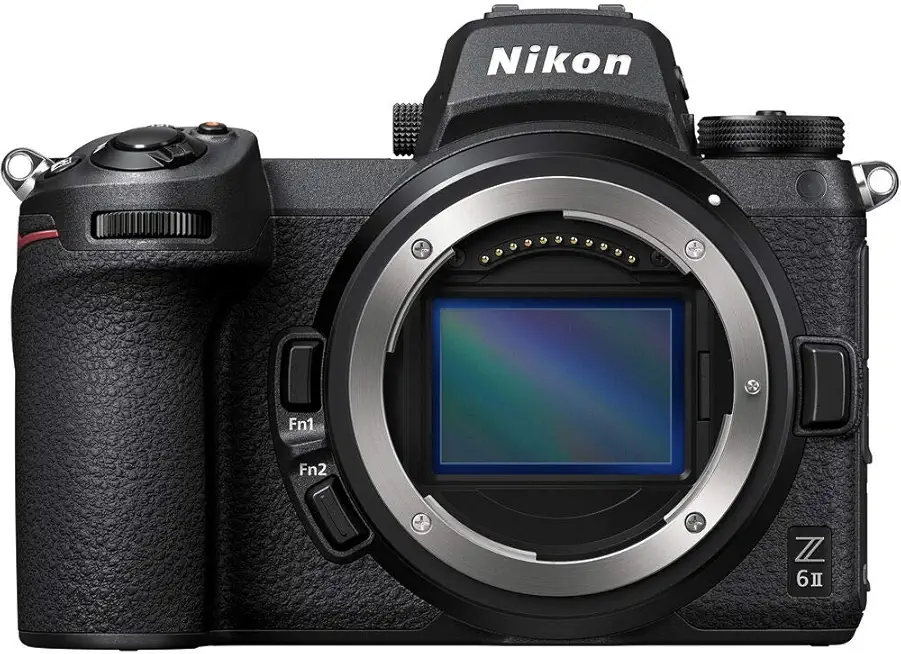
Nikon Z6 II Camera
Advanced full-frame mirrorless offering high-speed performance, dual processors for faster autofocus and burst shooting, excellent low-light sensitivity, in-body stabilization, and crisp 4K video—perfect for pros and serious enthusiasts.
Check PriceI’ve used the Z6 II alongside the Zf and the biggest real-world difference is the feel in the hand. The Z6 II has a deeper grip and slightly more conventional layout, which makes it more comfortable with big telephoto lenses or when you’re shooting all day. Image quality is very close to the Zf — same sensor family — so colors and low-light shots look excellent, but the Zf’s newer processor gives a slight edge in subject detection in tricky scenes.
Where the Z6 II wins is reliability and card handling in the field: it has two full-size SD slots, which I prefer for long shoots and fast workflows. Its AF is very capable, but I found the Zf’s newer AF tuning to be a touch better on subject detection in mixed lighting. Also, the Zf’s 8-stop-feel IBIS helps for very slow handheld shots — the Z6 II’s stabilization is good, but you’ll notice the Zf holds slower shutter speeds more comfortably.
Pick the Z6 II if you want Nikon image quality without the retro controls, and you value a stronger grip, two full-size cards, and a camera that just works all day with big lenses. If you’re a wedding, event, or wildlife shooter who needs that comfort and full-size slots more than the Zf’s tactile dials, the Z6 II will suit you better.
Alternative 2:
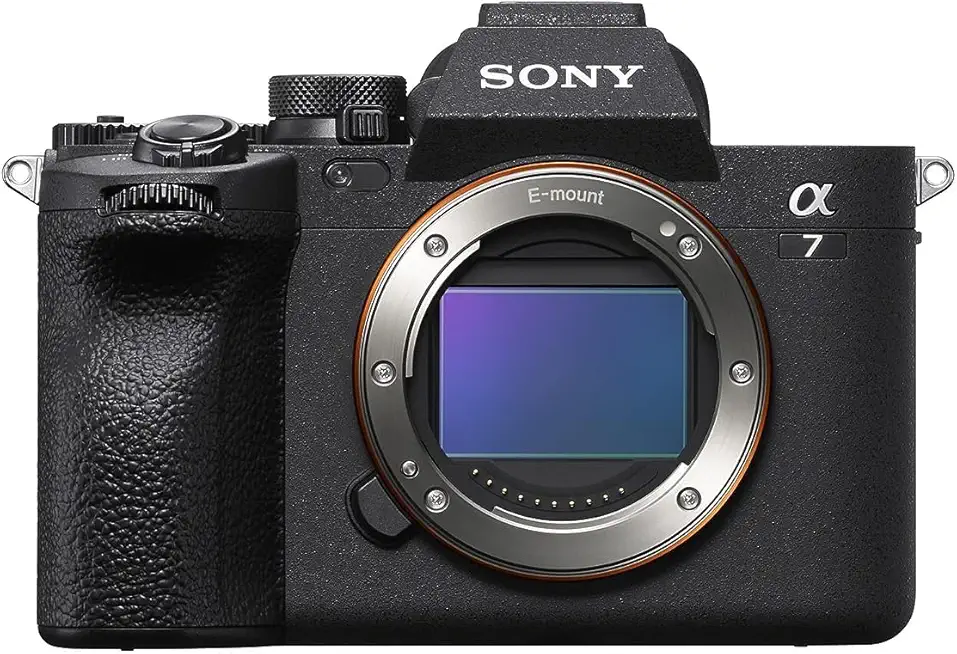
Sony Alpha 7 IV Camera
High-resolution hybrid mirrorless with impressive autofocus and subject tracking, delivering detailed images, smooth 4K video, excellent dynamic range, and flexible controls—ideal for content creators who demand dependable stills and cinema-quality footage.
Check PriceThe Sony A7 IV feels like a different philosophy: it’s built for hybrids who need top-notch autofocus and video in one body. In real shooting, Sony’s subject tracking is some of the best I’ve used — people, animals, and moving subjects stick in focus more often than on the Zf in busy scenes. The higher resolution also means you can crop more aggressively and still get usable files for big prints.
What it doesn’t give you compared to the Zf is that tactile, retro control layout. If you love physical dials and the analog experience, the A7 IV feels more modern and menu-driven. Also, its stabilization and in-camera color rendering feel different — in low-light handheld shots I favored the Zf’s steadiness, and I preferred Nikon skin tones straight from camera. Sony’s menus and ergonomics can be fiddly until you set them up how you like.
Choose the A7 IV if you’re a content creator who needs very reliable AF, higher resolution for cropping, and strong video features in one package. It’s my pick for run-and-gun hybrid shooters who prioritize tracking performance and flexibility over the Zf’s retro controls.
Alternative 3:
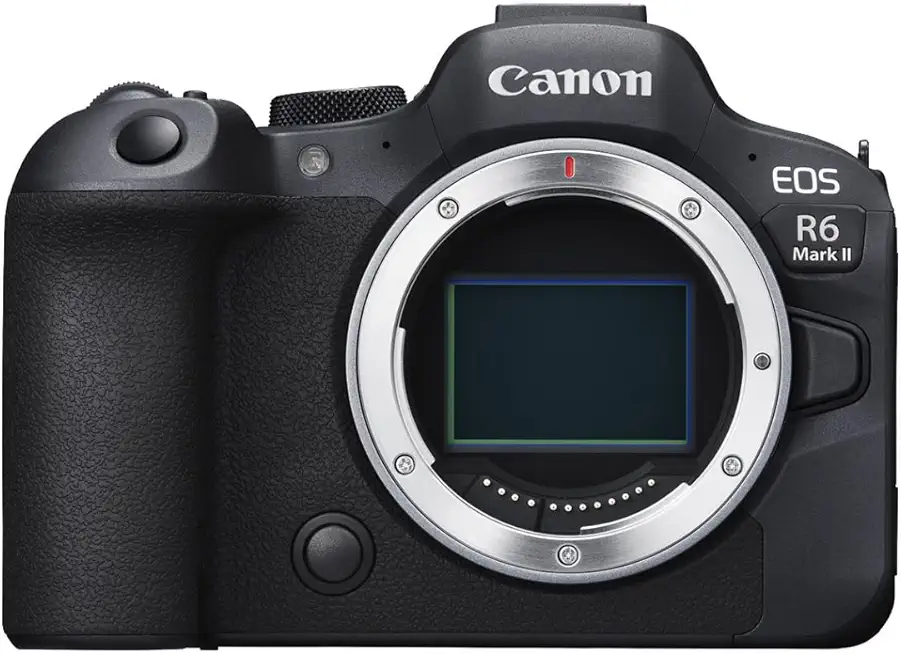
Canon EOS R6 Mark II Camera
Next-level full-frame mirrorless built for speed and low-light reliability: faster burst rates, refined autofocus, in-body stabilization, and versatile 4K recording—designed to capture decisive moments with confidence and clarity.
Check PriceIn the field the Canon R6 Mark II feels like a camera made for action and fast work. Its continuous shooting and buffer behavior make it easy to grab decisive moments in sports or kids’ events. I also found Canon’s autofocus to be incredibly reliable on faces and eyes, even in chaotic lighting — it just locks and stays there, which reduces wasted shots during fast jobs.
Compared to the Zf, the R6 II gives up the retro charm and some of the Zf’s slow-shutter handheld confidence. The Zf’s IBIS felt more forgiving when I was trying to handhold long exposures. On the flip side, the Canon handles continuous shooting and subject tracking in the real world better for action work, and its ergonomics are built for a firm two-handed grip from the start.
Go with the R6 Mark II if you shoot a lot of fast-moving subjects — sports, wedding receptions, or wildlife — and you want autofocus and burst speed you can depend on. If you value the tactile dials and the unique shooting feel of the Zf more than raw speed, then stick with the Zf; otherwise, the Canon is a faster, more purpose-driven alternative.
What People Ask Most
Does the Zf have IBIS?
Yes — it has 5-axis in-body stabilization rated up to 8 stops CIPA.
Is the Zf sensor the same as the Z6 II?
Yes — it uses the same 24.5 MP full-frame BSI-CMOS sensor as the Z6 II.
Can the Zf shoot 4K60p?
Yes — 4K60p is available but only in an APS-C crop; full-frame 4K is up to 30p, oversampled from 6K.
What are the card-slot types?
It has dual slots: one SD (UHS-II) and one microSD (UHS-I).
Is the Zf weather-sealed?
The body is dust- and weather-resistant but not fully pro-grade sealed.
How good is autofocus in low light?
Autofocus is capable down to −10 EV and uses deep-learning subject detection for reliable performance.
Conclusion
The Nikon Zf Camera is a rare body that genuinely marries analogue handling with contemporary performance. Its tactile dials, flattering color rendering, responsive autofocus, standout in-body stabilization and pro-capable internal video make it consistently rewarding for stills and hybrid shooters. The high-quality viewfinder and fully articulating screen invite both precise manual work and casual content creation.
That pleasure comes with trade-offs you should know before buying. The compact, minimalist grip can feel uncomfortable with larger glass, and the weather resistance stops short of the fully sealed bodies many professionals prefer. Practical compromises—like the secondary card format, a modest external-monitor connection and a slow, tripod-bound high-resolution mode—mean some workflows will require adjustments.
For photographers who prize tactile control, color and an analog-inspired shooting rhythm while still needing modern AF and video tools, the Nikon Zf Camera is one of the most compelling choices in its segment. If you need a rock-solid pro rig for every harsh condition or nonstop video marathons, look elsewhere; for hands-on shooters seeking character, image quality and hybrid flexibility, this camera is an easy recommendation.
Nikon Zf Camera
Retro-inspired full-frame mirrorless with tactile dials, outstanding image quality, and impressive low-light performance; delivers rich color, sharp detail, and versatile hybrid photo-video capability for passionate photographers and creators.
Check Price


0 Comments