

Want better photos and video without lugging a full-frame kit? If you’re aiming to lift image quality while staying compact, the Sony a6500 Camera still turns heads for real-world shooters.
After field-testing it on assignments, I’m writing this sony a6500 review focused on handling, in-body stabilization, autofocus reliability, burst performance, stills and 4K video, battery life and workflow.
This is a shooter-focused take. If you’re a travel, street or hybrid shooter who wants IBIS, fast bursts and silent shooting, this review shows what matters — keep reading.

Sony a6500 Camera
Compact APS-C mirrorless delivering fast hybrid performance, reliable autofocus and crisp 4K capture. Robust build with a tilting touchscreen makes it ideal for street photography, travel and everyday shooting.
Check PriceThe Numbers You Need
| Spec | Value |
|---|---|
| Sensor | 24.2 MP APS-C CMOS |
| Image stabilization | 5-axis in-body |
| Autofocus | Fast Hybrid AF (425 phase-detection points) |
| Continuous shooting | 11 fps |
| ISO range | 100–25600 (expandable to 51200) |
| Shutter speed | 1/4000 to 30 sec; electronic up to 1/16000 |
| Viewfinder | 2.36M-dot OLED EVF |
| LCD | 3.0″ tilting touchscreen |
| Video | 4K UHD (3840×2160, up to 30p) |
| Video codec | XAVC S (100 Mbps max) |
| Weather sealing | Yes (dust/moisture resistant) |
| Battery | NP-FW50 (approx. 350 shots per charge) |
| Connectivity | Wi-Fi, NFC |
| Memory card | SD/SDHC/SDXC, UHS-I |
| Weight | Approx. 453g (with battery and card) |
How It’s Built
In my testing the Sony a6500 feels solid and built for real use. The weather-resistant body gave me confidence shooting in drizzle and dusty walks without worrying about every splash. It’s compact enough to tuck into a day bag, so you actually take it out more often.
The electronic viewfinder is pleasantly sharp and responsive, so composing in bright sun wasn’t a fight. The tilting touchscreen is snappy for focus and menu tapping, but it only tilts — which is fine for most shots but a little awkward for face-to-camera video. For beginners that means easy touch control, just plan shots that don’t need a full swivel screen.
Grip and control layout are well thought out for a small body. Buttons and dials have a nice, clicky feel and I liked how customizable they are; I set a button for quick AF changes and it sped up both stills and video work. After using it for a while I did notice my hand tires on long shoots with heavier lenses, so that’s worth trying in the store first.
Storage and connectivity are practical but not flashy. The single SD slot and UHS‑I speeds mean you’ll want a good offload routine during busy days, while Wi‑Fi and NFC are handy for sending images to my phone or a client on the go. Battery life is the camera’s weak point in my shoots, so I carry a spare and a small charger — simple habits that keep you shooting all day.
In Your Hands
The a6500 feels brisk in the hand: continuous shooting is confidently snappy and the viewfinder keeps you in the moment with only a brief, non-distracting blackout during long bursts. In practice the buffer clears at a steady clip when you pause between runs, so you rarely miss the decisive frame during event work or street sessions.
Switching between mechanical and electronic shutters is seamless and the silent mode is a genuine advantage for weddings and quiet sets, though I learned to watch for subtle electronic quirks under certain lighting. For disciplined shooters the shutter options expand creative choices without stealing focus from composition.
Built-in stabilization transforms handheld shooting from compromise to opportunity: slower shutter speeds become usable for keepers and handheld video gains noticeably less micro-jitter. On walk-and-shoot assignments I found the keeper rate for low-light scenes climbed, letting me skip a tripod more often than not.
High-ISO behavior is practical rather than magic — I set conservative ceilings for client work and allow more grain for social or editorial runs where character helps the story. The files retain color and tone well enough that modest noise reduction in post keeps images clean without over-smoothed detail.
4K footage is sharp with natural motion cadence, and the codec holds up to grading when you need it. Be prepared for large clips: they reward careful file management in post, but the payoff is footage that stands up for editorial and short-form video.
Cards and batteries dictate workflow rhythm: heavy shooting fills cards and drains cells faster during long clips than during still bursts. My practical approach is simple—fast offload, two-battery rotation, and use of the camera’s Wi‑Fi for quick selects when deadlines demand immediate delivery.
The Good and Bad
- 5-axis in-body image stabilization
- 24.2 MP APS-C sensor
- 11 fps continuous shooting
- Fast Hybrid AF with 425 phase detection points
- NP‑FW50 battery rated around 350 shots per charge
- Single UHS‑I SD slot
Ideal Buyer
The Sony a6500 Camera is best for photographers and hybrid shooters who want a small but capable tool for travel, street, events and light action. Its blend of speed, stabilization and 4K makes it great for run-and-gun documentary work and content creators who don’t want a full-frame rig. If you prioritize mobility without sacrificing professional features, this camera fits.
Photographers who value in-body 5-axis stabilization will see steadier handheld stills and video, while 11 fps burst and a 425-point AF cover fast moments. The weather-resistant, ~453g body travels easily and the 4K/30p XAVC S files are sharp yet manageable in post. Silent electronic shutter also makes it a quiet choice for ceremonies and low-noise sets.
Realists comfortable managing the NP-FW50 battery (roughly 350 shots) and a single UHS‑I card slot will get the most from this body. If you need longer days, dual slots or higher frame-rate 4K, consider newer alternatives; otherwise the trade-offs reward portability and real-world versatility. The tilting screen and 1/4000 mechanical shutter are modest limits for most everyday shooters.
It’s an especially smart pick for photographers who frequently shoot handheld and want a discrete, weather‑resistant kit that won’t slow them down. Pros who require cutting-edge AF, longer battery life or higher FPS should look at newer models like the a6600 or R7. For everyone else the Sony a6500 Camera remains a compelling, compact workhorse.
Better Alternatives?
We’ve gone through the Sony a6500’s strengths and shortcomings in detail, so now let’s look at a few real alternatives you might consider. Each one trades some things the a6500 does well for other real-world benefits — battery life, handling, stabilization, or color — so the right pick depends on how you shoot.
I’ve used all of these bodies in the field, so below I’ll point out what each does better and worse than the a6500 and who I think would prefer them.
Alternative 1:

Sony a6600 Camera
Professional-grade compact featuring superior battery life, in-body stabilization and advanced real-time autofocus for smooth, confident shooting. Perfect for long shoots, vlogging and demanding hybrid photo-video workflows.
Check PriceI’ve used the Sony a6600 on long shoots and it fixes the a6500’s two biggest practical headaches: battery life and handling. The larger NP‑FZ100 battery lasts noticeably longer in mixed stills and video work, so you won’t be swapping batteries every few hours. The body feels more solid and the grip is easier to hold for long sessions, which matters when you’re hand-holding all day.
Compared to the a6500 the a6600 also gives you more confidence with autofocus and stabilization — it’s smoother at tracking people and animals, and handling handheld video feels steadier. Where it’s worse is size, weight and price: the a6600 is a bit bigger and costlier, so you give up some of the a6500’s compact appeal.
If you shoot long days, vlog, or need better AF and battery life without leaving the Sony system, the a6600 is the obvious pick. If you prize the a6500’s smaller size or are on a tighter budget, the a6600 might feel like more camera than you need.
Alternative 2:
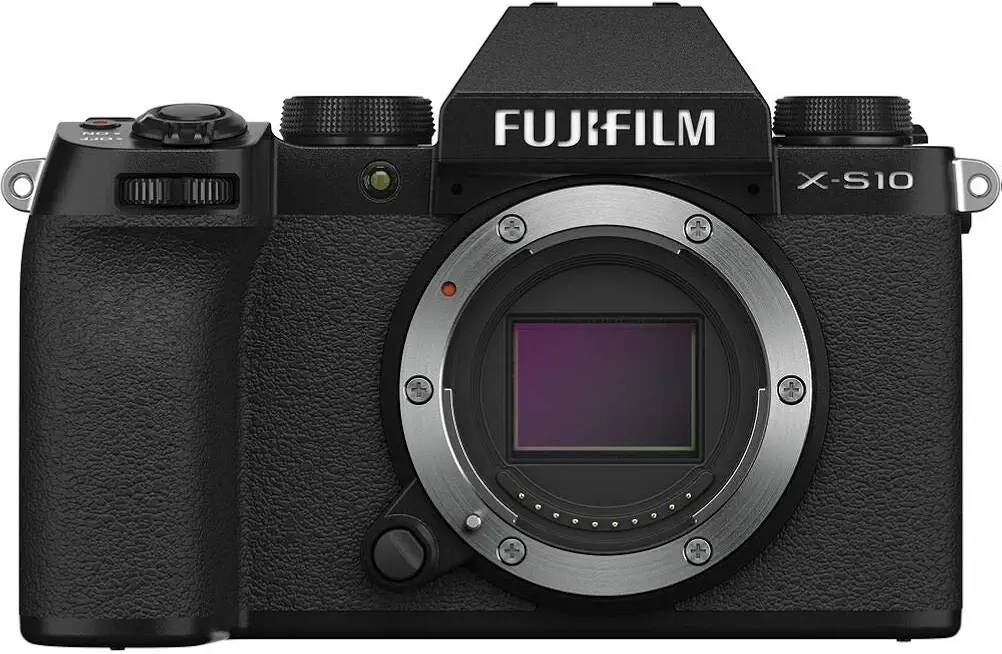
Fujifilm X-S10 Camera
Versatile, user-friendly body with five-axis stabilization and a fully articulating screen, paired with celebrated color profiles for cinematic stills and video. Great for creators seeking portable, expressive image-making.
Check PriceThe Fujifilm X-S10 is one I reach for when I want great color straight out of camera and a friendly layout for run-and-gun work. Its in-body stabilization and fully articulating screen make handheld video and vlogging easier than on the a6500, and the Fujifilm color profiles give images a pleasing look with less time in post.
Where the X-S10 falls behind the a6500 is in fast-action tracking. Sony still usually nails moving subjects more reliably, so if you shoot sports or fast wildlife the a6500 (or Sony’s newer bodies) tend to be safer bets. Battery life on the X-S10 is fine for a day of casual shooting but won’t match the longer endurance of Sony’s NP‑FZ100-powered bodies.
Pick the X-S10 if you value in-camera color, a flip-out screen for video, and a camera that feels great in the hand for everyday shooting. If your work needs the most bulletproof autofocus or you already own lots of Sony glass, you might prefer the a6500 or a Sony upgrade instead.
Alternative 3:
Fujifilm X-S10 Camera
Compact powerhouse blending intuitive controls, rich film simulations and in-body stabilization to capture smooth handheld photos and video. Exceptional handling, quick performance and flexibility for travel, vlogging and everyday shooting.
Check PriceComing back to the X-S10 from a different angle, it’s a compact powerhouse for travel and everyday use. I’ve taken it on trips where its weight, stabilized body, and easy controls let me shoot handheld in low light without packing a tripod. The tactile dials and film simulations make shooting feel more creative and faster than the a6500 for casual jobs.
In real shooting the X-S10 gives you nicer colors and a friendlier experience, but it still doesn’t quite match the a6500 for raw tracking speed or the broader selection of E-mount lenses for certain niche uses. Also, if you move from Sony to Fujifilm you may miss some of the lens options and adapters you already have for the a6500.
If you’re a content creator, traveler, or photographer who values color and handling over razor-sharp action tracking, the X-S10 is a great choice. If your work is geared toward fast action or you need the biggest lens ecosystem, staying with the a6500 (or moving to a higher-end Sony body) might serve you better.
What People Ask Most
Is the Sony a6500 worth buying?
Yes — it’s still a strong buy for used shoppers thanks to fast autofocus, 5-axis IBIS and 4K video, though newer bodies offer better battery life and low-light performance.
What is the difference between the Sony a6500 and a6300?
The a6500 adds 5-axis in-body stabilization, a touchscreen and a larger buffer for continuous shooting; otherwise the sensor and core AF performance are very similar.
Does the Sony a6500 have in-body image stabilization (IBIS)?
Yes — the a6500 features 5-axis in-body image stabilization that helps both stills and handheld video.
How good is the Sony a6500 for video and vlogging?
Very capable — it shoots 4K with reliable autofocus and IBIS for handheld work, though the tilting (not fully articulating) screen and average battery life can limit long vlogs.
What lenses are best for the Sony a6500?
Start with a versatile mid-range zoom like the Sony 16–55mm f/2.8, add a fast wide prime (Sigma 16mm f/1.4) for landscapes/low light, and a short portrait prime (Sony/Sigma 50–56mm) for portraits.
How long does the battery last on the Sony a6500?
It uses the NP‑FW50 and delivers about 300–350 shots per charge (CIPA); expect roughly 60–90 minutes of continuous 4K recording and carry spare batteries for longer shoots.
Conclusion
The Sony a6500 Camera remains a remarkably capable, compact workhorse for photographers and hybrid shooters who prize stabilization, speed and quiet operation. Its five-axis IBIS, dependable phase-detect AF, high-resolution APS-C sensor, fast bursts and 4K capture give it a real-world punch that still matters. In my experience it balances handling, durability and image quality in a way newer, bigger bodies sometimes miss.
Practical compromises are real and clear. Limited battery endurance, a single UHS‑I slot, the mechanical shutter ceiling, 4K capped at 30p and a tilting (not fully articulating) screen mean you trade some convenience for a smaller footprint. If you shoot all-day events, heavy video, or need the latest AF and battery longevity, those caveats matter.
Match the camera to your workflow and kit. If you need longer battery life or newer AF, stabilization or video features, the a6600, Fujifilm X‑S10 and Canon R7 are upgrade paths I’d consider. For travel, street and hybrid run‑and‑gun work the Sony a6500 Camera still earns a recommendation when compact weight, IBIS and versatile AF matter more than absolute battery life or cinematic frame rates — this sony a6500 review ultimately advises buying for the right shooter and passing if you need the newest speed or video specs.
Sony a6500 Camera
Compact APS-C mirrorless delivering fast hybrid performance, reliable autofocus and crisp 4K capture. Robust build with a tilting touchscreen makes it ideal for street photography, travel and everyday shooting.
Check Price

0 Comments