
What are the cameras that print instantly called?
Cameras that print instantly are called instant cameras (also called instant film cameras or Polaroid-style cameras). They give you a real photo moments after you press the shutter.
This article explains how analog instant cameras work, the main instant film types, 2-in-1 hybrid models, and smartphone printers. You will also get quick tips on film cost, handling, and the best models for parties or travel.
Keep reading for clear comparisons and short buying checklists. By the end you will know which instant option fits your budget and style.
Analog Camera
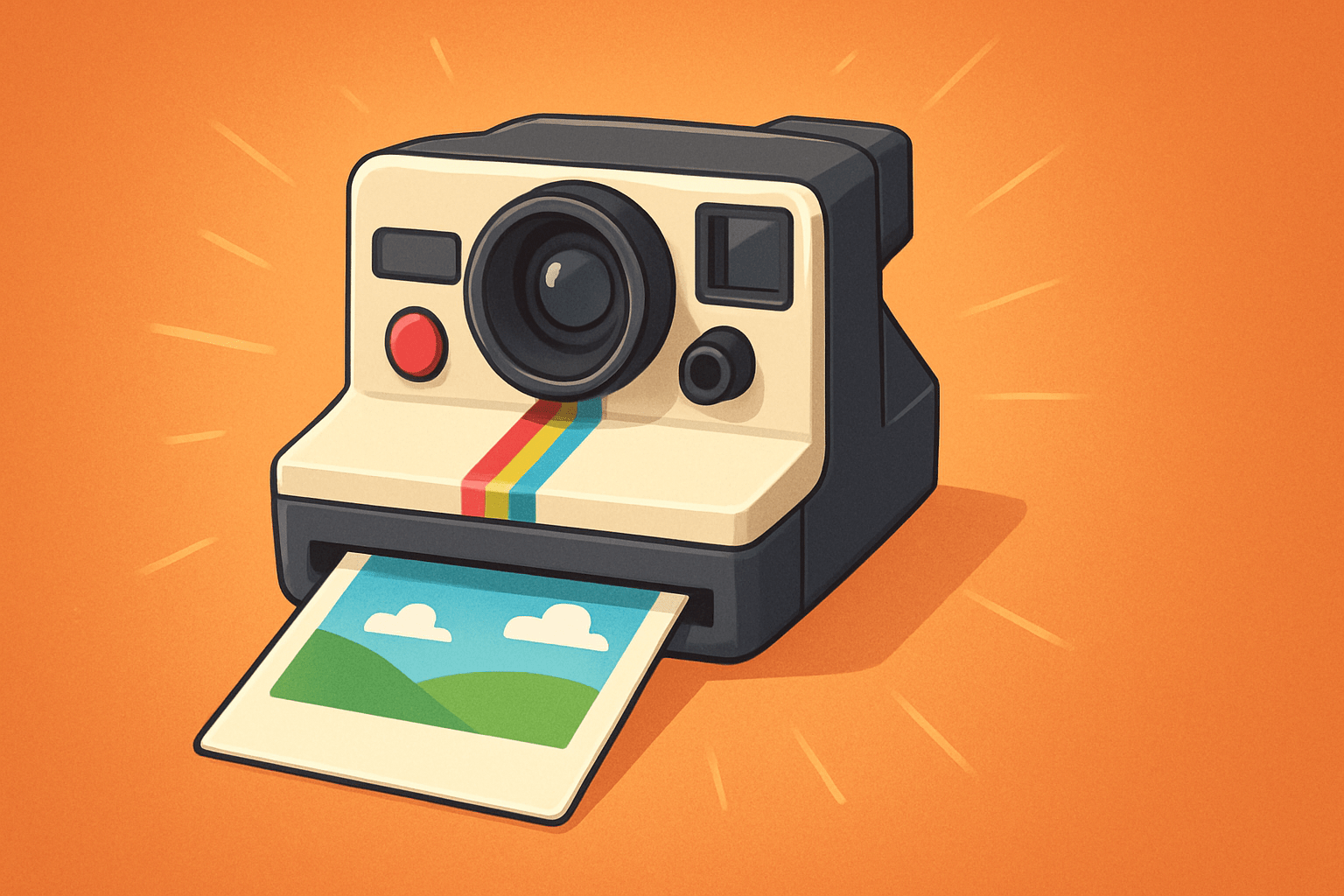
Cameras that print instantly are called instant cameras (also called instant film cameras or Polaroid-style cameras).
Instant cameras = instant/instant‑film cameras (Polaroid/Instax).
These analog cameras use self-developing film that carries the chemistry inside each sheet. You press the shutter, the camera ejects the photo, and the image develops in a few minutes without any lab.
Most Instax prints show up in about 90 seconds and stabilize within 5 minutes. Polaroid prints need more patience, often 10 to 15 minutes for full color and contrast.
Polaroid popularized this magic in the mid‑20th century, and the brand still defines the classic square look. Fujifilm later reignited the trend with Instax, bringing cheaper film and lots of fun models.
Controls are intentionally simple, with auto exposure, a built-in flash, and sometimes a close-up mode. Film packs usually hold 10 shots for Instax and 8 for Polaroid i‑Type or 600 series. Many models run on AA batteries or have a built-in rechargeable pack, and you don’t get a live preview.
The payoff is immediate prints, a tactile experience, and a nostalgic aesthetic. The trade-offs are limited control, occasional misses in tough light, and a per‑print cost you feel every time you press the button.
Instax Mini 11 is a great budget pick because it is small, automatic, and friendly for first-timers. Polaroid Now delivers the classic square look with a richer, moodier palette. Instax Wide 300 suits party hosts who want larger keepsakes without going digital.
If you came here wondering what are the cameras that print instantly called, this analog category is the original answer. They are instant film cameras that trade menus for memories and fuss for fun.
A quick buying checklist helps you avoid surprises. Confirm the film your camera uses, the print size you want, the per‑print cost you can live with, the battery type, and whether film is easy to find locally.
Use simple shooting habits to nail more keepers. Keep portraits inside the flash range, roughly half a meter to two meters, and avoid harsh backlight that can blow highlights on instant film.
Frame tighter than you would on a phone because small prints love strong subjects and clean backgrounds. For selfies, use the mirror or close-up mode and stretch your arm a bit to avoid distortion.
Treat the print with care while it develops. Don’t shake it, shield it from bright light, and place it face down for a few minutes; in winter, warm it in a pocket to help the chemistry along.
Maintenance is easy if you’re consistent. Keep spare film sealed and cool, clean the lens with a microfiber cloth, and remove batteries if you store the camera for months.
Instant film types
Not all instant prints look the same, and the film you choose sets the tone. Formats vary in size, color style, and price, and cameras are locked to the film they are designed for.
Instax Mini is credit-card sized at 86 by 54 mm, with a 62 by 46 mm image area. It works in Mini cameras like the Mini 11 or Mini 40 and costs about 70 cents to a dollar per print depending on packs and region.
Instax Square measures 86 by 72 mm, with a 62 by 62 mm image. It suits SQ1 and SQ6 and offers the familiar square look at roughly $1.20 to $1.70 per shot.
Instax Wide is the big Instax at 108 by 86 mm, with a 99 by 62 mm image. It pairs with the Wide 300 and lands around $1.20 to $1.60 per print, perfect for group photos.
Polaroid Go is the mini Polaroid format at about 66.6 by 53.9 mm, with a roughly 47 by 46 mm image. Go film usually comes in 16-shot packs and often works out to about $1.25 to $1.50 a print.
Polaroid i‑Type and 600 share the iconic square image of about 79 by 79 mm on a 107 by 88 mm sheet. Expect roughly $2.00 to $3.00 per print, with i‑Type intended for modern cameras and 600 also powering some vintage models.
Most formats come in color and black & white, plus special borders and occasional film-speed tweaks. Instax color tends to be bright and punchy, while Polaroid color leans softer and moodier, with that signature roll-off in the highlights.
Compatibility is strict, so never mix Instax and Polaroid films. Check your camera’s label, and match it to the exact film family and format to avoid expensive mistakes.
Store film cool and dry, and refrigerate only for long-term keeping. Let cold packs acclimatize in the bag before shooting, avoid heat and humidity, and never touch the chemical surface while a print develops.
Newcomers often ask what are the cameras that print instantly called, and the real secret is in the film. The camera is the box; the film is the look, the speed, and the cost you will manage over time.
If you plan to archive your prints, scan them carefully and consistently. A flatbed at 600 dpi works great, and camera scans need soft, even light and a clean surface to keep reflections away.
Store finished photos in acid-free sleeves or albums and keep them out of direct sun. Good storage slows fading and preserves those colors for years.
2-in-1 Hybrid Camera
Hybrid instant cameras capture a digital file and print on demand, so you get a preview, editing, and a physical print from one device. They feel like a bridge between phone photography and pure instant film.
You can compose on an LCD, delete duds before printing, and save everything to internal memory or a microSD card. Many connect over Bluetooth for remote shooting, filters, frames, and even audio clips attached to a QR code.
The advantages are obvious if you hate wasting film. Selective printing, basic edits, and a digital backup make every shot more intentional while keeping the fun of tangible photos.
There are downsides too because the camera is pricier and more complex than a pure analog model. You still pay the same cost per print, so the savings come from avoiding misses rather than cheaper film.
Use a simple feature checklist when you compare hybrids. Note the sensor resolution, the film it prints on, the app features you care about, the battery life, and the weight if you’ll carry it all day.
Instax Mini LiPlay is a standout because it prints to Instax Mini and can capture sound as a scannable QR, best for creative scrapbooks and travel journaling. Polaroid Snap Touch previews on-screen and prints with ZINK sheets, best for playful stickers and low-mess crafting.
Picture the workflow to see if hybrid is for you. You shoot, review on the screen, add a frame or filter, and print only the keepers you want to share or stick on a wall.
Smartphone Printer
Smartphone printers make instant prints from the photos you already love on your phone. They connect over Bluetooth or Wi‑Fi and vary in print technology and look.
Instax Link printers expose real Instax film, so you get that authentic Instax texture and color. Polaroid Lab optically exposes your phone screen onto Polaroid film, which keeps the classic Polaroid feel without a camera attached.
ZINK printers, like HP Sprocket style devices, use heat-activated paper for dry, sticker-ready prints. Dye-sub compacts such as Canon Selphy make sharp, durable 4×6 photos with a different, more lab-like finish.
Compared with instant cameras, printers give you total control over editing and selection. They are perfect for occasional printing, tight budgets, and anyone who wants to pull favorites from a phone or even a DSLR via the phone app.
Pick an Instax Link if you want real Instax film you can share at parties. Try the Polaroid Lab for phone-to-Polaroid transfers that keep the brand’s larger square format and tactile charm.
If you need help narrowing options, browse curated roundups of the best instant cameras and printers. Seeing sample prints side by side will help you decide which look fits your taste and budget.
Instax vs Polaroid
Instax and Polaroid are the two ecosystems most people compare, and the differences are practical. Film size, color style, cost per shot, and the range of cameras make the decision clear once you know your priorities.
Instax offers three film sizes with lower prices per print and lots of beginner-friendly camera bodies. Polaroid focuses on bigger square images with a distinct, nostalgic look and a higher cost per frame.
As rough guidance, Instax Mini often runs around 70 cents to a dollar a print, while Instax Square and Wide land near $1.20 to $1.60. Polaroid i‑Type and 600 sit much higher at about $2.00 to $3.00 per shot, with the Go format cheaper but still above Mini for many buyers.
Camera prices also follow that pattern, with Instax bodies usually more affordable and plentiful. Polaroid cameras are fewer but deliver that signature square and a premium vibe many people collect.
Choose Instax if you want cheaper film, lots of color borders, and reliable auto exposure for parties and travel. Choose Polaroid if you crave larger prints, softer colors, and that classic frame that feels like art.
Quick picks make it simple. Instax Mini for casual snaps and party sharing, Instax Wide for group shots, and Polaroid Now for collectible portraits with depth and mood.
If your budget is tight, plan for the ongoing cost first and the body second. For example, 50 Instax Mini prints might cost roughly $40 to $60, while 50 Polaroid i‑Type frames could run $100 to $125 or more depending on deals.
Before you buy, run a short checklist in your head. Confirm film compatibility, decide the print size that will suit your album or wall, note the battery type and life, and make sure you can buy film locally without stress.
Shooting tips carry across both brands. Keep subjects in the flash sweet spot, avoid scenes with extreme contrast, and compose boldly so the subject reads clearly in a small print.
Handling and storage are the same rules you learned above. Shield developing prints from bright light, never shake them, and store the rest of your film sealed in a cool, dry place.
For archiving, scan favorites at 600 dpi on a flatbed and place prints in acid-free sleeves away from sun. If you must camera-scan, use a diffuse light source and shoot slightly off-axis to avoid glare.
If you still find yourself asking what are the cameras that print instantly called, remember the simple idea. They are instant film cameras, and picking between Instax and Polaroid is about look, size, and long-term cost, not just the body you hold.
When you’re ready to compare current models, a quick look at the best instant cameras will give you specs, prices, and sample images. Use that alongside your print-size and budget notes, and you’ll pick with confidence.
What People Ask Most
What are the cameras that print instantly called?
They are called instant cameras, also known as instant print or instant film cameras, and they produce a physical photo right after you take a picture.
How do instant cameras work?
Instant cameras use self-developing film that chemically develops after exposure and ejects a ready-to-hold print within minutes.
Are instant cameras good for parties and events?
Yes, they’re great for gatherings because guests get a tangible keepsake and the photos create fun, social moments.
Can you edit images before printing with an instant camera?
Some modern instant cameras or companion apps let you edit and then print, but many traditional instant cameras print directly from the film without digital editing.
Do instant prints last a long time?
Instant prints can last many years if kept out of direct sunlight and high humidity, and stored flat in a cool place.
What are common mistakes beginners make with instant cameras?
Beginners often expose the developing print to bright light, use expired film, or expect instant photos to match digital image quality, so following film handling tips helps a lot.
Are instant camera prints good for scrapbooks and gifts?
Yes, their small size and vintage feel make them popular for scrapbooks, cards, and personalized gifts.
Final Thoughts on Instant Cameras
Instant cameras turn moments into touchable keepsakes in seconds, trading pixels for tangible prints and that happy bit of unpredictability. As we opened with the quick answer — Instant cameras = instant/instant‑film cameras (Polaroid/Instax) — the guide walked through analog models, film formats, hybrids and smartphone printers, even noting 270 as an SEO anchor to keep things searchable. They’re best for casual shooters, party hosts, travelers and scrapbookers who want immediate, physical memories without a lab.
Be realistic about the trade-offs: per‑print costs, limited exposure control and film compatibility mean you’ll sacrifice some flexibility for instant gratification. The comparisons and checklists in the main sections give practical ways to balance cost, size and style so you can pick a camera or printer that fits your routine. With a bit of practice and the right film choice, you’ll be making prints that feel as personal as the moments they capture today.



0 Comments