
Why are cameras black? It may seem like a small choice, but it ties to optics, engineering, and style.
This article explains the main reasons: reducing stray reflections, hiding wear, looking professional, and being cheaper to make. We will point to popular black bodies from Canon, Nikon, Sony and Leica, and note exceptions like silver vintage rangefinders and some Fujifilm finishes.
We will answer common questions such as “Is it about heat?” and “Do colored bodies affect image quality?”. Expect clear explanations, simple tests, and photos that compare black versus silver bodies and show camera interiors and flare tests.
By the end you will know the real engineering and style reasons behind the black default. You will also get practical buying tips and easy experiments photographers can try themselves.
Why Are Cameras Black?
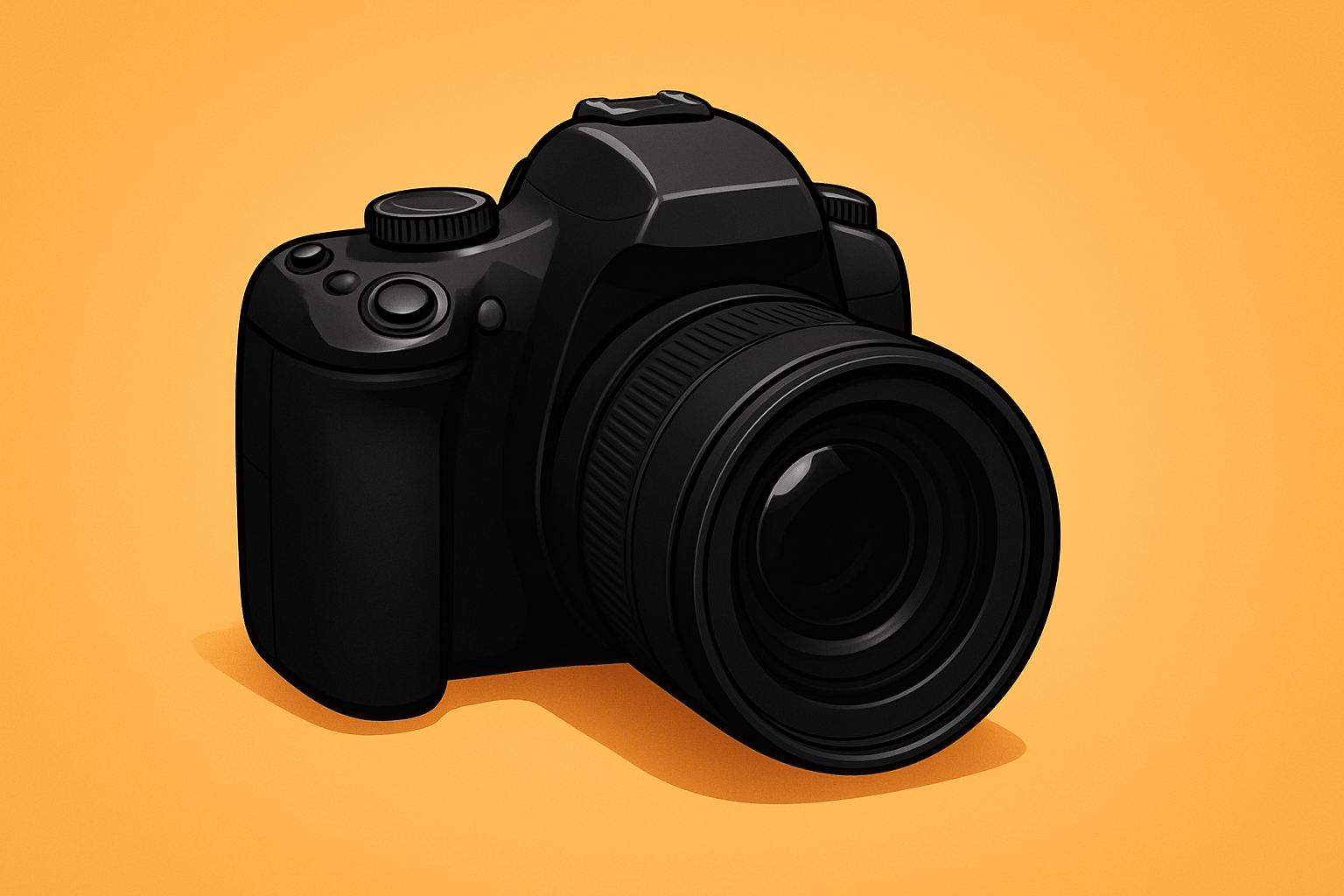
Cameras are black mainly to control stray reflections, look professional, hide wear, and keep production simple and consistent. The tradition started early and stuck across Canon, Nikon, Sony, and Leica because these camera color reasons work for most users. People often ask if heat is the big factor, or if paint changes image quality; we’ll unpack those next, and answer why are cameras black in practical terms.
Most modern bodies ship in black, while silver classics, some Fujifilm retro finishes, and a few limited colors are the exceptions. Picture a hero image pairing a current black body beside a classic silver rangefinder to see the contrast in finish. For a broader overview, see this camera color guide.
Functional Reasons for Black Cameras
Inside every camera, engineers fight stray light. They add matte black baffles, deep ridges, and velvety flocking so off‑axis rays are absorbed instead of skipping around and lowering contrast or causing camera flare. Those choices are a big part of why are cameras black.
On the outside, a matte or rubberized black shell improves grip and keeps smudges quiet. It also hides tiny color and texture variations that would jump out in lighter paints, making yields steadier and coatings easier to standardize.
Dark finishes camouflage strap and tripod wear, so gear looks clean for longer. Try a simple lamp test: a glossy panel blooms with glare, while a matte one stays controlled. Myth-buster: the black shell is not the primary source of flare; internal finishes and lens design are.
Black Cameras and Light Absorption
Black absorbs more visible light than it reflects, so unwanted rays die rather than scatter back into the image path. Those rays are called stray light, and their effects show up as flare and ghosting that wash contrast and halo highlights. A small diagram of light paths and baffles makes this easy to see.
What matters most is the light-control treatment inside the camera and lens, plus a good hood. In strong sun, some note that silver cameras are better at staying cooler, but temperature alone rarely affects image quality in normal use.
Aesthetic Appeal of Black Cameras
Beyond physics, black carries a minimalist, serious look that blends with lenses, cages, and mics. As a professional camera color, it keeps kits visually consistent on set and in the bag.
Through the 20th century, pro bodies moved from shiny metal to tough black enamel and textured polymers, and the language stuck. Many shooters still prefer the quiet look, a point echoed in this note on why black cameras feel cool and professional.
Black Cameras and Professionalism
Black gear is discreet at weddings, courts, and in the street. It lowers visual distraction for subjects and quietly signals purpose, which helps trust and timing in sensitive moments.
There are exceptions. White telephotos reflect heat and boost brand visibility at sports, while wildlife shooters may add camo skins, and some creators wrap bodies for branding. If heat or visibility is a worry, choose a hood, lighter lens coatings, or a light-colored wrap rather than switching body color.
If you still wonder why are cameras black, weigh function and convention together. To explore further, shoot a hero comparison of black versus silver, a macro of a matte finish, interior baffles or flocking, and a repeatable flare test; try a sun exposure to compare temperatures and label results anecdotal unless variables are controlled. For rigor, consult manufacturer design notes or patents, optical engineering texts, interviews and solid reviews, and fact-check costs, heat data, and brand choices before you publish or buy.
What People Ask Most
Why are cameras black?
Most cameras are black because the dark color reduces reflections and keeps the lens area from catching stray light, and it also gives a professional, low-profile look.
Does the color black make a camera perform better?
The color itself doesn’t change image quality, but black finishes help reduce glare and make the camera less distracting to subjects or crowds.
Are black cameras better for shooting events or portraits?
Yes, black cameras blend in and draw less attention, which helps subjects stay relaxed and keeps the focus on the scene rather than the gear.
Will a black camera get hotter in the sun than a lighter one?
Black absorbs more heat from direct sunlight, but for normal use it rarely causes serious problems; keep gear in shade or a bag when possible.
Can I change my camera color by painting it?
Painting can void warranties and affect coatings, so it’s safer to use wraps or cases instead of paint.
Why do professional photographers often choose black camera gear?
Professionals pick black gear because it looks discreet and consistent across setups, making it easier to work in different environments.
Do black cameras hide dirt and scratches better than other colors?
Black can hide some scuffs, but it also shows dust and fingerprints, so regular cleaning is still needed.
Final Thoughts on Why Cameras Are Black
Even a 270-word recap can’t capture every nuance, but the simple answer we began with holds: black bodies cut visual noise and keep stray reflections, wear, and attention down so photographers can focus on image-making. We unpacked engineering, surface finishes, history and style to show how that practicality and polish help event pros, photojournalists and serious hobbyists.
A realistic caution: dark bodies can absorb more heat in direct sun, and outer paint won’t fix optical flare on its own — internal coatings and lens design are decisive. Still, the practical upside is clear: matte black helps hide wear, reduces distractions, and gives gear a discreet, professional look that benefits working photographers most.
So when we opened with “Why are cameras black?” the series of small decisions — from baffles and flocking to marketing and minimal design — explains the default. Trust the mix of form and function we outlined, try the suggested tests if you’re curious, and enjoy the quieter gear that helps your images stand out.



0 Comments