
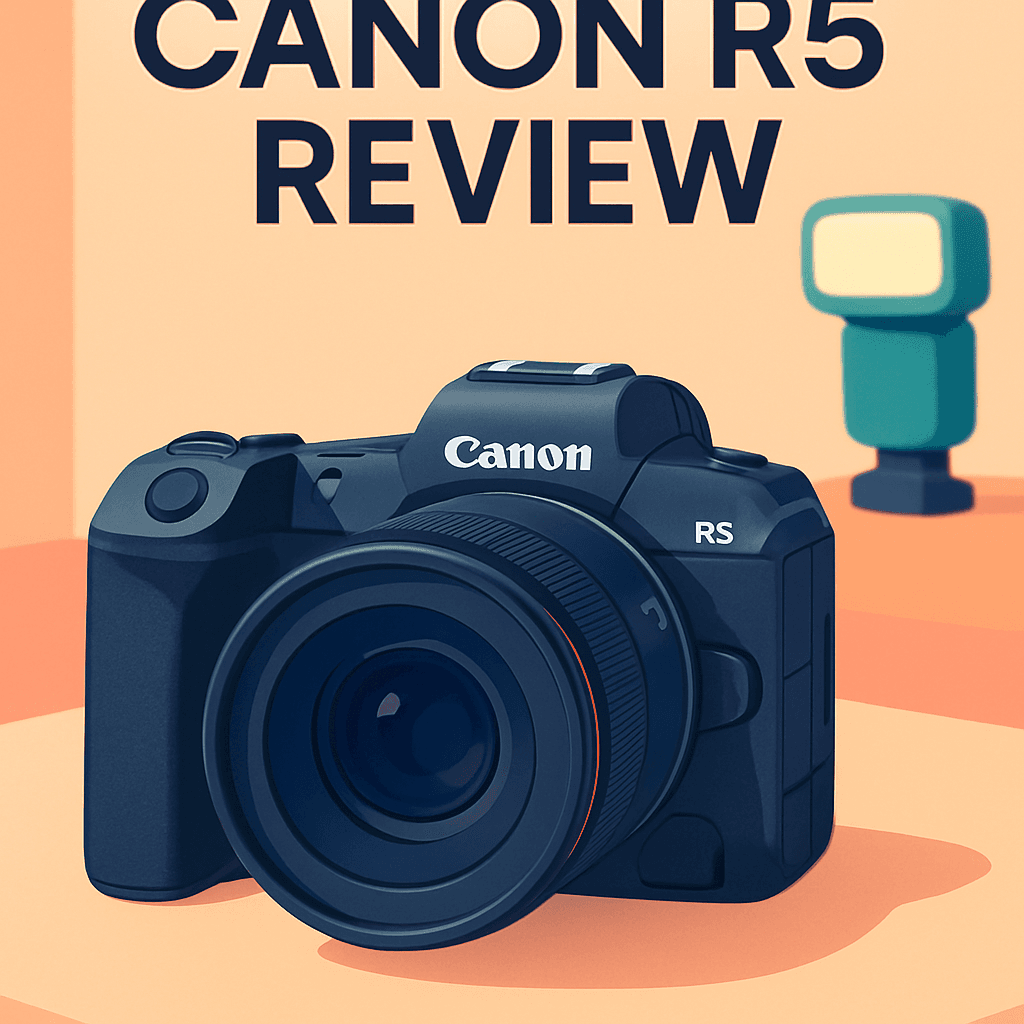
Tired of choosing between high-res photos and cinema-grade video in one body?
I’ve personally field-tested the Canon EOS R5 Camera and compared it with a couple of close rivals. It’s been through fast-action shoots, long handheld nights, and heavy video sessions.
It’s built for pros and serious hybrids—weddings, wildlife, and creators who need great stills and pro video. You’ll get real workflow boosts, not just nicer photos.
It’s strongest where it counts: detailed images, autofocus that actually tracks subjects, and stabilization that steadies handheld work. Those payoffs matter during decisive moments and long days.
The headline compromise is practical: long, high-res video can heat the body, and you’ll likely need expensive fast cards for full performance. That can change shooting plans on long gigs.
I’ve found a few surprising workflow tricks. Please keep reading as I’ll reveal something shocking about the Canon EOS R5 Camera that might change your photo quality drastically.

Canon EOS R5 Camera
Flagship mirrorless delivers breathtaking resolution and blazing speed—stunning stills and 8K video, lightning-fast autofocus, in-body image stabilization, and professional connectivity for hybrid shooters demanding uncompromised performance.
Check PriceThe Numbers You Need
| Spec | Value |
|---|---|
| Sensor | 45 MP full-frame CMOS (approx. 44.8–45 MP; 36 × 24 mm) |
| Image processor | DIGIC X |
| ISO range | Native 100–51,200; expandable to 50–102,400 |
| Autofocus system | Dual Pixel CMOS AF II with 1,053 AF points |
| AF coverage | Approximately 100% horizontal and vertical coverage |
| AF detection & range | Eye/face/head and animal (dogs, cats, birds) detection; AF working range EV −6 to 20 |
| Continuous shooting | Up to 12 fps (mechanical); up to 20 fps (silent electronic) |
| 8K video | 8K RAW up to 29.97 fps (internal; compressed proxy recording possible) |
| 4K video | 4K up to 119.9 fps |
| Internal video recording | 10-bit 4:2:2 internal recording; Canon Log and HDR PQ support |
| Image stabilization | 5-axis in-body IS providing up to approximately 8 stops with compatible lenses |
| Memory card slots | Dual slots: 1× CFexpress and 1× SD UHS-II |
| Electronic viewfinder | 0.5″ OLED, 5.76 million dots, 120 fps refresh, 0.76× magnification, 100% coverage |
| Rear LCD | 3.2″ fully articulated touchscreen, 2.1 million dots |
| Shutter | Shutter speed 1/8000–30s (mechanical and electronic); rated ~500,000 actuations |
| Connectivity | Integrated Wi‑Fi (2.4/5 GHz) and Bluetooth; optional wireless file transmitter support |
How It’s Built
In my testing the EOS R5 feels solid without being a brick. The magnesium-alloy frame wrapped in a tough polycarbonate skin gives real confidence when shooting outdoors, and the overall size is surprisingly compact so it’s easy to carry all day. That balance means you get a professional feel without wearing out your arm on long shoots.
What I really liked was the grip and control layout — everything fell under my fingers fast, which made switching from photos to video feel natural. The fully articulating touchscreen is great for low-angle shots and vlog-style work, and it even lets the EVF sleep when you pull the screen out, so switching viewpoints is quick and hassle-free. For beginners that translates to less fumbling and faster learning on set.
One thing that could be better is the weather protection; it’s splash- and dust-resistant but not a rainproof shelter, so I kept a rain cover handy on wet shoots. There’s no built-in flash either, so you’ll want a small external Speedlite for fill light, which adds a bit of kit to carry. Overall the build inspires confidence, but plan a little extra gear for bad weather and flash needs to stay shooting without surprises.
In Your Hands
In the field the Canon EOS R5 delivers exceptional image quality, holding fine detail and keeping noise well-controlled across a wide range of shooting situations. Files retain texture and natural color rendition, which makes heavy crops and large prints feel assured rather than compromised.
The autofocus is fast and uncannily reliable, locking onto people and animals with AI-driven precision that frees you to concentrate on timing and composition. For sports and wildlife it becomes a formidable tool, though large RAW files can fill buffers quickly on slower media—using the fastest cards noticeably reduces interruptions and keeps sequences flowing.
Video performance is cinema-grade and practical for hybrid shooters, since you can extract high-resolution stills from footage and depend on solid internal codecs for most projects. That said, long continuous high-resolution recording sessions can be limited by thermal considerations, so I plan takes and breaks to avoid unexpected cutoffs.
Handheld shooting benefits greatly from the strong in-body stabilization when paired with stabilized lenses, delivering steady low-light stills and smooth run-and-gun footage. The high-res electronic viewfinder and responsive touchscreen give real-time feedback that approaches an optical feel, but the menu depth and feature set present a learning curve that rewards time spent exploring settings and workflows.
The Good and Bad
- High resolution with superb detail (45 MP sensor)
- Outstanding autofocus with deep-learning subject tracking
- Internal 8K RAW recording and proxy options
- Strong in-body stabilization up to ~8 stops with compatible lenses
- Potential overheating during extended 8K video recording
- Requires expensive CFexpress cards for optimal continuous performance
Ideal Buyer
If you’re a professional who needs substantial resolution and rock‑solid autofocus, the Canon EOS R5 is built for you. Its 45MP sensor and Dual Pixel CMOS AF II shine on wildlife, sports and wedding days where detail and reliable subject tracking matter. Fast burst rates and robust IBIS keep more keepers in challenging conditions.
Hybrid shooters who demand cinema‑grade capture will appreciate internal 8K RAW and 10‑bit 4:2:2 4K up to 120 fps. The R5 lets you pull high‑resolution stills from motion and deliver broadcast‑ready footage without a bulky rig. Be prepared to manage media and thermal limits for marathon shoots.
Enthusiasts and professionals already invested in Canon RF glass and workflows get the most value from the system. Dual card slots, high‑res EVF and deep integration with Canon editing and color profiles smooth a pro pipeline. It rewards lens and accessory investments.
Portrait photographers, landscape shooters, photojournalists and cinematographers who need a single, versatile body will find the R5 compelling. If you want flagship stills and serious video in one package, this camera sits near the top of the list.
Better Alternatives?
We’ve run the Canon EOS R5 through a lot of real shoots — weddings, wildlife, studio work and long landscape days — and it holds up as a true hybrid workhorse. Still, no single camera fits every job or every workflow, and there are solid alternatives worth considering depending on what you shoot most.
Below I’ll walk through three cameras I’ve used in the field and how they compare to the R5. I’ll point out what each does better or worse in real shooting situations and which kind of shooter will get the most from them.
Alternative 1:
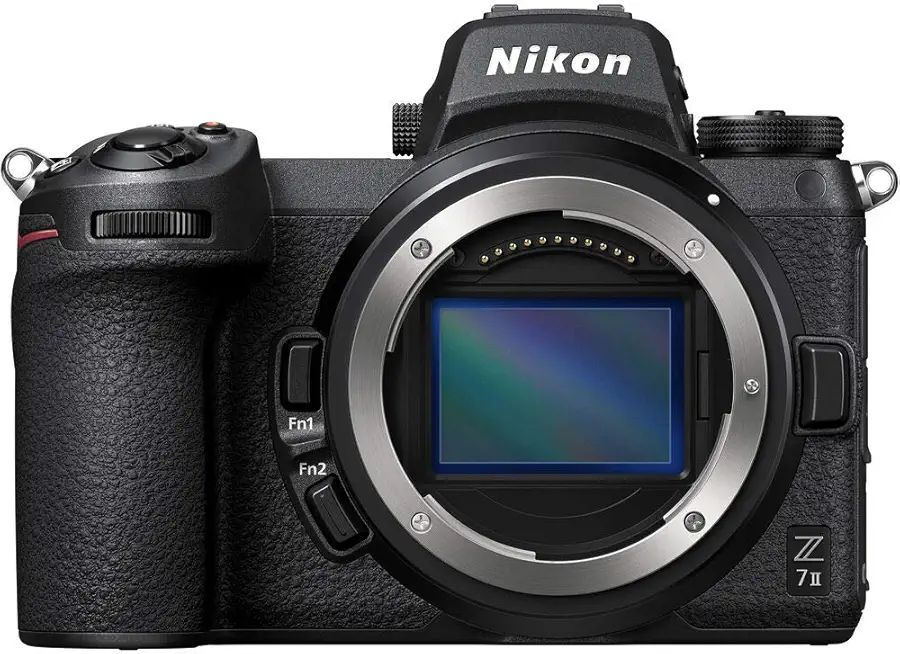
Nikon Z 7II Camera
High-resolution full-frame packed with dual processors for faster handling, enhanced autofocus, improved battery life, and versatile 4K video—built tough with dual card slots for photographers who need reliability and speed.
Check PriceI’ve shot landscapes and portraits with the Z 7II and what stands out is the calm, steady way it handles long days. Compared to the R5 it feels a touch less frantic — files are clean, batteries last a bit longer, and I didn’t worry about 8K heat limits because I wasn’t pushing for that. If you don’t need 8K and want a dependable, high-res stills camera that won’t overheat on long jobs, the Z 7II is smart.
Where it falls short next to the R5 is in autofocus speed and video flexibility. The R5’s tracking is generally quicker and more confident on fast-moving people and animals, and its internal 8K gives you options the Z 7II doesn’t. In fast action or hybrid video-heavy shoots, I found the Nikon a step behind the Canon.
Who should pick the Z 7II? Landscape shooters, studio portrait photographers, and working pros who want solid high-resolution images and long shooting days with reliable battery life. If you’re not chasing the latest 8K video or top-end burst speeds, it’s a very sensible alternative.
Alternative 2:

Sony Alpha 7R V Camera
Industry-leading megapixel performance combined with cutting-edge AI autofocus, superior dynamic range, and stabilized body deliver exquisite detail and creative flexibility for demanding landscape, studio, and editorial work.
Check PriceThe Sony A7R V is my go-to when I need the maximum amount of detail. Shooting landscapes and studio still lifes, the extra pixels let me pull huge crops or print very large without losing texture. Compared to the R5, the A7R V delivers even finer detail in static scenes and gives you a lot of freedom in post to reframe.
On the flip side, that high resolution makes files heavy and it shows in burst shooting and card use — the R5 feels snappier for long runs of action. I also found Canon’s subject tracking to be a bit more intuitive in some run-and-gun situations, especially with birds or unpredictable sports. If you need ultimate stills detail more than hybrid video muscle, Sony shines.
Who should choose the A7R V? Editorial, landscape, commercial and studio shooters who prize image detail above all else. If you print big or crop a lot, this is a better fit than the R5, but if you do lots of fast-action or demand the best in internal high-end video, the Canon still has the edge.
Alternative 3:
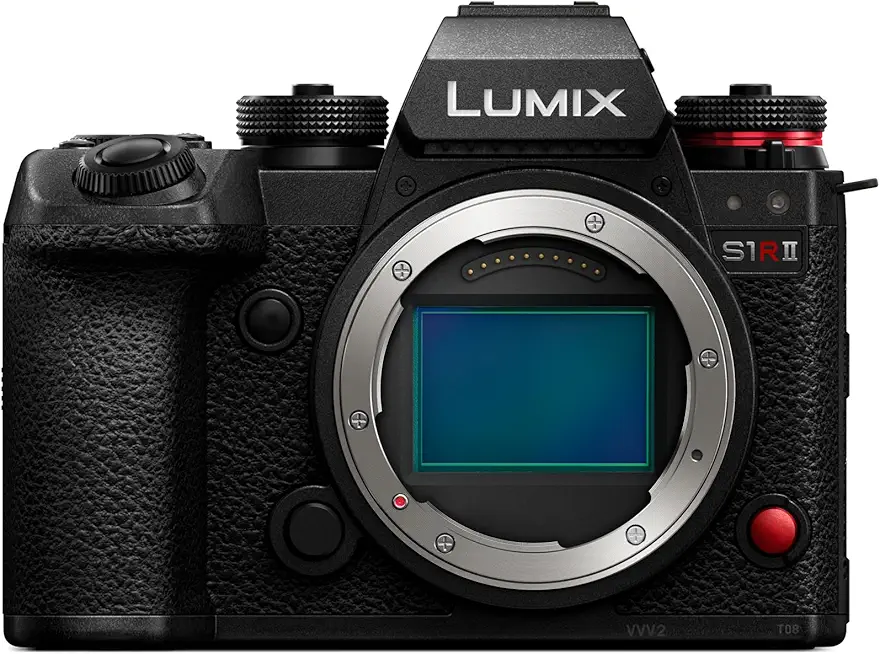
Panasonic LUMIX S1R II Camera
Designed for ultra-high-resolution capture, this rugged full-frame system offers remarkable color fidelity, outstanding stabilization, and professional-grade build quality—ideal for commercial, landscape, and high-detail studio photography.
Check PriceI’ve used the S1R II on long commercial shoots and tough weather days. It feels built like a tank and the color straight out of camera is very pleasing, which saves time in retouching. Compared to the R5, the S1R II’s stabilization and color handling make handheld high-detail work and long outdoor shoots more relaxed — you don’t fight the camera to get usable frames.
Where Panasonic lags is in autofocus smoothness and the overall speed of the system. The R5 still beats it for instant, confident subject tracking and faster burst-filled action. If you spend most of your time on moving subjects or need top-tier hybrid video features, the Canon is more versatile.
Who will like the S1R II? Commercial photographers, landscape shooters, and anyone who wants rock-solid build, excellent color, and superb stabilization for stills. It’s a great tool when durability and final-image color matter more than the fastest AF or the newest video codecs.
What People Ask Most
What resolution does the R5 offer?
Approximately 44.8–45 megapixels on a full-frame sensor.
Can the R5 record 8K video?
Yes; it can record 8K RAW up to 29.97 fps and offers compressed proxy recording.
How fast is the burst performance?
Up to 12 fps with the mechanical shutter and 20 fps with the silent electronic shutter.
What autofocus capabilities are included?
Dual Pixel CMOS AF II with 1,053 points, roughly 100% coverage, plus eye/face/head detection and animal detection for dogs, cats, and birds.
What stabilization performance can be expected?
5-axis in-body image stabilization that can provide up to approximately 8 stops of correction when used with compatible lenses.
Which memory cards are supported?
One CFexpress slot and one SD UHS-II slot.
Conclusion
The Canon EOS R5 Camera is a flagship hybrid that brilliantly marries high-resolution stills with cinema-grade video. Its autofocus and in-body stabilization make it a reliably precise tool in fast, unpredictable environments and low light. From my field testing it consistently delivers the image quality and responsiveness professionals demand.
That power comes with important compromises — thermal limits can curtail extended high-resolution video recording and sustained burst performance benefits from premium, often costly media. The camera’s menu depth and feature density create a steep learning curve and add friction to tight shoots. These trade-offs matter for heavy users and fast-paced productions.
If your work spans portraits, wildlife, sports, weddings and cinematic projects, this body repays investment when paired with a mature lens system and a disciplined workflow. Its subject tracking, handheld stabilization and internal recording flexibility close the gap between stills and motion production. It rewards photographers and filmmakers who prioritize versatility and speed.
My verdict is straightforward: the Canon EOS R5 Camera is a transformative, professional-grade tool for serious hybrid shooters who accept its thermal and media demands. For pros who need top-tier versatility and are ready to adapt their workflow, it’s worth the investment; for casual shooters it can feel like overkill.
Canon EOS R5 Camera
Flagship mirrorless delivers breathtaking resolution and blazing speed—stunning stills and 8K video, lightning-fast autofocus, in-body image stabilization, and professional connectivity for hybrid shooters demanding uncompromised performance.
Check Price



0 Comments