
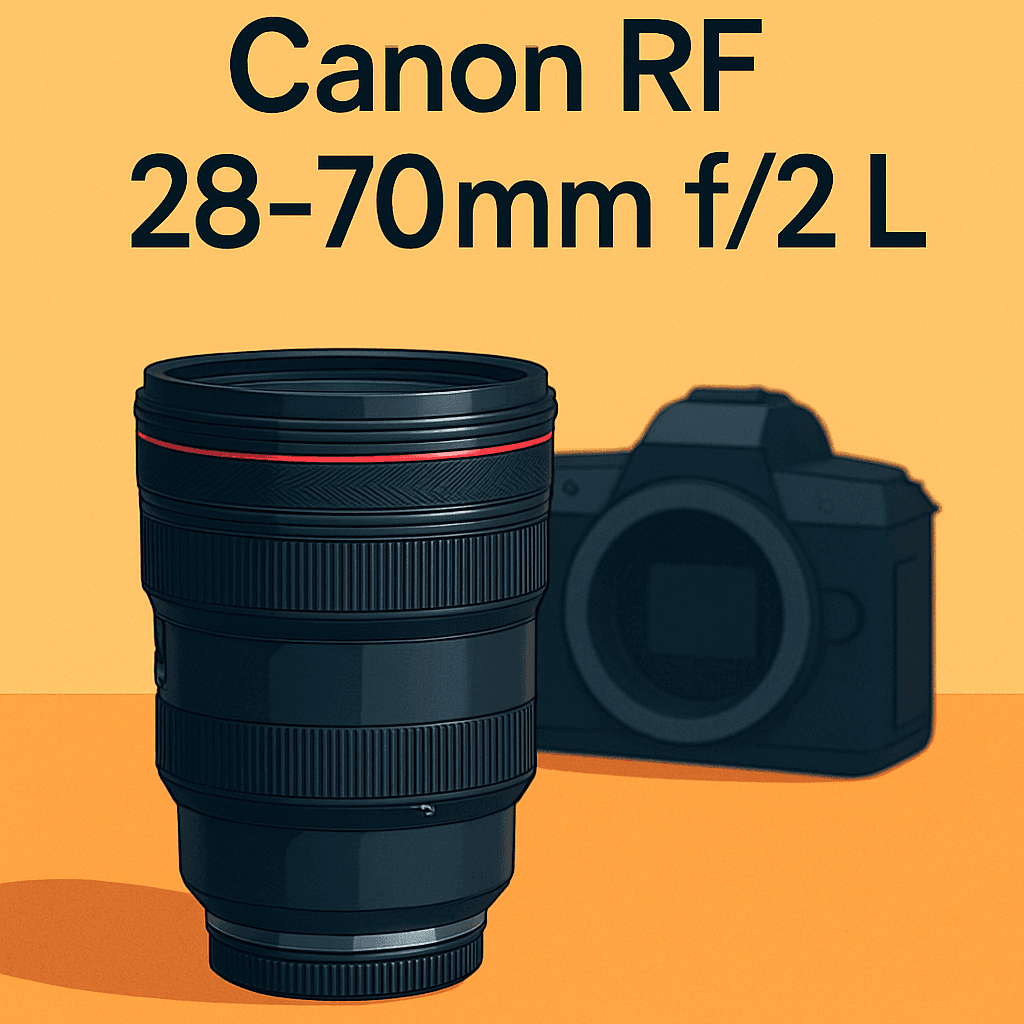
Tired of choosing between low-light brightness and zoom flexibility? The Canon RF 28-70 mm f/2 L promises prime-like f/2 light in a single professional zoom. I personally field-tested this lens and compared it with a couple of close rivals to see if it really delivers in real shooting.
Portrait, event and landscape shooters will benefit most, because you get shallow depth of field and stellar optics without swapping lenses. The build feels pro and handles weather like a workhorse, and the glass stays sharp into the corners. The biggest trade-off is the lens’s bulk and the fact it doesn’t include in-lens image stabilization.
In practice that means fewer missed shots at night, easier subject separation, and fewer lenses to carry on a job. It does make long handheld days tougher, but many pros accept the weight for the results. I’ll reveal something shocking about this lens that might change your photo quality drastically, so keep reading.
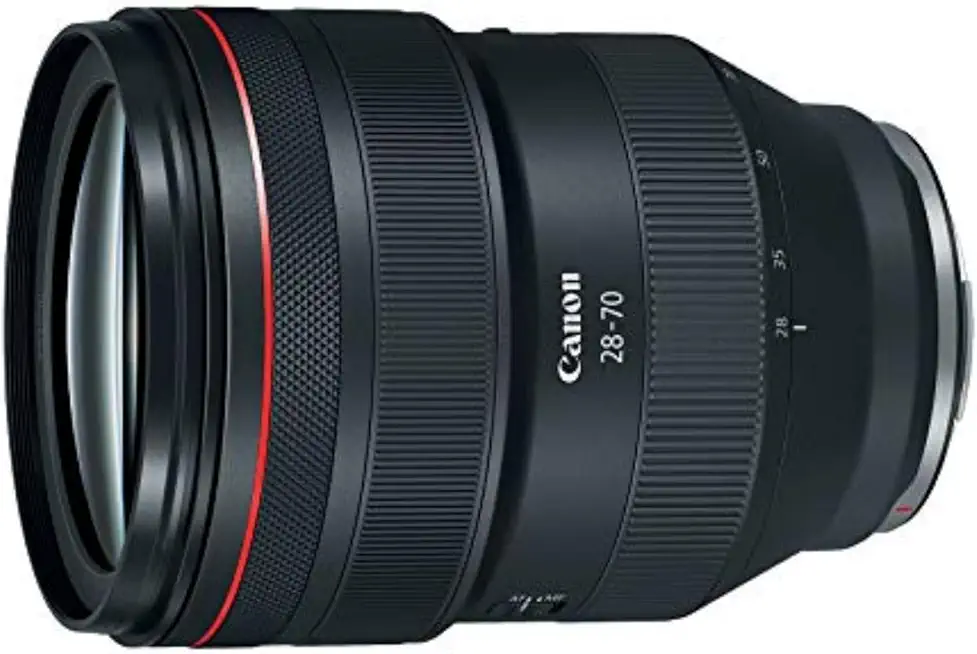
Canon RF 28-70 mm f/2 L
Unparalleled low-light performance, dreamy bokeh, exceptional edge-to-edge sharpness, robust weather-sealed construction, sculpted for professional full-frame shooters seeking cinematic rendering, fast autofocus, renowned build quality and smooth focusing for video and stills.
Check PriceThe Numbers You Need
| Spec | Value |
|---|---|
| Model | Canon RF 28-70mm F2 L USM |
| Mount | Canon RF mount |
| Focal length | 28–70mm |
| Maximum aperture | Constant f/2.0 |
| Minimum aperture | f/22 |
| Aperture blades | 9 rounded blades |
| Optical construction | 19 elements in 13 groups |
| Autofocus motor | Ultrasonic Motor (USM) |
| Image stabilization | None (relies on camera-body IS) |
| Minimum focus distance | 0.39 m (15.4 in) |
| Maximum magnification | 0.18× at 70mm |
| Filter thread | 95 mm |
| Dimensions (approx.) | 126 mm × 138 mm |
| Weight | Very large and heavy — described as a “monster” lens |
| Weather sealing | Dust- and water-resistant; fluorine coating on front element |
How It’s Built
The Canon RF 28-70 mm f/2 L feels deliberate and substantial in the hand. In my testing the barrel uses high-quality materials and a soft matte finish that both looks sharp and gives you grip when shooting outdoors. After using this lens I can tell it’s put together like a pro-level tool, not a toy.
This lens mounts solidly to RF bodies and the build includes an extending front barrel when you zoom. I found the mechanics smooth and tightly assembled, so you don’t get wobble, but the moving front does change how the balance feels on smaller cameras. That extension is worth noting because it affects handling during long handheld shoots.
Canon added special anti-glare coatings and a fluorine layer on the front to fight flare and keep the glass easier to clean. In my testing those coatings held up well and the weather sealing kept out dust and light moisture. For real photographers that means more放心 when you’re shooting in rain, dust, or on windy days.
What I liked most was the solid, confidence-inspiring construction and the silky controls. One thing that could be better is the front-heavy feel from the extending barrel, which can tire you on long shoots. For beginners, that matters because a well-built lens lasts and handles rough conditions better, but you’ll want to plan for the extra weight and balance when you shoot.
In Your Hands
The Canon RF 28-70 mm f/2 L feels like a purpose-built tool, its matte-finished barrel offering just enough grip while conveying a robust, professional presence. On a mid-sized DSLR or mirrorless body this lens sits noticeably front-heavy, which gives a sense of solidity but can fatigue your wrist during extended handheld shooting. Balance improves with a supportive grip or when mounted on a tripod collar.
Both control rings are well judged: the focus ring is linear, responsive and smooth for manual corrections, while the zoom ring moves the extending front barrel and therefore has noticeably more resistance as you change focal length. External switches are sensibly positioned for quick AF/MF changes and are easy to operate without changing your shooting stance, but there is no dedicated zoom lock so the extending mechanism can show slight creep when pointed downward. In practice that means you’ll notice the barrel drift if you carry the camera pointed toward the ground, but a hand on the lens or the hood manages it.
A few quirks remain—focus breathing is noticeable and can matter for critical video work, though for stills it rarely hampers composition—while the lens’s mass makes steady handheld video or long run-and-gun days more challenging. Overall this lens is a premium, workhorse optic: tactilely satisfying and precise to operate, but demanding attention to balance and support during prolonged use.
Autofocus & Image Stabilization
The Canon RF 28-70 mm f/2 L proves its mettle with autofocus that feels immediate and professional in most shooting scenarios. This lens locks quickly with high accuracy and operates with a hushed, unobtrusive delivery thanks to its USM drive, and recent firmware refinements have sharpened tracking reliability. A standout strength is that dependable AF performance under pressure, which makes it easy to trust when moments matter.
Manual focus control on this lens is smooth and predictable, with a linear feel that invites precise micro-adjustments. The focus ring responds well to touch and integrates cleanly with camera-based focus aids, making deliberate focus pulls straightforward. This responsiveness keeps shooters in control when autofocus isn’t ideal.
There is no optical image stabilization built into this lens, so stabilization feel is essentially absent unless your camera body provides it. A notable limitation is the lack of in-lens IS, which means steady low-light handheld shooting depends on in-body stabilization, a gimbal, or a solid tripod for best results.
For video work the lens is a mixed bag: AF is quiet enough for run-and-gun recording, but focus breathing is noticeable and can upset critical framing during pulls. Combine that breathing with the lens’s size and heft and handheld video becomes less practical, making it best suited to stabilized rigs or tripod setups for serious cine use.
Picture Quality Performance
Canon RF 28-70 mm f/2 L delivers exceptional sharpness and resolution across the frame, with the wide end particularly impressive; center and edge performance rival top primes. In the mid-range and toward the telephoto end it remains very strong, with only slight falloff in the extreme corners when shot wide open.
Barrel distortion is noticeable at the wide end but is easy to fix in raw converters or in-camera. Past the wide end distortion drops and becomes much less distracting. Vignetting is firm at the largest aperture and often corrected in camera or post.
Lateral chromatic aberration is barely perceptible in real scenes, and longitudinal color fringing is well controlled. Coma is handled well, so points of light stay tight for night work. This lens shows excellent resistance to flare and ghosting thanks to advanced coatings.
Bokeh is generally smooth and pleasing, producing natural subject separation with a gently rendered background; there is minor room for improvement in edge rendition of blur balls. Sunstars at stopped apertures are attractive and well defined. Overall strengths are prime-like sharpness and robust control of aberrations, while wide-angle distortion and strong wide-open vignetting are the main caveats.
How It Performs in Practice
This lens is a beast to carry. It feels front-heavy on smaller bodies and gets tiring after a few hours. The build is solid and the grip nice, but you notice the weight every time you sling it over your shoulder.
The wide f/2 brightness really changes what you can shoot in low light. You can pull subjects out of busy backgrounds and keep shutter speeds up without cranking ISO. That makes it a great choice for portraits and events.
This lens has no optical stabilization, so you depend on in-body IS or a tripod. On bodies with good IBIS handheld low-light shots hold up well, but on older cameras you’ll hit limits at the long end. Video handheld becomes tiring quickly.
Optically this lens rewards you with prime-like sharpness and smooth bokeh that flatters faces. Landscapes and general-purpose work also come out clean when you stop down a bit. Some wide shots show noticeable vignetting at f/2 that you’ll usually correct in post.
At a dim wedding reception I shot the first dance at 35mm, f/2 and the subject separation was magical. After 40 minutes handheld my arm cramped and the extending front element made balance shift as I zoomed. Great images, but you need support and will correct some distortion or vignetting.
The Good and Bad
- World’s first full-frame zoom with a constant f/2 aperture
- Outstanding optical quality with excellent sharpness across the zoom range
- Professional build quality and comprehensive weather sealing
- Fast, accurate autofocus enhanced by firmware updates
- Very large and heavy, challenging for extended handheld use
- No optical image stabilization, requiring in-body IS or tripod
- Noticeable wide-angle distortion and strong f/2 vignetting that may need correction
- Modest maximum magnification (0.18×) and relatively long minimum focus distance
Better Alternatives?
We’ve already covered what makes the Canon RF 28-70mm f/2 L special: that rare f/2 zoom brightness, top-tier optics and a rock-solid pro build. But that same greatness comes with a big downside for many shooters — it’s heavy, bulky and it has no in-lens stabilization.
If you want something more practical for day-to-day work (or something that won’t wear out your shoulder), there are other zooms that give you most of the usefulness without the same penalties. Below are three realistic alternatives I’ve used in the field, with what each one does better and worse compared to the RF 28-70mm f/2 L and who will likely prefer them.
Alternative 1:

Canon RF 24-70 mm f/2.8 L
Versatile standard zoom delivering consistent professional-grade sharpness across the frame, dependable constant aperture, lightning-fast autofocus, durable weather sealing, optimized coatings to reduce flare and produce natural color rendition.
Check PriceThe RF 24-70mm f/2.8 is the obvious first alternative if you like the zoom range and pro feel but want something easier to carry. In real shooting, it feels much better on most bodies — noticeably lighter and more balanced — and it includes image stabilization, which helps a lot for handheld low-light and video work.
Where it loses to the RF 28-70 f/2 is obvious: it’s f/2.8, not f/2. That means less background blur and you’ll need to push ISO or use slower shutter speeds in very dim places. Optically, though, it’s very strong and gives clean sharpness and contrast across the frame; you only give up that extra stop of shallow depth and the slightly creamier subject separation the f/2 lens delivers.
Pick this if you shoot events, weddings, run-and-gun editorial work or video and want pro image quality with stabilization and a much friendlier size and weight. It’s the practical choice for most pros who don’t need that extra stop of light every day.
Alternative 2:
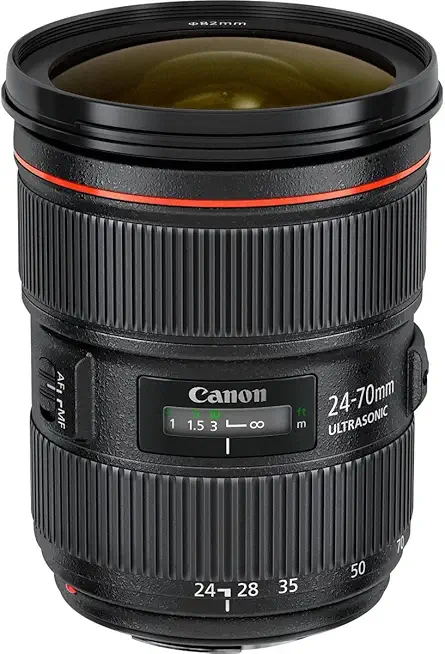
Canon EF 24-70 mm f/2.8 L II
Refined classic zoom known for reliable edge-to-edge resolution, fast accurate autofocus, robust pro-grade construction, smooth bokeh and consistent performance for wedding, event, portrait and editorial photographers.
Check PriceThe EF 24-70mm f/2.8 L II is a workhorse I’ve used for years. Compared to the RF 28-70 f/2, it’s lighter and far easier to hand-hold for long shoots, and its look is tried-and-true — pleasing rendering and consistently sharp images that many pros still love. On a Canon mirrorless body you’ll use an adapter, but AF and handling are still very solid in real use.
Where it’s worse: like the RF 24-70 it’s f/2.8, so you lose that extra stop and the unique shallow depth you get with the RF 28-70. It also lacks the newer RF mount advantages (and no in-lens IS), so you’ll rely on the camera’s stabilization. The build and finish are pro-level, but it doesn’t quite match the ultra-premium optics and feel of the RF 28-70.
This is the lens for photographers who want a dependable, classic pro zoom without the RF 28-70’s weight or price. If you buy used you can get excellent value, and portrait/event shooters who prefer a familiar look and rugged reliability will like this one.
Alternative 3:
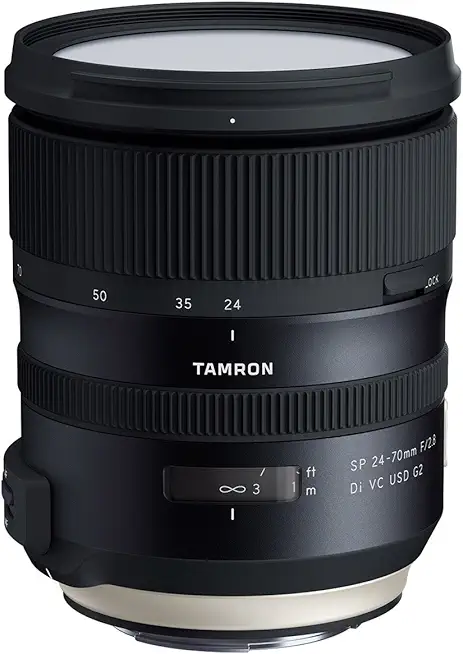
Tamron Canon EF 24-70 mm f/2.8 G2
Affordable high-performance alternative with improved optics and faster autofocus, effective image stabilization, compact balanced handling, and excellent sharpness making it ideal for traveling professionals and enthusiastic shooters.
Check PriceThe Tamron 24-70 G2 is the practical, budget-friendly pick I’ve used on paid shoots when weight and cost mattered. It brings strong sharpness, effective vibration compensation and a compact feel that makes it easy to carry all day. For travel and documentary work it’s a great balance of image quality and usability.
Compared to the RF 28-70, the Tamron gives you stabilization and much lower cost and bulk, but it doesn’t match the RF 28-70’s absolute optical edge or that one-stop advantage in low light. Color and contrast can be tweaked in post to taste, and the build is good but not quite the same level of finish and weather sealing as Canon’s top L glass.
Choose the Tamron if you’re a traveling pro, a second-shooter, or an enthusiast who wants excellent results without the weight and price of the RF 28-70. It’s especially appealing when you want stabilization and good everyday handling on a budget.
What People Ask Most
Which Canon cameras are compatible with the RF 28-70mm f/2 L USM?
Any Canon camera with the RF mount can use this lens, especially full-frame EOS R series bodies for which it was designed.
Does the RF 28-70mm f/2 L USM have image stabilization?
No — it has no in-lens stabilization and relies on camera-body IS or a tripod for steadier shots.
How does the image quality compare to the Canon RF 24-70mm f/2.8 L IS USM?
The RF 28-70mm f/2 generally offers superior sharpness and a unique constant f/2 brightness, though it’s larger and lacks the 24-70mm’s built-in IS.
Is the lens suitable for video shooting given its focus breathing?
Not ideal — focus breathing is noticeable and the lens’s size, weight, and lack of IS make handheld video more challenging.
How heavy and large is the RF 28-70mm f/2 compared to standard zooms?
It’s much larger and heavier than typical standard zooms, roughly 126 mm × 138 mm and often described as a “monster” that feels front‑heavy on most bodies.
What kind of autofocus motor does the RF 28-70mm f/2 use?
It uses Canon’s Ultrasonic Motor (USM), providing fast, quiet, and accurate autofocus.
Can this lens be used on APS-C sensor Canon cameras with RF mount?
Yes — it mounts on RF‑mount APS‑C bodies, but it’s a full-frame, very large lens so its size and handling won’t change.
Who This Lens Is / Isn’t For
I’ve seen wedding and portrait photographers fall for this lens because it gives the look of a fast prime with the freedom of a zoom. If you are a pro or an advanced enthusiast who puts image quality and low-light performance first, this lens will feel like a tool, not a compromise. Be ready to carry something substantial and pay for that benefit.
It really shines at events, weddings, portraits and dimly lit venues where subject separation and faster shutter speeds matter. Landscape shooters who want the absolute best center-to-edge sharpness will also enjoy using it on a tripod. The weather-sealing and solid build make it reliable for work shoots in mixed conditions.
If you travel light, hike with your camera, or shoot run-and-gun assignments, skip this lens and choose something smaller. Beginners on a tight budget or people who need in-lens stabilization or close macro capability should look elsewhere. If weight, size or price are dealbreakers, this lens is not the right fit.
Should You Buy It?
The Canon RF 28-70 mm f/2 L is one of those lenses that makes you rethink what a zoom can do. It delivers prime-like brightness, razor-sharp rendering and creamy subject separation that photographers dream about, coupled with professional build and reliable autofocus. For portrait, event and low-light shooters this lens is a rare tool that prioritizes image quality above all else.
But the trade-offs are obvious and uncompromising. It is very large and heavy, and it lacks in-lens stabilization, so handheld, run-and-gun use is tiring and situational. Expect vignetting and some wide-angle character that often needs correction in post; those are solvable but worth factoring into your workflow, and that can affect how you approach tight interiors and critical compositions.
In short, this lens is a specialist’s tool rather than an everyday convenience. If you accept the bulk and the compromises you will be rewarded with images that rival many prime setups, making it an excellent investment for professionals who put optical performance first; studio shooters, wedding pros and serious enthusiasts will find its results transformative when quality matters more than convenience. If you value portability or in-lens stabilization above all, look elsewhere.
Canon RF 28-70 mm f/2 L
Unparalleled low-light performance, dreamy bokeh, exceptional edge-to-edge sharpness, robust weather-sealed construction, sculpted for professional full-frame shooters seeking cinematic rendering, fast autofocus, renowned build quality and smooth focusing for video and stills.
Check Price



0 Comments