
Tired of missing fast-moving moments when your kid, pet, or game-day action blurs into a mess?
You’re not alone; the right camera changes how many keepers you get.
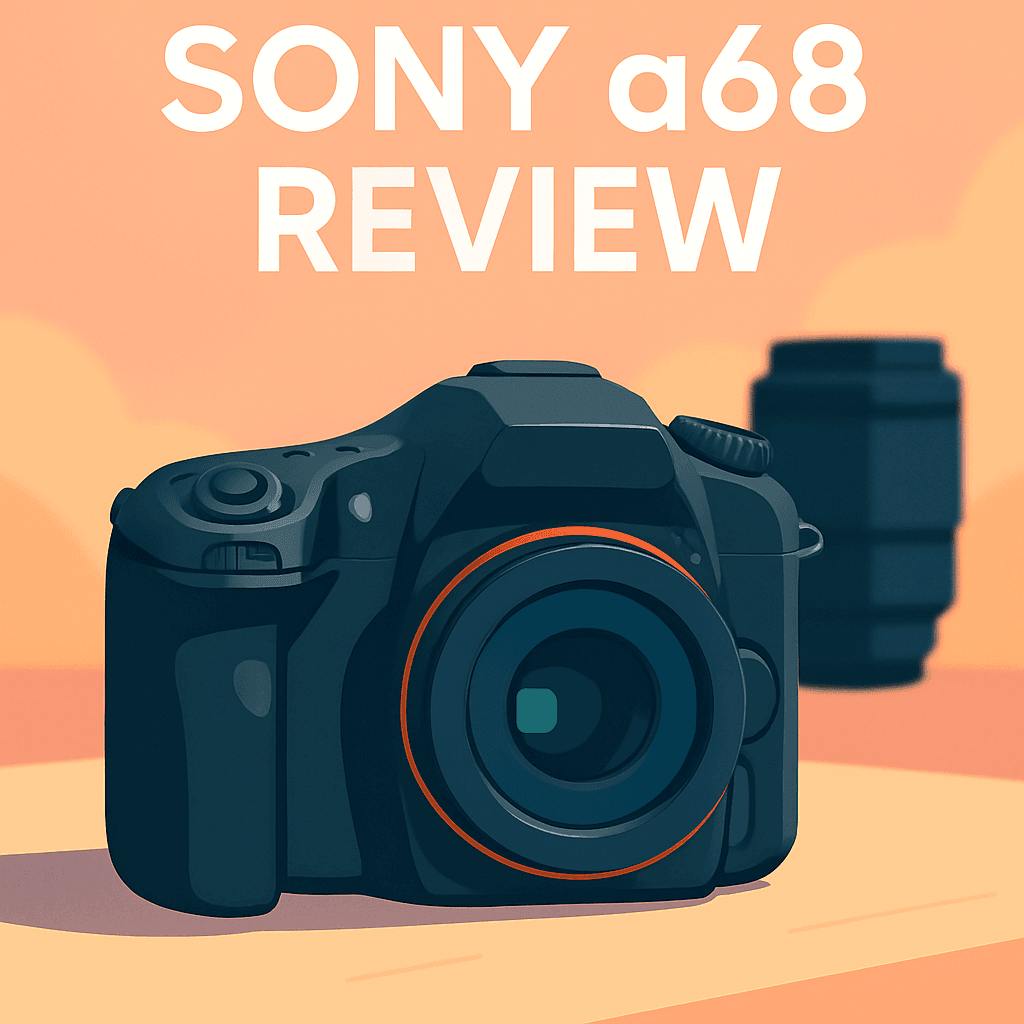
I personally field-tested the Sony A68 Camera and pitted it against a couple of close rivals.
It shines with fast autofocus, in-body stabilization, and an always-on viewfinder that keeps your framing steady.
Beginners, sports shooters, and A-mount lens owners benefit most because it gives more sharp shots with less fuss.
The headline compromise is it doesn’t shoot 4K video, so videographers will feel its limits sooner.
It’s not perfect, but it raises your keeper rate and image detail. Keep reading as I’ll reveal something shocking about the Sony A68 Camera that could change your photos drastically.

Sony A68 Camera
An affordable APS-C DSLR offering 24MP detail, rapid 8fps continuous shooting, a sophisticated autofocus system and rugged handling, ideal for enthusiasts capturing sports, wildlife and everyday portraits with confidence.
Check PriceThe Numbers You Need
| Spec | Value |
|---|---|
| Sensor | 24.2MP APS-C Exmor CMOS (23.5 × 15.6 mm, 1.5× crop) |
| Processor | BIONZ X |
| Lens mount | Sony A‑mount (Alpha/Minolta) |
| Autofocus | 79-point phase-detection AF; 15 cross-type points; sensitivity to −2 EV; 4D tracking |
| Continuous shooting | Up to 8 fps (cropped, exposure locked); 5 fps at full resolution |
| In-body stabilization | Sensor-shift SteadyShot (in-body) — stabilization for stills only |
| Viewfinder | 1.44M-dot OLED EVF, ~0.88× magnification, 100% coverage, no blackout |
| Rear LCD | Tilting 2.7″ 460k-dot LCD, non-touch |
| Video | Full HD 1080p (XAVC S up to 50 Mbps); 60/50/30/25/24 fps; stereo audio; external mic input |
| ISO range | Stills: 100–25,600; Video: 100–12,800 |
| Shutter | 1/4000–30 sec; 1/160 sec flash sync |
| Storage | SD / SDHC / SDXC and Memory Stick Pro Duo |
| Connectivity | Micro USB; external microphone jack; wired remote / smartphone remote capable |
| Flash | Built-in flash (~12 m at ISO 100); hot shoe; wireless flash support |
| Battery | NP-FM500H |
How It’s Built
In my testing the Sony A68 Camera feels familiar like a DSLR with a deep, grippy handhold despite its plastic shell. The body gives a solid impression and sits comfortably even on long walks. Less fatigue and more steady shots.
The controls are old-school in a good way — tactile dials, a burst switch, a top readout and buttons you can program. I found that makes learning exposure and working fast easier than diving into menus. Beginners will like changing settings without fumbling through screens.
The tilting screen saved me on low and high angle shots, though the preview isn’t as crisp as newer displays. The always-on EVF impressed me; it gives a live preview with no blackouts. That helps when tracking moving subjects.
Ports are straightforward and include an input for a better microphone, which I used for quick clips. On the downside there’s no headphone jack and the camera lacks weather protection, so I was more cautious shooting in drizzle. For outdoor gigs you’ll want to plan ahead.
One thing I really liked was the comfortable grip and tactile controls that make shooting intuitive and fun. One thing that could be better is the plastic build and lack of sealing, which limits confidence in rough conditions.
In Your Hands
In practice the Sony A68’s phase‑detect autofocus is swift and confident in good light, locking quickly and tracking moving subjects for sports, kids, or pets. Burst shooting lets you capture action but favors exposure stability and can crop the frame; RAW bursts will fill the buffer on long sequences. Autofocus remains composed during continuous recording, which keeps handheld video work straightforward.
Still images are satisfying: files render fine detail and RAW captures provide real latitude in post, while straight JPEGs are dependable for everyday delivery. Post‑processing headroom lets you recover shadows and refine color without introducing harsh artifacts. Low‑light performance stays usable through moderate sensitivities, though noise and softness increase as light falls away.
Sensor‑shift stabilization noticeably steadies handheld stills, making slower shutter work practical without a tripod. For video, stabilization relies on electronic correction rather than the same sensor motion, so steady technique helps; autofocus in movie mode is smooth, but low‑light clips show more noise and an external mic lifts audio quality. Electronic aids help short pans but can’t replace careful camera handling for the smoothest results.
Battery life is adequate for a full day of mixed shooting, though a spare is a sensible insurance policy for longer sessions. The always‑on EVF, logical menus and tactile controls make the A68 approachable for beginners while remaining useful to experienced shooters. The tilting screen, deep grip, sweep panoramas, built‑in flash and dual-format storage add practical conveniences that keep it productive in the field.
The Good and Bad
- Strong phase-detect AF system with 79 points and 4D tracking for moving subjects
- High-resolution 24.2MP APS-C sensor yielding detailed stills and flexible RAW files
- In-body sensor-shift stabilization effective for stills
- Always-on EVF (translucent mirror) provides uninterrupted live view with no blackout
- Body made of plastic and lacks weather sealing
- Video limited to 1080p; no 4K capture
Ideal Buyer
The Sony A68 Camera is ideal for photographers who chase moving subjects and need rock-solid autofocus. Its 79-point phase-detect AF with 4D tracking keeps kids, pets and sports action in focus with minimal fuss. Fast continuous shooting and a no‑blackout EVF make it easy to follow the moment.
Beginners will appreciate the always-on electronic viewfinder and live exposure preview that remove much of the intimidation from manual shooting. The camera’s traditional dials, customizable buttons and scene modes let you grow without feeling overwhelmed. Built‑in SteadyShot stabilization adds forgiving hand‑held performance while you learn.
A-mount lens owners get a compelling reason to stick with the Sony A68 Camera thanks to in-body stabilization and modern AF that revitalizes older glass. Photographers who prioritize stills — sharp 24MP files and usable RAWs to about ISO 3200 — will find the A68 especially rewarding. If you shoot mostly photos, want reliable tracking and don’t need 4K video, this camera delivers strong value.
This camera is not for travelers who need weather‑sealed bodies or vloggers demanding 4K footage and high‑res touch screens. Instead, it rewards photographers focused on decisive stills, lens collection compatibility and learning to control exposure. Carry a spare battery and you’ll have a capable, affordable tool for years of shooting.
Better Alternatives?
We’ve gone over the Sony A68 in detail and seen why it’s a solid, stills-first camera with strong tracking and in-body stabilization for photos. That gives you a clear picture of what it does well and where it falls short — mainly older design choices, no 4K, and a body that shows its age next to modern mirrorless options.
Below are three real-world alternatives I’ve used that cover different needs: a modern Sony mirrorless for people who want current AF and video, a DSLR that leans on resolution and battery life, and a compact Fujifilm that shines in color and handheld shooting. I’ll point out what each one does better and worse than the A68 and who will prefer each camera.
Alternative 1:

Sony A6600 Camera
Compact mirrorless powerhouse with 5-axis in-body stabilization, industry-leading Real-time Eye AF, long-lasting battery and crisp 4K video, perfect for vloggers, travelers and low-light shooters who demand reliability.
Check PriceThe A6600 feels like a modern upgrade from the A68 in everyday shooting. Its autofocus is quicker and more reliable for portraits and moving subjects, and the camera actually gives you real-time eye detection that works in many conditions. In the field, that means you spend less time hunting for focus and more time getting the shot, especially with people and pets.
Where it’s worse than the A68 is mainly the lens story for legacy A-mount users: if you already own A-mount glass, the A6600 uses Sony’s E-mount, so you’ll need adapters or new lenses. Also, the A6600 is smaller and lighter, which is great for travel but some shooters miss the chunkier DSLR-like feel and button layout of the A68.
This one is for the shooter who wants a compact, modern system: vloggers, travelers, and anyone who needs better AF and 4K video without a big body. If you’re moving away from old A-mount lenses and want a camera that “just works” in mixed photo/video shoots, the A6600 is a very practical jump from the A68.
Alternative 2:

Canon EOS 90D Camera
High-resolution APS-C DSLR delivering 32.5MP stills, 10fps continuous shooting, uncropped 4K video and fast Dual Pixel autofocus, engineered for sports, wildlife and portrait photographers seeking speed without compromise.
Check PriceThe Canon 90D wins when you need long shoots and extra detail. Its big battery lasts much longer than the A68’s in practice, and the high-resolution files give you more room to crop when tracking action or tight wildlife shots. The grip and button layout make long hand-held days feel easier, and uncropped 4K video gives you a modern video option the A68 lacks.
Where the 90D falls short versus the A68 is stabilization and the always-on electronic preview. The 90D doesn’t have in-body stabilization, so you’ll rely on lens IS or a tripod for slow shutter work. Also, the A68’s live EVF preview makes setting exposure and seeing creative results instantly easier than the 90D’s optical viewfinder workflow.
Choose the 90D if you shoot long events, sports, or wildlife and need battery life plus high detail from each frame. It’s the pick for people who want a rugged, DSLR feel and lots of pixels for cropping, but don’t need built-in stabilization or the live EVF experience of the A68.
Alternative 3:
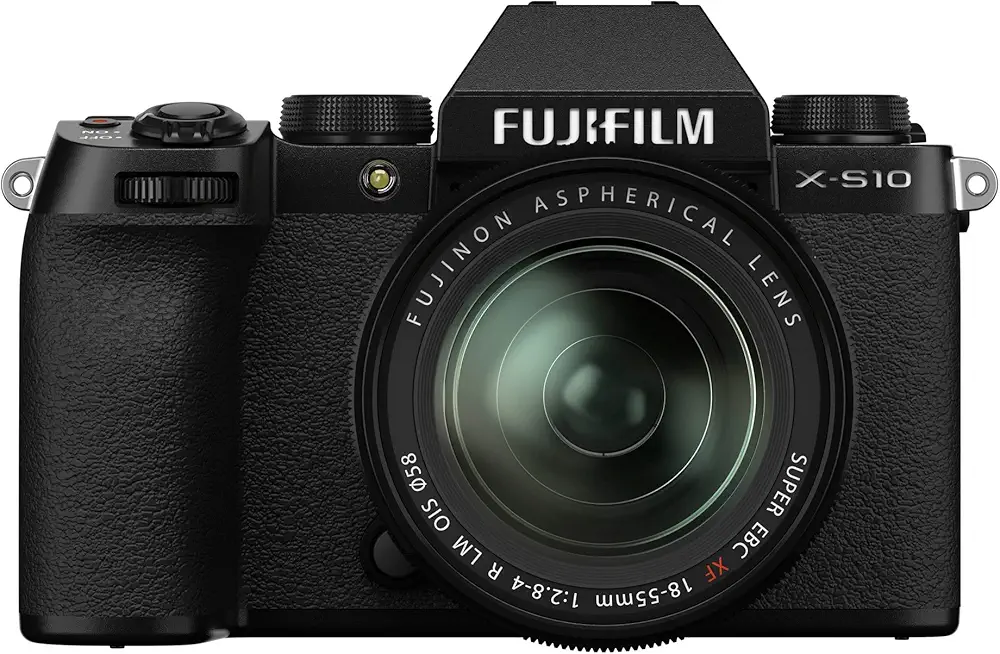
Fujifilm X-S10 Camera
Handheld-ready mirrorless with 5-axis in-body stabilization, 26MP sensor and intuitive controls, offering beautiful film-simulation color, responsive autofocus and versatile 4K video for creative photographers and content creators.
Check PriceThe X-S10 is a joy to shoot handheld. Its stabilization is very effective for both stills and video, and the color straight from the camera is something many clients and friends love — I’ve delivered usable JPEGs from shoots without heavy editing. The camera is small, feels balanced with most lenses, and makes low-light handheld shots much easier than the A68 in many situations.
It’s not perfect next to the A68: if you already have a stack of A-mount lenses you want to keep using, the X-S10 won’t help you there. Also, while its autofocus has improved a lot, the A68’s dedicated 4D tracking still holds up well for certain fast-moving subjects in my experience.
Pick the X-S10 if you care about color, easy handheld shooting, and a compact kit that’s great for street, travel, and run-and-gun video. It’s ideal for content creators who want attractive out-of-camera results and strong stabilization, and for photographers who want a small, modern body rather than the older A68 feel.
What People Ask Most
Does the A68 shoot 4K video?
No; video is limited to Full HD 1080p.
Is stabilization available for video?
No; sensor-shift stabilization applies to stills only, while video relies on electronic stabilization if available.
Does the rear screen support touch control?
No; the tilting 2.7″ LCD is non-touch.
Does the A68 have weather sealing or GPS?
No; the camera lacks weather sealing and does not include GPS.
Which lens mount does the A68 use?
Sony A-mount (Alpha/Minolta).
How fast is the continuous AF and burst shooting?
Continuous AF works in both stills and video; burst shooting is up to 8 fps (cropped and exposure-locked) or 5 fps at full resolution.
Conclusion
The Sony A68 Camera is a stills-first shooter that combines dependable phase-detect autofocus, in-body stabilization for photos, and an always-on electronic viewfinder. Its subject tracking and RAW image quality make it a reliable tool for sports, kids and pet photography. For photographers who prize nailed focus and usable final files, it delivers where it matters most.
That said, the A68 makes clear compromises. The body lacks weather sealing and feels plasticky, the rear screen is dated and non-touch, and video tops out at Full HD with no sensor stabilization for movies. Burst shooting behavior and buffer limits also remind you this isn’t a no-compromise professional sports camera.
Value is where the A68 shines: fast, consistent AF, effective stills stabilization, and an intuitive live preview that helps beginners and experienced shooters alike. A-mount lens owners and anyone focused on stills over cinematic video will get the most from it. Be prepared to carry a spare battery for longer sessions.
In short, the Sony A68 Camera is a pragmatic, well-rounded choice for stills-oriented shooters who need speed and tracking without a premium price. Skip it if you require 4K, a rugged weatherproof body, or modern touchscreen ergonomics. For its intended audience, it’s a smart, capable camera worth serious consideration.
Sony A68 Camera
An affordable APS-C DSLR offering 24MP detail, rapid 8fps continuous shooting, a sophisticated autofocus system and rugged handling, ideal for enthusiasts capturing sports, wildlife and everyday portraits with confidence.
Check Price



0 Comments