
Want a full-frame camera that feels light enough for travel but still nails tough low-light shots? You probably know the Sony a7 III Camera. I’ve spent weeks shooting with it.
I personally field-tested it and compared it with a couple of close rivals. Hands-on shooting clarified strengths, and highlighted where it stumbles. Those limits felt small next to the benefits.
If you’re an enthusiast, wedding shooter, or traveler, you’ll love the autofocus, low-light chops, and battery life. It also has steady in-body stabilization and fits in most camera bags easily.
There’s a clear compromise: the rear screen only tilts up, which can make low or high-angle framing awkward at times. Still, the results often justify the quirks in real shoots.
I saw payoffs at weddings, on hikes, and in city nights. keep reading — I’ll reveal a surprising Sony a7 III Camera trick that could change your photo quality drastically.
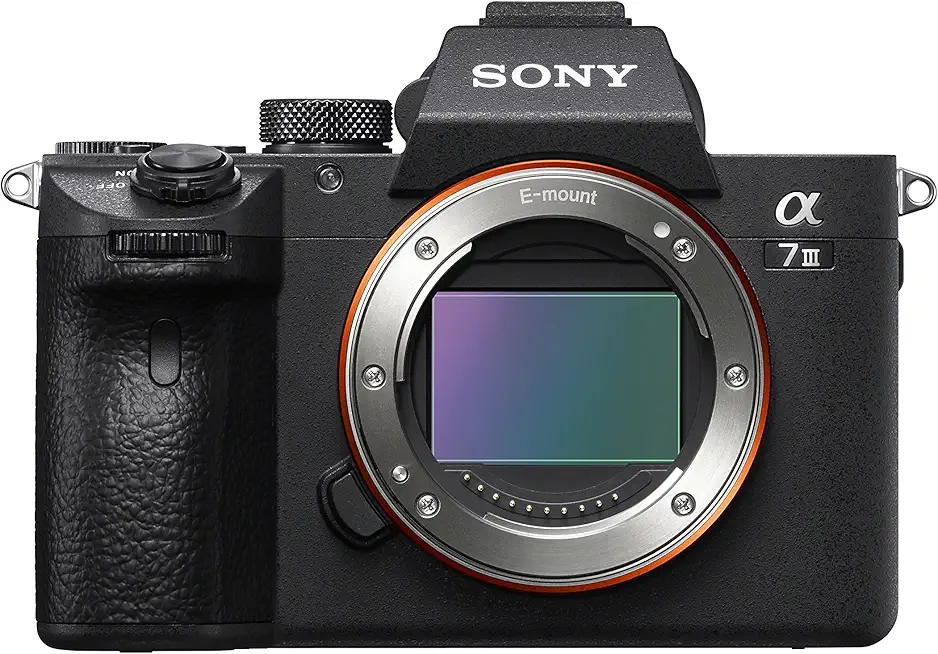
Sony a7 III Camera
Reliable 24MP full-frame mirrorless delivers exceptional low-light performance, 5-axis stabilization, fast continuous shooting and impressive battery life—ideal for hybrid photographers seeking pro-grade stills and detailed 4K video in diverse conditions.
Check PriceThe Numbers You Need
| Spec | Value |
|---|---|
| Sensor | 24.2MP full-frame Exmor R BSI CMOS (6000×4000) |
| Lens mount | Sony E-mount |
| Autofocus | 693 phase-detection + 425 contrast-detection points; ~93% frame coverage |
| ISO range | 100–51,200 native; expandable to 50–204,800 |
| Continuous shooting | 10 fps (mechanical or silent shutter) |
| Image stabilization | 5-axis in-body IBIS, rated up to 5 stops |
| Video | 4K UHD (3840×2160) up to 30p; 1080p up to 120fps |
| Viewfinder | 2.36M-dot OLED EVF; 0.78× magnification; 100% coverage |
| Rear screen | 3.0″ tilting LCD touchscreen, 921,600 dots (tilt-only) |
| Storage | Dual SD card slots (one UHS-II compatible) |
| Battery life | NP-FZ100 rated ~710 shots (CIPA) |
| Connectivity | USB 3.1 Gen 1 Type-C, Wi‑Fi, NFC, Bluetooth |
| Body | Weather-sealed magnesium-alloy construction |
| Eye AF | Reliable eye-detection AF; works with glasses; effective down to ~−3 EV |
| Dynamic range | Approximately 15 stops |
How It’s Built
In my testing the Sony a7 III feels like a serious tool right out of the box. The metal, weather-sealed body gave me confidence shooting in drizzle and dusty locations, so I didn’t baby it on trips. For real-world use that means you can keep shooting when conditions aren’t perfect, though it’s not a free pass for full immersion.
I found the grip to be one of the camera’s quiet wins. It’s shaped so my hand didn’t cramp during long handheld sessions, which matters when you’re out all day at an event or on a hike. That comfort makes using heavier lenses less tiring for beginners and pros alike.
Dual card slots were a practical favorite during weddings and travel shoots — I set one slot to record a backup and never worried about losing shots. The whole body is compact and light enough to toss in a daypack, so it’s easy to carry without sacrificing a solid build.
One thing I really liked was the tough, travel-ready feel; it held up to real use. One thing that could be better is the rear screen: it only tilts up and the touchscreen is limited, so low or high-angle framing takes more work. Also remember there’s no built-in flash, so plan to carry a small external unit if you want fill light.
In Your Hands
The a7 III nails the basics: autofocus is quick and precise for stills and moderately paced action. Lock-on tracking keeps subjects pinned under most conditions, though extremely erratic movement can occasionally break the hold. Eye AF is consistently dependable, even with glasses and in challenging light.
Image quality is a strong suit: photos come out clean and detailed with wide dynamic range and pleasing tone roll-off that retains fine detail in highlights and shadows. High-ISO noise is well-controlled, giving usable results in dim environments while preserving color fidelity. The multi-axis in-body stabilization makes handheld shooting forgiving, smoothing both stills and run-and-gun video.
4K footage is impressively detailed and supports picture profiles for serious grading, with S‑Log and HLG options expanding post-production latitude. Continuous autofocus in video handles run-and-gun work but isn’t as buttery as top-tier systems, and the camera doesn’t offer high-frame-rate 4K, so slow-motion choices are limited.
Burst shooting is brisk enough for many action scenarios, and battery life is among the most enduring in mirrorless bodies—often enough for a full day with one spare. Ergonomics, the AF joystick and customizable buttons keep your workflow moving, and fast card handling minimizes downtime, though the single-direction tilt screen and limited touchscreen controls can constrain creative framing.
The Good and Bad
- Exceptional autofocus system with broad coverage and reliable Eye AF
- Strong low-light performance and usable high-ISO results
- Long battery life and dual card slots for reliability and workflow
- Lightweight, portable full-frame body with effective 5-axis IBIS
- Rear screen only tilts upward; no fully articulating display
- 4K video capped at 30fps, limiting high-frame-rate 4K capture
Ideal Buyer
The Sony a7 III Camera is ideal for enthusiasts and pros who shoot portraits, landscapes, weddings and events. It pairs fast autofocus, low‑light performance and 5‑axis IBIS in a travel‑friendly body that handles wide ranges of lenses. It’s versatile enough for studio work and field assignments.
Videographers who need reliable 4K capture and trustworthy AF will appreciate it for documentaries, corporate work, run‑and‑gun shoots and short‑form online content. It suits creators who don’t require 4K at higher frame rates or ultra‑slow‑motion. Autofocus is steady in mixed lighting and when subjects move predictably.
Travel shooters, photojournalists and hybrid still/video shooters benefit from its weather‑sealed build and class‑leading battery life. The compact footprint and dual card slots make it a dependable choice for long days, fast turnarounds and quick lens changes. The robust ergonomics help during marathon shoots.
Photographers upgrading from older Sony bodies or APS‑C systems will find a meaningful leap in AF, dynamic range and high‑ISO usability without flagship price tags. It’s a balanced, do‑everything camera for creators who want pro features in a sensible package and a clear upgrade path. That makes the Sony a7 III Camera a smart, long‑term investment.
Better Alternatives?
We’ve dug into what makes the Sony a7 III a solid all-around camera, from its reliable autofocus to its long battery life and good low-light chops. If you’re reading this, you already know its strengths and where it falls short — mainly the tilt-only screen and 4K limited to 30p for some video uses.
If those limits matter, or you want different trade-offs for specific shooting styles, here are three real-world alternatives I’ve used that cover a range of needs — from higher resolution and better video tools to stronger action tracking and a different color/handling feel.
Alternative 1:
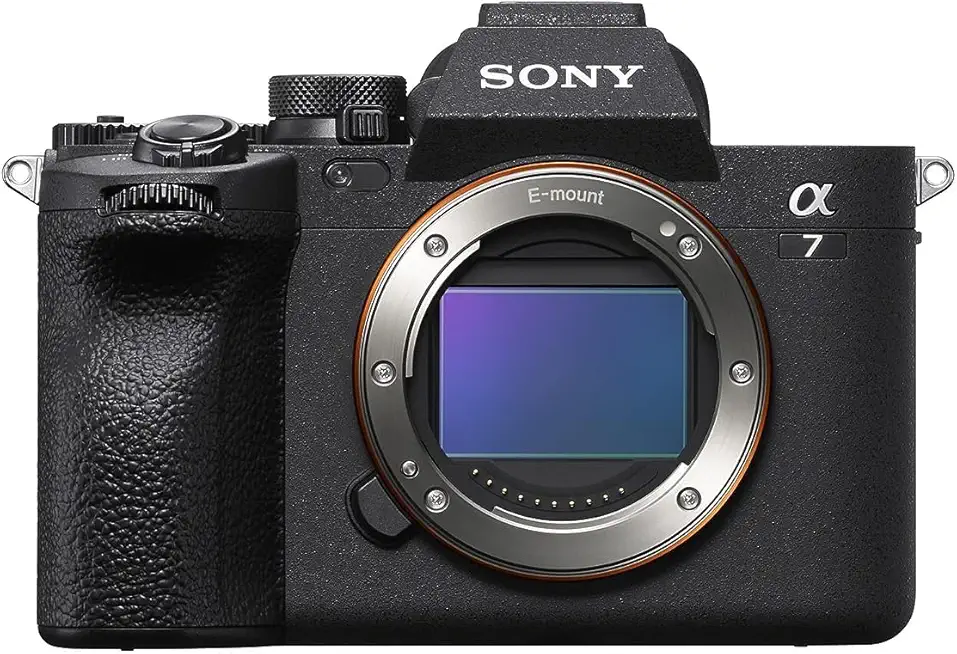
Sony a7 IV Camera
High-resolution 33MP full-frame mirrorless combines refined autofocus, 4K60/4K30 oversampled video, improved EVF and vari-angle touchscreen for creative flexibility—perfect for content creators who demand sharp stills and cinematic footage.
Check PriceI’ve shot weddings and run-and-gun video with the a7 IV, and the first thing you notice is the extra detail in files — crops hold up better and portrait retouching feels cleaner. The AF feels snappier in live video and the fully articulating screen makes framing for vlogs and low-angle work much easier than the a7 III’s tilt-only display.
Where it’s worse than the a7 III is mostly about trade-offs: the a7 IV is pricier and produces larger files that need more storage and time to process. It’s also a touch bigger and heavier in hand, so if you love the a7 III’s compact travel feel you might miss that. In my long shoots the battery life felt solid but not quite as effortless as the a7 III’s best-day endurance.
Pick the a7 IV if you’re a hybrid shooter who wants sharper stills for prints and strong 4K60 video, or a content creator who needs a flip screen and improved in-camera video tracking. It’s the step up if you want more resolution and modern video tools without leaving the Sony ecosystem.
Alternative 2:
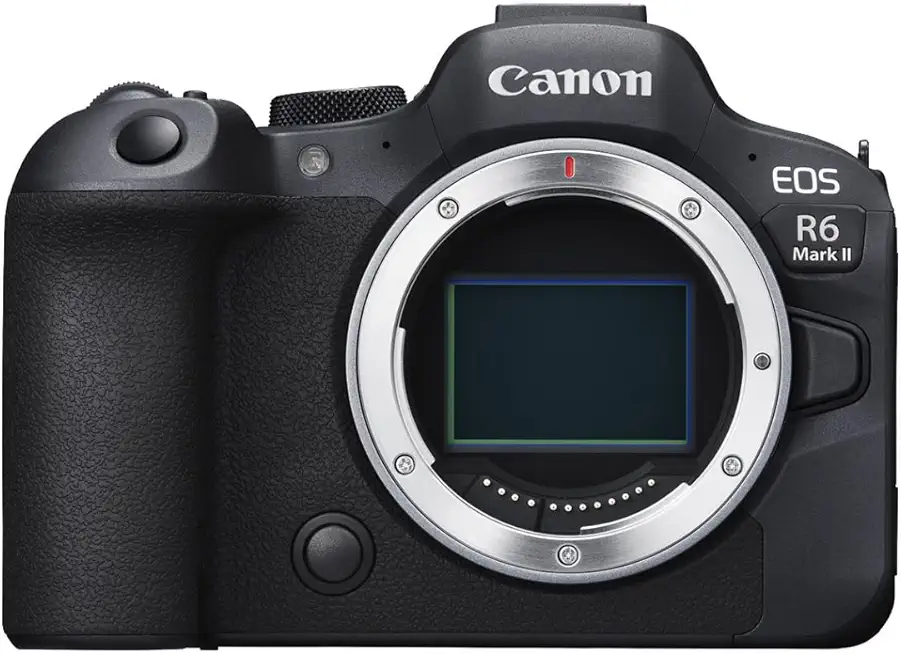
Canon EOS R6 Mark II Camera
Fast, versatile full-frame mirrorless engineered for action and storytelling—ultra-rapid continuous shooting, advanced subject-detection autofocus, robust in-body stabilization and professional-grade 4K video tools for demanding shooters and hybrid creators.
Check PriceWhen I used the R6 Mark II for sports and fast-paced events, the subject tracking gave me confidence — people and animals stayed locked in even when they moved unpredictably. The in-body stabilization is excellent in handheld shooting, so you can often get sharp low-light shots without boosting ISO as much as you would on other bodies.
Compared to the a7 III, the Canon feels faster for action and better at keeping moving subjects in focus, but you trade away some fine detail for that speed — if you’re after maximum resolution for big prints or heavy cropping the Sony’s files (especially when paired with higher-res models) can hold more. Color and skin tones out of the R6 II are very pleasing straight away, but dynamic range in some high-contrast scenes didn’t feel quite as flexible as the Sony in my experience.
The R6 Mark II is for shooters who prioritize action, weddings, and run-and-gun video where tracking and stabilization matter more than absolute resolution. If you need to nail moving subjects with minimal fuss, this is the camera I’d reach for over the a7 III.
Alternative 3:
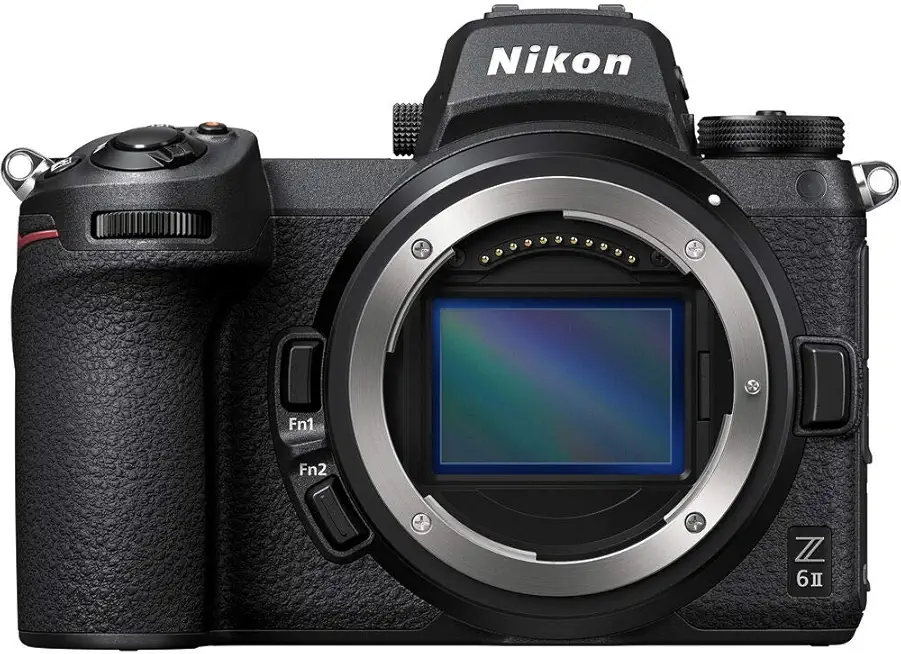
Nikon Z 6II Camera
Balanced 24MP full-frame mirrorless features dual processors for faster performance, reliable autofocus, in-body stabilization and versatile 4K video—delivering responsive handling and image quality for enthusiasts and professionals alike.
Check PriceThe Z 6II is a very comfortable camera for long days shooting landscapes, portraits, and studio work. Its color rendering and skin tones feel natural straight from the camera, and the body balance makes heavy lenses less tiring on long shoots. In real use it’s responsive and reliable, and files are easy to edit without huge storage headaches.
Against the a7 III, the Nikon gives a slightly different shooting feel — more conservative AF in very low light or for chaotic motion, so you may see the Sony hold focus a hair better on tiny, erratic subjects. The Z 6II’s video AF and tracking have improved but in mixed lighting I still leaned on the Sony for the most consistent eye detection. On the plus side, Nikon’s color and handling make the Z 6II a joy for landscape and studio shooters who care about the final look out of camera.
Choose the Z 6II if you’re a Nikon user upgrading bodies, or if you want a dependable camera for landscapes, portraits, and studio work with pleasant color and ergonomics. It’s a solid, balanced alternative when you value handling and color more than the absolute fastest focus tracking.
What People Ask Most
Is the Sony a7 III good for low-light photography?
Yes — it has excellent low-light performance with clean high-ISO results and about 15 stops of dynamic range for retained detail in shadows and highlights.
Does the Sony a7 III have in-body image stabilization?
Yes, it features 5-axis in-body stabilization rated up to about 5 stops, which helps handheld stills and video even with non-stabilized lenses.
Can the Sony a7 III shoot 4K video?
Yes, it records 4K UHD up to 30p using oversampling from a 6K source and supports S‑Log3 and HLG, but it does not offer 4K above 30fps.
How long does the battery last on the a7 III?
The NP‑FZ100 battery is rated around 710 shots CIPA and offers outstanding endurance for all-day shooting with one or two batteries.
Is the autofocus on the a7 III reliable for action and portraits?
Yes — autofocus is very fast and accurate for portraits and moderately moving subjects, and the Eye AF is reliable, though tracking extreme erratic motion isn’t as strong as Sony’s A9.
What are the main drawbacks of the Sony a7 III?
Main trade-offs are the tilt-only upward rear screen with limited touchscreen functionality and 4K video capped at 30fps, which may matter for some videographers.
Conclusion
The Sony a7 III is a rare do-it-all full-frame camera that gets the fundamentals right where it matters most. Its autofocus you can trust, low-light performance that keeps shots usable, and battery endurance that lets you shoot through long days make it an easy pick for serious shooters. It isn’t flashy, but it is practical, dependable, and built to work in real-world conditions.
In practice the a7 III feels like a tool designed around reliability and versatility. Dependable eye-detection autofocus, broad subject coverage and effective in-body stabilization combine to deliver consistently sharp stills and steady handheld video. Add a durable build and thoughtful ergonomics and you have a camera that gets out of the way and lets you concentrate on making images.
There are trade-offs for those chasing the newest video toys or extreme framing options. The tilt-only screen and capped high-frame-rate video options limit some videography workflows, and subject tracking is solid but not flagship-level. For most portrait, landscape, wedding and travel shooters, however, the a7 III’s strengths clearly outweigh its compromises, offering enduring, practical value that still rewards an investment today.
Sony a7 III Camera
Reliable 24MP full-frame mirrorless delivers exceptional low-light performance, 5-axis stabilization, fast continuous shooting and impressive battery life—ideal for hybrid photographers seeking pro-grade stills and detailed 4K video in diverse conditions.
Check Price



0 Comments