
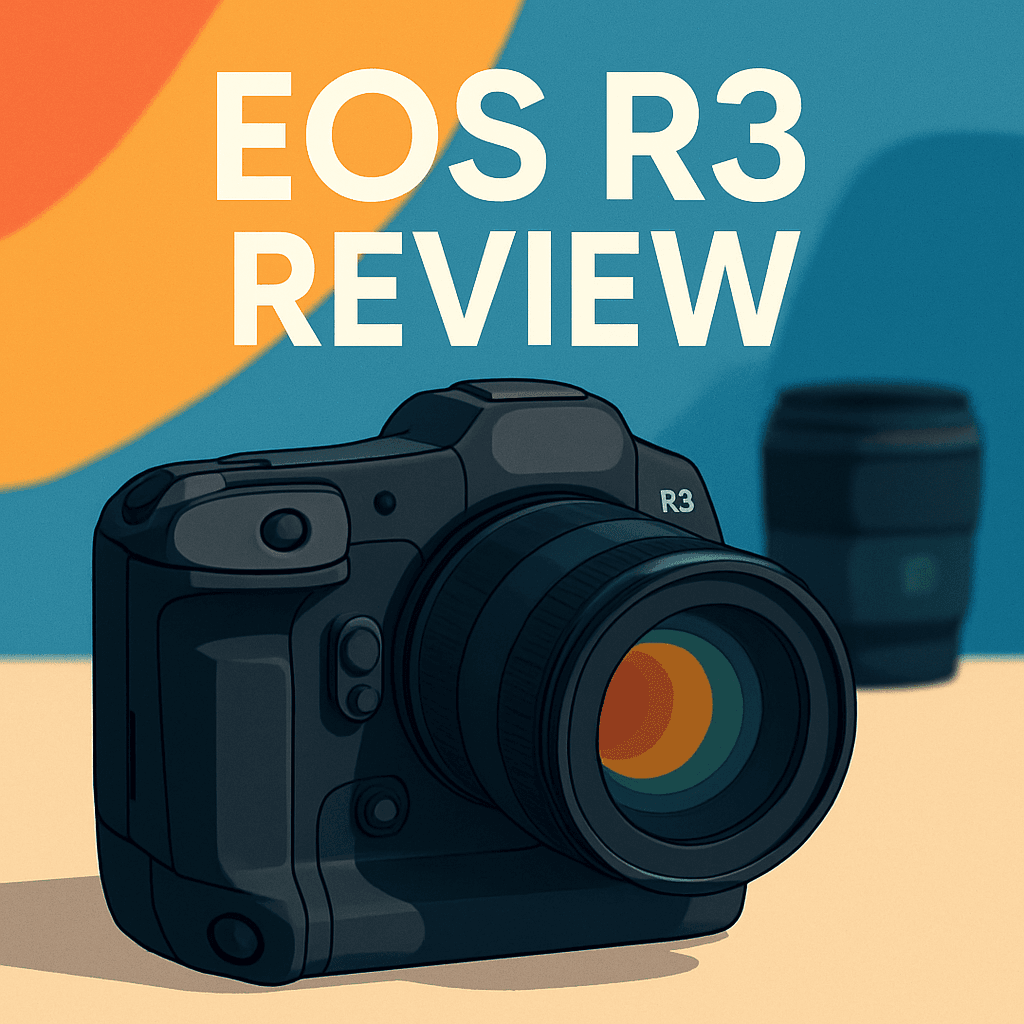
?Ever missed the decisive action shot because your camera couldn’t lock on the right moment?
If you shoot sports or wildlife, you know split seconds make or break a frame.
I personally field-tested the Canon EOS R3 Camera and put it head-to-head with a couple of close rivals.
My testing was done in real shoots, not just lab runs.
It’s aimed at pro sports, wildlife, and action shooters who depend on fast, reliable hits.
Photojournalists and event shooters who need a rugged, usable camera will also benefit.
What matters most are speed, tracking accuracy, and a build that survives rain and mud.
They mean more keepers during chases and better locks in dim light.
There’s a clear trade-off: it’s tuned for responsiveness rather than chasing the highest megapixels.
That matters if you crop heavily or need ultra-large prints, but it helps action performance.
I’ll show how this trade-off played out in real shoots.
I’ll reveal one shocking Canon EOS R3 Camera trick that could change your photos — keep reading.

Canon EOS R3 Camera
Professional full-frame mirrorless engineered for high-speed action: blazing continuous shooting, advanced eye and subject detection autofocus, exceptional low-light sensitivity and robust weather-sealed build for sports, wildlife and reportage.
Check PriceThe Numbers You Need
| Spec | Value |
|---|---|
| Sensor | 24.1 MP full-frame stacked back-illuminated CMOS |
| Image processor | DIGIC X |
| Continuous shooting | Up to 30 fps blackout-free (electronic shutter) |
| High-speed burst mode | Up to 195 fps (limited to 50 shots) |
| ISO range | Native 100–102,400; expandable to ISO 50 (L) and 204,800 (H) |
| Autofocus system | Dual Pixel CMOS AF II |
| AF points | 1,053 automatic selectable AF points |
| Subject recognition | AI-driven detection for humans, animals (dogs, cats, birds) and vehicles |
| Image stabilization | In-body 5-axis sensor-shift IBIS rated up to 8 stops (works with lens IS) |
| Viewfinder | 5.76M-dot OLED EVF, 0.76× magnification, 100% coverage with OVF-look simulation |
| Rear screen | 3.2″ fully vari-angle touchscreen LCD, 4.15M dots |
| Shutter speeds | Mechanical up to 1/8,000 sec; electronic up to 1/64,000 sec |
| Video capabilities | 6K RAW capture; 4K/Full HD recording with H.264/H.265 encoding |
| Build | Pro-grade magnesium alloy body with extensive weather sealing and vertical-grip ergonomics |
| Eye Control AF | Eye Control AF for focus-point selection via eye movement in the EVF |
How It’s Built
In my testing the Canon EOS R3 Camera feels like it was built to work all day in the elements. The body is solid and weather-sealed, so I wasn’t worried when a surprise drizzle hit during a shoot. That sense of toughness is something I really liked because it lets you focus on the shot, not the gear.
The grip and vertical controls make long sessions surprisingly comfortable. After using it for a while with heavier telephoto lenses I noticed it balances well and fingers fall naturally on the dials. The trade-off is that it’s not feather-light, so beginners should know it can get tiring after full-day use.
Controls are plentiful and very customizable, and the Smart Controller for moving AF points is a real game-changer in the field. I found setting up shortcuts quick and helpful, which speeds up shooting when things move fast. For a newer shooter there’s a bit of a learning curve, but once you dial it in the R3’s handling feels like second nature.
In Your Hands
The Canon EOS R3 feels like a camera built for motion: autofocus snaps to subjects with uncanny speed and steadiness, and tracking rarely loses its grip during chaotic sequences. In practice that means fewer missed moments and more keepers when subjects accelerate, change direction, or duck behind obstacles.
Eye Control AF is a genuine breakthrough in hands-on operation, allowing intuitive point selection simply by shifting your gaze in the EVF. It isn’t instant mastery for every shooter—there’s a short acclimatization period—but once tuned it becomes an extraordinarily quick way to direct focus without hunting with your thumb.
Burst shooting holds AF and exposure steady across long runs, so you can concentrate on composition and timing instead of camera settings. The stacked sensor design also curbs rolling-shutter artifacts, which makes capturing rapid action—panning cars or wing beats—much more forgiving.
Subject recognition and tracking are impressively versatile, locking onto people, animals, and vehicles with confidence and making birds in flight and motorsports very workable genres. Low-light behavior is strong for an action-focused body: images remain clean well into challenging conditions, though pushing sensitivity further brings the expected trade-offs.
IBIS combined with optical stabilization makes handheld shooting viable in tougher light, and the camera’s rapid processing rhythm keeps files flowing through pro workflows with minimal delay. The overall real-world impression is of a rugged, responsive tool made to perform when the action won’t wait.
The Good and Bad
- Ultra-fast 30 fps blackout-free continuous shooting
- Advanced AI-driven AF with comprehensive subject recognition and Eye Control AF
- In-body 5-axis stabilization rated up to 8 stops, synergizes with lens IS
- Rugged, ergonomic pro build with extensive weather sealing and vertical-grip ergonomics
- Moderate resolution at 24.1 MP may disappoint photographers who prioritize very high megapixels
- Extreme high-speed burst mode (195 fps) constrained to very short bursts (50 shots)
Ideal Buyer
If you shoot pro sports, the Canon EOS R3 Camera is built for you. Ultra-fast blackout‑free frame rates and rock‑solid AF tracking let you freeze decisive moments in tight action. The feel and controls keep up with chaotic, high‑pressure game environments on deadline.
Wildlife photographers chasing birds or fast mammals benefit from its animal‑detection AF and big burst chops, including birds in flight. The camera’s tracking and buffer sustain long sequences so you capture critical frames and minimize lost frames. Rugged sealing and IBIS help when you’re slogging through remote locations and cold‑weather reliability.
Canon 1D/1DX users moving to mirrorless will find familiar ergonomics and a pro‑grade control layout. The substantial grip, vertical‑shooting usability, and customizable buttons smooth the learning curve. Eye Control AF offers a fresh, fast way to pick focus without fighting menus.
Event and action shooters who need a camera that survives bad weather and long days will appreciate the magnesium‑alloy, weather‑sealed body. Strong IBIS and clean high‑ISO performance keep images usable in dim venues. If reliability, speed, and endurance come first, the R3 is designed to answer that call.
Better Alternatives?
We’ve gone through the EOS R3 in detail — its speed, tracking, eye-control AF, and how it handles real-world sports and wildlife work. That camera is built for shooters who need rock-solid autofocus and blackout-free burst shooting in messy conditions.
If you’re thinking about other options, there are a few flagships and pro bodies that chase the same goals but trade different strengths and weaknesses. Below are cameras I’ve used in the field that you should consider depending on whether you want more resolution, different video chops, or a more sports-focused tool under a different brand.
Alternative 1:

Nikon Z9 Camera
Flagship mirrorless delivering pro-level performance with a stacked sensor and lightning-fast processing: high-resolution stills, 8K video capture, reliable subject-tracking autofocus, blackout-free shooting and rugged, weather-resistant construction for demanding assignments.
Check PriceIn the field the Z9 shines when you want more detail in every shot. I used it for landscapes and studio work as well as long lens wildlife, and the extra resolution means you can crop hard and still keep clean images. Compared to the R3 it gives you more pixels and very solid video performance, so it’s a great pick if you need both stills and long-form video without swapping cameras.
Where the Z9 is weaker is in pure action-low-light feel. The R3’s lower pixel count and tuned processing often deliver a touch cleaner files at very high ISOs and the R3’s handling for long handheld runs with big glass felt a little more natural to me. The Z9 is also large and heavy, so if you want the lightest setup for long hikes the R3 can be easier to carry.
If you’re the kind of buyer who shoots a mix of wildlife, studio, and landscape — someone who wants higher detail and big video files — the Z9 will make sense. If your primary work is fast, low-light sports and you need the most aggressive tracking with the lightest handheld feel, you might still prefer the R3.
Alternative 2:
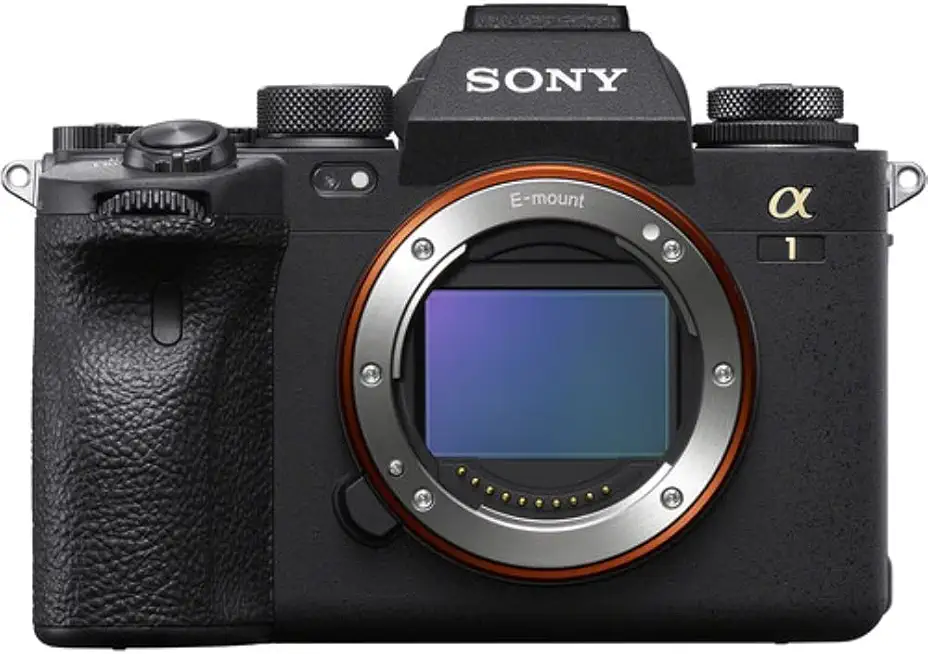
Sony Alpha 1 Camera
Revolutionary hybrid pairing ultra-high resolution with blistering speed: 50MP stills at fast burst rates, 8K video, sophisticated autofocus with real-time tracking, silent shooting and pro-level connectivity.
Check PriceThe Sony Alpha 1 feels like a do-it-all machine. In practice I found it fantastic when I needed both very high resolution and fast frame rates in the same session — wedding detail shots in between fast-paced dance moments, or sports where I wanted big crops later. Its files hold a lot of detail and the autofocus is fast and reliable across many subject types.
Compared to the R3 the A1 is more of a hybrid: it gives you extra pixels and a strong video feature set, but it doesn’t have Canon’s eye-control AF or the same in-hand ergonomics for long days with heavy lenses. For low-light action the R3 sometimes felt a hair more confident in getting usable frames without pushing ISO as far.
Choose the A1 if you’re a hybrid shooter who needs maximum resolution without sacrificing speed — studio, commercial, and sports shooters who also want top-tier video will love it. If you prefer Canon color, handling, or the particular tracking style and IBIS behavior of the R3, then stick with Canon.
Alternative 3:

Sony a9 II Camera
Engineered for sports and action, this high-speed mirrorless offers blackout-free electronic shutter shooting at rapid frame rates, industry-leading autofocus tracking, pro connectivity and durable, weather-sealed construction for relentless performance.
Check PriceThe a9 II is built for sports shooters, and that shows in real use. I used it on soccer and track meets and it stays out of your way: fast focus, long runs of continuous shooting, and reliable tracking frame after frame. Compared to the R3 you get a proven sports tool that is often easier to find at a lower price and still nails the fast-action work.
Where it loses to the R3 is in features beyond raw speed. The R3’s newer tracking logic, eye-control AF, and built-in stabilization give it an edge in very low light and in tricky subject detection like birds and vehicles. The a9 II is more focused on straight-up speed and connectivity, so you give up some modern conveniences like the R3’s refined subject detection and certain video features.
If you’re a sports photographer who wants a straightforward, dependable workhorse and you’re already invested in Sony glass, the a9 II is a smart, cost-conscious pick. If you need the latest autofocus tricks, in-body stabilization behavior, or Canon’s handling for very long days with heavy lenses, the R3 remains the better choice.
What People Ask Most
What is the EOS R3 sensor resolution?
It uses a 24.1 MP effective full-frame stacked BSI CMOS sensor (total around 26.7 MP).
How fast can it shoot continuously?
Up to 30 fps blackout-free with the electronic shutter, plus a special mode up to 195 fps that’s limited to 50 shots.
Does the R3 have in-body image stabilization?
Yes — it has 5-axis IBIS rated up to 8 stops and it works in concert with lens IS.
How many AF points does it have?
It offers 1,053 automatically selectable AF points that cover nearly the entire frame.
Is Eye Control AF available?
Yes — Eye Control AF lets you select focus points by looking in the EVF, though it can take a little time to get used to.
What are the low-light capabilities?
Expect clean images up to about ISO 12,800 and usable results to around ISO 51,200 with increasing noise beyond that.
Conclusion
The Canon EOS R3 is a purpose-built flagship that makes action photography feel effortless. Its blend of blistering responsiveness, confident subject tracking, effective stabilization, and pro-grade weatherproofing gives working shooters real reliability in the field.
Strengths are clear and meaningful: it delivers speed, tracking, and handling in a compact mirrorless package that many pros will find liberating. Weaknesses are equally straightforward — the camera is optimized for responsiveness rather than the highest possible pixel counts, and some ultra-high-speed modes come with practical limits and a bit of a learning curve for advanced features.
For sports, wildlife, and event photographers who depend on timing and accuracy, the R3 is a compelling, career-grade tool that justifies its place among top-tier pro bodies. If your work demands maximum resolution above all else, look elsewhere. Otherwise, this is one of the most capable action cameras Canon has ever offered and one I’d recommend to shooters who value speed, tracking, and rugged dependability.
Canon EOS R3 Camera
Professional full-frame mirrorless engineered for high-speed action: blazing continuous shooting, advanced eye and subject detection autofocus, exceptional low-light sensitivity and robust weather-sealed build for sports, wildlife and reportage.
Check Price



0 Comments