
Want a single camera that genuinely lifts both your stills and video without slowing you down?
The Nikon Z6 II Camera is pitched as a hybrid tool for photographers and creators, and I pushed one through events, low-light nights and travel shoots to see how it holds up in the real world.
If you shoot weddings, travel, documentary work or make hybrid videos, this review will focus on the practical payoffs—handling, stabilization, autofocus and endurance you can rely on in the field. Make sure to read the entire review as I break down what matters most for everyday shooting—keep reading.
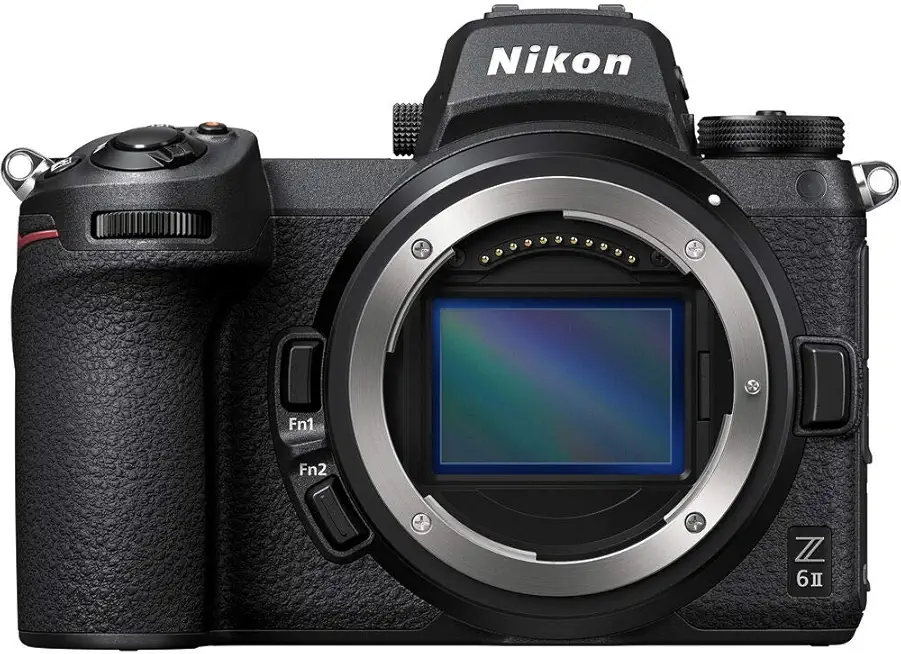
Nikon Z6 II Camera
Professional-grade full-frame mirrorless body delivers sharp 24MP images, lightning-fast continuous shooting, robust autofocus and cinematic 4K video performance—ideal for photographers seeking low-light capability and dependable durability on demanding shoots.
Check PriceThe Numbers You Need
| Spec | Value |
|---|---|
| Sensor | 24.5 MP |
| Image Stabilization | 5‑axis IBIS |
| Autofocus | Dual processors |
| Card Slots | Dual |
| Lens Mount | Z‑mount |
| Continuous Shooting | Up to 14 fps |
| ISO Range | 100–51200 (expandable to 50–204800) |
| Video Resolution | 4K at 60 fps |
| Viewfinder | 3.69 million dots |
| Screen | 3.2″ tilting touchscreen |
| Max Shutter Speed | 1/8000 sec |
| Weight | Approximately 615 g |
| Dimensions | 134 x 100.5 x 69.5 mm |
| Weather Sealing | Yes |
| Battery Life | Up to 440 shots per charge |
How It’s Built
In my testing the Nikon Z6 II feels like a camera built to be used, not babied. The body has a reassuring solid feel and the weather sealing let me keep shooting through light rain and dusty walks without worrying. That toughness is something I really liked for outdoor gigs.
The grip is comfortable and the camera balances nicely with the lenses I normally carry. Buttons have a nice tactile click and the most important controls are easy to reach on the fly. Menus are straightforward for common changes, but deeper settings take a little digging — beginners should expect a short learning curve.
The electronic viewfinder is clear and easy on the eyes for long sessions, and the refresh feels smooth when panning. The tilting touchscreen is responsive and bright enough to use outside, but its tilt-only design can be limiting for vertical framing or self-recording compared with fully articulating screens.
Dual card slots gave me real peace of mind on paid shoots, and I made a habit of using one slot as a backup. Battery life carried me through mixed stills-and-video sessions, but I still recommend a spare for full-day work. I also tried an adapter for older glass and it behaved predictably, which helped with lens options.
In Your Hands
The Z6 II’s sensor delivers a balance of detail and manageable file sizes that suits weddings, portraits, and editorial work without demanding excessive cropping. A fast shutter and responsive exposure system make it effortless to freeze quick moments in bright daylight or to shoot wide-open for subject separation with confidence. In practical use the files hang together well through basic retouching and print workflows.
When chasing action the camera’s sustained burst capability feels lively and practical, producing a healthy keeper rate for street and event sequences even as the buffer clears steadily. Its in-body stabilization noticeably reduces blur on slower shutter speeds, letting you handhold longer than you might expect and rescue shots in dim interiors. That combination changes how aggressively you need to push ISO in mixed lighting.
For video creators the camera handles high-frame-rate 4K work smoothly, making easy B-roll and gentle slow-motion accessible straight out of the camera. Stabilization and steady autofocus make handheld or gimbal-assisted moves usable in run-and-gun scenarios, while the EVF and tilting screen provide reliable monitoring for critical focus pulls and subject transitions. AF behavior in motion feels natural and watchable for most documentary-style shoots.
On reliability and workflow the dual media slots and weather-resistant build give real peace of mind on paid jobs and travel shoots. Dual slots simplify on-the-fly redundancy or separation of raw and JPEG files for faster ingest, and the body will comfortably carry through half-day to longer sessions with routine battery rotation. Taken together, it’s a dependable tool for hybrid shooters who need consistency in the field.
The Good and Bad
- 5-axis IBIS significantly helps handheld stills and video.
- 4K at 60 fps supports hybrid creator workflows.
- Up to 14 fps burst aids action and event coverage.
- Dual card slots offer redundancy for professional work.
- 24.5MP limits heavy cropping compared to higher-resolution competitors.
- Battery rating up to 440 shots means extra batteries recommended for full-day shoots.
Ideal Buyer
The Nikon Z6 II Camera is built for hybrid creators who want a single, dependable full‑frame tool for both stills and video. It delivers 4K60 and effective 5‑axis IBIS that make handheld video and fast stills practical in real-world shoots. Think versatility and reliability, not headline megapixels.
Wedding, event and documentary shooters will appreciate the dual card slots and weather sealing that protect files and keep shooting in mixed conditions. Those features buy peace of mind when a frame or file matters under deadline. Portrait photographers will like Nikon’s color rendering and the 24MP file size for clean prints and editorial deliverables.
Travel and everyday creators get a nimble package that won’t weigh you down on long days. At roughly 615 grams and with bursts up to 14 fps, it balances portability with on‑the‑move responsiveness for street and travel work.
If you’re comfortable with 24MP files and moderate cropping, the Z6 II wins for overall utility and faster workflows. If you prioritize versatility over ultra‑high resolution, this is your camera.
It’s not aimed at pixel‑peepers chasing extreme crops or the highest megapixel counts from flagship sensors. Nor is it the pick for specialists who need the most aggressive continuous AF available today. For most pros and serious enthusiasts, its balance of speed, stabilization and video features is the sweet spot.
Better Alternatives?
We’ve gone through the Nikon Z6 II in detail — its steady in-body stabilization, solid 4K60 video, and reliable all-around handling for hybrid shooters. That gives you a good baseline for what a balanced full-frame camera should feel like in real work.
If you want something different — more resolution, a different autofocus style, or a system that leans harder toward action or video — here are a few real-world alternatives I’ve used and how they stack up against the Z6 II. I’ll call out what each one does better and where it falls short so you can match it to your shooting needs.
Alternative 1:
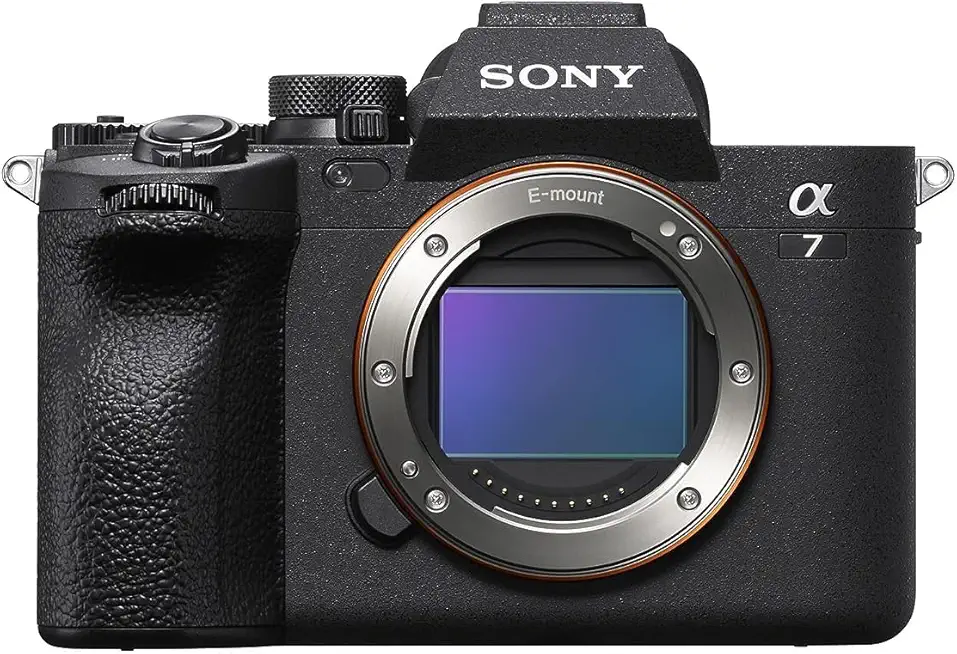
Sony Alpha 7 IV Camera
High-resolution 33MP sensor and intelligent autofocus combine for stunning stills and smooth video; seamless connectivity and customizable controls make this versatile hybrid tool perfect for creators who need speed, detail, and reliability.
Check PriceThe Sony A7 IV gives you more resolution and finer detail than the Z6 II, which is great when you need to crop tightly or print larger. In real shoots I found the extra pixels helpful for portraits and editorial work where I wanted to reframe after the fact. That said, bigger files mean more storage and heavier processing at the edit stage.
Sony’s autofocus and subject recognition are more aggressive in continuous situations — it locked onto moving subjects quickly and kept them tracked in sequences where I had to pick the right frame fast. For video, Sony’s menus and codec options felt friendlier for mixed workflows. On the downside, the menus and button layout aren’t as intuitive as Nikon’s, and if you prefer a simpler, more tactile control layout the learning curve can be annoying.
This is a good pick if you’re a hybrid creator who wants higher detail for stills and robust video options, or a photographer who crops a lot. If you prioritize simple menus, slightly smaller files, and the Nikon handling feel, stick with the Z6 II instead.
Alternative 2:
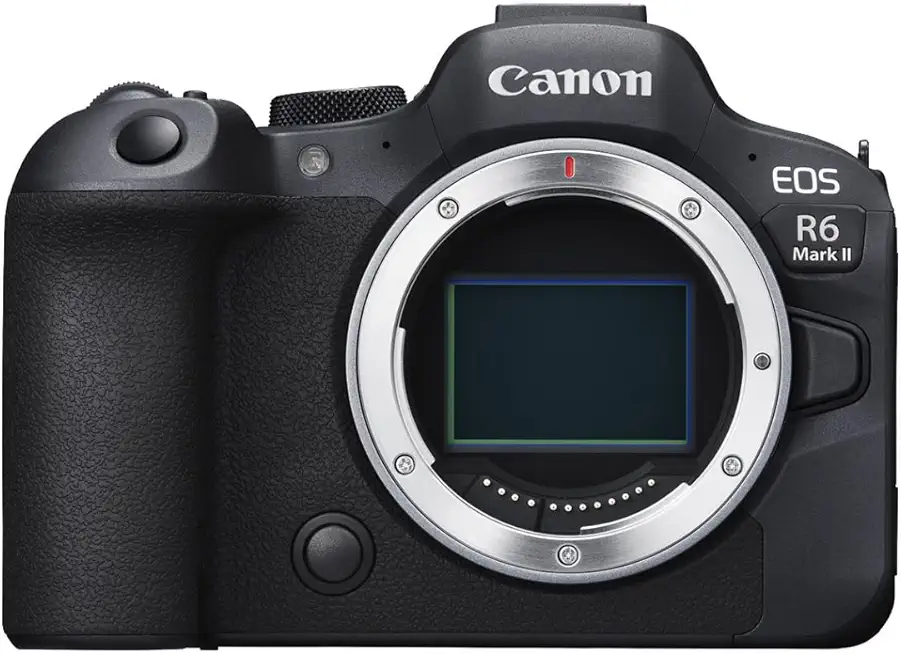
Canon EOS R6 Mark II Camera
Fast, dependable full-frame performance with improved stabilization, responsive autofocus and high-speed continuous shooting—designed to capture decisive moments in challenging lighting while delivering clean 4K video and pro-level handling.
Check PriceThe Canon R6 Mark II feels built for speed and reliability. In weddings and event days I used it for long bursts and fast subject changes and it rarely missed a beat — the autofocus is very confident and the face/eye detection is consistently solid in mixed light. Compared to the Z6 II, Canon’s tracking felt a bit more “stickier” on moving subjects.
Color and skin tones straight from the Canon are pleasing and often cut down on grading time for client work. The R6 II’s IBIS also helps handheld shots similarly to the Z6 II, so you get steady photos and video without complicated rigs. Downsides are system cost — good RF glass can be pricey — and if you already own Z-mount lenses, switching systems adds cost and weight.
Choose the R6 Mark II if you shoot a lot of events, weddings, or sports and want confident autofocus plus colors that are ready to deliver. If you care more about sensor resolution or a lighter lens ecosystem, the Z6 II or Sony options might fit better.
Alternative 3:
Canon EOS R6 Mark II Camera
Engineered for professionals and serious enthusiasts, this versatile shooter offers snappy burst rates, industry-leading subject tracking, dual card reliability and excellent low-light image quality for weddings, sports, and fast-paced assignments.
Check PriceSeen from the pro side, the R6 Mark II is a reliable workhorse. On long shoots the camera’s handling, button layout, and performance made it easy to stay on task. Compared with the Nikon Z6 II, Canon’s sustained burst performance and tracking gave me more keepers in high-pressure moments like first dances or sideline sports coverage.
Where the R6 II can fall short versus the Z6 II is in system cost and some video specifics — if you need a very straightforward Nikon-style menu and already own Z lenses, Nikon keeps things simpler. Also, if you want the absolute best low-light pixel-level performance for very large prints, the Sony with higher resolution might win for that niche.
This version of the Canon is for pros and serious enthusiasts who need dependable tracking and a camera that stays out of the way during fast work. If your daily grind is weddings, sports, or commercial gigs where every shot counts, the R6 Mark II is worth testing against the Z6 II before deciding.
What People Ask Most
Is the Nikon Z6 II worth buying?
Yes — it’s a versatile, well-rounded full-frame mirrorless that improves speed, AF and video over the original, making it a great value for hybrid shooters.
What are the differences between the Nikon Z6 II and the original Z6?
The Z6 II adds a second EXPEED processor for better continuous AF and burst rates, dual card slots, improved subject tracking and expanded video options.
Is the Nikon Z6 II good for video?
Yes — it offers strong video features including 4K recording (up to 60p in certain modes), clean HDMI output and in-body stabilization, making it solid for run-and-gun and professional work.
Does the Nikon Z6 II have dual card slots?
Yes — it has one CFexpress/XQD-compatible slot and one UHS-II SD slot for backup, overflow or separate file types.
What is the battery life of the Nikon Z6 II?
Expect roughly 300–500 shots per charge depending on usage; bring a spare battery for long days or extended video recording.
How is the low-light performance and image quality of the Nikon Z6 II?
Excellent — the full-frame sensor and updated processor deliver clean high-ISO performance, wide dynamic range and detailed RAW files that hold up well in low light.
Conclusion
The Nikon Z6 II Camera is a versatile hybrid that delivers dependable stills and clean 4K video most working photographers and creators need day to day. In real-world use its effective in-body stabilization, reliable high-frame-rate video, useful burst mode, dual-card peace of mind, and weather-sealed ergonomics all made shooting easier and more confident.
It’s not for pixel-count obsessives; photographers who demand extreme cropping or studio-level resolution will prefer higher-megapixel rivals for those specific needs. Also plan on spare batteries for long hybrid days, and accept the tilting screen’s trade-offs; autofocus is excellent for everyday work but not the outright leader in sustained continuous tracking scenarios.
That pragmatic mix really suits wedding and event shooters, travel and documentary photographers, and hybrid creators who prioritize consistency, handling, and reliability over headline specs. If your workflow values straightforward ergonomics, dependable IBIS and dual-slot redundancy, the Z6 II earns its place as a primary, work-ready tool.
If you need ultra-high resolution, the most aggressive continuous AF, or cinema-grade video features for specialized projects, the alternatives merit a close look. But for most pros and serious enthusiasts wanting a balanced, reliable full-frame hybrid that performs across stills and motion, the Nikon Z6 II Camera delivers strong, practical value you can rely on.
Nikon Z6 II Camera
Professional-grade full-frame mirrorless body delivers sharp 24MP images, lightning-fast continuous shooting, robust autofocus and cinematic 4K video performance—ideal for photographers seeking low-light capability and dependable durability on demanding shoots.
Check Price


0 Comments