
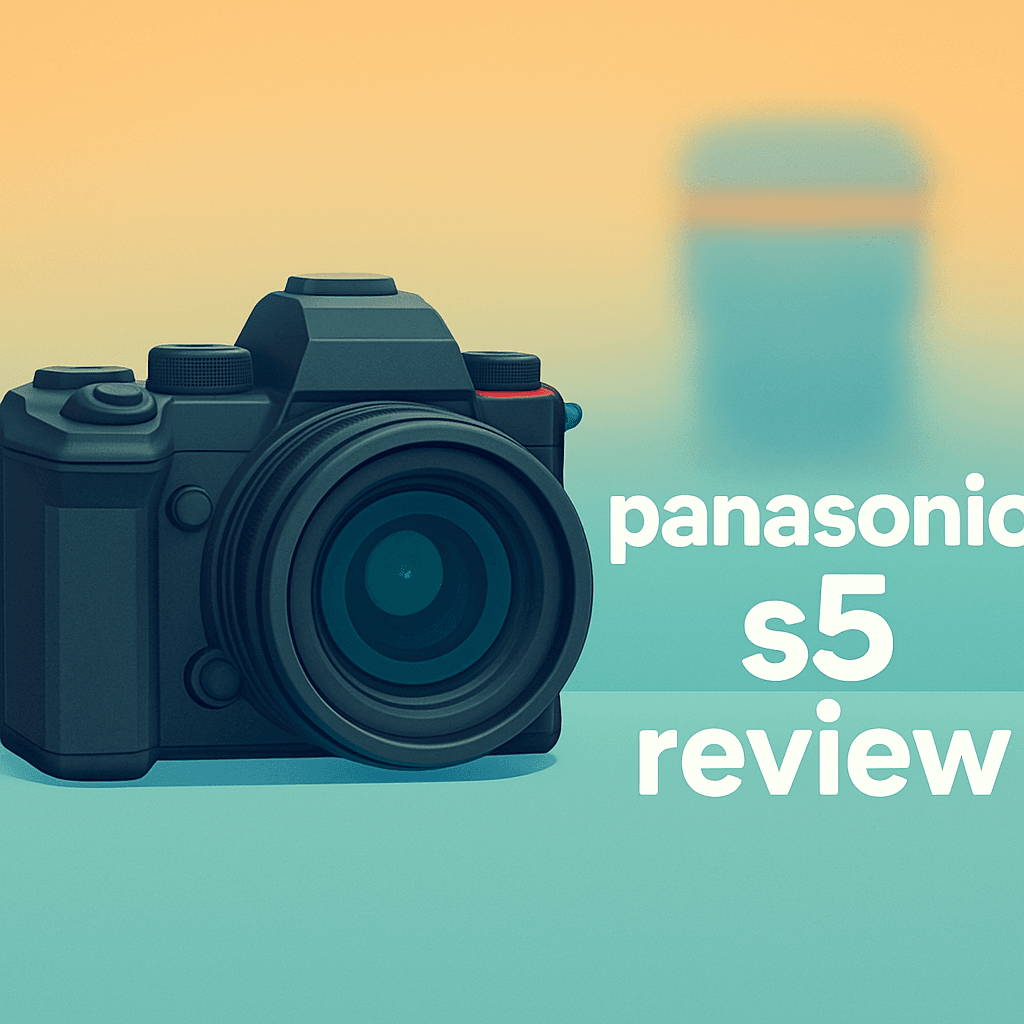
Want to know if the Panasonic Lumix S5 Camera will actually improve your images and videos?
I’ve field‑tested one across weddings, travel, and documentary days to focus on real‑world results, not just spec sheets.
If you’re a hybrid creator who cares about video tools, low‑light performance, and reliable handheld work, this review is for you — I’ll dig into autofocus, burst speed, EVF feel, and lens options, so keep reading.

Panasonic Lumix S5 Camera
Compact full-frame hybrid delivering crisp stills and cinematic video with excellent low-light sensitivity, 5-axis stabilization, and flexible recording formats. Ideal for travel photographers and creators seeking lightweight professional performance.
Check PriceThe Numbers You Need
| Spec | Value |
|---|---|
| Sensor | 24.2 MP |
| Lens Mount | L-mount |
| Image Stabilization | 5-axis |
| Autofocus | Advanced Contrast AF |
| Continuous Shooting | Up to 7 fps (mechanical shutter), 30 fps (electronic shutter) |
| Video Recording | 4K at 60 fps, 10-bit 4:2:2 |
| ISO Range | 100–51200 (expandable to 50–204800) |
| Screen | 3-inch Tilting Touchscreen |
| Viewfinder | 3.68 million dots |
| Memory Slots | Dual UHS-II SD |
| Weight | Approximately 714 grams |
| Power Source | DMW-BLK22 battery |
| Video Features | V-Log, HDR |
| Slow Motion | 180 fps at Full HD |
| Connectivity | Wi‑Fi, Bluetooth |
How It’s Built
In my testing the Panasonic Lumix S5 Camera feels solid and well balanced with L‑mount lenses. The grip is comfortable for long shoots. I liked the tactile dials, but some buttons feel small.
The tilting touchscreen is responsive and makes low and high angles easy. The EVF is clear and smooth, though not as immersive as some rivals. That works fine for run‑and‑gun shooting and quick framing.
Dual card slots gave me confidence on paid jobs when I set one slot as a backup. Battery life handled mixed stills and video days, and I kept a spare and USB charger handy to stay shooting.
L‑Mount gives access to Panasonic, Sigma, and Leica lenses I use often. The lineup covers most real‑world needs, but it isn’t as deep as some rival systems. Beginners should map out the lenses they really need.
Wi‑Fi and Bluetooth paired well with my phone for client previews, remote control, and quick transfers. It was generally stable in the field, though occasional reconnections were needed. Still, it sped up on‑set sharing.
Overall the S5’s build and layout make it a friendly, hard‑working camera. I really liked the ergonomics and clear control logic. I would like a larger EVF and bigger rear buttons for faster handling.
In Your Hands
On the Panasonic Lumix S5 I found the autofocus to be steady and accurate for everyday shooting — portraits, editorial assignments, and run-and-gun documentary work feel reliable. When subjects start darting or erratic movement dominates, continuous tracking doesn’t lock as tenaciously as some rivals, which matters most for sports and wildlife photographers.
The camera’s responsiveness makes it a pleasure for event and portrait work where timing and feel trump maximal burst rates. High-speed electronic capture is great for nailing decisive moments, but you do need to manage expectations: large sequences require mindful framing and selection, and AF in the fastest electronic modes can be less forgiving on tricky subjects.
Stabilization is one of the S5’s strongest real-world advantages — hand-held keepers at slow shutter speeds are common and gimbal-less video holds impressively steady. Pairing the body with optically stabilized lenses only amplifies that confidence, letting me shoot handheld in situations I’d normally rig up support for.
Low-light shooting is where the S5 shines: autofocus remains usable in dim conditions and image character stays natural as you push sensitivity, with pleasant grain structure and good color retention. That reliability lets me work in ambient-lit venues and nighttime streets without a constant headlamp over the subject.
In professional workflows I rely on dual cards for instant backup or overflow and the camera behaves predictably under deadline pressure. Wireless pairing for client previews and remote control is handy, though the menus and button mapping benefit from a little customization to match fast-paced shoots and shave seconds off startup routines.
The Good and Bad
- 4K/60p 10-bit 4:2:2 recording
- V-Log and HDR profiles for robust grading workflows
- 5-axis IBIS for strong hand-held performance
- Excellent low-light performance
- AF tracking for fast-moving subjects generally less consistent than top Sony/Canon systems
- 7 fps mechanical burst is modest for high-speed action
Ideal Buyer
If you prioritize video, the Panasonic Lumix S5 Camera is a smart fit. Its 4K/60p 10-bit 4:2:2, V-Log and Dual Native ISO give grading headroom and low-light latitude filmmakers crave. It’s built for creators who edit as much as they shoot.
Event, wedding and documentary shooters will appreciate the S5’s 5-axis IBIS and strong high-ISO performance. Handheld keepers and gimbal-less run-and-gun workflows benefit from its steadiness and color tools. That reliability matters when seconds count.
Photographers who accept contrast-based AF and a modest 7 fps mechanical burst will find the S5 dependable for portraits, editorial and travel. If you chase elite sports or fast wildlife, you’ll likely want a system with faster continuous AF and higher mechanical frame rates. For mixed commercial and personal work it strikes a practical balance.
Builders into L-Mount who value dual UHS-II slots, sensible battery life and a video-first control set will be happiest here. Test the lenses you plan to use and make peace with a smaller native lens pool than some rivals; the S5 rewards those who prioritize image quality, ergonomics and cinematic tools over peak autofocus speed.
Better Alternatives?
We’ve gone through the Panasonic S5 in detail — what it does well, where it trips up, and the kinds of shoots I’d take it on without hesitation. It’s a great camera for video-forward work and low‑light shooting, but every system has trade-offs when it comes to autofocus, speed, and lenses.
If you’re leaning away from the S5 for any of those reasons, here are a few real-world alternatives I’ve used. I’ll point out what each one does better and worse than the S5 and who I’d recommend it to, based on hands-on shooting, not just specs.
Alternative 1:
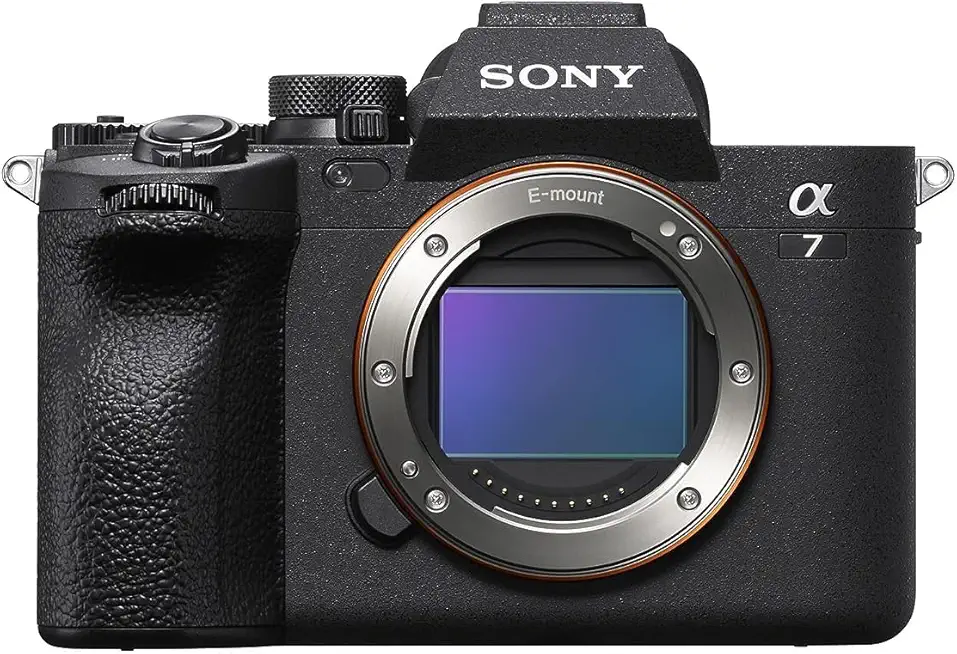
Sony Alpha 7 IV Camera
High-resolution mirrorless body offering outstanding autofocus accuracy, detailed 33MP images, and robust 10-bit video capture. Versatile connectivity and reliable subject tracking make it a go-to for hybrid photographers and filmmakers.
Check PriceI’ve shot weddings and run-and-gun video with the Sony A7 IV a lot, and the biggest difference from the S5 is the autofocus and resolution. The Sony nails subject tracking more often in hectic situations — people running, kids, or pets — so you’ll get more keepers in burst sequences. The higher resolution also gives you extra crop or print room compared to the S5’s 24MP files.
Where the Sony falls short versus the S5 is in pure video ergonomics and low‑light behavior for some workflows. The S5 feels more video-focused to me: its log tools, low‑light handling, and color workflow are a bit more film-friendly out of the box. Sony’s larger files mean heavier editing and more storage, and its 4K60 modes sometimes use a crop that I noticed when switching lenses on the fly.
If you’re a hybrid shooter who needs top-tier autofocus and wants more resolution for editorial or commercial work, the A7 IV is a solid pick. Choose it if you shoot fast-moving subjects and want the safety net of very reliable tracking and extra detail for crops and large prints.
Alternative 2:
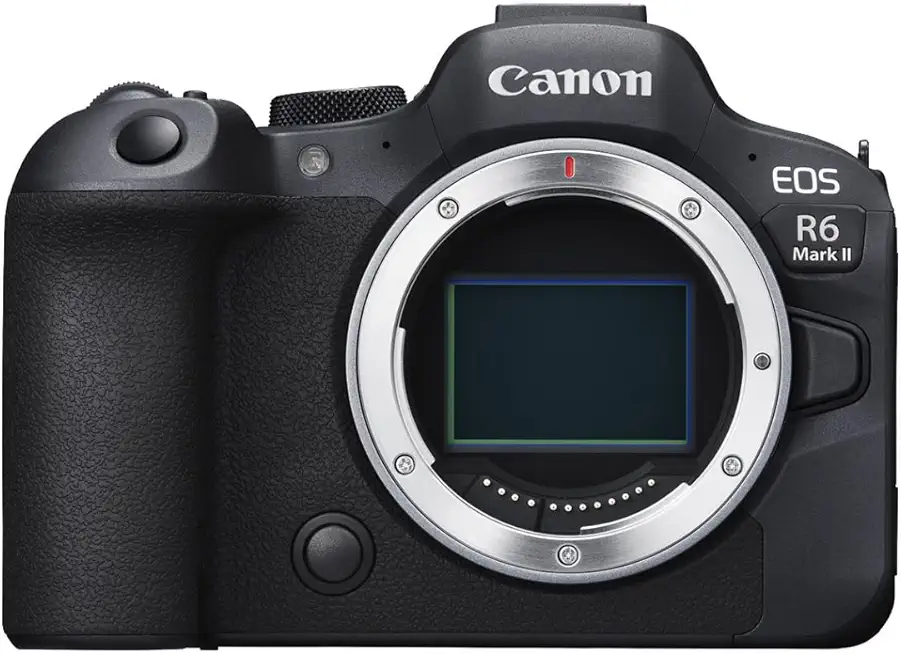
Canon EOS R6 Mark II Camera
Speed-focused pro camera with lightning-fast continuous shooting, advanced subject-tracking AF, and powerful in-body stabilization. Delivers clean low-light performance and 4K video, perfect for sports, wildlife, and event shooters.
Check PriceOn fast-action jobs I reach for the Canon R6 Mark II more often than the S5. Its burst speed and Dual Pixel AF tracking are very consistent in my experience, so for sports, fast events, or wildlife you’ll capture more decisive moments than you typically do with the S5’s contrast-based AF.
The trade-offs are in the video toolset and system cost. The S5 still feels more friendly for long handheld video shoots because of its video-first controls and certain color/log conveniences. Canon’s bodies and RF glass can be pricier, and while the R6 II records great video, I find the S5 easier to dial in for film-style grading on the fly.
Pick the R6 Mark II if you’re primarily a photographer who also shoots video — especially if your work includes sports, events, or any fast-moving subjects. It’s for shooters who need aggressive AF and speed over the S5’s video-focused feature set.
Alternative 3:
Canon EOS R6 Mark II Camera
Refined ergonomics and responsive controls support long shooting sessions; dual card slots and improved battery performance ensure reliability. Exceptional autofocus and image stabilization make it ideal for demanding professional workflows.
Check PriceUsing the R6 II day after day, I also appreciate its handling and reliability compared with the S5. The body feels intuitive for long days, the controls are responsive, and dual card slots plus better battery behavior mean fewer workflow headaches on long jobs. For me that reliability beats the S5 when I’m shooting all day without easy backup options.
Where the R6 II doesn’t beat the S5 is in some video-first quirks — the S5 gives a bit more flexibility for color grading workflows and has a few video advantages that matter if you live in V-Log and heavy grading. Also, if you’ve already invested in L-mount glass, the Canon system will require adapting or buying new lenses.
If you want a workhorse that’s comfortable to use for long shoots and offers worry-free AF and stabilization, the R6 II is a smart alternative. It’s best for pro shooters who need steady handling, fast AF, and a reliable day-to-day camera more than the S5’s subtle video edge.
What People Ask Most
Is the Panasonic S5 worth buying?
Yes — it’s a great hybrid for photographers who also shoot video, offering strong image quality and pro video features at a very reasonable price. Skip it only if you need the fastest autofocus or the widest lens ecosystem.
How does the Panasonic S5 compare to the Sony A7 III?
The S5 generally beats the A7 III for video (10‑bit codecs, better video tools) while the A7 III still leads in autofocus speed and lens choices; image quality is similar. Pick the S5 for video-first use and the Sony for fast-action stills and AF reliability.
What are the key specs and features of the Panasonic S5?
It’s a 24MP full‑frame mirrorless with 5‑axis IBIS, dual native ISO, 4K up to 60p, internal 10‑bit recording options, and professional video profiles like V‑Log. It’s compact, weather‑sealed, and aimed at hybrid shooters.
How good is the Panasonic S5 autofocus for stills and video?
The AF is competent for everyday shooting and video work with face/eye detection, but it’s not as fast or as reliable on fast action as Sony’s phase‑detect systems. For portraits and run‑and‑gun video it performs very well.
What video recording capabilities does the Panasonic S5 have?
The S5 records 4K up to 60p, offers internal 10‑bit recording and Log profiles, and has a range of useful video tools like waveform and LUT support. It’s a real step up from basic mirrorless for serious video work.
Does the Panasonic S5 have in-body image stabilization (IBIS) and what is the battery life like?
Yes — it has 5‑axis IBIS that noticeably helps handheld shooting, and battery life is decent for a mirrorless body but plan to carry a spare for long days, plus it supports USB‑C charging/POWER delivery.
Conclusion
The Panasonic Lumix S5 Camera is, in my experience, a deeply capable hybrid that leans toward filmmakers and low-light shooters. Its video toolkit—clean internal recording, log and HDR options—paired with dependable in‑body stabilization and strong high‑ISO performance make it a go‑to for run‑and‑gun and event work. Dual‑slot reliability, thoughtful ergonomics and a balance that wears comfortably all day round out a package that’s ready for professional use.
That said, it isn’t without compromises. Contrast‑based autofocus and continuous tracking don’t match best‑in‑class systems for high‑speed action, and its mechanical burst performance is modest for dedicated sports shooters. The electronic viewfinder reads as smaller than some rivals and the L‑mount lens lineup still motivates selective buying for a full system.
If your priority is cinematic video, weddings, documentary or low‑light editorial work, it delivers more than enough to justify serious consideration. If relentless subject‑tracking or top‑tier burst rates are mission‑critical, look elsewhere or pair it with a backup body and complementary glass. Do a hands‑on test with the lenses you’ll use and verify current specs and system costs before committing; you’ll know quickly if the S5 fits your workflow.
Panasonic Lumix S5 Camera
Compact full-frame hybrid delivering crisp stills and cinematic video with excellent low-light sensitivity, 5-axis stabilization, and flexible recording formats. Ideal for travel photographers and creators seeking lightweight professional performance.
Check Price



0 Comments