
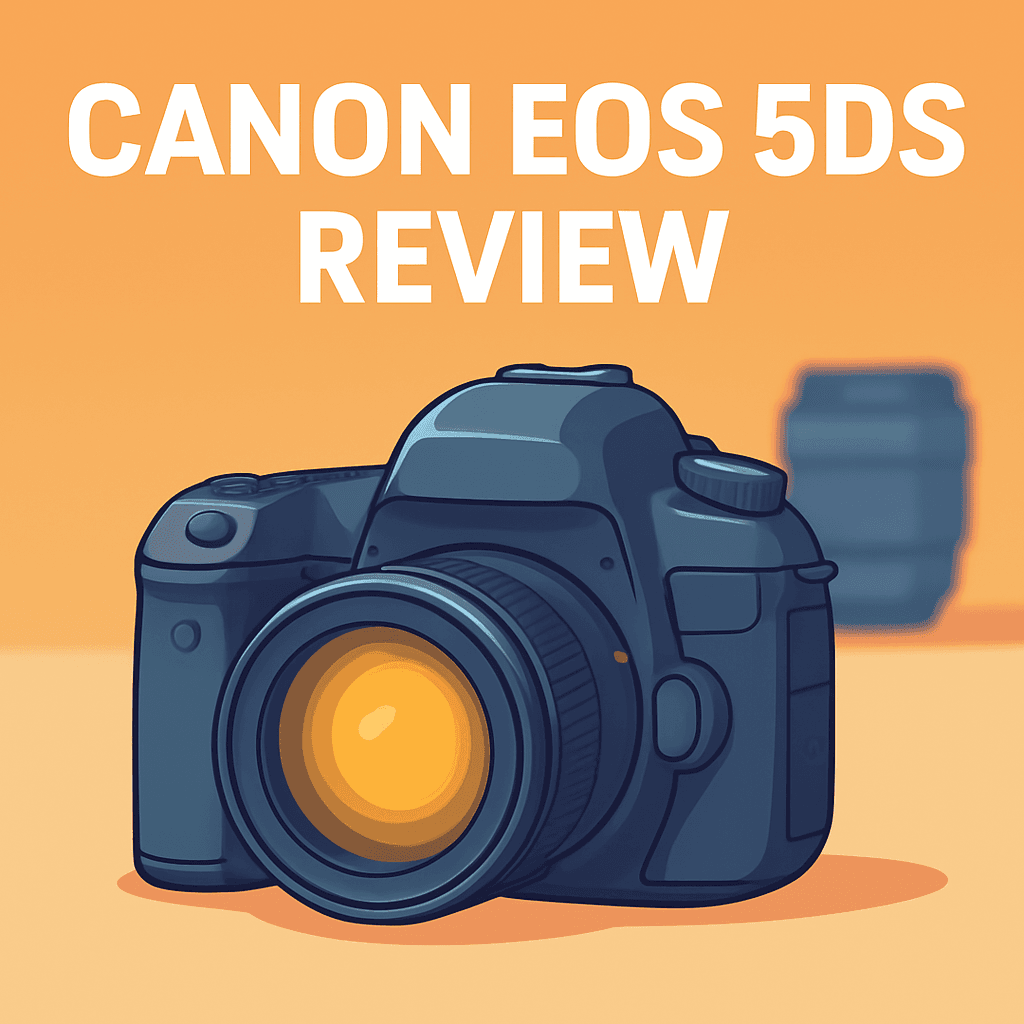
Want to know if the Canon EOS 5DS Camera will actually raise your image quality and print-ready detail, or if it’s just another high-megapixel marketing story?
I’ve shot with it in studio and on location, and this review focuses on who benefits most — shooters who favor extreme still-image detail over fast bursts or video features.
I’ll cover real-world handling, image quality across ISOs, autofocus behavior, and where it fits among modern alternatives so you can decide if it suits your workflow; make sure to read the entire review as the real-world examples will matter — keep reading.

Canon EOS 5DS Camera
Ultra-high-resolution full-frame body delivers astonishing 50.6MP detail for studio and landscape work; rugged construction, accurate color reproduction, and dependable performance for professionals seeking maximum image fidelity and large-format prints.
Check PriceThe Numbers You Need
| Spec | Value |
|---|---|
| Sensor | 50.6 MP full-frame CMOS |
| Image processor | Dual DIGIC 6 |
| ISO range | 100–6400 (expandable to 50–12800) |
| Autofocus | 61-point AF system (41 cross-type) |
| Continuous shooting | 5 fps |
| Shutter speed | 1/8000–30 sec |
| Viewfinder | Optical, 100% coverage |
| LCD | 3.2″ fixed, 1040k dots |
| Video | 1080p Full HD, 30 fps |
| Media | Dual CF/SD card slots |
| Weight | 930 g (body only, with battery) |
| Battery life | Approx. 700 shots |
| Max resolution | 8688 x 5792 pixels |
| Connectivity | USB 3.0, HDMI, WiFi optional |
| Lens mount | Canon EF |
How It’s Built
In my testing the Canon EOS 5DS feels like a classic DSLR — solid in the hands with an optical viewfinder that gives an edge-to-edge view of the scene. That weight and balance make it feel steady on a tripod and reassuring with big lenses, but expect some arm fatigue on long handheld shoots. What I really liked was that professional, confident grip that makes careful shooting feel natural.
The rear screen is fixed, so I found myself using the viewfinder or a tripod far more than a tilting display would allow. For beginners that means you’ll learn to think about composition differently, but it can be limiting for low or high angle shots. One thing that could be better is an articulating screen to make those awkward angles easy without extra gear.
Controls are straightforward and familiar, and I appreciated the dual card slots for simple backup and workflow flexibility during shoots. Tethering and monitoring work well with the available ports, though built-in wireless is optional — so plan for a cable or extra adapter if you want wireless transfer. In real-world use that means reliable backups and easy studio tethering, but a bit more setup for remote work.
The Canon EF mount opens up a huge range of lenses, and in my hands the camera rewards sharp glass with very detailed results. For beginners that means invest in good lenses rather than relying on the body alone. Just remember the sturdy build trades off with extra carry weight on long trips.
In Your Hands
The Canon EOS 5DS responds like a studio workhorse—measured and deliberate rather than frantic. Its burst capability and shutter feel are tuned for composed, high-detail captures, so you won’t reach for it for unpredictable sports or fast wildlife. Where it shines is in controlled shooting: precise timing and steady technique reward you with files that reveal an extraordinary level of fine detail.
Battery and media handling support long days on set without constant interruption. Dual card slots let you shoot with immediate backup or separate RAW and JPEG streams for quicker handoffs, and the camera’s power profile comfortably carries you through extended stills sessions when managed thoughtfully. For marathon shoots you’ll still plan batteries and swap strategy into your workflow rather than rely on grab-and-go spontaneity.
Exposure discipline is the camera’s best friend; the 5DS prefers low-ISO, well-exposed captures to fully exploit its resolving power. Push the sensitivity and you’ll trade noise management for convenience, so most users settle into a low-to-moderate ISO approach and meticulous metering to preserve micro-detail. That mindset—careful exposure, precise focus, and stable support—turns intent into image fidelity.
Video is strictly serviceable for behind-the-scenes clips and quick edits, not a primary creative outlet. Tethering and wired transfers are straightforward and reliable, and while optional wireless accessories exist, many pro workflows lean on direct connections for speed and stability. Clean HDMI output and solid wired connectivity make it easy to integrate into studio tether setups and on-location monitoring.
In practice the 5DS is happiest on a tripod in the studio or on a quiet landscape edge, paired with sharp glass and patient technique. Product, portrait, architecture, and high-end commercial work are where its strengths translate directly into print-ready, crop-friendly results. If your day-to-day is about extracting the most from every pixel under controlled conditions, it rewards the extra care with files that stand up to large prints and exacting retouching.
The Good and Bad
- 50.6MP full-frame sensor with 8688 x 5792 output for exceptional detail and large prints
- 100% coverage optical viewfinder for accurate framing
- 1/8000s maximum shutter speed for action freezing and bright-aperture control
- Dual CF/SD card slots for backup and workflow flexibility
- Approx. 700-shot battery life for sustained stills sessions
- USB 3.0 and HDMI connectivity for faster transfer/monitoring
- Canon EF mount compatibility with a vast lens ecosystem
- 61-point AF with 41 cross-type for solid stills focus versatility
- Continuous shooting limited to 5 fps — not ideal for fast action
- ISO range 100–6400 (expanded 50–12800) — modest by modern standards; plan for low-ISO workflows
- Video limited to 1080p at 30 fps — not for hybrid/video-first creators
- Fixed rear LCD — no tilt or articulation for flexible angles
- No built-in flash — requires external lighting
- WiFi optional rather than integrated
- Heavier body (930 g) — consider impact on travel and long handheld sessions
Ideal Buyer
If your work is about extreme detail and giant prints, the Canon EOS 5DS is built for you. It’s a stills-first tool that rewards slow, deliberate technique. Expect studio-level results when paired with sharp glass and disciplined lighting.
Studio portrait, beauty, product, commercial and fine-art photographers will love the retouching headroom and massive crop latitude. Landscape and architecture shooters who tripod and plan exposures will extract breathtaking resolution. Low-ISO workflows and careful focus discipline make the files sing.
It isn’t aimed at sports, wildlife, or fast-paced event work where high frame rates and deep buffers matter. Nor is it the camera for hybrid creators who need 4K video or modern autofocus in live view. Travelers who prize light, small rigs should also look elsewhere.
If you prioritize absolute resolving power over burst speed and video, this body is a specialist that pays dividends in print and commercial output for clients who demand large-format work. Otherwise consider modern alternatives for a more versatile, on-the-move toolset. Bring strong lenses, a tripod, and patient technique and you’ll get images few cameras can match.
Better Alternatives?
We’ve just finished digging into what makes the Canon EOS 5DS a great choice when you need huge files and the widest possible detail for prints or heavy cropping. It’s a camera built for careful, deliberate shooting—tripod work, studio sessions, and landscapes where you can control every variable.
If you like the 5DS’s image quality but need different strengths—better low-light, faster shooting, modern autofocus, or a lighter mirrorless workflow—there are clear alternatives. Below are three bodies I’ve used in the real world that trade some of the 5DS’s pure resolution for other useful gains.
Alternative 1:

Nikon D850 Camera
Versatile high-resolution full-frame shooter combines 45.7MP clarity with impressive dynamic range, fast autofocus, and excellent low-light performance—ideal for wedding, landscape, and commercial photographers demanding flexibility and speed.
Check PriceI’ve shot weddings and landscapes with the Nikon D850, and it feels like a more all-around tool than the Canon EOS 5DS. In real shoots it gives you cleaner files at higher ISOs and a faster shooting rhythm, so you can handle both posed studio work and moving subjects without missing as much. The tilting screen and 4K video also make it more flexible on location than the 5DS’s fixed LCD and basic 1080p.
Where the D850 is worse for a 5DS user is in the very fine detail endgame. The 5DS’s 50.6MP files can edge out on ultimate pixel-level sharpening for some lenses and print sizes. Also, if you love Canon color and the feel of Canon EF glass, switching systems adds workflow and lens investment work.
Buyers who will prefer the D850 are those who need high resolution but also shoot events, weddings, or anything that moves and want better high-ISO usable images. If you want a single camera that can do studio, landscape, and faster-paced shoots, the D850 is a strong, practical step up from the 5DS.
Alternative 2:
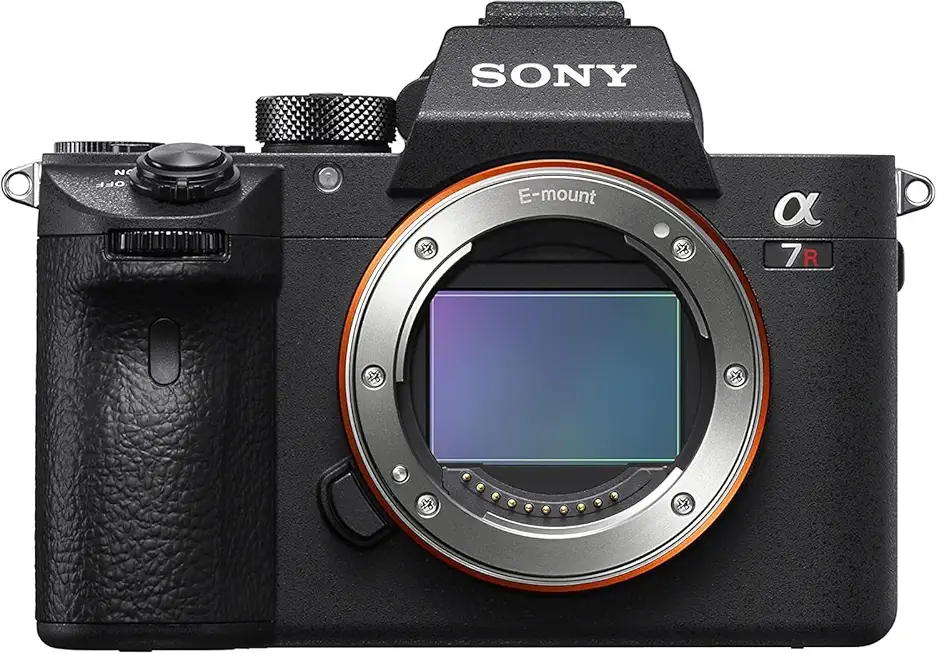
Sony Alpha 7R IV Camera
Mirrorless powerhouse featuring a 61MP sensor and advanced autofocus for extraordinary detail and speed; lightweight body with enhanced stabilization and modern connectivity, perfect for high-resolution editorial, studio, and fine-art photography.
Check PriceUsing the Sony a7R IV felt like stepping into a different workflow compared to the Canon EOS 5DS. The bigger pixel count and in-body stabilization let me shoot handheld at slower shutter speeds and still get very sharp images, which is a real advantage for location portrait and travel work. The autofocus, especially Eye AF, makes catching faces fast and reliable in live view—something the 5DS’s DSLR AF can’t match in live-view shooting.
On the downside, the Sony files are huge and demand more storage and processing time. Battery life is also shorter than the 5DS on long days, so you need spares. If you prefer the optical viewfinder feel and the Canon EF lens handling, the mirrorless ergonomics and menu system take time to get used to.
The a7R IV is best for photographers who want extreme resolution but also need modern handheld usability—fine-art shooters who travel, editorial shooters who work fast, and portrait pros who take advantage of Eye AF and stabilization. If you want a compact, high-res system that handles both studio detail and on-the-go shoots, this is a top pick.
Alternative 3:
Sony Alpha 7R IV Camera
Engineered for ultimate image quality, this compact system delivers incredible resolution and nuanced tonal gradation, rapid burst capability, and professional-grade connectivity—built to capture meticulous landscapes, portraits, and demanding commercial assignments.
Check PriceAgain with the a7R IV, but looking at it from a studio and commercial angle, I found it delivers smoother tones and a more modern shoot-to-deliver path than the Canon EOS 5DS. The electronic viewfinder gives an immediate preview of exposure and white balance, which speeds tethered studio work. The camera’s burst and tracking make it easier to get the exact expression or frame in a series of shots.
Where it falls short versus the 5DS is in battery endurance and the handling feel that some seasoned DSLR users prefer. For heavy studio days with continuous shooting, the 5DS’s battery life and DSLR ergonomics can win. Also, adapting some legacy lenses takes effort and an adapter, which can change focus feel.
This version of the a7R IV will appeal to commercial, studio, and landscape shooters who want top image quality but also faster, more connected workflows. If you value tonal nuance, modern connectivity, and the benefits of mirrorless previewing over the classic DSLR shooting rhythm, you’ll like this camera more than the 5DS.
What People Ask Most
Is the Canon EOS 5DS worth buying?
Yes if you need extreme 50.6MP detail for landscapes, studio or commercial work, but not if you need strong low-light performance, fast autofocus, or the latest features.
What is the difference between the Canon EOS 5DS and the 5DS R?
The 5DS R removes the low-pass filter for even sharper images at the cost of a higher risk of moiré; otherwise the cameras share the same body and specs.
Canon EOS 5DS vs 5D Mark IV — which is better?
The 5DS is better for maximum resolution and fine detail, while the 5D Mark IV is more versatile with superior low-light ISO, autofocus and modern features.
How is the low light/ISO performance of the Canon EOS 5DS?
Not great—noise increases quickly above ISO 800, so it performs best at low ISOs with good light or on a tripod.
Is the Canon EOS 5DS good for landscape photography?
Yes, its high resolution is ideal for landscapes and large prints, though you should pair it with a tripod and very sharp lenses.
What lenses are best for the Canon EOS 5DS?
Sharp, high-resolution glass like the Canon 16-35mm and 24-70mm L series, prime lenses (35/50/85mm L), and tilt-shift lenses are excellent choices for this camera.
Conclusion
The Canon EOS 5DS Camera is a stills-first, high-resolution specialist that rewards discipline, patience and a careful selection of glass, delivering files built for large prints and heavy retouching. In studio and landscape work I found its resolving power teases out micro detail and texture that more versatile bodies tend to smooth over. For archival reproduction, commercial product work or beauty retouching—where every pixel counts—the 5DS earns its keep in tangible results.
That fidelity does not come free; the camera privileges deliberate, methodical capture over speed, modern autofocus conveniences and advanced video feature sets, so it feels most at home in controlled environments. A fixed rear screen and optional wireless conveniences underline its studio-and-tripod bias, and users who bounce between handheld, fast-action or hybrid photo/video duties will notice the compromises. Expect to invest in sturdy support, premium glass and a workflow that respects large files to get the best outcome.
Bottom line: if uncompromising still-image detail for large-format output and aggressive cropping is your priority, the Canon EOS 5DS Camera remains a compelling, purpose-built tool. If you need burst performance, in-body stabilization, cutting-edge live-view AF or advanced video, a more modern platform will serve you better. Be honest about your priorities—choose the 5DS for ultimate resolution, or opt for versatility elsewhere.
Canon EOS 5DS Camera
Ultra-high-resolution full-frame body delivers astonishing 50.6MP detail for studio and landscape work; rugged construction, accurate color reproduction, and dependable performance for professionals seeking maximum image fidelity and large-format prints.
Check Price

0 Comments