

Want to lift your image quality and still enjoy shooting? It’s a compact, retro-styled mirrorless that feels more like an analog camera than a menu maze.
Having shot the Fujifilm X-T10 Camera in the field, I focused on handling, image character, and real-world usability. It’s a stills-first tool with a 16MP X-Trans sensor, 1080p video and built-in Wi‑Fi.
This review shows who’ll benefit, the camera’s top strengths, and the trade-offs versus newer bodies. Make sure to read the entire review as I’ll dig into handling, image character and comparisons — keep reading.

Fujifilm X-T10 Camera
Compact mirrorless with intuitive manual dials and retro styling, delivering sharp APS-C image quality, responsive autofocus, and creative film-simulation modes, perfect for street, travel, and everyday photography with built-in Wi-Fi.
Check PriceThe Numbers You Need
| Spec | Value |
|---|---|
| Sensor | 16 MP APS-C X-Trans CMOS II |
| Lens mount | Fujifilm X |
| Weight | 381 g (body only) |
| Viewfinder | 0.39″ OLED, 2.36M dots |
| LCD | 3.0″ tilting, 920K dots |
| ISO | 200-6400 (expandable to 100-51200) |
| Shutter | Mechanical 1/4000 sec; Electronic 1/32000 sec |
| Burst speed | 8 fps |
| Autofocus | 77-point hybrid (49-point phase-detect) |
| Video | 1080p (60/30/24 fps) |
| Film simulations | 11 (including Classic Chrome) |
| Wi-Fi | Yes |
| Manual controls | Dual dials; exposure compensation dial |
| In-body image stabilization | None |
| Weather sealing | None |
How It’s Built
In my testing the Fujifilm X-T10 feels like a tiny classic SLR in your hands. The metal body and retro styling make it seem sturdier than its size suggests, and it’s light enough to carry all day without complaint. That small, solid footprint makes it an easy travel or street camera.
The physical controls are the star here. The pair of big dials and the dedicated exposure-comp dial make changing settings instant, so you stay in the moment instead of fumbling through menus. For beginners that means you learn exposure faster and shoot more confidently.
The electronic viewfinder is clear and fast enough for most shooting, and the tilting rear screen became my go-to for low or high-angle shots. After using it for a while I liked how the tilting LCD helped with candid street work and awkward angles. It won’t replace a top-tier EVF, but it’s very usable in daylight and indoors.
One thing I really liked was the tactile, clicky controls that make shooting feel intentional. One thing that could be better is the lack of weather sealing, and there’s no in-body stabilization either. In practice that means you should avoid heavy rain and either use stabilized lenses or keep your shutter speeds up for sharp photos.
In Your Hands
The X-T10 feels lively in hand — controls are immediate and the camera responds with a satisfying snappiness that makes shooting feel instinctive. Burst mode and the electronic shutter give you the flexibility to chase fleeting moments and handle high-contrast, bright-light scenarios without fuss, while the mechanical shutter remains a reliable choice for everyday shooting.
In practical shooting the camera’s native sensitivity range covers most day-to-day situations with pleasing detail and Fujifilm’s signature color character, and its extended settings are useful as creative or emergency options when light gets tough. You’ll want to stay within the native range for the cleanest results, but pushing the camera can still yield usable images when needed.
Built‑in Wi‑Fi slots neatly into a modern workflow, letting you share selects on the go or trigger the camera remotely for compositions where you can’t be behind the viewfinder. Video is competent for casual clips with Full HD frame choices and straightforward controls, though it’s clearly a stills-first tool rather than a dedicated video rig.
Absent in‑body stabilization, the X-T10 rewards steady technique or the use of optically stabilized lenses, and the tilting rear screen is a real asset for street, travel, and low-angle work. In everyday use it’s an engaging, compact companion that emphasizes tactile shooting and image personality over raw spec chasing.
The Good and Bad
- Compact metal body with retro SLR-style appeal
- Tactile controls: dual dials + exposure compensation dial for intuitive operation
- EVF: 2.36M-dot OLED; tilting LCD for flexible angles
- 16MP X-Trans CMOS II image quality with Fujifilm color and film simulations
- No in-body image stabilization
- No weather sealing
Ideal Buyer
If you love the feel of analog controls and the instant gratification of Fujifilm color, the Fujifilm X-T10 Camera is made for you. Its dial-first interface and film-simulation palettes reward photographers who prefer composition and character over menu diving. Shooting feels deliberate and enjoyable in a way many modern mirrorless bodies don’t replicate.
This camera suits stills-first shooters who want a compact, metal-bodied system that tucks into a travel bag. Street photographers, lifestyle bloggers, and portrait hobbyists will appreciate the tactile exposure dials, the pleasing JPEG recipes, and the tilting LCD for low-angle shots. It’s a great match when portability and photographic intent matter more than headline specs.
Be candid about the trade-offs before buying. If you need 4K video, robust AF tracking for sports or kids, in-body stabilization, or weather sealing for regular outdoor duty, look elsewhere. The X-T10 excels at crafted stills but isn’t designed as an all-purpose hybrid workhorse.
Think of the X-T10 as a soulful tool: an enthusiast’s travel camera, a second body for Fuji shooters, or a first serious mirrorless that teaches technique. If Fuji’s look and hands-on controls are your priority, this is a stylish, capable choice; if speed, 4K, or ruggeding are musts, consider the X-T20, a6000, or EOS M5 instead.
Better Alternatives?
We’ve already gone through what makes the Fujifilm X-T10 special: the small, solid body, the tactile dials, and that Fuji color and film-simulation look that many of us love. It’s a great stills camera, but depending on what you shoot you might want more speed, higher resolution, or better video tools.
Below are a few real-world alternatives I’ve used in the field. I’ll point out where each one clearly beats the X-T10, where it falls short, and what kind of shooter would pick it over Fuji’s retro option.
Alternative 1:
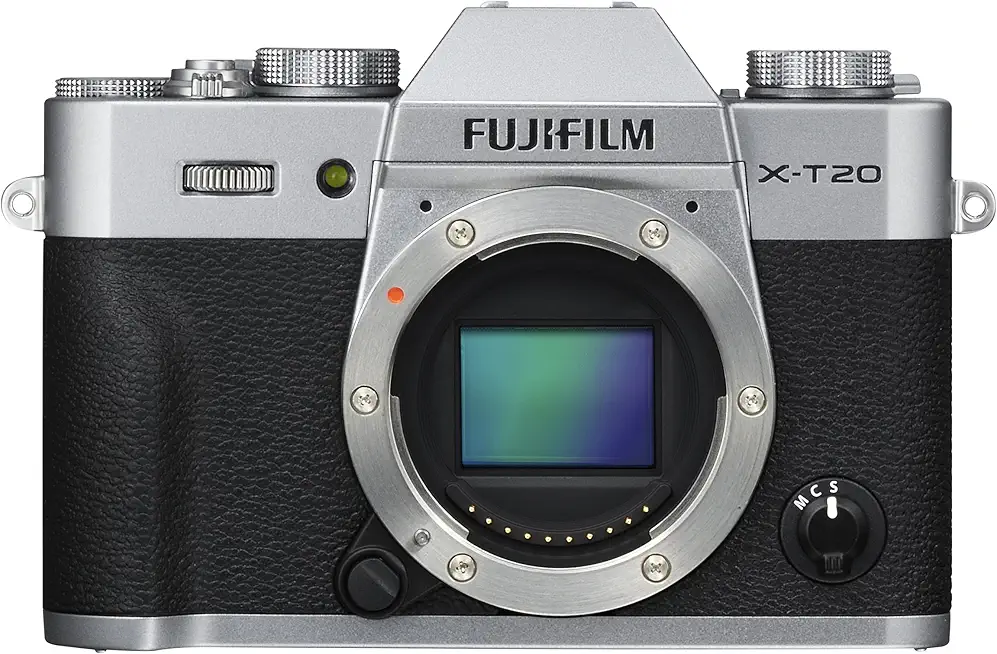
Fujifilm X-T20 Camera
Advanced mirrorless model offering higher-resolution APS-C capture, lightning-fast autofocus, and a responsive touchscreen. Rich color-rendering and versatile shooting modes make it ideal for enthusiasts seeking compact creative control.
Check PriceI’ve shot weddings and street work with the X-T20 and the first thing you notice is the speed and detail. The X-T20 gives you more resolution and a snappier autofocus than the X-T10, and the touchscreen makes quick focus-and-recompose or menu work much easier on the street. In practice that means cleaner crops and fewer missed shots when people move toward or away from you.
What it doesn’t do better is the basic Fuji feel — the X-T20 keeps the look and dials but some of the tactile joy of the X-T10’s simpler controls feels slightly compromised if you want to dive into menus. Also, if you value Fuji’s classic JPEG look, you’ll get similar color, but the X-T20’s extra features and 4K-video support come at a higher price and slightly shorter battery life in long shoots.
If you want more resolution, faster AF, and occasional 4K video while keeping Fujifilm’s color and styling, the X-T20 is the clear pick. It’s the camera I’d recommend to enthusiasts who want a compact but more capable step up from the X-T10 — great for portraits, travel, and when you want the option to crop or do simple video work.
Alternative 2:

Sony Alpha a6000 Camera
Lightning-quick autofocus system and 24MP APS-C sensor combine for sharp, burst-ready performance. Lightweight body with electronic viewfinder and tilting LCD suits fast-paced shooting and avid travel photographers.
Check PriceThe Sony a6000 is a real action camera in a small body. I used it for kids’ sports and quick street sessions — the AF locks on fast and keeps tracking moving subjects better than the X-T10, and the higher frame rate makes it easier to catch peak moments. It also feels feather-light for travel days.
Where it’s weaker versus the X-T10 is in how it handles color and controls. Sony’s JPEGs aren’t the same warm, film-like look Fuji gives straight from camera, and the a6000’s controls are more menu-driven so you lose the dial-first shooting style that many Fuji users enjoy. In low-light the sensor performs well, but you’ll miss Fuji’s film simulations and tactile exposure dials.
Choose the a6000 if you shoot a lot of moving subjects — sports, kids, fast street scenes — or if you want a very portable setup with a huge lens selection. It’s a great buy for someone who prioritizes speed and flexibility over Fuji’s classic handling and straight-out-of-camera color.
Alternative 3:

Sony Alpha a6000 Camera
Compact enthusiast camera delivering impressive low-light sensitivity, rapid continuous shooting, and a vast interchangeable-lens ecosystem. Easy connectivity and portable design make it a versatile choice for everyday adventures.
Check PriceOn travel trips the a6000’s low-light ability and fast burst rate stood out to me — it lets you shoot handheld in dim bars or evening street scenes and still get usable files more often than the X-T10. The massive E-mount lens world also means you can find small, cheap glass for very specific needs, which makes the a6000 a good everyday carry.
The trade-offs are familiar: you give up some of Fuji’s easy, tactile controls and that in-camera film look. I also found the menus on Sony can slow you down if you like to change settings quickly with dials. For some photographers that’s a minor annoyance; for others it breaks their shooting flow compared to the X-T10’s straightforward layout.
Pick this a6000 if you want a compact, go-anywhere camera that’s forgiving in low light and great at continuous shooting. It’s ideal for travelers, event shooters on a budget, or anyone who values speed and lens choices over the Fuji shooting experience and in-camera film renditions.
What People Ask Most
Is the Fujifilm X-T10 worth buying?
Yes — it’s a compact, well-built APS-C camera with great colors and manual controls that offers excellent value on the used market, though newer models are faster and stronger on autofocus and video.
How good is the image quality on the Fujifilm X-T10?
Very good for an APS-C camera — the X-Trans II sensor delivers sharp files, rich color and usable low-light performance up to around ISO 1600–3200.
What are the differences between the Fujifilm X-T10 and the X-T1?
The X-T1 is more rugged with weather sealing, a larger EVF and more pro-focused controls, while the X-T10 is smaller, lighter and more budget-friendly with fewer professional features.
How does the Fujifilm X-T10 compare to the Fujifilm X-T20?
The X-T20 has a newer sensor, faster autofocus and a touchscreen for easier operation, whereas the X-T10 is simpler and usually cheaper used.
Is the Fujifilm X-T10 good for beginners?
Yes — it’s friendly for learning exposure and manual controls, with helpful automatic modes, though beginners who want the latest AF or touch controls may prefer a newer model.
Does the Fujifilm X-T10 have good autofocus?
It has a decent contrast-detect AF for still subjects but is slower and less reliable on fast-moving subjects compared with modern phase-detect systems.
Conclusion
The Fujifilm X-T10 still feels like a proper camera to use, with a compact metal body and tactile dials that reward hands-on photographers. Its color science and film-simulation character deliver images that need little persuasion to look pleasing straight out of the camera. The EVF, tilting screen and wireless convenience finish the package as a joyful, distinctly Fuji experience.
That said, the X-T10 asks you to accept a few compromises that matter to many shooters. Its autofocus and video capabilities lag behind newer rivals, and the lack of in-body stabilization and weather sealing limits adventurous use. If you frequently need rock-solid tracking, robust low-light versatility, or heavy-duty outdoor reliability, this camera will frustrate more often than it will thrill.
In short, buy this if you are a stills-first shooter who values tactile controls, Fujifilm color, and a compact, characterful tool. Steer toward newer models or other brands if your priorities are advanced AF, cutting-edge video, or all-weather durability. For photographers chasing a classic shooting feel and great JPEG color, the X-T10 remains a compelling, focused choice.
Fujifilm X-T10 Camera
Compact mirrorless with intuitive manual dials and retro styling, delivering sharp APS-C image quality, responsive autofocus, and creative film-simulation modes, perfect for street, travel, and everyday photography with built-in Wi-Fi.
Check Price

0 Comments