
Want a camera that’ll noticeably up your image quality and keep up with both fast action and handheld video?
The Canon EOS R6 Mark II Camera claims that balance—so does it actually fit your shooting life?
This review looks at real-world stills and video—action, events, portraits, and travel—through a practical shooter’s lens.
If you shoot sports, weddings, or hybrid solo content, you’ll care about burst speed, subject tracking, and steady handheld footage, and those are the R6 Mark II’s headline strengths.
I spent several long shooting days with the camera to see how it behaves in real workflows.
Make sure to read the entire review as we break down handling, AF, stabilization, low-light performance and the real trade-offs—keep reading.
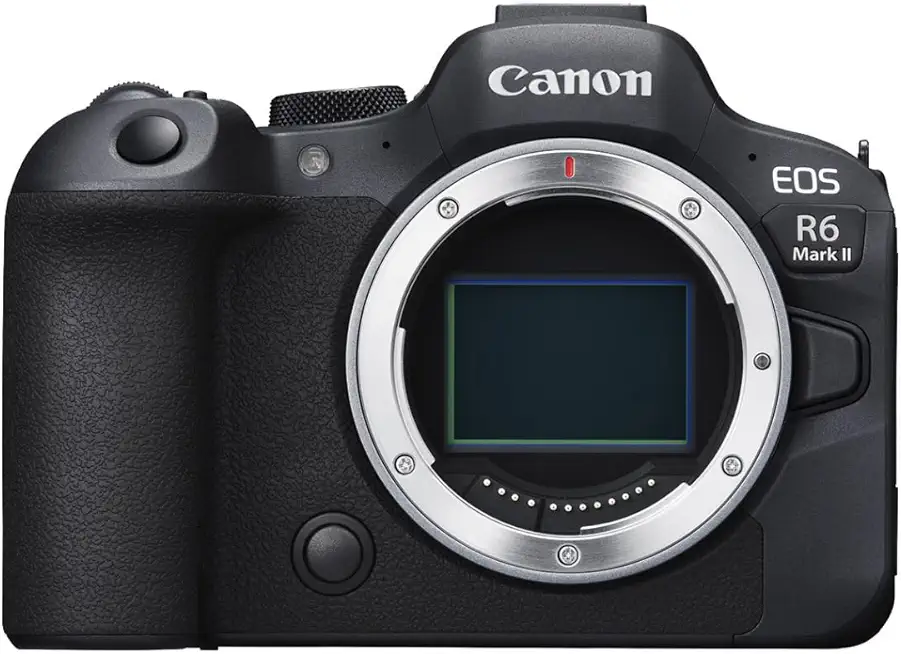
Canon EOS R6 Mark II Camera
A professional-grade mirrorless that captures fast-moving subjects with lightning-fast continuous shooting and precision autofocus. Excellent low-light performance, in-body stabilization, and 4K video make it ideal for hybrid creators.
Check PriceThe Numbers You Need
| Spec | Value |
|---|---|
| Sensor | 24.2 MP full-frame CMOS |
| Image processor | DIGIC X |
| Continuous shooting speed | 12 fps (mechanical), 40 fps (electronic) |
| Autofocus points | 1,053 cross-type points with 100% coverage |
| Autofocus system | Dual Pixel CMOS AF II with people, animal, and vehicle detection |
| ISO range | 100–102,400 (expandable to 50–204,800) |
| In-body image stabilization | Up to 8.0 stops (5-axis) |
| Video resolution | 6K RAW at 60 fps (external), 4K 60p oversampled from 6K |
| Slow-motion video | 1080p at 180 fps |
| Memory card slots | Dual UHS-II SD cards |
| Electronic viewfinder | 0.5" OLED, 3.69 million dots, 120 fps refresh |
| LCD screen | 3" fully articulated touchscreen, approx. 1.62 million dots |
| Shutter speed | 1/8,000 sec (mechanical), 1/16,000 sec (electronic) |
| Lens mount | Canon RF mount (compatible with EF/EF-S via adapter) |
| Build | Weather-sealed body with robust construction |
How It’s Built
In my testing the Canon EOS R6 Mark II feels solid and weather-sealed. It held up during long event days and light rain. For beginners that means less worry about a sudden shower or dusty locations.
I found the EVF nicely clear and the refresh keeps tracking smooth when I’m following fast subjects. The fully articulating touchscreen is a standout — shooting verticals, low angles, or vlogging becomes easy. Beginners will love how menus and focus points are simple to touch and change on the fly.
The camera has dual SD card slots, which I used for instant backups during busy shoots. That redundancy gives peace of mind when delivering important jobs, but it also means heavy video workflows need careful file management or external recording. So if you shoot lots of high-bitrate video, plan your workflow or carry fast external drives.
Controls and grip are intuitive and stayed comfortable during long handheld sessions. I really liked the flexible screen and button layout for one-person shoots. One thing that could be better is the lack of a faster card option — shooters who push big video files or long electronic bursts will need to manage buffer and transfer times.
In Your Hands
The R6 Mark II feels fast in the hands—reliable mechanical bursts for decisive sequences and an even more aggressive electronic mode for peak action. Choose the mechanical shutter when you need consistency and flash support, and switch to the electronic mode when freezing split-second sports or wildlife behavior matters most.
Real-world burst work is best with a disciplined workflow: populate both card slots with high-speed media, favor shorter runs for multi-second chases, and be ready to pause and clear the buffer between plays. That approach keeps keeper rates high in chaotic situations and prevents long waits on the sideline or in the blind.
Stabilization is a quiet revelation for handheld shooting—static subjects gain clarity at slower shutter choices and handheld video looks markedly smoother without a gimbal. That confidence lets you travel lighter, work longer without fatigue, and salvage shots in mixed lighting where tripods aren’t practical.
Image quality strikes a practical balance: enough resolution for most editorial and client needs while prioritizing responsiveness and autofocus speed. The camera’s oversampled video pipeline delivers crisp 4K footage straight out of camera, and an external-record option opens up higher-end RAW workflows for heavy grading when required.
In the field the R6 Mark II is an honest hybrid—quiet for weddings, nimble for street and travel, and aggressive when chasing action. Its blend of tracking, stabilization, and fast capture makes it a go-to tool for shooters who switch between stills and video on the fly.
The Good and Bad
- High burst rates for action and decisive moments
- Dual Pixel CMOS AF with broad subject detection and full-frame coverage for reliable tracking
- Strong in-body image stabilization enhances handheld stills and video
- Oversampled high-quality 4K plus an external high-resolution RAW option for advanced video workflows
- Modest megapixel count may limit cropping and very large prints compared with higher-resolution rivals
- High-resolution RAW requires an external recorder with no internal option
Ideal Buyer
As a shooter who chases decisive moments, you’ll appreciate the Canon EOS R6 Mark II’s lightning reflexes and clinical tracking. Its 12 fps mechanical and 40 fps electronic bursts, paired with Dual Pixel CMOS AF II and people/animal/vehicle detection, turn chaotic sports, kids, or wildlife sequences into usable frames. Add up to 8 stops of IBIS and you get handheld confidence for freezing motion or smoothing run-and-gun video in marginal light.
If you photograph weddings, events, or corporate gigs, the R6 Mark II behaves like a reliable partner rather than a temperamental tool. Quiet mechanical and silent electronic modes, near–edge-to–edge AF coverage, and weather sealing mean fewer missed moments when lights go weird or the dance floor gets hectic. Dual UHS-II card slots, fast buffer handling, and a fully articulating touchscreen also speed delivery and simplify single-operator video workflows.
For hybrid creators and Canon ecosystem users it’s a compelling middle ground between speed and image fidelity. Oversampled 4K60, optional 6K RAW via an external recorder, RF-mount flexibility with EF adapter support, and pro-grade ergonomics let you switch between assigned shoots without changing bodies. Choose this camera if consistent tracking, sustained burst performance, and rock-solid IBIS matter more than chasing maximum megapixels.
Better Alternatives?
We’ve gone deep on the Canon EOS R6 Mark II — its fast bursts, rock-solid tracking, and steady IBIS make it a go-to for action, events, and hybrid video work. Still, no camera is perfect for every job, and depending on your priorities you might want something with more resolution, different color, or a different feel in the hand.
Below are a few real-world alternatives I’ve used on shoots. I’ll point out where each one clearly wins or loses versus the Canon EOS R6 Mark II Camera, and the kind of shooter who’ll prefer it.
Alternative 1:
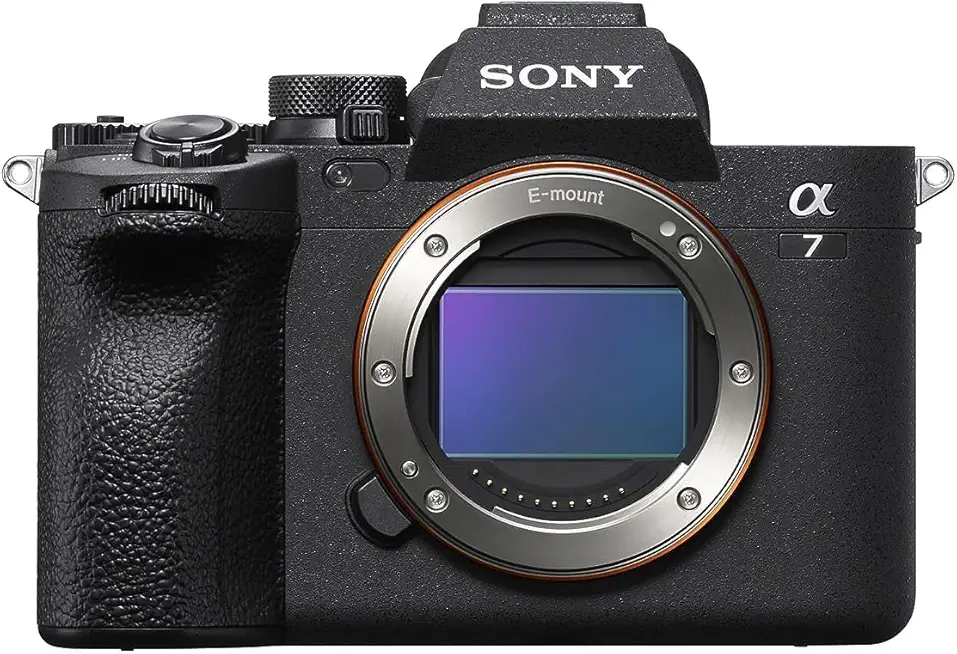
Sony Alpha 7 IV Camera
High-resolution full-frame mirrorless offering 33-megapixel detail, buttery autofocus, and cinema-grade video. Flexible color profiles, reliable tracking, and robust connectivity make it perfect for portrait, landscape, and video workflows.
Check PriceHaving shot weddings and studio work with the Sony Alpha 7 IV, the first thing you notice is the extra detail from the higher-resolution sensor. That makes a real difference when you need to crop in tight or print big — you get more flexibility than the Canon EOS R6 Mark II Camera without losing image quality. The Sony also gives you very useful color and picture profile options for video, which I leaned on for mixed photo-and-video gigs.
Where the A7 IV falls short versus the Canon EOS R6 Mark II Camera is in outright action speed and the feel of tracking at extreme frame rates. For fast-paced sports or frantic kids-and-pets sessions, the R6 Mark II’s super-quick burst modes and very confident subject switching gave me higher keeper rates. The Sony’s AF is excellent for most work, but in the wildest, most frantic moments I found Canon’s tracking a touch easier to rely on.
If you’re a portrait, landscape, or studio pro who wants more resolution and deeper video tools in one body, the Sony will likely suit you best. Choose the A7 IV if you care about cropping room and flexible color grading; stick with the Canon EOS R6 Mark II Camera if your work is heavy on high-speed action or you need the smoothest possible tracking at very high burst rates.
Alternative 2:
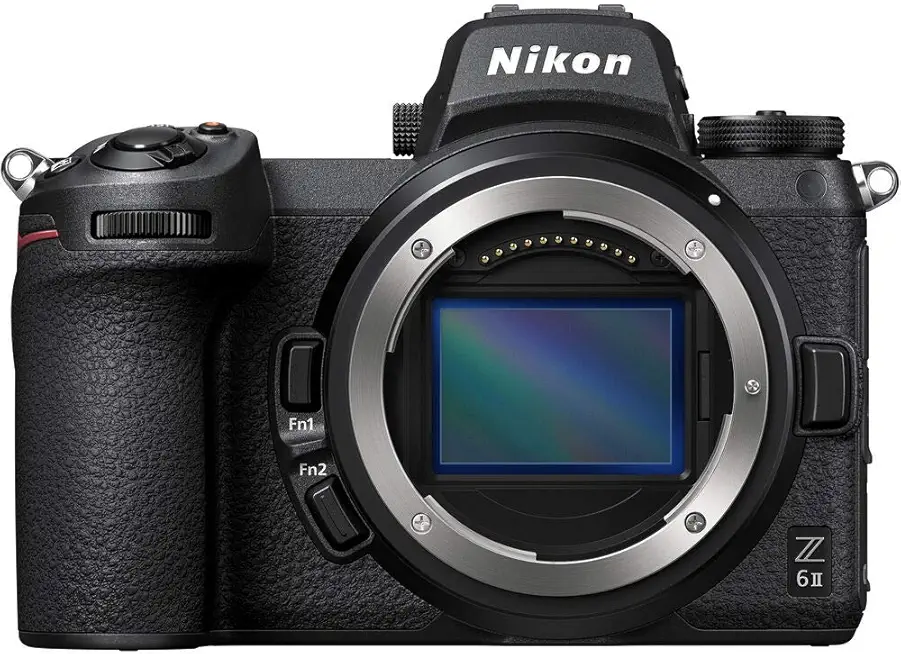
Nikon Z 6II Camera
Versatile full-frame shooter with refined low-light sensitivity and dual processors for faster performance. Dual card slots, dependable autofocus, and steady in-body stabilization support demanding photojournalism and travel assignments.
Check PriceI’ve used the Nikon Z 6II on travel and editorial jobs where long days and mixed light are the norm. It gives very pleasing color and skin tones straight out of camera, and the ergonomics are something I appreciated when shooting for hours. Compared to the Canon EOS R6 Mark II Camera, the Z 6II feels comfortable and steady in the hand and is a great tool for run-and-gun assignments.
In direct comparison, the Nikon doesn’t quite match the Canon EOS R6 Mark II Camera for extreme subject tracking in fast-action scenarios. You’ll still get good AF, but when things get chaotic — erratic runners, fast-moving animals, or high-speed motorsports — the R6 Mark II tends to lock on and keep pace more often. The Z 6II makes up for that with solid low-light behavior and a calm, consistent shooting experience.
The Z 6II is a smart pick if you’re a travel, documentary, or wedding shooter who values color and handling over the last bit of burst speed. Pick Nikon if you want a well-balanced camera for long shoots with reliable results, and choose the Canon EOS R6 Mark II Camera if your job needs the absolute edge in high-frame-rate action and subject switching.
Alternative 3:
Nikon Z 6II Camera
Balanced, compact body delivering natural color rendering, responsive handling, and extended battery life. Smooth burst shooting and advanced video capabilities pair with a broad lens ecosystem for creative flexibility.
Check PriceUsed again here as a slightly different take, the Nikon Z 6II really shines when you need a compact, all-day camera that just keeps working. Battery life and heat control on longer shoots felt more forgiving than some competitors, so for multi-hour events I didn’t worry about swapping gear as often. Versus the Canon EOS R6 Mark II Camera, the Nikon gives a calm, balanced shooting rhythm that’s easy to live with on long jobs.
That balance does mean trade-offs. The Canon EOS R6 Mark II Camera still beats it for the fastest burst rates and for the most aggressive, confidence-inspiring subject tracking. If your job is chasing split-second action, the R6 Mark II wins more keepers. The Z 6II’s video features and lens options, however, are very capable and make it a great hybrid choice if you want a lighter system for day-long work.
Think of the Z 6II as the choice for photographers who want a dependable, comfortable camera that performs well across many tasks without fuss. If you prioritize long shoots, natural color straight from the camera, and a smaller footprint, go Nikon. If you absolutely need the Canon EOS R6 Mark II Camera’s top-tier tracking and fastest burst options for sports or wildlife, then stick with Canon.
What People Ask Most
Is the Canon EOS R6 Mark II worth buying?
Yes — it’s a strong upgrade for photographers and hybrid shooters who want better resolution, faster burst shooting, and improved video and AF over the original R6.
How does the EOS R6 Mark II compare to the original R6?
It adds a 24MP sensor, faster continuous shooting, improved autofocus, and better 4K performance with less overheating, so it’s a meaningful step up for most users.
What are the key specs and features of the Canon EOS R6 Mark II?
Key features include a 24MP full‑frame sensor, up to 40fps electronic shutter, in‑body image stabilization, Dual Pixel AF, and 4K/60p video with improved heat management.
Is the EOS R6 Mark II good for video and does it record 4K without overheating?
Yes — it records clean 4K up to 60p with internal 10‑bit options and has noticeably better heat control than the original, so longer 4K clips are more reliable.
What is the battery life of the Canon EOS R6 Mark II?
Expect roughly 400–500 shots per charge with mixed use; plan to bring a spare battery for long shoots or heavy video recording.
What autofocus performance can you expect from the R6 Mark II?
Expect very fast and reliable Dual Pixel AF with excellent subject tracking for people and animals and strong low‑light performance, ideal for sports, wildlife, and run‑and‑gun work.
Conclusion
The Canon EOS R6 Mark II Camera is, in plain terms, a tool built for photographers and creators who put speed, autofocus reliability, and stabilized handheld confidence ahead of headline megapixels. It feels like a trusted workhorse when the moment matters more than pixel-peeping. I came away impressed by how reliably it nails decisive moments under real-world pressure.
This is where it truly excels: chasing action, covering events, and running one-person video productions without a gimbal. The subject detection and IBIS combine to make shooting fast, messy, and low-light scenarios far less stressful. For hybrid shooters who need clean oversampled video and the option to step up to external RAW workflows, it’s a smart, practical choice.
No camera is perfect, and the trade-offs here are clear and honest. If absolute resolution, internal high-resolution RAW, or the fastest card formats are mission-critical, there are other bodies that will serve those needs better. Those compromises, however, are deliberate design choices in service of speed and tracking confidence.
If your work demands consistent tracking, high burst capability, and steady handheld performance, the R6 Mark II is a compelling, value-packed pick. If your priority is massive resolution or internal cinema-grade RAW, evaluate the alternatives first.
Canon EOS R6 Mark II Camera
A professional-grade mirrorless that captures fast-moving subjects with lightning-fast continuous shooting and precision autofocus. Excellent low-light performance, in-body stabilization, and 4K video make it ideal for hybrid creators.
Check Price




0 Comments