
Want your portraits and low-light shots to pop with creamy background separation?
That’s the promise of the Nikon Z 50mm f/1.2 S, and after field-testing it in real shoots I wanted to see if it truly delivers that look and usability.
If you shoot on Nikon Z full-frame bodies and crave ultra-shallow depth of field, this lens is clearly aimed at you.
I’ll walk through handling, bokeh and flare control, close-focus utility, autofocus behavior, and sharpness in everyday shooting, while noting practical trade-offs like its size and lack of in-lens stabilization.
If you’re weighing speed against size and system fit, this review will give the real-world answers you need — make sure to read the entire review as I compare it to key rivals and show sample results.

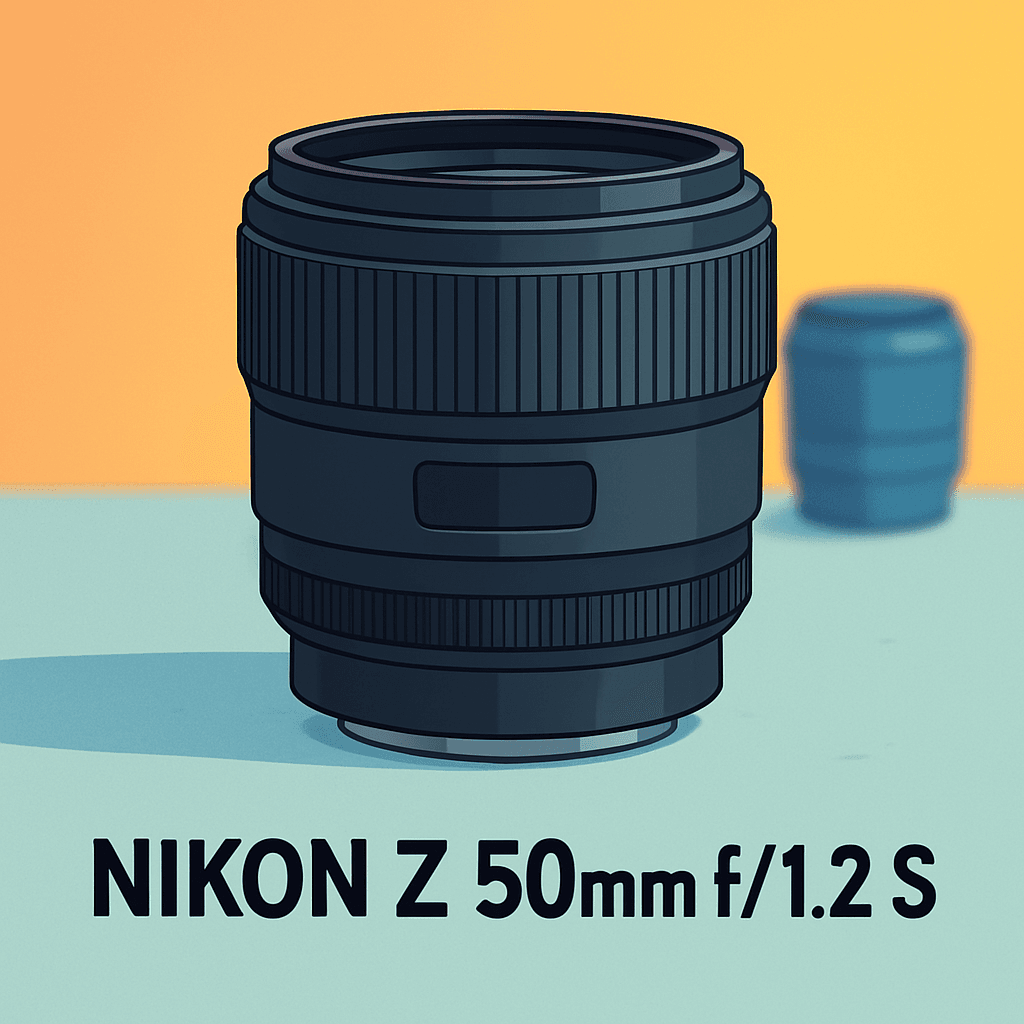
Nikon Z 50mm f/1.2 S
Flagship large-aperture prime delivering exquisite sharpness, velvety bokeh and excellent low-light performance. Precision autofocus, premium optics and weather-sealed construction make it ideal for portraits and editorial work.
Check PriceThe Numbers You Need
| Spec | Value |
|---|---|
| Mount type | Nikon Z-mount |
| Focal length | 50mm |
| Maximum aperture | f/1.2 |
| Format compatibility | Full-frame (FX) and APS-C (DX) |
| Optical design | 17 elements in 15 groups |
| Minimum focus distance | 0.4 m (1.31 ft) |
| Maximum reproduction ratio | 0.18× |
| Autofocus | Silent stepping motor (STM) with full-time manual focus override |
| Image stabilization | No (relies on in-body stabilization) |
| Aperture blades | 9, rounded |
| Filter size | 77 mm |
| Weather sealing | Yes, dust and moisture resistant |
| Dimensions (diameter x length) | Approx. 88 x 146 mm |
| Weight | Approx. 1,090 g (lightweight for fast f/1.2 lens) |
| Coatings | Nano Crystal Coat and ARNEO Coat for flare and ghosting reduction |
How It’s Built
In my testing the Nikon Z 50mm f/1.2 S feels like a tank in your hand but in a good way. The metal-and-glass build feels solid and the weather sealing gave me confidence shooting in light rain and dusty streets. For beginners that’s peace of mind—you don’t have to baby it on shoots.
It does have real heft and sits forward on smaller Z bodies, so handheld all day can get tiring. I found it balances better with a larger camera grip or when mounted on a small monopod. That means plan for support when you know you’ll be shooting for hours.
The focus ring is smooth and precise with a nice amount of resistance, and full-time manual override lets you tweak focus instantly during a shoot. Autofocus is quiet and unobtrusive in video work, though you may hear slight mechanical breath in very quiet rooms. I liked how intuitive the controls felt right away.
The lens’ coatings kept flare in check in backlit scenes I shot, so highlights stayed clean and colors stayed true. What I really liked was the solid, weather-rated feel combined with a beautiful handling; what could be better is the size—it’s large and demands respect. For beginners: it’s a pro-level tool that rewards care and a little extra support.
In Your Hands
Stopped wide, the Nikon Z 50mm f/1.2 S delivers an unmistakably shallow plane of focus that isolates subjects with almost cinematic separation; foregrounds melt away while specular highlights retain a mostly pleasing, rounded character thanks to the aperture design. Transitioning a stop or two tighter quickly tames the softness without losing the lens’s signature subject pop, giving flexibility for both headshots and environmental portraits.
In low light the lens feels liberating — it lets you keep scenes natural-looking without pushing exposure extremes, especially when paired with bodies that provide stabilization. I found usable shutter speeds and manageable noise levels in dim interiors where a slower lens would have forced compromises in mood and motion.
Backlit shooting is reassuring; the advanced coatings do a credible job at suppressing flare and ghosting, so contrast holds up better than you might expect from such a fast design. Point lights render cleanly, with only occasional veiling if the sun sits just at the edge of the frame.
The close-focus capability transforms this 50mm into a practical short-tele for product and tabletop work, letting you capture texture and detail with attractive background compression. At the nearest distances the plane of focus is narrow and a touch sculptural, so careful placement matters for sharp edges across the frame.
For video the autofocus is quiet and generally smooth, though the lens’s heft becomes a factor for long handheld takes; it’s happiest on a body with good stabilization or on a support. Carried all day it’s noticeable but not crippling — a lens you’ll reach for when image quality and separation are the priority.
The Good and Bad
- Ultra-fast maximum aperture (f one point two)
- Weather sealing: dust and moisture resistant
- Silent STM autofocus with full-time manual focus override
- Nano Crystal Coat and ARNEO Coat to reduce flare and ghosting
- No optical image stabilization (relies on in-body stabilization)
- Large and heavy overall package (approximately eighty-eight by one hundred forty-six millimeters; approximately one thousand ninety grams)
Ideal Buyer
The Nikon Z 50mm f/1.2 S is for full‑frame Z shooters who want a signature, ultra‑fast normal prime for shallow depth of field and low‑light work. It’s built for photographers who prize subject isolation and the look of a true f/1.2 aperture. On FX bodies it delivers classic 50mm framing, and on DX it behaves like a short tele.
Think wedding shooters, portraitists, and editorial photographers who need rugged, weather‑sealed glass that survives a long day on location. If you shoot on an IBIS‑equipped Z body and don’t mind a ~1.1 kg lens, balance and handling feel natural in hand. Field use shows solid sealing against light rain and dust when shooting outdoors.
Videographers and hybrid shooters who value silent AF and full‑time manual override will appreciate the precise, confidence‑inspiring focus behavior. Studio shooters who want creamy bokeh and close‑focus capability will also find it hard to replace. The STM is quiet for run‑and‑gun interviews, though weight can affect long handheld runs.
Skip it if you demand in‑lens optical stabilization or you build ultra‑light, grab‑and‑go kits. Also consider alternatives if weight, compactness, or budget matter more than maximum aperture. If you already own a fast 50mm and prioritize portability, passing makes sense.
Better Alternatives?
We’ve gone through the Nikon Z 50mm f/1.2 S and seen what it brings: a fast f/1.2 look, solid build, and that neutral Nikon rendering. It’s a great lens if you shoot on Z bodies and want a reliable, weather-sealed 50mm with really shallow depth of field.
If you’re thinking about other options—because of system, feel, AF quirks, or how the bokeh looks—there are a few clear alternatives worth trying. Below I’ll run through three lenses I’ve used in real shoots, how they differ from the Nikon in real life, and who I’d recommend each one to.
Alternative 1:

Sony FE 50mm f/1.2 GM
Professional-grade portrait lens with an ultra-fast aperture for stunning subject isolation, smooth bokeh and buttery autofocus. Robust build, refined color rendition and reliable performance for studio and run-and-gun shooters.
Check PriceI’ve used the Sony FE 50mm f/1.2 GM on fast-paced shoots and it shines where autofocus speed and eye AF matter. On Sony bodies the eye/face tracking is super confident, so for moving people or quick headshots you’ll hit focus more often than I did with the Nikon at f/1.2. The bokeh feels very smooth in my files and skin tones lean a touch warm compared to the Nikon’s more neutral look.
Compared to the Nikon, the Sony is about the same class in size and heft but often feels a bit better balanced on Sony cameras, which helps when you’re shooting handheld all day. Where it’s weaker: the rendering can show a slightly different highlight texture on specular points (some call it “onion rings”), and it’s an expensive option — you pay for that Sony AF tuning and the specific look.
If you shoot on Sony bodies, do a lot of run-and-gun portrait work, or depend on rock-solid eye AF for events or moving subjects, this is the one I’d reach for. If you prefer a more neutral color and slightly different flare control you might stick with the Nikon, but for many Sony users the GM’s autofocus and character are worth it.
Alternative 2:
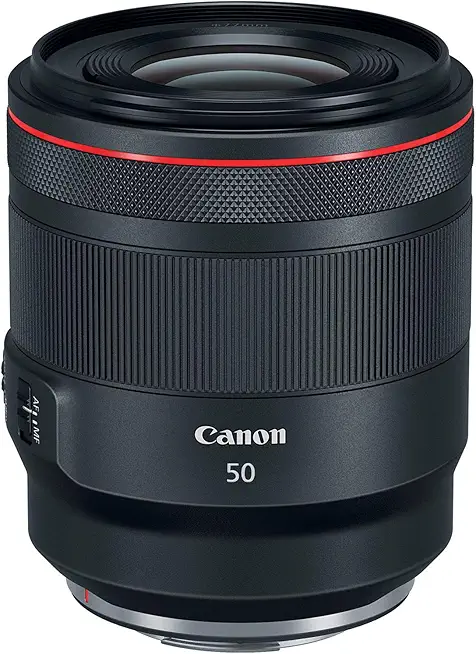
Canon RF 50mm f/1.2 L
Luxury-series optic offering phenomenal sharpness, creamy background separation and cinematic contrast. Responsive focusing, tactile controls and durable sealing give creators confidence for portraits, weddings and high-end commercial photography.
Check PriceI’ve shot weddings and studio work with the Canon RF 50mm f/1.2 L, and its look is different from the Nikon in a way many portrait shooters love. The Canon tends to give warmer skin tones and a very painterly background separation — files feel rich and a little more “filmic” straight from camera. It’s also extremely sharp where it counts for portraits, so you get great subject detail wide open.
Where it falls short versus the Nikon: it can feel front-heavy on smaller bodies and is a big, heavy lens to handle for a full day without support. In some backlit scenes I noticed more character in flares and highlights — beautiful in some images, distracting in others — whereas the Nikon’s coatings held up a bit more neutrally for me. It’s also pricey, so you’re paying for that Canon look and build.
If you shoot on Canon R bodies and want that warm, punchy portrait style — especially for weddings, editorial, or high-end commercial work — the RF 50mm f/1.2 L is a top pick. If you prefer a more neutral rendering or want slightly easier balance on a smaller body, the Nikon may suit you better.
Alternative 3:
Canon RF 50mm f/1.2 L
Exceptional low-light master with a wide aperture, delivering rich micro-contrast and painterly bokeh. Fast, accurate autofocus, customizable control ring and rugged construction built for demanding professional workflows.
Check PriceUsing the Canon RF 50mm f/1.2 L for low-light editorial work showed me how reliable its autofocus and low-light exposure feel. The lens pulls detail out of dim scenes and the micro-contrast gives images a three-dimensional quality that works great for portraits and moody environmental shots. The control ring is handy in the field for quick exposure or ISO tweaks without digging into menus.
Compared to the Nikon Z 50mm f/1.2 S, this Canon often produces richer midtones and a slightly softer falloff in the background — many clients called it more flattering for skin. The trade-offs are the same: bigger, heavier package and a price tag to match. Also, on some subjects I found the Canon’s bokeh rendering could get a touch “busy” in specular backgrounds where the Nikon stayed a bit calmer.
Pick this Canon if you need a low-light specialist with a tactile control layout and you shoot mostly on RF bodies. It’s a great fit for pro shooters who want that specific Canon look and don’t mind the weight. If you want a more neutral, slightly cleaner background rendering, or you’re committed to Nikon Z, then the Nikon remains the better match.
What People Ask Most
Is the Nikon Z 50mm f/1.2 S worth buying?
Yes — if you want top-tier sharpness, creamy bokeh and strong low‑light performance, it’s worth it for pros or serious enthusiasts; casual shooters may find it pricey and heavy.
How sharp is the Nikon Z 50mm f/1.2 S at f/1.2?
Very sharp in the center at f/1.2, with softer edges that improve noticeably when you stop down to f/1.4–f/2.
Is the Nikon Z 50mm f/1.2 S good for portraits?
Yes — the fast f/1.2 aperture and smooth bokeh give excellent subject isolation and flattering background blur for portraits.
Does the Nikon Z 50mm f/1.2 S have image stabilization?
No, the lens has no optical VR; you should rely on in‑body image stabilization in Z cameras or use faster shutter speeds.
Is the Nikon Z 50mm f/1.2 S weather-sealed?
Yes, it features dust- and moisture-resistant sealing and a gasketed mount for reliable outdoor use.
How well does autofocus perform on the Nikon Z 50mm f/1.2 S in low light?
Autofocus is fast and accurate in low light on modern Z bodies, though in extremely dim scenes it can occasionally hunt.
Conclusion
The Nikon Z 50mm f/1.2 S is a lens that earns its place on serious Z shooters’ cameras thanks to its striking subject separation, pleasing bokeh and strong flare control. In real-world use it delivers confident AF, neutral color rendering and the kind of micro-contrast that makes portraits and editorial work sing.
It isn’t a compact option; the ~1,090 g, 88 x 146 mm footprint is noticeable after a long shoot and rewards a solid grip or support. I found it balances well on mid-sized Z bodies but handheld shooting for full days can lead to fatigue. Relying on in-body stabilization is fine on modern Z cameras, but worth planning for if you frequently shoot unsupported.
Against Sony, Canon and Sigma rivals it stands out for system integration and a restrained, professional rendering that many will prefer. If you’re chasing a warmer or creamier signature, or a lower-cost tradeoff, alternatives are worth a close look.
Bottom line: buy it if you shoot on Nikon Z, want the shallowest depth of field with dependable AF and need pro-level weather resistance. Pass if you prioritize in-lens stabilization, the lightest possible travel setup, or a radically different bokeh character at a lower price.
Nikon Z 50mm f/1.2 S
Flagship large-aperture prime delivering exquisite sharpness, velvety bokeh and excellent low-light performance. Precision autofocus, premium optics and weather-sealed construction make it ideal for portraits and editorial work.
Check Price


0 Comments