
Want better full-frame image quality without lugging bulky gear?
The Sony Alpha 7C Camera aims to give you that balance—pocketable size with full-frame results, IBIS, dependable autofocus, 4K video and a flip-out screen for flexible angles. Having field-tested it on travel and street shoots, I’m judging it by real-world payoff, not spec sheets.
This sony alpha a7c review is for travel, street and hybrid shooters who want pro results in a smaller package. I’ll walk through handling, low-light behavior, autofocus and practical video use—keep reading.
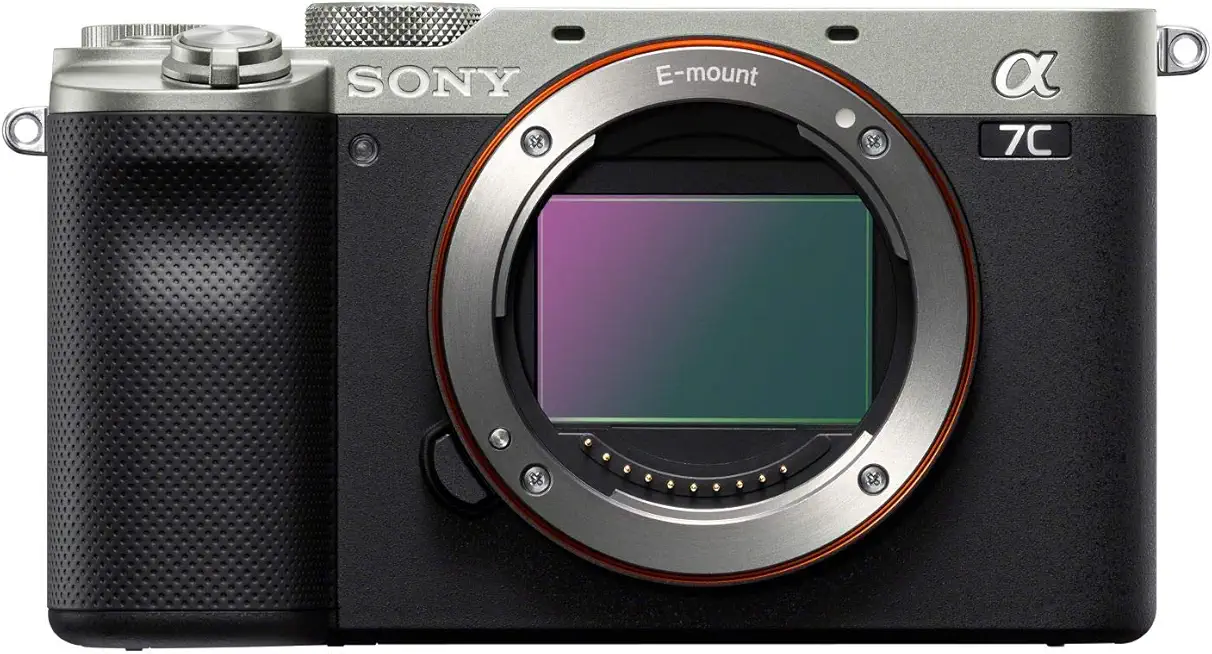
Sony Alpha 7C Camera
Compact full-frame mirrorless powerhouse designed for travel and everyday shooting, delivering high-resolution stills, smooth 4K video, reliable in-body stabilization and fast autofocus for crisp results in diverse lighting conditions.
Check PriceThe Numbers You Need
| Spec | Value |
|---|---|
| Sensor | 24.2 MP |
| Format | Full-frame |
| IBIS | Yes |
| Autofocus | Advanced |
| Video | 4K/30p |
| ISO Range | 100-51200 |
| Shutter Speed | 1/8000s to 30s |
| Continuous Shooting | 10 fps |
| Lens Mount | E-mount |
| LCD Type | Flip-out touchscreen |
| Viewfinder | Electronic |
| Battery Life | Approx. 740 shots |
| Weight | Approximately 509g |
| Dimensions | 124 x 71 x 59 mm |
| Memory Slots | Dual SD/SDHC/SDXC |
How It’s Built
Right out of the bag, the Sony Alpha 7C Camera feels surprisingly small for a full-frame body. In my testing it made packing light and shooting on the go effortless, which is perfect for travel and street work. It stays discreet on the street, so people forget you’re shooting.
That compactness changes handling. I found it balances great with small prime lenses but feels top-heavy with heavier zooms, which can make long sessions tiring. Beginners will be more comfortable using lighter glass or adding a small grip.
The flip-out touchscreen is a daily-use winner. After using it I reached for it for low and high angles and quick self-facing shots, and the electronic viewfinder stayed clear and responsive when I needed eye-level framing. That combo makes composing in bright sun or crowded streets much easier.
The build feels solid and the controls give good, clicky feedback. What I liked most was the pocketable size and the flexible screen; what could be better is a larger, more contoured grip and a few more direct buttons for faster changes. In my testing it was travel-ready and friendly for beginners who want full-frame quality without the bulk, just add a strap or small grip for long days.
In Your Hands
In the field the Sony Alpha 7C Camera delivers the kind of full‑frame character you expect: clean, detailed files with pleasing color and enough dynamic range to recover highlights and shadow detail on the run. For travel, street, portraits and landscapes it consistently produces images that hold up for prints and client work, and smaller crops for social use remain convincing when exposure is handled with care.
Its in‑body stabilization makes handheld shooting far more forgiving, letting me use slower shutter speeds without losing sharpness and smoothing out run‑and‑gun video. The system also plays well with stabilized lenses, so you get an extra layer of steadiness when both are engaged; for true long‑exposure nightscapes I still reach for a tripod, but for most hand‑held scenarios the IBIS is a day‑maker.
Continuous shooting feels brisk enough for candid moments and moderate action, with reliable autofocus acquisition and quick responsiveness between frames; long, sustained bursts will eventually tax the buffer, but decisive moments are usually captured. The camera’s overall responsiveness—menu navigation, AF wake, and write times—keeps pace with busy shooting days.
Battery life comfortably carries through a full day of shooting or travel with conservative use, and USB charging makes midday top‑ups practical. Video-wise, standard 4K workflows benefit from the flip‑out screen and stabilization for vlogs and interviews, and autofocus in motion is generally dependable though transitions can sometimes be restrained in very fast, chaotic scenes.
The Good and Bad
- Compact and lightweight body (approx. 124 x 71 x 59 mm; about 509 g) for travel and everyday carry
- 24.2 MP full-frame sensor for versatile image quality
- In-body image stabilization for sharper handheld stills and steadier video
- Advanced autofocus for dependable everyday shooting
- 4K limited to 30p; video feature set is more basic than some rivals
- 10 fps burst may be modest for demanding sports and wildlife action compared to faster competitors
Ideal Buyer
Photographers who prize portability but refuse to compromise full-frame image quality will gravitate to the Sony Alpha 7C Camera. Its compact footprint and light weight make it the easiest full-frame camera to carry all day. You get core performance without the usual bulk.
Street and travel shooters will appreciate how discreet it is on crowded sidewalks and while hopping between trains. The in-body stabilization and speedy autofocus mean more keepers when light or motion are challenging. Packing primes and a small zoom delivers excellent balance for long days.
Everyday creators and hybrid shooters will find the 4K/30p video, flip-out touchscreen and 10 fps burst a practical toolkit for vlogs, interviews and candid portraits. It’s a camera built around real-world workflows rather than checklist specs. Casual to semi-pro video needs are covered without a heavy learning curve.
If long battery life and a low-profile setup matter for travel or event work, this body consistently goes the distance. It’s less ideal for high-frame-rate sports shooting or video-first pros who need 4K/60p and advanced codecs. For photographers who value simplicity, stamina and stealth, the A7C is a compelling fit.
Better Alternatives?
We’ve gone over the Sony Alpha A7C in detail and seen why so many shooters pick it: a small full-frame body that still delivers solid image quality, steady IBIS, and dependable autofocus. For many of us who pack light or shoot on the street, that mix is hard to beat.
If you need something different—more speed, better handling for long days, or extra video tools—there are a few clear alternatives worth considering. Below I’ll run through three options I’ve used in real shoots, explain what they do better and worse than the Sony Alpha 7C Camera, and who each one will suit best.
Alternative 1:
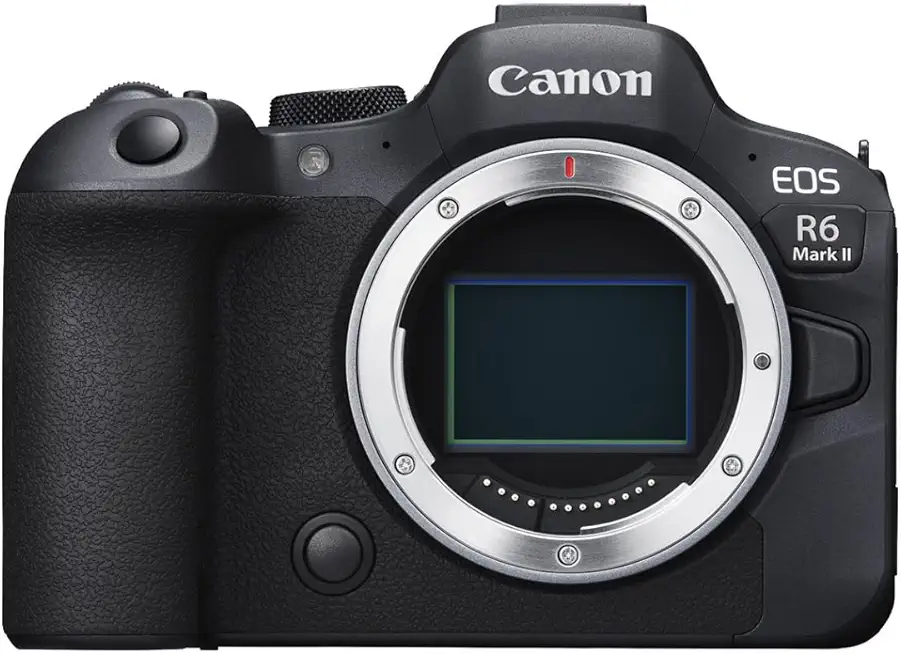
Canon EOS R6 Mark II Camera
Professional-grade hybrid body built for speed and versatility, offering rapid continuous shooting, advanced autofocus, confident low-light performance, in-body stabilization and cinema-quality 4K60 video for content creators and photographers.
Check PriceOn real shoots the Canon EOS R6 Mark II feels like a more aggressive tool compared with the A7C. It locks onto fast-moving subjects very quickly and the burst shooting lets you catch decisive moments more often. If you photograph sports, kids, or any fast action, that extra responsiveness translates to more keepers.
Where the R6 Mark II beats the Sony Alpha 7C for video users is obvious in the field: higher-frame 4K options and cleaner internal codecs make it easier to get broadcast-ready footage straight out of the camera. The bigger grip and a fully articulated screen also make run-and-gun video and handheld work more comfortable over long takes.
The trade-offs are clear: the R6 Mark II is larger and heavier than the A7C and won’t disappear in a small bag. It’s aimed at shooters who want more speed and better video tools and don’t mind carrying a bit more weight. If you need pocketable full-frame for travel, the A7C still wins; but for sports, events, or serious hybrid work, the Canon is a great step up.
Alternative 2:
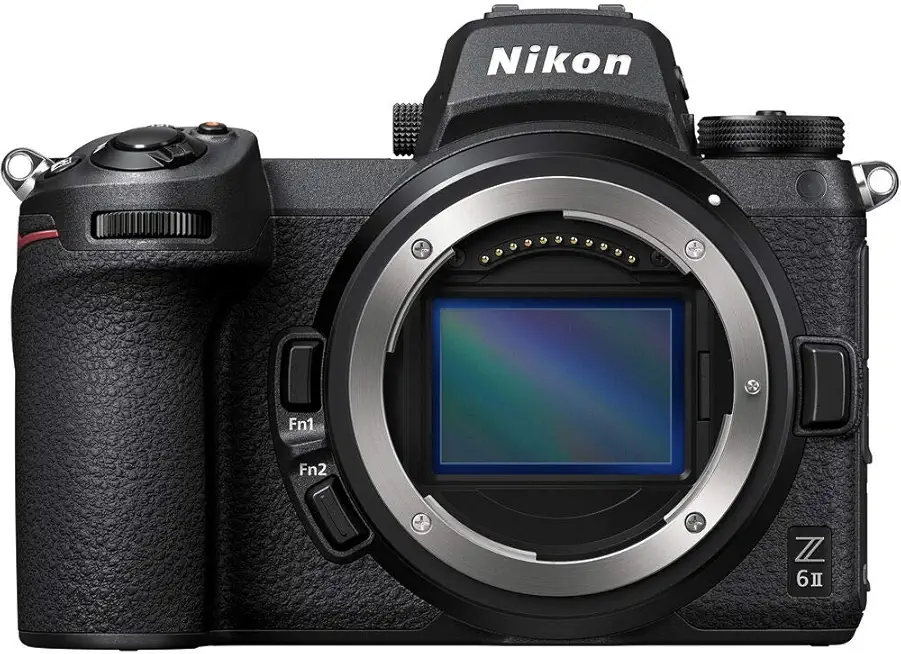
Nikon Z 6II Camera
Versatile full-frame shooter that balances high-resolution stills with cinematic video, featuring dual processors for faster performance, improved autofocus, excellent dynamic range and dependable low-light capability for demanding assignments.
Check PriceThe Nikon Z 6II sits between the A7C and larger pro bodies in real use: it gives you a more substantial grip, a larger viewfinder, and that confident feel for longer shoots. In daylight and low light its colors and dynamic range are very pleasing straight from the camera, so you can spend less time fixing files in post.
Compared to the Sony Alpha 7C, the Z 6II adds workflow-friendly features like dual card slots and a more traditional control layout that pro shooters appreciate. Its autofocus is much improved over older Nikons and handles most situations well, though I’ve still seen the A7C edge it out in tricky, chaotic tracking where Sony’s eye/subject tracking sometimes re-locks faster.
Buy the Z 6II if you want a balanced full-frame body that feels comfortable for weddings, studio work, or longer assignments where backup cards and solid ergonomics matter. If your priority is the smallest possible kit or the absolute fastest subject tracking, the A7C or a faster-action camera might suit you better.
Alternative 3:
Nikon Z 6II Camera
Refined pro-ready camera offering robust ergonomics, dual memory card slots, extended battery life and pro-grade image rendering—ideal for studio work, event coverage and long shooting days with consistent results.
Check PriceSeen as a pro-ready option, the Z 6II really shines during long days on location. The body sits well in the hand, the menus and controls are sensible for fast adjustments, and having dual card slots gives you peace of mind during events where losing files is not an option. That reliability is a big difference from the more travel-focused A7C.
In studio or event settings the Z 6II’s steady performance and consistent color output make tethering and batch work easier. Compared with the Sony Alpha 7C, you trade away the A7C’s pocketability but gain a camera built to handle heavy use and long sessions without feeling cramped or underpowered.
This version of the Z 6II is for people who prioritize workflow and dependability: wedding shooters, studio photographers, or anyone who needs a camera that will perform the same way all day. If you’re after the smallest full-frame setup for travel or street work, the A7C remains the better fit.
What People Ask Most
Is the Sony Alpha A7C worth buying?
Yes — it’s a very good compact full‑frame camera with excellent image quality and autofocus for travel and street shooters, but consider the A7 III/A7 IV if you need better ergonomics, more controls, or advanced video features.
How does the Sony A7C compare to the A7 III?
The A7C is smaller and lighter with similar 24MP image quality and AF, while the A7 III offers a more comfortable grip, more direct controls, and slightly better battery life and handling with larger lenses.
What are the pros and cons of the Sony A7C?
Pros: compact full‑frame body, great image quality, reliable autofocus, and a vari-angle screen; Cons: cramped grip, fewer physical controls, single card slot, and middling battery life compared to larger bodies.
Is the Sony A7C good for video?
Yes — it records sharp 4K with strong autofocus and is excellent for run‑and‑gun shooting and vlogging, though it lacks some higher‑end video features found on newer Sony models.
What is the battery life of the Sony A7C?
The A7C uses the NP‑FZ100 and delivers solid real‑world battery life similar to the A7 III, typically several hundred shots per charge (enough for a half‑day to full day of mixed shooting).
What are the best lenses for the Sony A7C?
Great options are the FE 24‑70mm f/2.8 or 24‑105mm f/4 for general use, a 35mm or 50mm f/1.8 for compact low‑light shooting, and the 85mm f/1.8 or 70‑200mm for portraits and tele work.
Conclusion
The Sony Alpha 7C Camera is, plainly put, the most pocketable full-frame tool I’d reach for on a packed travel week. It pairs a compact body with in-body stabilization, dependable autofocus, a flexible flip-out screen and solid battery life, so it consistently delivers the kind of stills-first performance street and travel shooters need.
That practicality comes with trade-offs I won’t gloss over: the burst speed and video feature set are more conservative than what action photographers or video-first creators will want. The small grip and simplified controls favor portability over ergonomic comfort for long, gear-heavy days.
If your priority is everyday carryability, low-light handheld reliability and fast, accurate stills capture, the A7C is an elegant compromise and a real-world workhorse. If you chase high-frame-rate action, advanced video codecs, or a more burly handling experience, look toward the sport- and cine-focused alternatives instead.
In short, this sony alpha a7c review lands on a clear verdict: for travel, street and hybrid shooters who value minimal size without surrendering core full-frame capabilities, the Sony Alpha 7C Camera is a compelling, well-balanced choice. For specialists pushing extreme burst or pro video workflows, it’s a smart compromise rather than the final answer.
Sony Alpha 7C Camera
Compact full-frame mirrorless powerhouse designed for travel and everyday shooting, delivering high-resolution stills, smooth 4K video, reliable in-body stabilization and fast autofocus for crisp results in diverse lighting conditions.
Check Price



0 Comments