
Want to lift your image quality and shoot better video with one camera?
If so, this practical, field-tested Sony Alpha 7 IV Camera review is aimed at photographers and hybrid creators, and I’ve used it on real shoots.
See how its high-res sensor, IBIS, Eye AF, 4K/60 video and burst speed help portrait, event, travel and hybrid shooters.
The review covers handling, autofocus, speed, battery/media, image quality and real-world comparisons — Make sure to read the entire review as I unpack the tradeoffs that matter, keep reading.
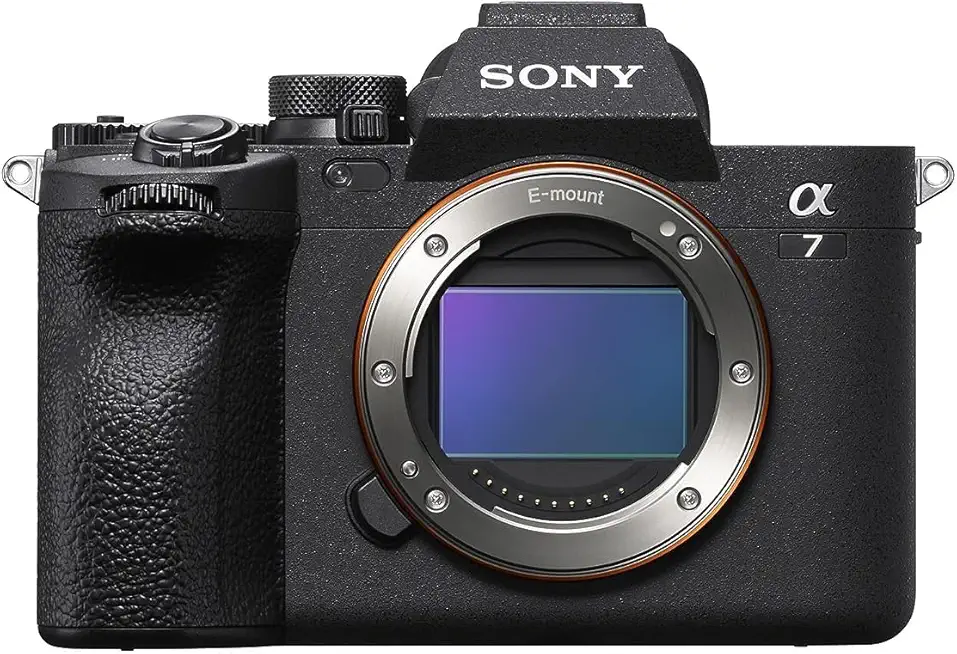
Sony Alpha 7 IV Camera
Versatile full-frame mirrorless hybrid delivering high-resolution stills and smooth 4K video, advanced autofocus with real-time tracking, excellent low-light performance, and professional connectivity for seamless shooting and fast post-production workflow.
Check PriceThe Numbers You Need
| Spec | Value |
|---|---|
| Sensor | 33 MP |
| Lens Mount | E-mount |
| Image Stabilization | 5-axis IBIS |
| Autofocus | Real-time Eye AF |
| Video Resolution | 4K @ 60fps |
| Continuous Shooting | 10 fps |
| ISO Range | 100-32000 (expandable) |
| LCD Screen | 3-inch Touchscreen |
| Viewfinder | Electronic |
| Memory Slots | Dual SD/CFexpress Type A |
| Connectivity | USB-C, HDMI, Wi‑Fi |
| Battery Life | Approx. 580 shots |
| Weight | Approx. 658g |
| Body Material | Weather-sealed |
| Shutter Speed | 1/8000s to 30s |
How It’s Built
In my testing the Sony Alpha 7 IV Camera feels substantial without being cumbersome. The weather-sealed body gave me real confidence shooting in mist and dusty locations, so I didn’t baby it on wet mornings. That translates to more shooting and less worrying when the weather turns.
The touchscreen is responsive and easy to use for focus and playback, which is great when you want to fix a shot quickly. The electronic viewfinder stayed usable in bright light, and switching between EVF and the rear screen felt natural in the field. Beginners will appreciate how touch controls speed up common tasks.
I liked that Sony built in dual card slots and modern ports — in practice I used one card as a backup and the other for heavy video files, which simplified my workflow. USB-C, HDMI, and Wi‑Fi worked well for tethering and quick transfers on location, and HDMI let me run an external monitor without fuss. For newcomers, the dual-slot setup is easy insurance against lost files.
Overall the camera’s construction felt reliable and the shutter behaved cleanly for both action and long exposures. One thing I really liked was the solid, confidence-inspiring build and control layout; one thing that could be better is the grip with very heavy lenses, so plan to add a sturdy strap or an L-plate for long days.
In Your Hands
With the Sony Alpha 7 IV, handling feels immediate—startup is brisk, controls fall to hand, and customizable dials let you tweak exposure and drive settings on the fly. Menus are deep but practical, so switching modes during fast-paced work doesn’t slow you down.
Autofocus gives you confidence for portraits, street, and run-and-gun work; Real-time Eye AF locks onto faces and animals with steady accuracy as they move. Tricky lighting or rapid face changes can demand a quick nudge, but the system usually holds the decisive moment.
Burst shooting suits events and action—timing still matters, but the camera hands you a usable sequence of frames when moments peak. Use short bursts and pre-focus discipline to raise keeper rates.
In-body stabilization lets you handhold in lower light with more confidence, reducing blur for stills and smoothing motion for video. That steadiness lets you keep sensitivity lower for cleaner files.
Video is a strong suit: high-resolution video and higher-frame-rate options make interviews and b-roll practical on location, though heat and power need watching for long takes. HDMI output is clean and easy to tie into monitors and recorders for pro setups.
USB-C tethering and studio charging plus quick Wi‑Fi transfers make on-site delivery efficient. Overall, the A7 IV is a capable, weather-sealed hybrid for portrait, wedding, travel, and creator work where reliable AF, stabilization, and media flexibility matter.
The Good and Bad
- 33 MP full-frame sensor offers strong detail and cropping flexibility
- 5-axis IBIS enhances handheld stills and video stability
- Real-time Eye AF for reliable subject detection for people and animals
- Dual SD/CFexpress Type A slots enable robust, flexible media workflows
- Rivals can outperform in high-speed action and blackout-free burst experiences
- Video-first bodies may provide more cinema-oriented codecs, options, and value
Ideal Buyer
The Sony Alpha 7 IV Camera is for shooters who want one body to do it all — a 33MP stills workhorse that doesn’t skimp on 4K/60 video. If you need high-resolution files for prints and the flexibility to capture cinematic clips without swapping gear, this is the sweet spot.
Portrait, event, travel and documentary photographers will appreciate the robust combo of IBIS, Real-time Eye AF and dual SD/CFexpress slots. Those features mean tack-sharp portraits, reliable tracking in fast-paced moments, and a safety net for irreplaceable wedding or client work.
Hybrid creators who flip between stills and video value the A7 IV’s responsive controls and modern connectivity — USB‑C, HDMI and onboard Wi‑Fi speed delivery. The 10 fps bursts, 5-axis stabilization and solid battery life keep you shooting through interviews, b-roll and decisive action.
If you prioritize weather sealing and a manageable body weight for full-day carry, this camera feels purpose-built. It’s also a great match for photographers who want a single platform that scales from studio portraiture to sweaty festivals. If your work leans exclusively toward extreme action or cinema-grade codecs, consider testing rivals first, but for most pros the A7 IV is a balanced, field-ready choice.
Better Alternatives?
We’ve spent a lot of time with the Sony A7 IV and covered what makes it such a strong all-around camera: great image quality, solid IBIS, reliable Eye AF, and useful video features. But no camera is perfect for every job, and I know from shooting weddings, sports, studio work, and run-and-gun video that different bodies shine in different real-world situations.
Below are three practical alternatives I’ve used in the field. For each one I’ll tell you what they do better and where they fall short compared with the A7 IV, and who I’d recommend each for. This is hands-on advice — not a spec fight — so you can pick the body that fits your shooting style.
Alternative 1:
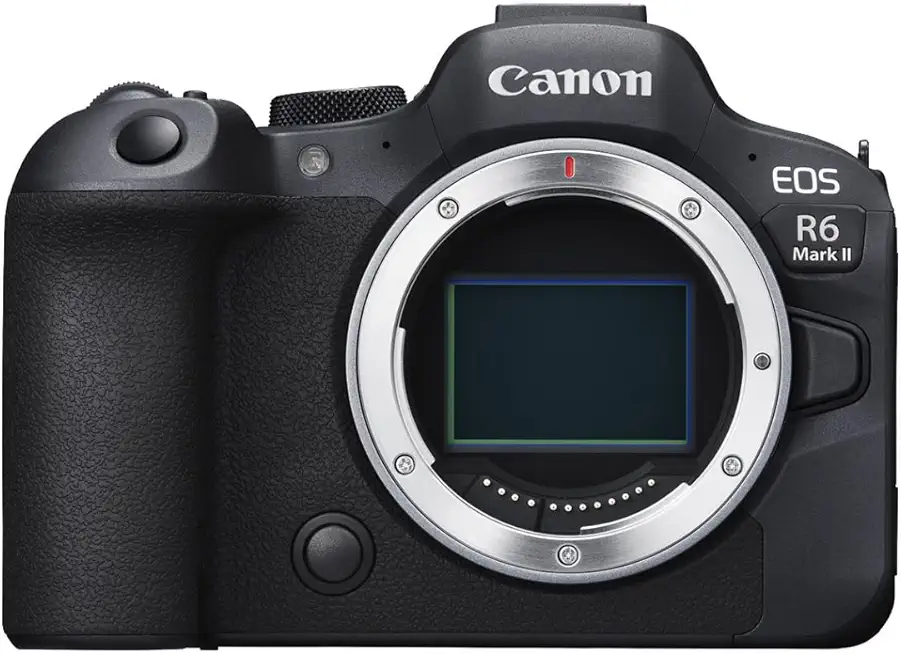
Canon EOS R6 Mark II Camera
High-speed mirrorless body built for action and low-light work, offering blazing burst rates, impressive in-body stabilization, reliable subject-detect autofocus, and versatile 4K video options for creators and pros.
Check PriceHaving used the R6 Mark II on sports days and fast-paced weddings, its real strength over the A7 IV is speed and tracking feel. The burst shooting and electronic blackout-free shooting make it easier to nail split-second moments, and Canon’s subject-detect AF often locks onto faces and animals in a way that feels very natural when subjects are moving around a lot.
Where it’s weaker than the A7 IV is resolution and flexibility for big crops. The Canon’s files generally clean up nicely at high ISO and the color straight out of camera is often more pleasing for portraits, but you trade away some of the extra detail and crop headroom that the A7 IV’s higher-megapixel sensor gives you.
If you shoot a lot of sports, events, or weddings where catching the decisive moment and getting pleasing JPEGs fast matters, the R6 Mark II is a great pick. If you need maximum resolution for big prints or heavy cropping, you’ll probably stick with the A7 IV.
Alternative 2:
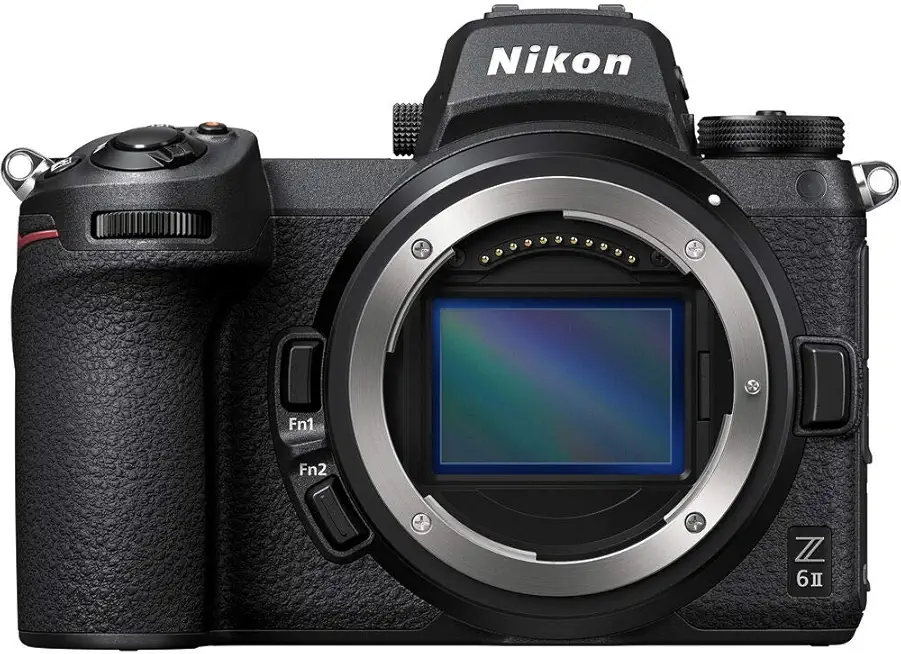
Nikon Z 6II Camera
Balanced full-frame hybrid engineered for photographers and filmmakers, featuring dual processors for faster performance, enhanced autofocus, robust low-light capability, 4K video capture, and dual memory card slots for reliable workflow.
Check PriceThe Nikon Z6 II is one I reach for when I need a comfortable body for long days and very reliable image quality. The handling and button layout make it easy to keep shooting all day, and its color and skin tones are very pleasant straight away — I spend less time fixing tones in post compared to some Sony files.
Compared to the A7 IV you’ll notice the Z6 II gives you cleaner, simpler files at higher ISOs because of the lower pixel density, but you also lose some sharpness and cropping room. Its autofocus is solid for most shoots, but when subjects are wildly erratic or you need the absolute highest tracking success, Sony’s real-time tracking can feel a touch more aggressive and reliable.
Choose the Z6 II if you value comfort, dependable color, and a no-fuss shooting day — studio portrait artists, travel photographers who want long sessions, and people who prefer an easier post workflow will like it. If you need the extra detail or the latest AF behaviors for fast action, the A7 IV remains the better fit.
Alternative 3:
Nikon Z 6II Camera
Exceptional image quality with rich dynamic range, refined ergonomics, and quiet operation ideal for studio and run-and-gun shoots; fast frame rates, dependable autofocus, and seamless tethering make workflow efficient.
Check PriceUsed as a studio or tethered camera, the Z6 II’s quiet shutter and smooth handling really stand out. It feels less fussy when you’re plugged into a laptop or shooting long product and portrait sessions — the workflow is simple and it behaves predictably under constant use.
Versus the A7 IV it can be quieter and more comfortable for long, controlled shoots, and its files have a pleasing dynamic range that makes retouching straightforward. But you’ll miss some of Sony’s hybrid video conveniences and that extra resolution for tight crops. For fast-moving documentary or action jobs, Sony’s AF tools still have an edge.
This version of the Z6 II is my go-to for studio work, commercial shoots, and run-and-gun days where quiet operation and a steady tethered workflow matter. If your work needs the most flexible hybrid video tools or the highest pixel count, the A7 IV may still be the better all-in-one choice.
What People Ask Most
Is the Sony Alpha 7 IV worth buying?
Yes — it’s a strong hybrid camera offering higher resolution, much better video and AF than previous models, so it’s worth it if you shoot both stills and video; if you only need basic stills, the A7 III can still save money.
How does the Sony A7 IV compare to the A7 III?
The A7 IV upgrades to a 33MP sensor, improved autofocus, 10‑bit internal video, a vari-angle screen, and faster processing, making it a clear hybrid-focused step up from the A7 III.
Is the Sony A7 IV good for video and vloggers?
Yes — it shoots internal 10‑bit 4:2:2, offers 4K up to 60p, a fully articulating screen, and mic/headphone ports, so it’s excellent for vloggers and video creators.
How is the autofocus performance on the Sony A7 IV?
Autofocus is class-leading with fast subject detection, reliable real-time tracking and excellent eye AF for people and animals, noticeably better than the A7 III.
What is the battery life of the Sony A7 IV?
Battery life is similar to other recent Sony full‑frame bodies using the NP‑FZ100 — roughly 500–600 shots per charge in typical use, so bring a spare for long shoots.
Does the Sony A7 IV overheat during extended 4K recording?
Generally no for 4K30 setups, but long 4K60/10‑bit high‑bitrate recording can heat the camera over extended takes, so plan shorter clips or use breaks/external cooling for marathon sessions.
Conclusion
The Sony Alpha 7 IV Camera is a versatile 33 MP hybrid full‑frame workhorse with five‑axis IBIS, real‑time Eye AF, 4K/60 video, 10 fps bursts, dual card slots, robust connectivity and weather sealing. In practice it blends high resolution with practical handling for stills and video. I found it reliably capable across portraits, events, travel and hybrid shoots.
Its strengths are clear: sharp files that crop well, stabilisation that keeps handheld work usable, and autofocus that locks eyes with impressive consistency. Video options and ports make it a genuine hybrid tool without feeling compromised. Battery life and ergonomics support long days in the field.
There are tradeoffs — rivals edge it for blackout‑free burst speed, certain AF behaviors, and some filmmakers will prefer bodies with more cinema‑first codecs or better value. If decisive sports or action work is your focus, consider the Canon R6 II. If cleaner high‑ISO performance or different color rendering matters, the Nikon Z6 II or Panasonic S5 II are worthy alternatives.
For most working photographers and hybrid creators the Sony Alpha 7 IV Camera is the best single‑body compromise I’ve used: balanced, capable and future‑proof. Still, I recommend a hands‑on run with your usual lenses, media and editing workflow before buying. That quick test will show whether its strengths fit your real‑world needs.
Sony Alpha 7 IV Camera
Versatile full-frame mirrorless hybrid delivering high-resolution stills and smooth 4K video, advanced autofocus with real-time tracking, excellent low-light performance, and professional connectivity for seamless shooting and fast post-production workflow.
Check Price



0 Comments