

Want to improve your image quality without lugging a big camera?
If you’re weighing compact APS-C options, this sony alpha 6500 review looks at how the Sony Alpha a6500 Camera handles real-world shooting — stabilization, speed, and hybrid video.
I’ve field-tested it across street, travel, and action shoots to see what truly matters in practice.
It’s best for travel, street, and hybrid creators who need steady handheld results and reliable speed.
Expect useful payoffs from in-body stabilization, fast continuous shooting, 4K capture, and a tilting touch screen.
There are trade-offs — partial weather resistance, a single SD slot, and modest battery life that shape real-world workflows.
Make sure to read the entire review as I break down handling, image quality, and when this compact tool is the smart choice — keep reading.

Sony Alpha a6500 Camera
A compact APS-C mirrorless designed for fast-paced shooting, combining snappy autofocus, 5-axis image stabilization, and responsive continuous burst for sharp action and reliable low-light performance in a travel-friendly chassis.
Check PriceThe Numbers You Need
| Spec | Value |
|---|---|
| Sensor | 24.2 MP APS-C CMOS |
| Autofocus | Fast hybrid autofocus (phase/contrast detect) |
| Stabilization | 5-axis in-body image stabilization |
| Continuous shooting | 11 fps with autofocus |
| Shutter speed | 1/4000 s max, electronic up to 1/32000 s |
| ISO range | 100–51200 (expandable to 51200) |
| Video | 4K internal recording |
| Viewfinder | 2.36M-dot OLED electronic viewfinder |
| LCD | 3.0″ tilting touch LCD |
| Silent shooting | Yes |
| Wireless | Wi-Fi, NFC |
| Weather sealing | Partial (dust/moisture resistant) |
| Weight | 453 g (with battery and card) |
| Card slot | Single UHS-I SD |
| Battery life | 310 shots (CIPA) |
| Lens mount | Sony E-mount |
How It’s Built
In my testing the Sony Alpha a6500 Camera feels like a pocketable workhorse the moment you pick it up. The body is compact and light, so it never gets in the way on long walks or crowded streets. It balances beautifully with small primes, though heavier zooms can pull the front and make the grip feel a bit shallow.
The viewfinder is clear and bright, which really helped when I was manually focusing or composing in tricky light. The physical buttons and dials sit where my fingers expect them, so changing settings feels quick and natural. Menu navigation is logical, but the touch controls don’t run the whole menu, so you still need to learn the buttons.
The tilting touch LCD is a real plus for low and high angles and the touch focus is fast when you need it. It’s not a fully articulating screen, so front-facing video or vlogging setups are a little limited. For stills and run-and-gun shooting it’s very handy, especially when you’re crouched or shooting over crowds.
Build-wise the camera shrugged off light rain and dusty streets during shoots, but it’s not meant for full-on storms. There’s only a single SD card slot, so I was careful about backups and offloading after long bursts. Wireless tools like Wi‑Fi and NFC saved time when I wanted to send a quick image to my phone for client review.
One thing I really liked was how easy it is to carry and work with all day. One thing that could be better is the grip for extended shoots with big lenses—an add-on helps. For beginners this means a friendly, portable body that asks for simple habits: a spare battery and a solid card workflow.
In Your Hands
The a6500 feels brisk in use, with a continuous-shooting character that locks on subjects quickly and keeps up with the unpredictable pace of street and casual action work. The mechanical shutter is reassuringly tactile for most shoots, while the electronic/silent option is a game changer for discreet environments — just be mindful of rolling-shutter behavior in extreme pans.
Sony’s in-body stabilization turns handheld low-light shooting from a gamble into a workable option, especially with fast primes and balanced zooms that pair well with the body. You’ll recover usable shots at slower shutter speeds than you’d expect and enjoy noticeably steadier video without relying solely on lenses.
Battery life is manageable for a day of mixed shooting if you stagger power use and lean on airplane mode or intermittent Wi‑Fi; bringing a spare battery is a pragmatic habit rather than an afterthought. Wireless transfer and remote control work reliably for quick selects and social sharing, though bulk offloads still favor a tethered workflow.
Internal 4K recording is genuinely useful for run-and-gun creators, with IBIS and touch-driven focusing making handheld clips smoother and easier to frame. Touch responsiveness on the tilting screen accelerates subject swaps, but the tilt design limits some vlogging angles compared with fully articulating displays.
In practice the single card slot shapes how you shoot: clear bursts and manage cards deliberately since there’s no in-camera redundancy. Ergonomically, the compact grip is comfortable for long walks with lighter lenses, though heavier glass nudges you to rebalance or add a thumb rest for extended sessions.
The Good and Bad
- 5-axis in-body image stabilization for steadier handheld stills and video
- 11 fps with autofocus for action and candid moments
- 4K internal recording for hybrid creators
- 2.36M-dot OLED EVF and tilting touch LCD for flexible viewing and control
- Single UHS-I SD card slot (no in-camera redundancy)
- Battery life rated at 310 shots; plan for spares
Ideal Buyer
The Sony Alpha a6500 Camera is perfect for photographers who want a pocketable APS-C body that still feels professional. Its 24.2MP sensor and five-axis IBIS let you punch above its weight for travel, street and everyday shooting. If you value compact handling without sacrificing image steadiness, this is your tool.
Street and candid shooters will love 11 fps with continuous AF in such a small package. Silent shooting and fast acquisition make it easy to capture fleeting moments without calling attention. You get action-ready performance without the heft of a pro body.
Hybrid creators who shoot both stills and 4K video benefit from internal 4K recording, touch-driven focus control and the tilting LCD. IBIS smooths handheld footage and helps salvage slower-shutter stills in low light. Just plan for one UHS-I card and at least one spare battery for full-day work.
Choose the a6500 if you’re comfortable managing single-card workflows and carrying battery backups, and if partial dust/moisture resistance suits your shooting environments. If you prize a lighter kit, fast bursts, stabilized handheld video, and compact ergonomics, this camera hits a sweet spot. For photographers who need full weatherproofing or longer runtimes, consider other models.
Better Alternatives?
We’ve dug into the Sony Alpha 6500 review and looked at how it handles everyday shooting — from its fast 11 fps burst to the helpful in-body stabilization and flexible tilt screen. It’s a great small APS-C camera, but depending on what you shoot you might want something with longer battery life, different color rendering, or a different fingertip feel.
Below are a few real-world alternatives I’ve used in the field. I’ll point out what each one does better or worse than the a6500 and the kind of shooter who will like it most.
Alternative 1:

Sony Alpha A6600 Camera
Engineered for extended shooting sessions, this body delivers exceptional battery life, industry-leading real-time autofocus, steady in-body stabilization, and a comfortable grip—ideal for hybrid photographers who demand reliability and professional autofocus performance.
Check PriceHaving shot with the A6600, the first thing you notice is the battery life — it just lasts longer during a full day of work, which means fewer interruptions and fewer spare batteries to carry. Autofocus also feels more modern and confident for run-and-gun shooting; subject tracking and eye-detect are quicker to lock and hold than the a6500 did in my experience. The larger grip makes it easier to handhold big lenses for long stretches.
Where it’s worse than the a6500 is in handheld low‑light without optical lens stabilization: the a6500’s steady feel with certain lenses and its shorter, lighter body sometimes makes it better for nimble street work. The A6600 is a touch heavier and a bit less pocketable. You also trade some of the compactness of the a6500 for the improved battery and grip — so it’s not the best choice if you want the smallest rig possible.
Pick the A6600 if you run long shoots, need better real‑world autofocus for moving subjects, or want a more comfortable grip for long days. If you shoot events, run-and-gun video, or simply hate swapping batteries mid-shoot, this one will feel like an upgrade over the a6500.
Alternative 2:
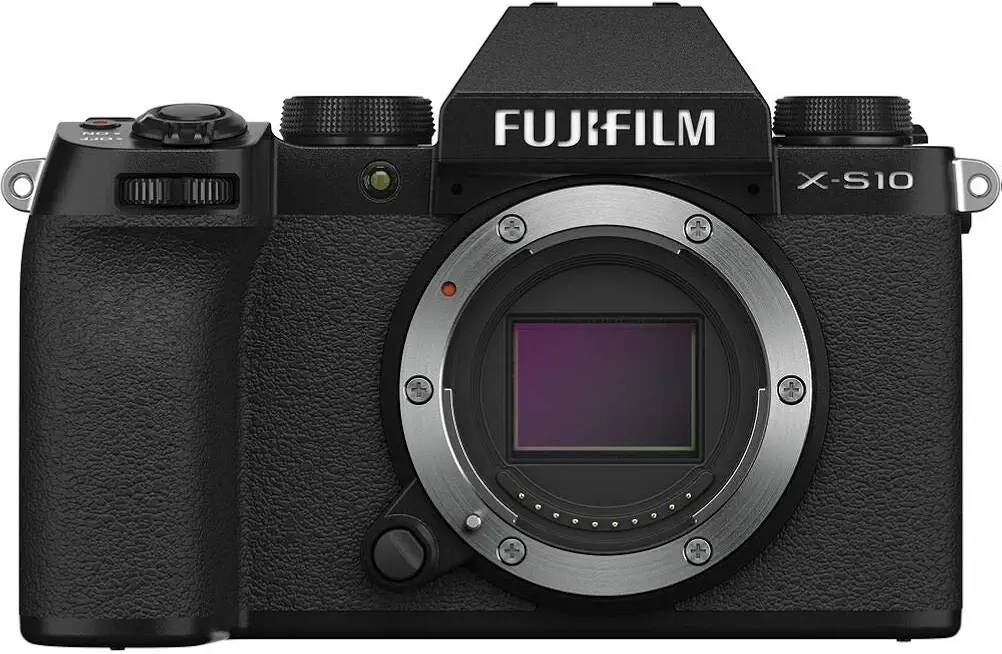
Fujifilm X S10 Camera
Creative-focused hybrid camera offering cinematic color science, smooth in-body stabilization, and a fully articulating touchscreen—perfect for vloggers and photographers seeking film-like tones with modern video flexibility.
Check PriceI’ve used the X‑S10 on trips and small video jobs and its color straight out of the camera is something you notice right away — skin tones and film-simulation looks save time in editing. The in-body stabilization is very usable for handheld shooting, and the fully articulating screen makes framing for vlogs or low/high angles easy. The controls feel satisfying — the dials and grip encourage shooting by feel, which I liked compared to the a6500’s menu-driven approach.
Compared to the a6500, the X‑S10 wins for color and the flip-out screen, but it doesn’t always match Sony for raw AF tracking of very erratic subjects. In fast action or unpredictable street chases, I sometimes trusted the Sony to reacquire focus faster. Also, if you rely on a big selection of native lenses and third‑party options, Sony’s E‑mount still has the edge over Fuji’s line in sheer variety.
This one’s for creators who value color and a friendly handling layout — vloggers, portrait shooters, and travel photographers who want great JPEGs and stable handheld video without a heavy rig. If you want film-like tones straight away and a useful flip screen, the X‑S10 is a strong pick.
Alternative 3:
Fujifilm X S10 Camera
Compact, feature-rich tool blending tactile controls and film-simulation modes with responsive performance and versatile shooting ergonomics—great for creators wanting expressive stills and stable handheld video without bulky gear.
Check PriceUsing the X‑S10 again in a different shoot reminded me how well Fuji balances a tactile shooting style with modern features. The film simulations let you get a finished look in-camera, which speeds up delivery for clients. It’s compact yet feels sturdy, and the stabilization is good enough to walk-and-shoot video without a gimbal in many cases — that’s a real-world win versus the a6500 if you prefer shooting handheld video.
Where it falls short beside the a6500 is in raw autofocus stubbornness in very low light or wildly erratic subjects; Sony’s AF systems still edge out Fuji for those fast, unpredictable moments. Also, if you already own a lot of Sony E lenses, moving to Fuji means thinking about new glass. In short, the X‑S10 trades some tracking speed and lens choice for handling and color.
Choose the X‑S10 again if you want a small, expressive camera that makes photos look great fast and keeps handheld video simple. It’s the kind of tool I’d grab for creative work where look and feel matter as much as outright speed.
What People Ask Most
Is the Sony a6500 worth buying?
Yes — it’s still a strong APS-C camera with fast AF and built-in 5-axis stabilization, especially a great value on the used market.
What is the difference between the Sony a6500 and the a6400?
The a6500 adds 5-axis IBIS and a larger buffer, while the a6400 benefits from newer AF firmware and slightly updated processing but lacks IBIS.
Does the Sony a6500 have in-body image stabilization (IBIS)?
Yes — it has 5-axis in-body image stabilization to help with handheld stills and video.
Is the Sony a6500 good for video?
Yes — it records solid 4K/1080p footage with IBIS and profile options, though it lacks some modern features like internal 10‑bit recording.
How good is the autofocus on the Sony a6500?
Very good — its hybrid AF system with 425 phase-detect points offers fast, reliable tracking for both photos and video.
What is the battery life of the Sony a6500?
Expect roughly 300–350 shots per charge (CIPA); bring at least one spare battery for longer shoots.
Conclusion
The Sony Alpha a6500 Camera is a compact APS-C body that still punches above its weight thanks to in-body stabilization, fast continuous shooting with AF, and internal 4K capture. Its tilting touch LCD and modern connectivity make it a practical tool for run-and-gun photographers, and the EVF and handling feel much more grown-up than the size suggests. In short, it’s a small, capable hybrid for shooters who value agility.
It’s not perfect; the single UHS‑I card slot, modest battery endurance, partial weather resistance and shutter limits force real-world compromises. For many this means carrying spares and leaning on disciplined file management to avoid surprises. Despite those caveats the a6500 delivers a lot of useful performance for its size, and it remains a smart, cost-effective choice for travelers and street shooters.
If you prize longer battery life and newer AF behavior, the a6600 is the sensible upgrade. If you want Fuji’s color and a fully articulating screen, consider the X‑S10, and if pure speed and modern tracking matter most the EOS R7 is worth a look. Choose the a6500 if compactness, stabilization and versatile hybrid shooting outweigh the storage and battery trade-offs and you prefer a smaller, highly capable platform.
Sony Alpha a6500 Camera
A compact APS-C mirrorless designed for fast-paced shooting, combining snappy autofocus, 5-axis image stabilization, and responsive continuous burst for sharp action and reliable low-light performance in a travel-friendly chassis.
Check Price


0 Comments