
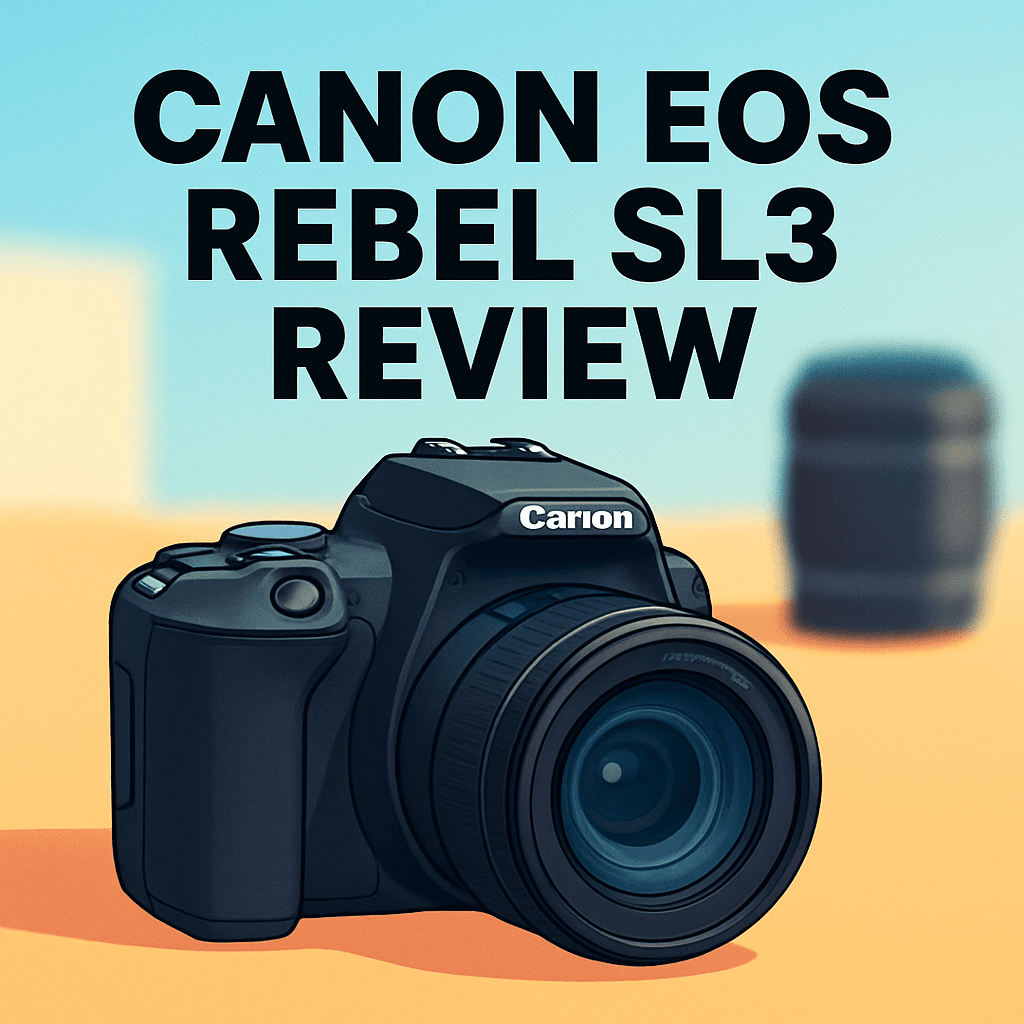
Looking for a concise canon eos rebel sl3 review to decide if it’ll actually raise your image and video quality?
I field-tested the Canon EOS Rebel SL3 Camera across travel, family and quick-action shoots to see how it performs in real situations. If you want a lightweight DSLR that’s easy to carry, reliable for long days and friendly for beginners, you’ll find the answers here.
I’ll walk through handling, autofocus, image and video results, battery life and portability, showing real-world payoffs you’ll notice on shoots. Make sure to read the entire review as I unpack strengths, trade-offs, and who this camera truly helps — keep reading.

Canon EOS Rebel SL3 Camera
Compact DSLR with a vari-angle touchscreen and 4K video, delivering crisp photos and fast Dual Pixel autofocus. Lightweight and user-friendly design makes it perfect for beginners and travel photographers.
Check PriceThe Numbers You Need
| Spec | Value |
|---|---|
| Sensor | 24.1 MP APS-C |
| Processor | DIGIC 8 |
| Lens Mount | EF-S |
| Touchscreen | Vari-angle |
| Video Resolution | Full HD (1080p) + 4K (cropped) |
| Autofocus | Dual Pixel AF (Live View) |
| ISO Range | 100-51200 |
| Continuous Shooting | Up to 5 fps |
| Shutter Speed | 1/4000s to 30s |
| Viewfinder | Optical (95% coverage) |
| Weight | Approximately 451 grams |
| Dimensions | 122.5 x 92.5 x 70.4 mm |
| Battery Life | Up to 1,070 shots |
| Memory Cards | SD/SDHC/SDXC |
| Connectivity | Wi-Fi, NFC, Bluetooth |
How It’s Built
In my testing the Canon EOS Rebel SL3 Camera feels like a friendly travel companion. Its small, light body makes it easy to carry all day, and with a typical kit lens it sits balanced in my hand. That means less arm fatigue on long walks or family outings.
I found the grip comfortable even though the camera is compact. Heavier lenses will tip the balance forward, so you’ll notice it if you start swapping in big glass. For most beginners using standard lenses, the hold is reassuring and steady.
Buttons and dials are well laid out but a bit close together because of the small size. That’s fine for casual shooting, but wearing gloves or fumbling during fast moments can be awkward. After using it for a while you learn where everything is, though beginners should expect a short learning curve.
What I really liked was the vari‑angle touchscreen. It flips out for low and high angles and makes self‑shooting or vlog setups so much easier, and the touch response is snappy for quick focus and menu changes. The screen visibility held up outdoors better than I expected.
The optical viewfinder covers slightly less than the full scene, so I learned to leave a little extra room when composing tight frames and crop later if needed. The EF‑S mount and SD card slot are straightforward, and pairing over Wi‑Fi/NFC/Bluetooth for remote shots or fast transfers worked reliably in the field.
In Your Hands
In daily use the Canon EOS Rebel SL3 feels lively and intuitive: controls respond without fuss and the camera wakes and frames quickly when you need it. Continuous shooting is best for short, decisive bursts—good for kids, street moments, or a quick sequence of action—while the shutter cadence and buffer keep a natural shooting rhythm rather than a machine‑gun sprint. Handling the camera makes handheld sequences feel composed rather than frantic.
Low‑light shooting is forgiving up to the range I’d normally push for client work or travel shots, with usable detail and colors if you tame exposure and mind noise in shadows. I’d still favor careful exposure and gentle noise reduction in post when pushing the limits, but for party interiors and dusk scenes it produces satisfying results without heavy rescue work. Skin tones hold up nicely under practical lighting.
Battery endurance is one of the SL3’s practical fortes; I’ve run full days of family gatherings and sightseeing with no frantic charger hunt, and it’s reassuring for long outings or mixed still/video days. If you plan marathon video sessions or non‑stop burst shooting, bring a spare, but for most trips one pack will comfortably carry you through. The camera’s stamina changes how you plan a shoot—less battery anxiety, more creativity.
On the video side, 1080p workflows are straightforward and the camera’s focus behavior in Live View makes run‑and‑gun shooting friendly, while the higher‑resolution mode crops the field and nudges you to rethink framing or lens choice. Built‑in wireless tools are genuinely useful for quick transfers and remote triggering, letting you send highlights to a phone or control the camera from a distance during gatherings or solo travel. In real shoots the SL3 simply keeps up with everyday storytelling duties.
The Good and Bad
- Vari‑angle touchscreen
- Dual Pixel AF in Live View
- Battery life up to 1,070 shots
- Lightweight, compact body (approx. 451 g; small dimensions)
- 4K video is cropped (impacts field of view)
- Continuous shooting up to 5 fps (limited burst speed for fast action)
Ideal Buyer
The Canon EOS Rebel SL3 Camera is for photographers who want DSLR stamina in a small package. If you value long battery life that carries you through family days, travel shoots or multi‑hour events, this camera lets you shoot without constant charging. It pairs that endurance with a genuinely comfortable grip for its size.
It’s an excellent match for content creators who use the vari‑angle touchscreen and rely on Dual Pixel AF in Live View. Vloggers and selfie shooters will appreciate the flexible framing and reliable 1080p video autofocus. Built‑in Wi‑Fi, Bluetooth and NFC make quick sharing and remote control painless on the go.
Buyers should be comfortable working around a cropped 4K mode and a moderate 5 fps burst rate. If you plan framing with that crop in mind and don’t need pro‑level burst speeds, the SL3 performs admirably for everyday action. The 1/4000s top shutter speed is fine for most casual sports and outdoor shooting.
This camera particularly suits photographers invested in Canon’s EF‑S ecosystem or those moving up from smartphones and compact cameras. Beginners and hobbyists who want dependable image quality, solid autofocus in Live View, and an easy‑to‑live‑with DSLR feel will be happiest here.
Better Alternatives?
In this canon eos rebel sl3 review we’ve looked at handling, image and video use, autofocus, battery life and who the camera suits. The SL3 is a great all‑round DSLR, but some photographers want different balances — smaller bodies, faster tracking, or more modern video features — so it’s worth looking at a few strong alternatives.
Below are three cameras I’ve used in real shoots that make different trade‑offs from the SL3. I’ll point out what each one does better and where the SL3 still wins, and who I think would prefer each option.
Alternative 1:

Canon EOS M50 Mark II Camera
Mirrorless powerhouse tailored for content creators — smooth autofocus for selfies and vlogs, easy vertical-video capture, and seamless wireless streaming. Intuitive controls and compact body streamline daily shooting and sharing.
Check PriceThe Canon EOS M50 Mark II is a compact mirrorless camera I often reach for when I need something light and quick to set up for video or social posts. Compared to the SL3, it gives you an electronic viewfinder that shows exposure and focus in real time, which is great for checking your look before you hit record. For run‑and‑gun vlogging the M50 II feels handier — the screen flips for selfies and vertical video, and wireless streaming tools are simpler than the DSLR workflow.
Where it falls short versus the SL3 is battery life and long run comfort. The M50 II needs spare batteries for a full day of shooting, and its smaller grip is less comfortable with heavier lenses. Also, its 4K mode is limited and autofocus in 4K is weaker — so for careful 4K work the SL3’s handling and longer battery can be more reliable in practice even if the SL3’s 4K is cropped.
If you shoot a lot of vlogs, social video, or want a very small camera for travel, the M50 Mark II is a smart pick. If you regularly need long battery life, a big comfortable grip for long photo days, or prefer optical viewfinder shooting, you’ll probably stick with the SL3 instead.
Alternative 2:
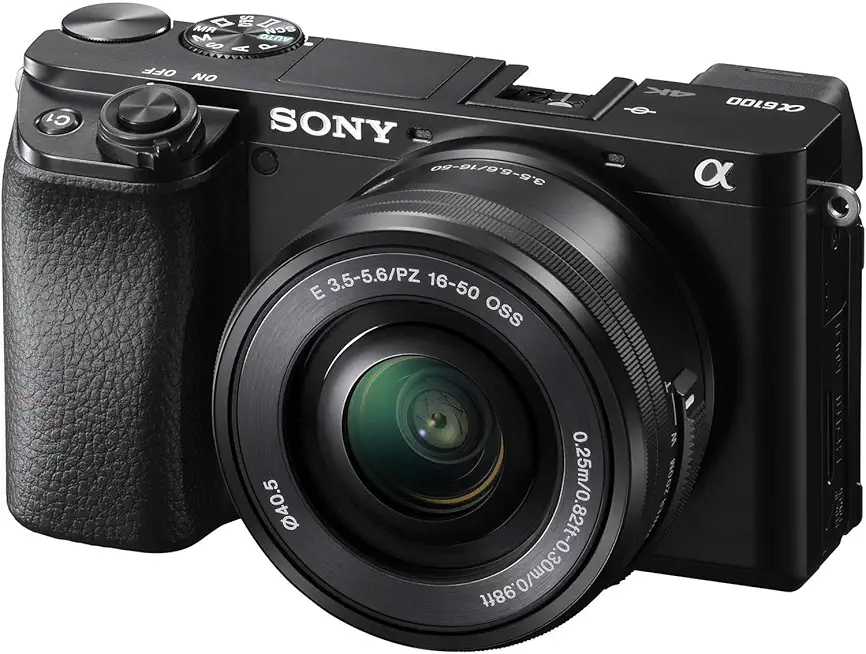
Sony Alpha A6100 Camera
Speed-focused interchangeable-lens system offering lightning-fast autofocus with real-time eye and subject tracking, 11 fps continuous shooting, and detailed APS-C image quality — ideal for sports, wildlife, and fast-paced storytelling.
Check PriceThe Sony Alpha A6100 is a camera I grab when I need fast, confident autofocus. In real shoots its real‑time eye and subject tracking keeps faces and moving subjects sharp far more often than the SL3’s Live View tracking, especially at longer distances or with unpredictable motion. The faster burst rate makes it better for kids, pets, or sports where you want more keepers from a short sequence.
On the downside, the A6100’s smaller body means shorter battery life and less hand comfort during long sessions compared to the SL3’s DSLR feel. I also miss the SL3’s optical viewfinder for some shooting styles — the EVF is bright and useful, but if you prefer that optical look and very long battery runs the SL3 still has an edge. That said, Sony’s lens lineup gives you a lot of choices for fast glass and telephoto shooters.
This one’s for shooters who need fast AF and lots of burst frames — sports parents, wildlife hobbyists, and event shooters who prioritize tracking over battery endurance. If you want a DSLR-style grip and long battery life for long days, you might prefer the SL3 instead.
Alternative 3:

Sony Alpha A6100 Camera
Travel-ready hybrid delivering crisp 4K video and reliable low-light stills, packed into a lightweight body. Advanced autofocus keeps moving subjects sharp while customizable settings satisfy both beginners and experienced shooters.
Check PriceThis version of the Sony A6100 is the one I bring on trips where I’ll be mixing handheld travel stills and vacation video. The EVF and tilting screen make framing in streets and tight spaces easier than trying to use the SL3’s optical viewfinder every time, and the camera’s low‑light behavior and autofocus keep moving subjects usable at higher ISOs without too much fuss.
Compared to the SL3 you get more modern video handling and a lighter pack, but you give up the DSLR battery life and the familiar handling of a Canon EOS body. In practical terms that means more frequent battery swaps and slightly different hand placement when using long lenses. Also, if you rely on Canon EF‑S glass you’ll need an adapter to get the same lens balance and compatibility.
Choose this A6100 if you travel a lot, want a lightweight hybrid for stills and 4K video, and value strong autofocus in mixed conditions. If your priority is long shoots without changing batteries or you prefer Canon lenses and handling, the SL3 will likely suit you better on long days.
What People Ask Most
Is the Canon EOS Rebel SL3 worth buying?
Yes — it’s a great, compact DSLR for beginners and hobbyists who want good image quality, a vari-angle touchscreen and easy controls, but note it’s behind some mirrorless rivals in video and advanced AF features.
How does the Canon EOS Rebel SL3 compare to the Canon EOS M50?
The SL3 is a small DSLR with an optical viewfinder and generally better battery life, while the M50 is a smaller mirrorless body with similar image quality and a more modern EVF-based workflow; choose based on size, handling and which features you prioritize.
What are the main features and specs of the Canon EOS Rebel SL3?
It has a 24MP APS-C sensor, DIGIC 8 processor, fully articulated touchscreen, Dual Pixel AF for stills/1080p, 4K video with a crop, built‑in Wi‑Fi/Bluetooth and lightweight handling.
Is the Canon EOS Rebel SL3 good for beginners?
Yes — the guided menus, simple controls and light weight make it very friendly for new photographers while still offering room to grow.
Does the Canon EOS Rebel SL3 shoot 4K video and what are its video capabilities?
It does shoot 4K but with a noticeable crop and without Dual Pixel AF; for smoother autofocus and better flexibility use 1080p (up to 60p) which benefits from Dual Pixel AF and the flip screen and mic input for vlogging.
How is the autofocus and low-light performance on the Canon EOS Rebel SL3?
Autofocus in Live View (and 1080p video) is fast and reliable thanks to Dual Pixel AF, but 4K uses slower contrast AF, and low-light performance is decent for APS-C class cameras though not as strong as newer mirrorless models.
Conclusion
The Canon EOS Rebel SL3 Camera is a compact DSLR that gets the fundamentals right: a 24MP APS‑C sensor, DIGIC 8 processing, a vari‑angle touchscreen and Canon’s Dual Pixel AF for confident Live View stills and 1080p video. It pairs class-leading battery endurance and easy wireless transfer with a lightweight, well‑balanced body that invites all‑day shooting.
That combination makes it ideal for family events, travel shooters and creators who want DSLR handling without lugging a full kit. The articulating screen and reliable Live View AF simplify vlogging, portraits and tricky angles. If you value long battery life and comfort in the hand, the SL3 delivers.
Be realistic about the trade‑offs: 4K is cropped, burst speed is modest and the optical viewfinder doesn’t show every last pixel of the scene. Those limits matter when you rely on wide framing, chase fast action or demand a 100% OVF preview. For many everyday shooters these compromises are manageable.
My verdict is straightforward: the SL3 is a smart, practical choice for enthusiasts stepping up from smartphones or compact cameras. Buy it for its Live View AF, portability and endurance; look elsewhere only if uncropped 4K or high‑speed shooting are non‑negotiable.
Canon EOS Rebel SL3 Camera
Compact DSLR with a vari-angle touchscreen and 4K video, delivering crisp photos and fast Dual Pixel autofocus. Lightweight and user-friendly design makes it perfect for beginners and travel photographers.
Check Price


0 Comments