

Can a single camera capture the sweep of a sunrise canyon, the furtive glance of a bison, and the Milky Way arching over steaming geysers?
Yellowstone pushes gear with dramatic light, extreme weather, and long-distance subjects.
This guide narrows the field to five top camera options tailored to the park’s demands.
We weigh real-world performance, honest pros and cons, and practical trade-offs to help you match a body to your shooting priorities.
From close-up wildlife portraits to sweeping panoramas and low-light starfields, each option favors different strengths and compromises.
Along the way you’ll get field-tested tips on packing, power management, and support gear so you can keep shooting from dawn patrol to star breaks.
We also cover stabilization techniques and simple maintenance practices to protect lenses and sensors from steam, mud, and cold.
You’ll also learn how to manage batteries, memory, and stabilization so your kit keeps working across long, cold days.
Whether you prize ultimate image quality, lightning-fast tracking for wildlife, or a lightweight one-body setup for long hikes, this guide will point you toward the best fit.
We’ll help you prioritize features like autofocus, sensor performance, and reach so you can focus on composition and safety.
Read on and pack smart—Yellowstone rewards preparation and the right camera choice with unforgettable photographs.
1. Sony A1 and A1 II

Sony Alpha a1 II (ILCE-1M2) Full-Frame Mirrorless Camera
Uncompromising pro performance with ultra-high resolution, blazing autofocus and rapid continuous shooting for stunning stills and cinematic 8K video.
Check PriceThe Sony A1 (and the incremental A1 II) is Sony’s flagship full-frame mirrorless aimed at photographers who want the best image quality and speed in one body. It packs a 50MP sensor, can shoot up to 30 fps with full AF, and offers 8K/4K video—so it handles both high-resolution landscapes and fast wildlife action.
In the field the A1 delivers outstanding sharpness and clarity across wide vistas and distant subjects. That 50MP resolution lets you crop hard and still keep usable detail, which is a huge advantage when animals stay at a safe distance. Do note those files are very large and demand fast, high-capacity cards and a robust post-processing workflow.
Autofocus is a standout: it locks on moving animals in cluttered scenes and maintains reliable tracking through tricky light and terrain. The body is rugged and weather-sealed, so you can shoot in Yellowstone’s variable climates without worrying about dust, wind, or light moisture. The A1 II refines that package with incremental improvements while keeping these core strengths intact.
Who should choose this camera? If you’re a pro or a serious enthusiast focused on ultimate image quality, fast AF performance, and durability in the field, the A1 is hard to beat. If you want something simpler, the complexity and file-management demands could feel like overkill. Expect to invest in fast cards, storage, and learning the system to make the most of it.
- 50MP image quality for detailed crops.
- Advanced, fast AF and tracking for wildlife.
- Versatile video options (8K/4K).
- Weather-sealed, durable build.
- Very large file sizes; demands fast/large memory cards and workflow.
- Complex menu system can be steep for beginners.
2. Nikon Z9 Overview

Nikon Z9 Full-Frame Mirrorless Camera
Professional-grade speed and reliability, industry-leading autofocus, exceptional low-light sensitivity and robust build for demanding wildlife, sports, and studio work.
Check PriceThe Nikon Z9 is a pro-grade full-frame mirrorless that shines for Yellowstone work where wildlife and changing weather demand reliability. It packs a 45.7MP sensor and can shoot 20 fps continuous RAW bursts, so you get both fine detail and the frames needed to catch split-second animal behavior.
Its subject-detection AF is top-tier, with dedicated bird and animal eye recognition that locks and tracks fast-moving subjects in cluttered scenes. As a wildlife shooter, I trust the Z9 to keep focus on a running coyote or a swooping raptor more often than not.
Practical features matter in the field, and the Z9 delivers: a weather-resistant body that stands up to long sessions in variable Yellowstone conditions, and support for Nikon VR lenses plus internal zoom options that give flexibility for handheld telephoto work. The advanced stabilization is a real help when you’re shooting long glass without a full tripod from a vehicle or trail.
There are trade-offs. The body is substantial, and that bulk can be tiring on long hikes where every ounce counts. Also, the Z9’s sophisticated control set favors pros and ambitious amateurs; casual users may face a steeper learning curve before getting the most from the camera.
If you prioritize fast, accurate autofocus, high-resolution files for cropping, and tough build quality for extended field use, the Z9 is an outstanding choice for Yellowstone wildlife and landscape work. It’s mostly a gain for serious shooters; just plan for weight and learning time.
- 45.7MP detail
- 20 fps RAW burst
- Wildlife/bird detection AF
- Weather-sealed, strong stabilization
- Bulky/heavy for long hikes
- Steep learning curve for casual users
3. Canon EOS R5 and R5 II

Canon EOS R5 Mirrorless Camera (Body Only)
High-resolution sensor, advanced stabilization, fast autofocus and pro video features designed for creators who demand precision and cinematic image quality.
Check PriceThe Canon EOS R5 (and R5 II lineage) is a mirrorless full‑frame body that hits a sweet spot for Yellowstone shooting. It packs a 45MP sensor and Canon’s Dual Pixel CMOS AF II, which gives you the resolution for big landscape prints and the autofocus headroom to track animals at a distance.
In the field the R5 feels like a professional tool. The fast, quiet AF and silent, fast USM focusing mean you can capture fleeting wildlife moments without spooking subjects or missing the peak expression. Color rendition is excellent, which makes animal portraiture and golden‑hour landscapes sing straight out of camera.
Video capabilities are solid for hybrid shooters — 4K60p lets you grab high‑quality clips alongside your stills. Be mindful, though: extended video recording has reported overheating, so plan your sequences and carry alternatives if you expect long continuous takes.
Low‑light performance is very good for this class of camera, so pre‑dawn geysers, moonlit landscapes, and shaded canyons are all within reach. The high resolution means you can crop aggressively without losing detail, which is handy when you can’t safely move closer to bison or wolves.
Practicalities matter in Yellowstone: the R5 is weather‑sealed and built for serious use, but battery life is moderate. Bring spare batteries for long days in cold weather when capacity drops. Overall, it’s a professional or serious amateur’s all‑around body for landscapes and wildlife.
- Fast, silent autofocus ideal for animal movement.
- High-resolution image quality.
- Excellent color rendition for animal portraiture.
- Weather-sealed build.
- Reported overheating during extended video recording sessions.
- Moderate battery life; spares recommended for long days.
4. Nikon COOLPIX P1100 Overview

Nikon COOLPIX P1100 Digital Camera
Compact travel camera with powerful superzoom, intuitive controls, and steady shooting for detailed landscapes, wildlife, and everyday adventures.
Check PriceThe Nikon COOLPIX P1100 is a true superzoom bridge camera built around a staggering 24–3000mm equivalent zoom. It pairs a 16MP BSI CMOS sensor with RAW shooting and optical VR stabilization, giving you a single‑lens solution that stays light and simple in the field.
In practice this camera shines when you need extreme reach without carrying or changing heavy lenses. I’ve found it excellent for picking out geyser detail and distant wildlife from safe, legal distances where you can’t get closer.
There are trade‑offs to be realistic about. The smaller sensor means image quality won’t match full‑frame bodies in low light or when pushing dynamic range hard. Autofocus is also slower and less accurate on fast, moving subjects compared with higher‑end mirrorless or DSLR systems.
That said, for enthusiasts and casual Yellowstone shooters who prioritize portability and reach the P1100 is a smart, pragmatic choice. The RAW files give you room to recover highlights and tweak color, while the strong stabilization helps keep those ultra‑long‑lens shots usable from handhold or a vehicle window.
- 24–3000mm extreme zoom reach
- 16MP BSI CMOS sensor with RAW option
- Optical VR stabilization for long focal lengths
- Lightweight, single‑lens solution vs carrying multiple lenses
- Smaller sensor limits image quality in low light
- Autofocus slower and less accurate on moving wildlife
5. Sony a6700 Overview
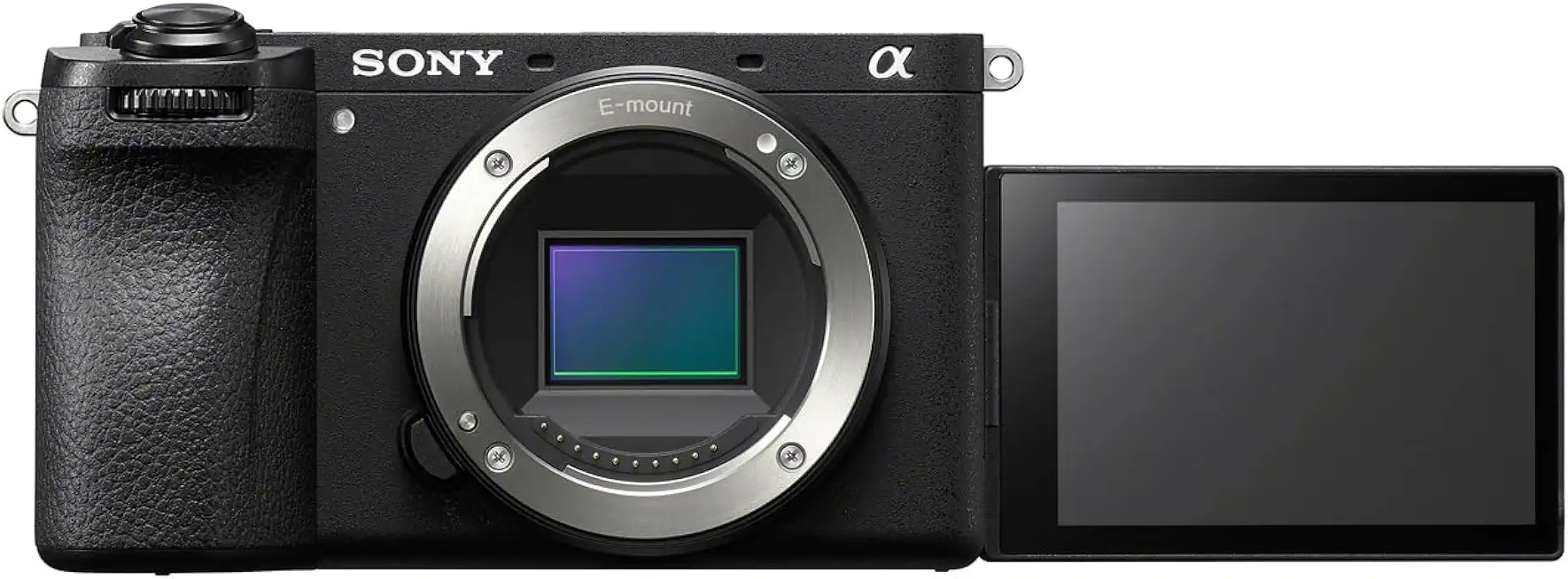
Sony Alpha 6700 Mirrorless APS-C Camera
Versatile hybrid performer with fast autofocus, impressive image quality, and compact design ideal for creators, vloggers, and fast-paced shooting.
Check PriceThe Sony a6700 is an APS‑C mirrorless with a 33MP sensor, and it punches well above its weight for Yellowstone work. Its compact, lightweight body makes long hikes and roadside stakeouts far less taxing than lugging a full‑frame rig.
What really sells the a6700 for wildlife is the real‑time Eye AF and tracking. In the field it locks onto heads and eyes quickly, which means more keepers when animals move or disappear into brush.
Frame rates are fast enough to catch sudden motion, so you can shoot bursts of running elk or swooping birds and still end up with sharp frames. Handling feels comfortable for long sessions, and the camera’s Wi‑Fi/Bluetooth connectivity makes transferring selects back to a phone or tablet straightforward.
Because it’s APS‑C, the sensor gives you an effective crop reach that helps when you can’t get closer, without completely sacrificing image quality. That balance of reach and portability is why many photographers step up to the a6700 for serious telephoto work while keeping pack weight low.
Do remember the trade‑offs: the APS‑C sensor is not as effective in very low light as full‑frame bodies, and the weather sealing is more limited than higher‑end pro bodies. If you prioritize a light kit and reliable AF for wildlife, the a6700 is a very practical and capable choice for Yellowstone trips.
- 33MP APS‑C sensor
- Real‑time Eye AF and tracking
- Lightweight for hiking
- Fast frame rates; comfortable handling
- Less effective in very low‑light than full‑frame
- Limited weather sealing vs pro bodies
Yellowstone Photography Packing Essentials
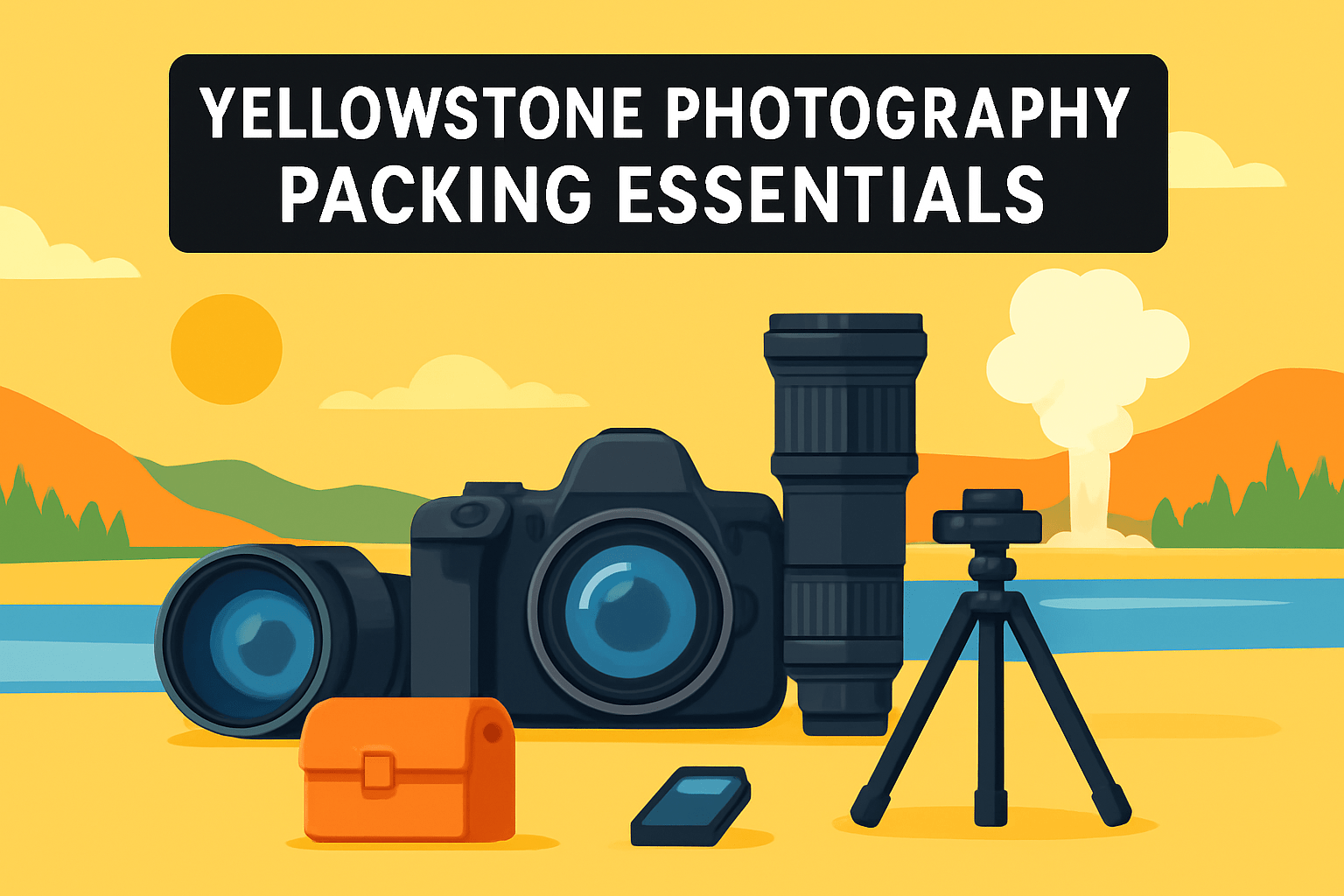
When I pack for Yellowstone I think first about comfort and survivability. Layered clothing is non‑negotiable: moisture‑wicking base, insulating mid layer and a waterproof, windproof shell; carry a dry change of socks and a warm hat for early mornings.
Shoes matter as much as cameras. Sturdy waterproof hiking boots are essential, and in winter I bring traction chains; pack a small thermos and high‑energy snacks to keep you shooting through long dawn and dusk sits.
For camera gear I aim to cover wide to extreme telephoto without overburdening myself. Two bodies save time and let you pair a 24–70 or 24mm for landscapes with a 200–600mm or 500mm for wildlife, or fall back to a superzoom bridge if you prefer a single‑lens solution.
Bring plenty of batteries and cards—cold kills battery life and high‑MP files eat cards fast. Keep spares warm in an inner pocket, use high‑speed UHS‑II/CFexpress cards for flagship bodies, and carry redundancy or a portable SSD if you plan to offload in the field.
Protecting glass is practical, not preciousness: circular polarizers and UV/protective filters are useful around geysers and water, and a stout lens hood saves you from flare and stray spray. A cleaning kit and the habit of soaking heavy grime before you wipe will keep optics scratch‑free.
Tripods and supports are mission critical: match a sturdy tripod and head to your heaviest lens, use carbon fiber if you’ll hike far, and pack a monopod or vehicle bean bag for mobile wildlife work. Quick‑release plates on each rig speed swaps and a remote release minimizes vibration for long exposures.
Finally, don’t skimp on safety and organization—bear spray, headlamp, first aid, permits and a weatherproof backpack with compartmentalized pockets make the difference between a frustrating day and a great one. Practice rig changes at home so in the field you spend time composing, not fumbling.
Stabilizing Your Camera in Yellowstone
Yellowstone throws everything at your kit — wind, geyser spray, long telephotos and long exposures — so good support is non‑negotiable. For heavy glass, start with a stout tripod and a head that can handle the load; a gimbal or a beefy ball head makes tracking a 500mm faster and less tiring. If you’ll be hiking miles, choose carbon‑fiber legs to shave weight without giving up stiffness.
A monopod is my go‑to when I need mobility. It steadies a long lens for wildlife and moves quickly for changing scenes in a meadow or along a roadside. For vehicle work, a simple bean bag on the door or window sill will give surprising stability and keeps you ready for sudden animal appearances.
Quick‑release plates on every body and lens setup save precious time when light changes. Practice swapping gear at home so your hands are fast and calm in the field. Also learn tripod leg positions for uneven terrain; low angles often require different spread and tension settings.
Image stabilization in lenses helps, but it won’t replace a tripod for waterfalls, geysers or nightscapes. Use a remote release or the camera’s self‑timer to eliminate vibration, and add a solid lens hood to protect the front element from spray and to cut flare. For panoramas, level the tripod and consider a panoramic head for consistent alignment.
Cold weather brings special needs: batteries die quicker and metal gets painfully cold. Carry spares inside your jacket, wrap tripod legs with foam or wear gloves when adjusting, and use high‑traction feet or spikes on icy ground. A small sandbag or weight hung from the center column will stabilize the rig in gusty conditions.
Finally, match your support to the job: tripod for long exposures and night skies, monopod for mobile telephoto work, bean bag for car shooting. A little planning and practice with your supports will keep your shots sharp and let you focus on the light, not the shake.
What People Ask Most
What is the best camera for wildlife photography in Yellowstone?
Choose a camera with fast, reliable autofocus, strong tracking, and weather sealing to handle changing conditions. High resolution helps with cropping distant subjects while robust burst performance improves chances of catching action.
What camera is best for landscape photography in Yellowstone?
Full-frame, high-resolution bodies are favored for maximum detail and dynamic range in sweeping scenes. Smaller or bridge cameras can be more portable but may not match full-frame performance in low light and tonal range.
Is a mirrorless camera or a DSLR better for photographing Yellowstone?
Mirrorless cameras are the current recommendation based on the models reviewed, offering advanced autofocus and compact designs. DSLRs are capable but were not the focus of this selection.
What lenses are best for shooting Yellowstone’s landscapes and wildlife?
Use wide-angle lenses for landscapes and long telephoto lenses for wildlife to cover both perspectives. Stabilized optics or a superzoom bridge camera can provide flexibility when swapping lenses is impractical.
What camera settings are best for capturing geysers, waterfalls, and thermal features in Yellowstone?
Long exposures on a stable support create silky-water effects and reveal motion in geysers and falls. Reduce glare with a circular polarizer, protect the front element from spray, and minimize vibration with a remote release.
What camera gear do I need to photograph Yellowstone in different seasons?
Layered clothing, waterproof footwear, and season-appropriate protection are essential for comfort and safety in varied weather. Bring a versatile camera kit with backup bodies or batteries, a range of focal lengths, weather protection, and basic safety gear.
What camera is best for low-light and night sky photography in Yellowstone?
Full-frame bodies generally perform better in low light and are preferable for night sky work, especially when paired with a sturdy tripod. Smaller-sensor cameras can work but typically require more support and careful exposure technique.
Conclusion for Best Camera for Yellowstone
Whether you lean toward flagship full-frame bodies for top image quality and autofocus or prefer a compact APS‑C or superzoom for portability and reach, the five options reviewed give practical starting points for photographing Yellowstone’s wildlife, landscapes, geysers, and night skies.
The main takeaway is to match your camera to your priorities—image quality and tracking versus weight and convenience—and to pack appropriate supports, weather protection, spare batteries, and memory for seasonal conditions.
If you want to sharpen your skills and get more comfortable with gear choices and field techniques, read more guides on the site to build confidence before your trip.
Have a specific question or a trip plan to discuss? Leave a comment below — we usually reply within a few hours and are happy to help you refine your setup for Yellowstone.




0 Comments