
Want to push your compositions way beyond ordinary while still getting usable images in low light?
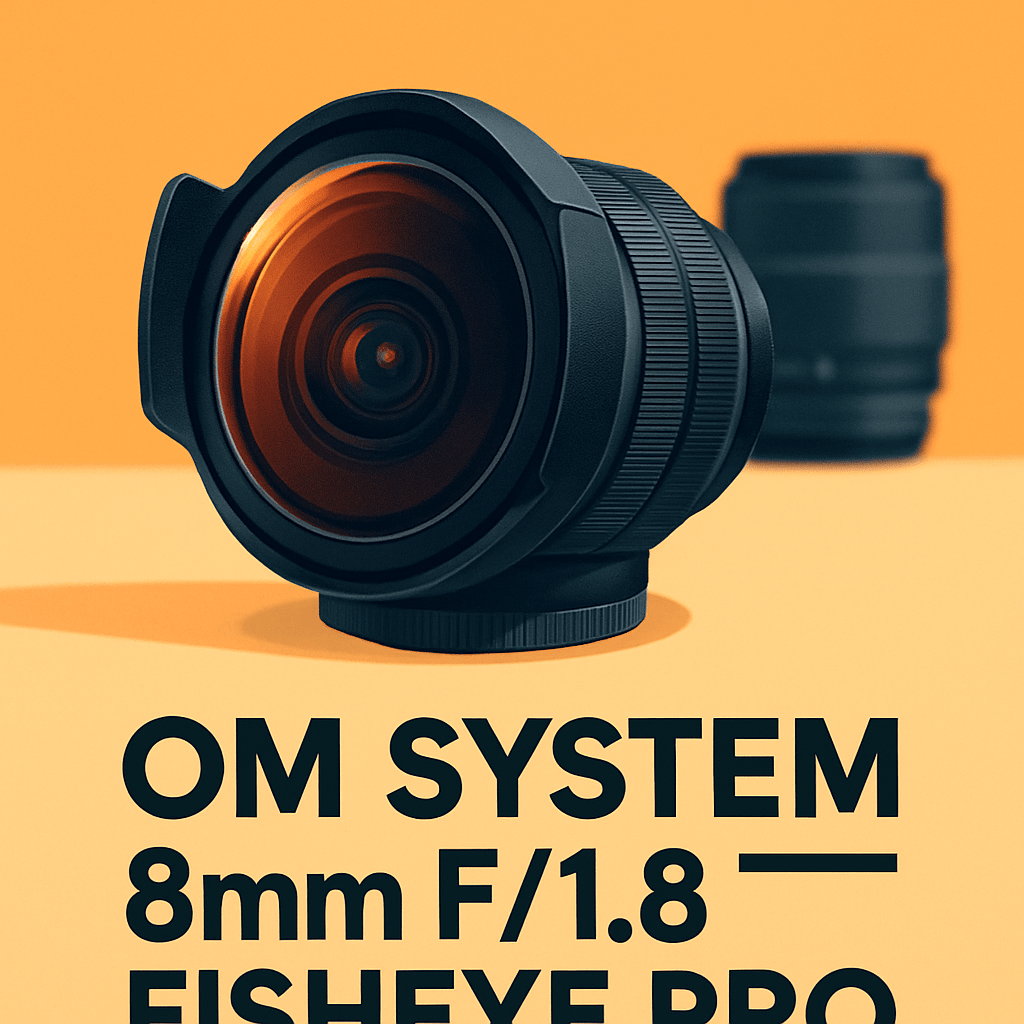
The Micro Four Thirds 8mm f/1.8 Fisheye Pro blends a 180° fisheye with a bright f/1.8 and weather sealing.
Who’ll benefit? Creative photographers, night and astro fans, AF-dependent videographers, and outdoor shooters needing reliable gear.
I shot with it outdoors to judge real-world payoffs, and I’ll dig into handling, low-light use, and practical trade-offs. Make sure to read the entire review as it answers whether this lens earns a spot in your kit — keep reading.

Micro Four Thirds 8mm f/1.8 Fisheye Pro
Professional-grade ultra-wide lens delivering immersive 180° perspective, exceptional low-light performance and razor-sharp center-to-edge clarity. Robust build, precise manual focus and cinematic bokeh for creative perspective-shifting imagery.
Check PriceThe Numbers You Need
| Spec | Value |
|---|---|
| Focal Length | 8 mm |
| Maximum Aperture | f/1.8 |
| Lens Mount | Micro Four Thirds |
| Angle of View | 180° (diagonal) |
| Lens Construction | 15 elements in 10 groups |
| Minimum Focus Distance | 0.14 m (14 cm) |
| Aperture Blades | 7, rounded |
| Image Stabilization | No (relies on camera body stabilization) |
| Autofocus | Yes, MSC (movie and still compatible) |
| Weather Sealing | Yes, splash, dust, and freeze proof |
| Filter Size | Not applicable (front element bulbous, no filter thread) |
| Weight | Approximately 315 g |
| Dimensions | About 66 mm diameter × 75 mm length |
| Special Features | Fisheye distortion effect; high-speed aperture for low light |
| Compatible Camera System | Micro Four Thirds mirrorless cameras by OM SYSTEM/Olympus and Panasonic |
How It’s Built
Handling the Micro Four Thirds 8mm f/1.8 Fisheye Pro felt reassuring from the first grab. It’s compact and solid without being heavy, so it won’t wear you out on a long walk or crowd a small bag. In my testing it balances naturally on typical MFT bodies, which makes handheld shooting much less fussy.
The weather sealing is one of my favorite things about this lens. I shot through drizzle and dusty trails without worrying, and that confidence matters when you’re out chasing light. For beginners, that means less stress about sudden weather and more time creating images.
One practical frustration: the bulbous front element means no front filter thread, and that complicates long-exposure or ND work. In the field I resorted to rear-filter solutions and creative exposure control, which worked but isn’t as convenient as a screw-on filter would be.
The focus ring and autofocus behavior were pleasantly user-friendly. Autofocus is quiet and smooth for video, and the manual focus ring feels good when you want to fine-tune. On gimbals and lightweight rigs it stays well balanced, though the pronounced front glass demands a little extra care with cases and lens caps.
Overall, the build inspires confidence for outdoor and travel use. After using it for a while I found it tough enough for real shoots yet light enough for everyday carry. It’s a great, straightforward tool for beginners who want pro-level handling.
In Your Hands
The Micro Four Thirds 8mm f/1.8 Fisheye Pro’s autofocus is refreshingly unobtrusive — quick and quiet enough for run-and-gun stills and most video work thanks to its movie-friendly AF system. For hyper-critical focus pulls or pinpoint astro work you’ll still reach for manual prefocus, but for everyday shooting it keeps pace with fast-moving scenes.
That fast maximum aperture translates directly into usable frames in dim interiors and after-dark streets, especially when paired with in-body stabilization. You get more latitude to hold shutter speeds and reign in ISO without losing the visceral, wide-angle look that makes fisheye images sing.
Close-focus capability opens up playful, exaggerated perspectives that feel almost three-dimensional, letting foreground subjects balloon against receding backgrounds. Rounded diaphragm blades help render highlights with a pleasing, organic roll-off that keeps specular points from looking mechanical.
Composing with this extreme field of view rewards intent: embrace converging lines, center your subject where curvature complements form, and be vigilant about stray elements sneaking into the frame. Interiors and action sequences benefit from tight framing and creative angles to turn distortion into drama rather than distraction.
On video the lens’s AF is smooth and nearly silent on modern bodies, but you’ll still depend on camera stabilization for steady handheld footage and should plan gimbal balance around the bulbous front. The lack of a front filter thread nudges practical workarounds for long exposures and NDs, such as rear-mount solutions or in-camera exposure control.
Finally, the weather-sealed construction translates to real-world confidence: I kept shooting through spray and cold without hesitation, and the lens rewarded that trust with consistent performance when conditions turned sour. For outdoor creators who push gear hard, that reliability is as valuable as the optical personality it delivers.
The Good and Bad
- f/1.8 maximum aperture for low light
- 180° diagonal fisheye effect for creative work
- Autofocus with MSC for stills and video usability
- Weather-sealed: splash, dust, and freeze proof
- No optical image stabilization (relies on body IBIS)
- No front filter thread due to bulbous front element
Ideal Buyer
If you’re a creative shooter who craves immersive, otherworldly perspective, the Micro Four Thirds 8mm f/1.8 Fisheye Pro is built for you. Its 180° diagonal view and fast f/1.8 let you stretch compositions and work in light most fisheyes avoid. Autofocus that works for stills and video keeps the flow when moments happen fast.
Video shooters and run‑and‑gun photographers who need quiet, reliable AF will value the MSC mechanism and the lens’s compact, well‑balanced feel on typical MFT bodies. At roughly 315 grams it tucks into travel kits easily while the splash, dust and freeze proofing inspires confidence outdoors. Be mindful the bulbous front element rules out front filters and can affect gimbal balance.
Close‑focus artists who love exaggerated foregrounds will exploit the 0.14 m working distance to create environmental portraits, dramatic interiors and high‑impact proximity shots. Night and indoor event shooters — even astro‑curious photographers — get a significant advantage from f/1.8 when paired with a body that offers IBIS. Remember there’s no in‑lens stabilization, so body stabilization or a steady gimbal remains important.
In short, choose the Micro Four Thirds 8mm f/1.8 Fisheye Pro if you want a travelable, pro‑grade fisheye that pairs fast aperture, usable AF and weather sealing for real‑world shooting. If you’re chiefly after the lowest price, front‑filter workflows or a manual‑only optic, consider the budget or manual alternatives instead.
Better Alternatives?
We’ve already gone through what the OM System 8mm f/1.8 Fisheye Pro brings to the table: a very fast, weather-sealed, autofocus fisheye that works great in low light and for run-and-gun shooting. It’s a powerful, pro-focused tool, but it isn’t the only way to get that dramatic fisheye look on Micro Four Thirds bodies.
If price, weight, or a simple manual workflow matter more than pro-level sealing and autofocus, there are a few solid alternatives. Below I’ll walk through three lenses I’ve used in the field, saying where each one beats the OM 8mm f/1.8 and where it falls short, and who I’d recommend them to.
Alternative 1:

Micro Four Thirds 7.5mm f/3.5 Fisheye
Compact, budget-friendly optic offering playful wide-angle distortion, lightweight portability and fast handling for on-the-go shooters. Ideal for dramatic landscapes, creative interiors and expressive social media imagery with vivid contrast.
Check PriceThe 7.5mm f/3.5 fisheye is the budget, lightweight option I reach for when I need the look but don’t want to carry much. In real use it’s tiny on a Micro Four Thirds body, easy to slip into a bag, and it gives that full fisheye curve. Compared to the OM 8mm f/1.8 you lose a lot of low-light ability—f/3.5 means higher ISOs or longer exposures—but you gain portability and a much lower price.
Optically it’s honest for what it is: fine center sharpness, softer edges, and a bit more flare and chromatic oddities than the OM PRO. Because it’s manual focus only, I use it on tripod landscapes, interiors, or controlled shoots where I can pre-focus. If you need quick AF for events or handheld night work, this lens will feel limiting.
This is the one for students, travelers, or anyone on a tight budget who still wants that fisheye personality. Choose it if you shoot mostly in daylight or on a tripod and you don’t need weather sealing or fast autofocus. I’ve used it for skate park shots and cramped interiors and it’s fun and forgiving—just don’t expect the same low-light reach or build toughness as the OM Pro.
Alternative 2:

Micro Four Thirds 7.5mm f/2
Bright, fast-aperture design for low-light shooting and subtle depth separation, delivering punchy colors, reduced coma and responsive autofocus. Perfect for nightscapes, astrophotography and dynamic environmental portraiture.
Check PriceThe 7.5mm f/2 is a nice middle ground. It’s noticeably brighter than the f/3.5 option, so in real shooting I found it much easier to use for night scenes and some handheld work. It still isn’t as bright as the OM 8mm f/1.8, so you’ll lose a bit of low-light freedom, but for most astrophotography and evening cityscapes it gets the job done without pushing ISO too high.
Most versions of this lens are manual focus, and that shapes how I use it: careful framing and focus stacking or pre-focus work. Compared to the OM PRO you trade off autofocus convenience and professional weather sealing for a lighter, often cheaper lens that keeps more of the image quality intact than the f/3.5 model. In practice the center detail and contrast are pleasing; edges can still be softer than the OM Pro at the same apertures.
I’d recommend this 7.5mm f/2 to astrophotographers, night shooters, and filmmakers who like a brighter fisheye and are comfortable focusing by hand. It’s great when you want more light-gathering without the cost and weight of a pro AF lens. I’ve used it under the stars and on low-light city rooftops where the extra stop over f/3.5 really matters.
Alternative 3:
Micro Four Thirds 7.5mm f/2
Versatile ultra-wide optic balancing compact form with robust glass for crisp edge resolution and smooth manual control. Tailored for filmmakers and photo enthusiasts seeking immersive perspective and reliable low-light capability.
Check PriceViewed from a filmmaker’s perspective, the 7.5mm f/2 becomes even more appealing. The manual focus ring is often smoother than the budget fish and gives predictable pulls; on a gimbal it balances well and doesn’t fight stabilization the way a heavier lens can. It doesn’t have the OM’s AF, so for fast run-and-gun video you’ll miss that, but for planned shots it feels very reliable.
Compared to the OM 8mm f/1.8, this lens won’t match the absolute low-light reach or the weatherproof build, and corners can be a touch less tight at the same apertures. Where it shines is in its feel for manual work, the slightly smaller size, and a price that makes stepping into brighter fisheye territory easier. In my shoots it gave smooth, film-like images when I was careful with focus and exposure.
Pick this variant if you’re a videographer or photographer who prefers manual control and wants a brighter, more compact fisheye than the f/3.5 option. It’s for people who plan shots, use gimbals or tripods, and don’t need AF or pro-level sealing. I’ve gotten some of my best cinematic fisheye frames from this lens when I could focus and expose deliberately—just not in a pouring rainstorm or a frantic action scene where the OM Pro would be the safer bet.
What People Ask Most
Is the OM System 8mm f/1.8 Fisheye Pro compatible with Micro Four Thirds cameras?
Yes — it’s a native Micro Four Thirds lens designed for OM System/Olympus and Panasonic MFT bodies.
Is the OM System 8mm f/1.8 a true fisheye lens or a rectilinear ultra-wide?
It’s a true fisheye that delivers pronounced curved distortion rather than rectilinear correction.
How sharp is the OM System 8mm f/1.8 Fisheye Pro across the frame?
Very sharp in the center even wide open, with corners a bit softer wide open but noticeably improved when stopped down.
Does the OM System 8mm f/1.8 Fisheye Pro have autofocus and fast AF performance?
Yes — it offers fast, accurate autofocus on MFT bodies and performs well for handheld and moderately fast subject movement.
Is the OM System 8mm f/1.8 weather-sealed and suitable for outdoor use?
Yes — it’s built to Pro standards with dust- and splash-resistance, so it’s fine for most outdoor shooting conditions.
Is the OM System 8mm f/1.8 Fisheye Pro good for astrophotography and low-light shooting?
Yes — the f/1.8 aperture and strong optical control make it a very good choice for night sky and low-light work.
Conclusion
The Micro Four Thirds 8mm f/1.8 Fisheye Pro is a rare combination of creative character and professional practicality. It pairs a very fast aperture and true fisheye personality with reliable autofocus and weather sealing, all in a compact package. For shooters who want imaginative angles without sacrificing run-and-gun usability, it’s a clear performer.
In real-world use the lens earns its keep for low-light work, video runs and any situation where close, dramatic perspective matters. Autofocus that behaves for both stills and motion turns ideas into usable frames faster than a manual-only option. Weatherproofing means you can trust it outdoors when lesser lenses would stay home.
No lens is perfect, and this one asks for a bit of planning. There’s no in-lens stabilization and you can’t fit standard front filters, so long exposures and certain workflows require workarounds. And the fisheye look is emphatic rather than subtle, so composition must be intentional.
If you’re an MFT shooter who values speed, build quality and creative reach, this lens is worth the investment. If budget, absolute simplicity or classic rectilinear rendering are priorities, consider a cheaper or manual alternative instead.
Micro Four Thirds 8mm f/1.8 Fisheye Pro
Professional-grade ultra-wide lens delivering immersive 180° perspective, exceptional low-light performance and razor-sharp center-to-edge clarity. Robust build, precise manual focus and cinematic bokeh for creative perspective-shifting imagery.
Check Price


0 Comments