
What if your camcorder could capture cinematic detail long after the sun has set? Low-light shooting is where many otherwise great cameras stumble. This guide helps you find models that actually perform when the lights go down.
In this Ultimate Guide we test and compare five camcorders praised for low-light performance. Our selections draw on expert reviews, lab measurements, and hands-on user feedback. We focused on consistent real-world results, not just headline specs.
We cut through marketing jargon to explain practical strengths and clear limitations. For each model we outline who it serves best and why.
Low-light ability depends on more than sensor size alone. We look at stabilization, noise handling, autofocus in dark scenes, ergonomics, and heat and battery behavior during long shoots. Those factors together determine whether footage is usable, or unusable, once the lights dim.
Whether you film weddings at dusk, dim concert venues, or run-and-gun vlogs, the right camcorder changes outcomes. Some designs favor mobility, others prioritize dynamic range or ultra-clean high-ISO output.
Expect honest trade-offs, practical takeaways, and clear guidance to match a model to your shooting style. Read on to find the best camcorder for low light that fits your needs and workflow today.
1. Canon EOS R6 Mark II Low-Light Performance
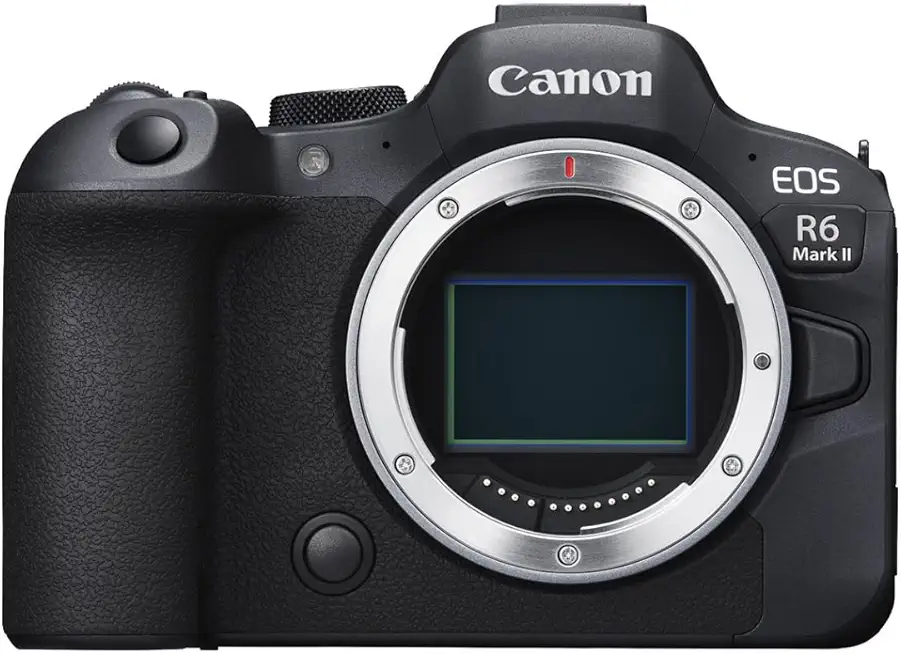
Canon EOS R6 Mark II (Body Only)
Fast full-frame performance with blazing autofocus, in-body stabilization, and stunning low-light stills and video for hybrid shooters.
Check PriceAs a working photographer I reach for the Canon EOS R6 Mark II when I need reliable low-light results without fuss. Its full-frame sensor and very good noise handling at high ISO give remarkably clean images in very dim environments, so you can push exposure without the mushy grain that kills mood.
The five-axis in-body image stabilization (IBIS) is a game changer for run-and-gun handheld work. It lets me use slower shutter speeds without a tripod, which means more usable frames in restaurants, events, and available-light gigs.
Autofocus is another strong suit—fast and dependable with strong subject tracking even when the lights are low. That makes it a great hybrid tool if you switch between stills and motion during the same shoot.
For video, the R6 Mark II delivers uncropped 4K up to 60 fps with good dynamic range and color, so low-light footage holds up in grading and looks cinematic straight out of camera. In short, it’s a versatile camera for professionals and serious videographers who need dependable low-light performance in both photo and video workflows.
It isn’t perfect: the RF lens ecosystem is still growing, so you may need adapters or plan lens purchases carefully. Also, the ergonomics and menu system can feel a bit complex for some video users who want a simpler, dedicated video layout.
- Full-frame sensor with very good high-ISO noise control
- Five-axis IBIS for handheld slow shutter use
- Reliable, quick autofocus with strong tracking
- Uncropped 4K up to 60 fps — great low-light video
- RF lens ecosystem still somewhat limited
- Ergonomics and menu system can be complex
2. Sony ZV-E1 Low-Light Vlogging Star

Sony ZV-E1 (Body)
Compact creator camera delivering cinematic 4K, pro audio, advanced stabilization, and instant livestreaming tools for on-the-go vlogging.
Check PriceThe Sony ZV-E1 is a surprisingly capable low-light tool for creators who need top-tier video without hauling a flagship body. It shares the same low-light optimized full-frame sensor as Sony α7S III and FX3, and IBIS is included to help keep handheld shots usable in dim settings.
In practice that sensor and stabilization give outstanding low-light video performance with good detail and color. The camera’s compact size makes it ideal for vlogging and run-and-gun shoots where you can’t set up lights or gimbals.
Autofocus is another real strength — the ZV-E1 delivers strong subject tracking in video with real-time confidence that speeds up solo shoots. Heat management is noted as good for extended low-light use, so you can record longer takes without throttling as quickly.
There are trade-offs to be realistic about: body build quality is less robust than top-tier full-frame models, and the camera lacks some advanced video features found in the a7S III. If you need a bombproof, weather-sealed cinema tool or every pro-level codec and menu option, this may feel like a compromise.
All told, for videographers and content creators who want compact, top-tier low-light video performance at a more accessible price than the a7S III, the ZV-E1 is a very practical choice. It’s mostly good for run-and-gun low-light work where portability, autofocus, and long recording are priorities.
- Impressive low-light video quality for the price
- Compact and lightweight full-frame body with IBIS
- Excellent autofocus for video with real-time tracking
- Good heat management for extended low-light use
- Build quality not as robust or weather-sealed as professional flagships
- Lacks some advanced video features found in a7S III
3. Panasonic LUMIX GH5s Low-Light Video Pro

Panasonic LUMIX GH5S (Body)
Video-first MFT body offering dual native ISO, exceptional low-noise footage, and flexible frame rates for professional filmmakers.
Check PriceThe Panasonic LUMIX GH5s is a photographer’s and videographer’s tool built around a Micro Four Thirds sensor with dual-native ISO, and it’s clearly optimized for low light and video noise control. In real-world shooting I found it delivers impressively clean, noise-free footage when you push ISO thanks to that dual-native architecture.
Autofocus isn’t its strongest suit — it’s slower versus Sony phase-detection systems — but it remains acceptable for many scripted or controlled video projects where tracking fast action isn’t essential. If your work is more about planned setups, interiors, or run-and-gun with predictable movement, the GH5s’s noise performance will be the headline feature.
Video specs are strong: internal 10-bit 4K gives you latitude in grading and a more professional codec pipeline for low-light color work. The body is compact and benefits from effective stabilization when paired with stabilized lenses, and it runs cooler with less overheating on long takes compared with some rivals.
Who should buy it? Videographers who prefer the Micro Four Thirds system and want exceptional low-light video without the cost, size, and weight of full-frame setups will love the GH5s. Be aware the smaller sensor limits shallower depth of field and some image quality aspects, and if you need ultra-fast autofocus in dim scenes a Sony-based alternative might serve you better.
- Outstanding noise control at high ISO from dual-native ISO
- Effective stabilization system combined with lens stabilization
- Compact system with many small lenses for portability
- Reliable performance with less overheating in long shoots
- Autofocus slower and less reliable in low light compared to Sony models
- Smaller sensor limits shallower depth of field and some image quality aspects
4. Nikon Z50 Low-Light on a Budget

Nikon Z 50 with 16-50mm lens
Lightweight APS-C kit ready for travel photography with versatile zoom, crisp images, and easy-to-use controls for beginners.
Check PriceThe Nikon Z50 is a compact, travel-friendly mirrorless that punches above its weight in low light for an APS-C camera. Its sensor delivers usable, clean images up to ISO 12,800, which for everyday run-and-gun shooting means you can often skip extra lighting and still get usable files.
Video shooters get 4K UHD recording without a crop, so wide-angle framing stays intact, and Full HD at 120p gives you a practical slow-motion option. Autofocus is effective and reliable in most situations, though it’s not the most advanced system available, so expect to fine-tune focus in very tricky lighting.
Handling is a clear strength — the Z50 is small, lightweight, and intuitive to operate, which speeds up workflow when you’re moving between locations. That friendly ergonomics package makes it a great choice for entry-level or budget-conscious shooters who need solid low-light performance without the weight and cost of larger systems.
Note the missing in-body image stabilization: you’ll want stabilized lenses or a tripod for slow shutter work to avoid blur. Also consider the lens ecosystem; the APS-C native range is somewhat limited, so adapting larger lenses can add bulk and compromise the camera’s portability.
Overall, the Z50 is a smart, mostly budget-friendly option for photographers and filmmakers who prioritize portability and good high-ISO performance in low light, as long as you plan for stabilization and lens choices.
- Usable clean images up to ISO 12,800
- 4K UHD recording without crop
- Lightweight and portable with good handling
- Full HD at 120p for slow motion
- No in-body image stabilization (IBIS)
- Limited APS-C native lens range; adapted full-frame lenses may be large/heavy
5. Sony A7S III Low-Light Flagship

Sony Alpha 7S III
Ultra-sensitive full-frame video powerhouse delivering gorgeous low-light performance, 4K120 recording, and dependable autofocus for demanding cinema work.
Check PriceAs a working pro who shoots in theaters, weddings, and run-and-gun night scenes, the Sony A7S III is the tool I reach for when light is scarce. Its 12MP full-frame sensor is purpose-built for sensitivity, so you get usable images at extremely high ISO — 12,800 and beyond — with very manageable noise.
That low-light mojo isn’t just marketing. The camera balances powerful noise reduction with retained detail, giving clean, usable footage where others fall apart. Autofocus remains fast and reliable even in dim conditions, so you’re less likely to miss critical moments when the light drops.
For video shooters it’s a standout. You get 4K at up to 120p and internal 10-bit 4:2:2 recording, plus excellent heat dissipation for extended recording sessions. Those specs make it a go-to for filmmakers who need both low-light performance and professional codec flexibility without constant overheating concerns.
Ergonomics and build quality are also strong points. The body feels robust in hand, and the control layout supports long handheld shoots comfortably. That said, the camera’s aggressive noise reduction can sometimes soften the finest textures, and it sits at a higher price and weight point than some alternatives — trade-offs to consider if you need ultimate portability or maximum fine-grain detail.
- 12MP sensor optimized for low-light sensitivity
- Usable images at ISO 12,800 and beyond
- 4K120p internal 10-bit 4:2:2 recording
- Fast, reliable autofocus in dark conditions
- Noise reduction can reduce fine detail
- Higher price and bulkier than some alternatives
Key Factors for Low-Light Camcorders
As a pro who shoots a lot in dim venues, I look at a handful of things first: sensor size, lens speed, stabilization, and how the camera handles high ISO. Bigger sensors simply gather more light, so full-frame bodies will usually give cleaner files than smaller formats. That said, good optics and clever electronics can close the gap—Micro Four Thirds bodies with dual-native ISO, for example, can be surprisingly clean in real shooting situations.
A fast lens matters as much as the camera. A lens that opens to f/1.4 or f/1.8 will let you keep shutter speeds up and ISO down, but remember the trade-off: very shallow depth of field can make focus a challenge in low light. Invest in sharp glass with good coatings; high-quality optics reduce flare and micro-contrast loss that can make low-light footage look muddy.
Stabilization is another game changer. In-body or lens stabilization lets you run slower shutter speeds handheld, which often beats raising ISO into noisy territory. If your rig lacks IBIS, plan to use stabilized lenses, a gimbal, or a tripod for longer exposures.
ISO performance and in-camera noise reduction are not just numbers on a spec sheet. Test a camera at real-world ISOs for your workflow and check how aggressive noise reduction affects detail. Some cameras clean up noise well but soften fine textures, which matters if you need crisp footage for post grading.
Finally, think about workflow choices: dropping frame rate to capture more light per frame, adding controlled practical lights, or using night modes can dramatically improve results without changing gear. Match your choice to the shooting style—run-and-gun shooters will prize compact bodies with IBIS and strong autofocus, while controlled productions can get away with smaller sensors and added lighting.
Low-Light Camcorder Shooting Tips
Shooting in dim light often feels like a negotiation between shutter speed, aperture and ISO. Start by opening the aperture as wide as your lens allows to bring in as many photons as possible, then use stabilization—IBIS, a steadier lens, a gimbal or a tripod—to avoid motion blur when you slow the shutter.
If you’re recording motion, respect the shutter-speed-to-frame-rate rule of thumb: aim for roughly double the frame rate (for 24fps, ~1/50s). Dropping frame rate from 60 to 24 or 30fps will give you more light per frame and a cleaner image, but remember slower shutter speeds will soften fast movement.
ISO is your friend and your enemy. Raise it gradually and test each stop to find the point where noise becomes unacceptable. When noise is inevitable, expose as brightly as you can without clipping highlights—slightly overexposing and pulling down in post (ETTR) preserves detail and reduces noise in the shadows.
Use practical light whenever possible. Position subjects near existing lamps, windows or streetlights to create pleasing falloff and catchlights in the eyes. Small, battery-powered LED panels with diffusion are portable and transformative; even a single soft light bounced off a wall gives more usable detail than cranking ISO alone.
Camera features matter: dual-native ISO or sensors optimized for low light will buy you a lot. Take advantage of slow-noise presets, log or high-bit-depth recording only when you have the exposure to support it, and plan to apply gentle denoising in post rather than over-sharpening noisy footage.
Finally, stay practical: scout locations with your camcorder and a lens you’ll use, test settings before rolling, and commit to simple lighting setups. Consistent testing and a few portable lights will turn frustrating low-light shoots into predictable, cinematic results.
What People Ask Most
What is the best camcorder for low light?
There is no single best option for everyone; the right camcorder depends on your priorities like sensitivity, stabilization, and budget. Choose a model known for strong low-light sensitivity and reliable noise control in real-world use.
Which camcorder models have the best low-light performance?
Models optimized for low-light shooting typically feature sensitive sensors and effective noise reduction. Look for cameras with a track record in low-light reviews and positive user feedback for dim conditions.
How do I choose a camcorder for low-light shooting?
Prioritize sensor performance, lens aperture options, stabilization, and how you plan to shoot in low light. Test candidates in realistic lighting and consider factors like ergonomics and battery life for extended shoots.
Does sensor size affect camcorder low-light performance?
Yes, larger sensors generally capture more light and can improve low-light capability. However, lens aperture, processing, and stabilization also play important roles in overall performance.
How can I improve low-light video quality with a camcorder?
Use a wide-aperture lens, stabilize the camera with a tripod or good in-body/image stabilization, and adjust exposure settings to balance brightness and noise. Adding or positioning light sources can also make a significant difference.
Do camcorders perform better than DSLRs or mirrorless cameras in low light?
Performance depends more on sensor, lens, and processing than on camera category, so some mirrorless or DSLR bodies can match or exceed camcorders. Evaluate specific models and features rather than assuming one class is always superior.
How important are aperture, ISO, and image stabilization for low-light camcorders?
They are all critical: aperture controls how much light reaches the sensor, ISO affects sensitivity and noise, and stabilization helps avoid blur at slower shutter speeds. Balancing these elements is key to cleaner low-light footage.
Conclusion for Best Camcorder for Low Light
Choosing the right low-light camcorder comes down to balancing sensor size, ISO performance, stabilization, optics, and how you actually shoot, rather than chasing a single “best” model.
Use the article’s real-world pros, cons, and ideal-user notes to match a camera’s strengths to your workflow—whether you prioritize portability, video features, or maximum sensitivity.
If you want to keep improving your low-light shooting and gear knowledge, read more of our site’s guides and reviews to build practical skills and confidence.
Have questions or want advice about your specific needs? Leave a comment below and we usually reply within a few hours.


0 Comments