

Looking for the best Panasonic camera for filmmaking in 2026—one that balances cinematic image-making with the brutal realities of long shoots and busy crews? This guide distills expert reviews, rigorous user feedback, and hands-on tests into five picks that actually reflect how these cameras perform on real sets and in fast-turnaround workflows.
We focus on the video essentials: autofocus speed and reliability, in-body stabilization (IBIS), codec support, ergonomics, and heat management for long takes. These factors determine not just image quality but whether a camera can keep up when you need reliable autofocus during motion or uninterrupted recording for long interviews.
We evaluated candidates across practical criteria: sensor size (full-frame versus Micro Four Thirds), stabilization effectiveness, AF systems, recording limits, and portability for different shooting styles. The result is a shortlist that balances shallow depth-of-field and low-light capability against the benefits of compact, gimbal-friendly bodies and extended recording for long takes.
Whether you work solo on run-and-gun shoots, turn indie features with small crews, or juggle photo and video jobs, there’s a Panasonic that fits your workflow. In the pages ahead we’ll help you weigh tradeoffs and pick the right balance of stabilization, AF, sensor size, and recording capabilities for your projects.
1. Panasonic Lumix S5 II and S5 IIX

Panasonic LUMIX S5II DC-S5M2 Body
Compact full-frame mirrorless powerhouse delivering exceptional low-light performance, accurate autofocus, and cinematic 4K video for hybrid photographers and filmmakers.
Check PriceThe Lumix S5 II / S5 IIX is a full-frame mirrorless hybrid built around a 24.2MP sensor and serious video chops — up to 6K 30p internal recording, with the S5 IIX adding unlimited recording thanks to a built‑in fan. In practice that means you get full-frame image quality and a compact body that still feels purpose-built for video work.
Autofocus has been a noticeable upgrade: a phase-detection hybrid AF with 779 points and human/animal detection gives much more confident subject tracking than Panasonic’s older DFD system. For solo shooters and run‑and‑gun setups this AF is reliable and makes handheld interview work and run‑throughs far less stressful.
Stabilization is another strong suit — 5-axis in-body image stabilization combined with Active IS delivers exceptional handheld smoothing for panning and walking shots. You can often avoid a gimbal for many run‑and‑gun scenarios, keeping setups lighter and faster.
On the workflow side, the S5 IIX brings pro features that matter: internal ProRes, All‑Intra codecs, and direct‑to‑SSD capture via USB‑C for long takes and simplified offload. Those options make color grading and multi‑cam shoots much cleaner and reduce post headaches.
Usability is generally very good: solid ergonomics, weather sealing, and a build that stands up to longer days. Be aware of the real‑world caveats — battery life is limited (~300 shots per charge), startup and playback can feel sluggish, and 4K 60p uses a 1.5x crop which limits ultra-wide framing. Overall it’s ideal for hybrid shooters who want full‑frame AF, strong IBIS, and pro codec options for interviews, indie production, and run‑and‑gun work.
- Reliable, fast phase-detection AF for video and stills
- Superb 5-axis IBIS with Active IS
- Unlimited 6K/30p internal recording (S5 IIX)
- ProRes internal recording and direct-to-SSD capture (S5 IIX)
- Limited battery life (~300 shots per charge)
- 4K 60p crops 1.5x
2. Panasonic Lumix GH7

Panasonic LUMIX GH7 DC-GH7 Body
Lightweight Micro Four Thirds camera optimized for advanced video creators with fast autofocus, high frame-rate recording, and intuitive on-body controls.
Check PriceThe Panasonic Lumix GH7 is a Micro Four Thirds mirrorless hybrid built with video first shooters in mind. It records internally in 6K and offers 4K up to 120fps without a crop, plus internal RAW video support for serious post work.
Autofocus is now a proper step forward for the GH line — the latest LUMIX phase-detection AF gives reliable, fast subject acquisition and tracking compared with older GH models. For run-and-gun work that means fewer missed pulls and less fiddling with focus pulls on the fly.
Stabilization is exceptional: the body delivers 7.5 stops of in-body image stabilization, which is impressive for such a small camera. Combined with the GH7’s compact, lightweight chassis it’s ideal for gimbals, shoulder rigs, and long handheld shoots.
Panasonic also thought through pro workflows: dual CFexpress slots, a built-in cooling fan, and a fully articulating screen make long takes and rigged builds far easier. If you care about clean audio the camera supports professional inputs — you can use 32-bit float audio via an XLR adapter for highest-quality capture.
No camera is perfect — the MFT sensor is part of what makes the GH7 small and stabilized, but it also limits shallow depth of field and low-light performance compared to full-frame options. Expect more noise at high ISOs than larger-sensor competitors, but for daytime, documentary, vlogging and indie filmmaking the GH7 is a very compelling, highly portable workhorse.
- 6K RAW & 4K 120fps without crop
- Reliable, fast phase-detection AF
- Built-in cooling and dual CFexpress for pro workflows
- Excellent 7.5-stop IBIS in a compact body
- MFT sensor limits shallow DOF and low-light sensitivity vs full frame
- More noise at high ISO than larger-sensor competitors
3. Panasonic Lumix G9 II

Panasonic LUMIX G9II DC-G9M2 Body
Fast-action enthusiast camera offering blazing continuous shooting, responsive stabilization, and detailed image quality for wildlife and sports photography.
Check PriceThe Panasonic Lumix G9 II is a Micro Four Thirds mirrorless hybrid built around a 20.3MP Live MOS MFT sensor, and it feels like a purpose-built tool for active shooters. I use it when I need a compact body that can keep up with fast subjects in the field.
Video-wise it records 4K up to 60fps (with a crop) and Full HD up to 180fps for slow-motion work. Heat management is good in real-world shoots, though there is a slight crop when you push 4K at 60fps.
Autofocus has been noticeably improved with PDAF and 225-area detection, plus human and animal subject detection that actually tracks reliably in my experience. Pair that with very strong 5-axis IBIS and you get steady handheld footage even when you’re moving quickly.
The MFT sensor gives a practical 2x crop factor, which I love for wildlife and sports because it extends your telephoto reach without hauling big glass. The body is lightweight and rugged, and the fast burst shooting lets you pull sharp frames from action sequences.
Overall, the G9 II is an excellent all-in-one for sports, wildlife, and video creators who need reliable AF, superb stabilization, and extra reach in a portable package. If you prioritize shallow depth of field or low-light grunt, full-frame alternatives will still outperform it, but for run‑and‑gun telephoto work this camera is hard to beat.
- Very strong IBIS for handheld video
- Improved hybrid autofocus with 225-area detection
- Lightweight, rugged body
- Fast burst shooting and extended telephoto reach (2x crop)
- MFT sensor — less shallow DOF and lower low-light performance than full frame
- Slight crop on 4K 60fps limits wide-angle framing
4. Panasonic Lumix G7

Panasonic LUMIX G7 DMC-G7KK with LUMIX G VARIO 14-42mm lens
Entry-friendly mirrorless bundle with versatile 14–42mm zoom, easy controls, and solid image quality—perfect for everyday shooting and travel.
Check PriceThe Panasonic Lumix G7 is a Micro Four Thirds, entry-level mirrorless aimed squarely at budget-conscious filmmakers and vloggers. It packs a 16MP MFT sensor and delivers 4K up to 30fps and Full HD at 60fps, which is impressive for its price and class.
Image quality in 4K30 is sharp and usable straight out of the camera, making it great for interviews, tabletop product work, and YouTube content. The fully articulating touchscreen with touch controls makes framing and self-recording effortless, which is a big plus for solo creators.
Autofocus on the G7 is contrast-detect only, so tracking moving subjects is slower and less reliable compared with modern phase-detect systems. If you shoot action or run‑and‑gun material you’ll notice the AF hunting more often than on newer models.
Crucially, the G7 lacks in-body image stabilization (IBIS), so plan to use stabilized lenses, a gimbal, or other rigs for smooth handheld footage. In controlled setups—tripod interviews, static vlogs, and scenes with minimal movement—the lack of IBIS is much less of an issue.
Overall, as a working photographer and filmmaker I’d recommend the G7 to beginners who want affordable 4K capability and a lightweight, portable body. If your workflow relies on tracking fast subjects or long handheld takes, consider budgeting for stabilization gear or choosing a camera with IBIS.
- Affordable 4K video with good image quality
- Fully articulating touchscreen with touch controls
- Lightweight and portable
- Wide MFT lens selection
- No IBIS — additional stabilization required
- Slower, less reliable autofocus for moving subjects
5. Panasonic Lumix S1 II

Panasonic LUMIX S1II DC-S1M2 Body
Durable pro-grade full-frame body delivering exceptional dynamic range, high-resolution stills, robust build, and professional video capabilities for demanding shoots.
Check PriceThe Lumix S1 II is Panasonic’s pro-level full-frame hybrid. It packs a ~24MP full-frame CMOS sensor and delivers 6K 30p and 4K up to 60p recording. It also offers unlimited recording thanks to active cooling, which is a huge relief for documentary and event shooters who need long takes.
Autofocus uses a combined fast phase-detection and contrast system. In practice the AF is reliable for planned shoots and interviews, though it isn’t quite as snappy as the very top-tier competitors. For solo run‑and‑gun work you’ll want to test subject tracking in your typical scenarios first.
Stabilization is a strong suit. The body has 5-axis IBIS with Active IS, so handheld pans and walking shots are noticeably smoother without a gimbal. That said, the S1 II’s larger, heavier chassis feels more at home on a tripod or gimbal for extended handheld days.
Build and workflow are clearly professional. The camera is weather-sealed and rugged, so it stands up to tough environments. Codec options include V‑Log and All‑Intra, giving you solid latitude for grading and high-quality internal files for post.
Bottom line: if you’re a professional or advanced filmmaker who needs full-frame image quality, robust stabilization, unlimited recording, and pro codecs, the S1 II is a very strong choice. If you prioritize the lightest possible handheld rig or absolute class-leading AF for fast-moving, unpredictable subjects, consider how its weight and AF character fit your workflow.
- Rugged, weather-sealed pro body
- Unlimited recording with built-in fan cooling
- Strong 5-axis IBIS with Active IS
- High-quality codecs and V‑Log/All‑Intra support
- Larger and heavier — less portable for handheld
- Autofocus good but not class-leading
In-Body Image Stabilization (IBIS)
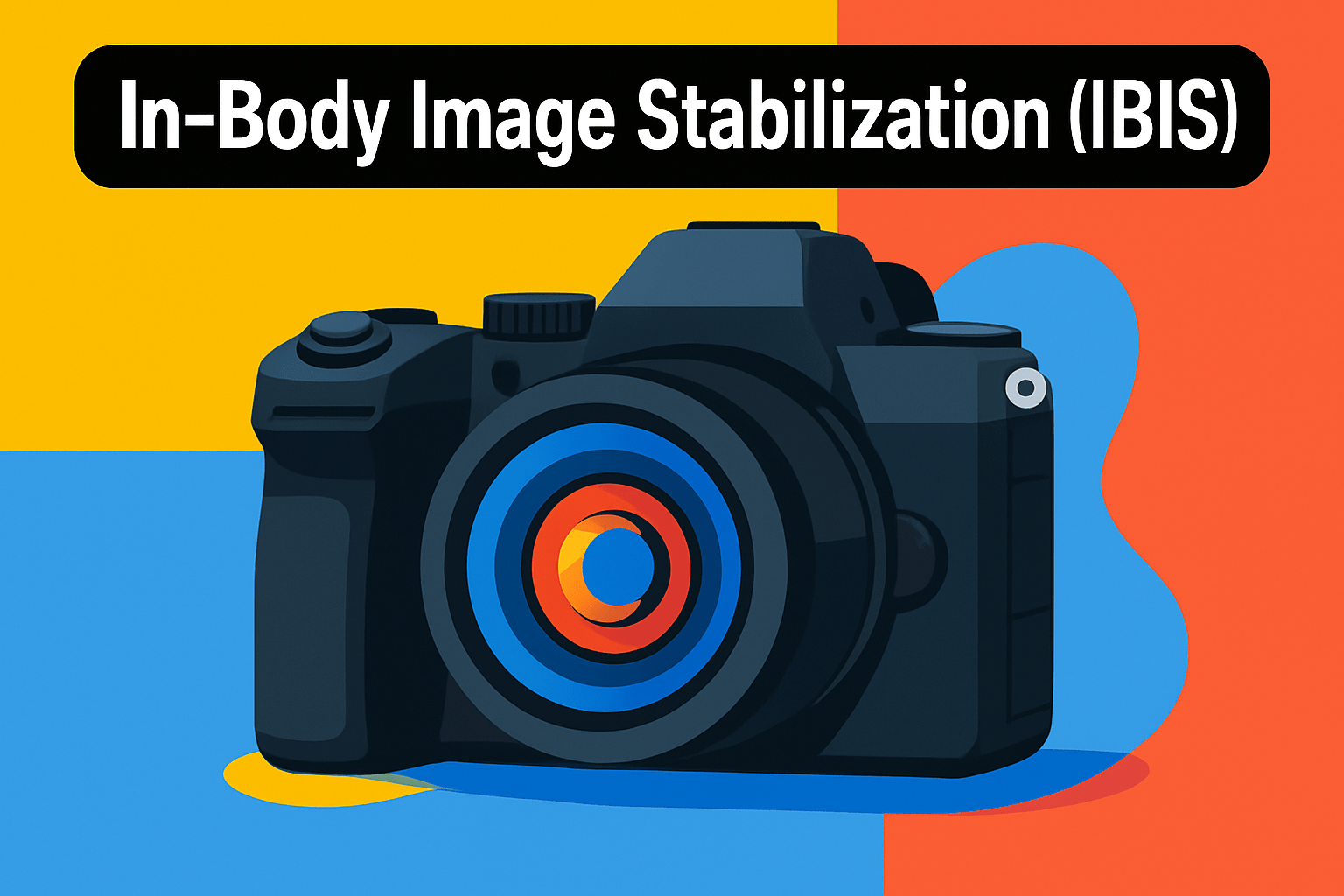
In-body image stabilization (IBIS) is one of those features that quietly changes how you shoot. Instead of relying purely on lenses or rigs, IBIS moves the sensor to counteract hand and body shake across five axes — X/Y shifts, roll, pitch and yaw — which makes a huge difference for handheld video and low-light work.
Panasonic’s recent bodies use strong 5-axis IBIS with an extra “Active IS” layer for video. In practice that means noticeably smoother panning and walking shots without a gimbal. On some LUMIX cameras you’ll get very impressive numbers — the GH7, for example, advertises up to 7.5 stops, while S-series bodies bring that stabilizing power to full‑frame sensors.
When you pair IBIS with an OIS lens you get Dual IS, where body and lens coordinate to multiply the effect. Panasonic quotes up to around 6.5 stops of shake reduction for stills in ideal setups. That translates to being able to use slower shutter speeds and still get crisp frames — a real advantage for moody, handheld cinema looks in low light.
That said, IBIS isn’t a magic wand. It handles small, repeatable motion brilliantly, but extreme moves or deliberate cinematic pushes are better served with a gimbal. A smart workflow is to use IBIS for run‑and‑gun or when you need quick setups, and add a gimbal for complicated moves. Combining both often gives the smoothest, most natural motion because IBIS takes the high-frequency jitter out while the gimbal manages big translations and framing.
Finally, remember to toggle IBIS off for tripod shots to avoid micro-corrections, and always test the IBIS + lens combo before a job. Every lens and camera pair behaves slightly differently, so a quick handheld walk around the block will save you headaches on set.
Autofocus Performance for Video
Autofocus in video is one of those features that can make or break a shoot — especially when you’re working solo or moving fast. In recent Panasonic bodies you’ll see a real jump forward because they’ve moved from the old contrast/DFD systems to phase-detection and hybrid AF, which means faster acquisition and much better tracking of people and animals.
The S5 II / S5 IIX is a standout with wide coverage phase-hybrid AF (779 points) that generally nails interviews and run‑and‑gun work. The GH7 and G9 II also benefit from modern PDAF implementations — the GH7’s system is noticeably snappy for moving subjects, while the G9 II’s 225-area detection is great when you need reliable subject re-acquisition in outdoor or documentary situations.
That said, Panasonic AF still isn’t always as aggressive or predictive as Sony’s best systems in tricky light or contrastless scenes. Hybrid AF helps in low light, but you’ll sometimes see brief hunting or latency, so don’t rely on autofocus for every cinematic moment where a precise rack focus matters.
My workflow: use AF for interviews, run‑and‑gun, and follow shots where keeping eyes sharp matters, and switch to manual for planned cinematic moves, focus pulls, or when lighting is low and contrast is weak. Pair AF with IBIS or a gimbal to keep your tracking smooth; the two together are a very strong combo on Panasonic bodies.
Practical touches matter: enable eye/face detection for talking-heads, keep firmware updated, and practice back-button AF so you can lock focus when needed. For critical shots, use focus peaking, magnification, and pre-focus points to avoid surprises.
In short, modern Panasonic AF is now usable and often excellent for video, but pair it with sensible manual techniques and camera-specific testing so you get the reliability you need on set.
What People Ask Most
What is the best Panasonic camera for filmmaking?
The best choice depends on your priorities like sensor size, stabilization, and recording needs. Full-frame models suit high-end workflows while Micro Four Thirds bodies offer portability and advanced video features in a smaller package.
Is the Panasonic Lumix GH5 good for filmmaking?
The GH5 has been a popular video workhorse and remains capable for many projects. If you want newer autofocus and cooling improvements, compare it with more recent GH-series models before deciding.
How does the Panasonic S1H compare to the GH5 for filmmaking?
The S1H is a full-frame, cinema-oriented approach while the GH5 is a Micro Four Thirds, video-focused body that emphasizes portability. Choose based on desired shallow depth of field, low-light performance, and how much gear you plan to carry.
Which Panasonic camera has the best video quality for filmmakers?
Models with full-frame sensors and pro codec options generally deliver the most flexible image quality for grading and high-end workflows. Some Micro Four Thirds bodies offer advanced raw and high-frame-rate recording but trade off sensor size and low-light performance.
Can the Panasonic S5 handle professional filmmaking?
Yes, the S5 series is designed as a hybrid that can fit professional workflows when paired with the right lenses and codecs. Variants with enhanced cooling and pro recording options are especially suited to longer takes and demanding shoots.
What features should filmmakers look for in a Panasonic camera?
Prioritize things like reliable autofocus, in-body stabilization, cooling and recording limits, and codec/profile options to match your workflow. Ergonomics, battery life, and sensor size are also important for the types of shoots you do.
Are Panasonic mirrorless cameras suitable for cinema productions?
Many Panasonic mirrorless models are well suited to cinema productions, particularly those with pro codec support and active cooling. Full-frame pro models and higher-end MFT bodies can both serve professional needs when matched to the production scale and shooting style.
Conclusion for Best Panasonic Camera for Filmmaking
Choosing the right Panasonic for filmmaking comes down to matching sensor size, stabilization, autofocus, recording limits, and portability to the stories you want to tell.
Full-frame options give pro-level codecs and handling for demanding workflows, while the MFT lineup delivers compact, highly stabilized choices from advanced to budget-friendly bodies suited to run‑and‑gun and gimbal work.
Prioritize modern PDAF and robust IBIS if you shoot solo or move a lot, and double‑check cooling and recording limits, ergonomics, and battery life for long takes or field shoots.
If you want to sharpen your craft, read more articles on our site to explore techniques, workflows, and gear guidance that will help you get more from your camera choices.
Please leave a comment below with your questions or experiences — we usually reply within a few hours and enjoy helping readers dial in their setups.



0 Comments