
Which of these five cameras will elevate your short film: a budget-minded cinema body for cinematic color, a hybrid photo/video powerhouse for mixed shoots, a compact solo‑filmmaker rig built for mobility, a documentary-ready run‑and‑gun workhorse, or a low‑light slow‑motion specialist for night scenes?
They’re about matching tools to storytelling. This guide compares those five options and explains which projects and shooters each best serves.
If you’re an indie filmmaker cutting your teeth on micro‑budgets, a solo shooter juggling camera and sound, a documentary maker chasing real life, or a seasoned pro balancing crews and clients, this piece is for you.
You’ll find frank takes on ergonomics, workflow, and the trade-offs that matter on a tight schedule. We’ll focus on real-world outcomes rather than marketing slogans.
We weigh things that affect your day on set: handling, lens choices, low‑light capability, battery and media workflow, and how easy a camera is to move and maintain.
Autofocus and stabilization get attention too, because they can make or break a solo shoot. Expect comparisons framed by shooting scenarios so you can imagine each camera in your own project.
No matter your budget or ambition, the right camera is the one that lets you tell your story without getting in the way. Read on and we’ll match camera personalities to practical needs — from nimble mobility to cinematic image quality.
By the end you’ll be closer to choosing the best camera for your short film.
1. Blackmagic Pocket Cinema Camera 6K G2 Overview

Blackmagic Pocket Cinema Camera 6K G2
Compact professional filmmaking tool delivering rich color, high dynamic range, and flexible codecs for film-grade productions and efficient workflow
Check PriceThe Blackmagic Pocket Cinema Camera 6K G2 is a filmmaker’s tool built around 6K RAW recording and a compact, lightweight design. In practice it delivers cinematic image quality that punches well above its price, which is why it’s positioned as excellent value for indie filmmakers.
As someone who shoots short films, I appreciate how RAW recording lets you push highlights and recover shadows in post without breaking the bank. The camera’s portability makes it easy to move between locations quickly, and it’s genuinely helpful for solo shooters or small crews who need professional-grade footage in a compact package.
Its user-friendly interface smooths the learning curve, so you spend less time fighting menus and more time shaping shots. That said, you should plan for shorter battery runs; limited battery life means frequent swaps or external power solutions on longer shoots.
Autofocus is serviceable but not class-leading, so for critical focus work or fast-moving subjects you’ll likely rely on manual focus or careful setups. Overall, if your priority is cinematic quality on a budget and you can manage the battery and focus limitations, the 6K G2 is a standout choice for short films.
- High-quality cinematic footage (6K RAW)
- Compact, lightweight and portable
- Excellent value for indie filmmakers
- User-friendly interface
- Limited battery life
- Autofocus not as robust
2. Canon EOS R5 C Overview

Canon EOS R5 C Body Only
Hybrid powerhouse merging high-resolution stills with professional video features, fast autofocus, and robust stabilization for demanding creators
Check PriceThe Canon EOS R5 C is a true hybrid body: it pairs high-resolution stills capability with 8K video recording, which makes it a compelling choice if you need both photo and motion in one package. Its excellent autofocus and robust build quality give it the kind of reliability professionals expect on set.
That 8K for very high-resolution footage isn’t just a marketing line — it gives you detail and latitude that help when grading or delivering for large formats. For short films that may be shown on festival screens or high-res platforms, that extra resolution is a real advantage.
Autofocus on the R5 C is fast and accurate, and users consistently praise its tracking performance; this can save time on runs and reduce the need for constant pulling in run‑and‑gun situations. The durable construction also means it stands up to professional use day after day.
There are trade-offs to consider. Overheating reported during prolonged video recording is something to plan around for long takes or extended continuous shooting. Also, the camera’s feature set can be complex for beginners, so expect a learning curve before you unlock its full potential.
In short, the R5 C is best for filmmakers who need top-tier image quality and hybrid flexibility and who are comfortable managing advanced features and the occasional thermal limitation. For pros who demand both stills and cinematic motion from a single, rugged body, it’s mostly an excellent fit.
- Versatile for both photography and videography
- 8K for very high-resolution footage
- Fast, accurate autofocus praised by users
- Durable construction suitable for professional use
- Overheating reported during prolonged video recording
- Feature set can be complex for beginners
3. Sony FX3 Overview
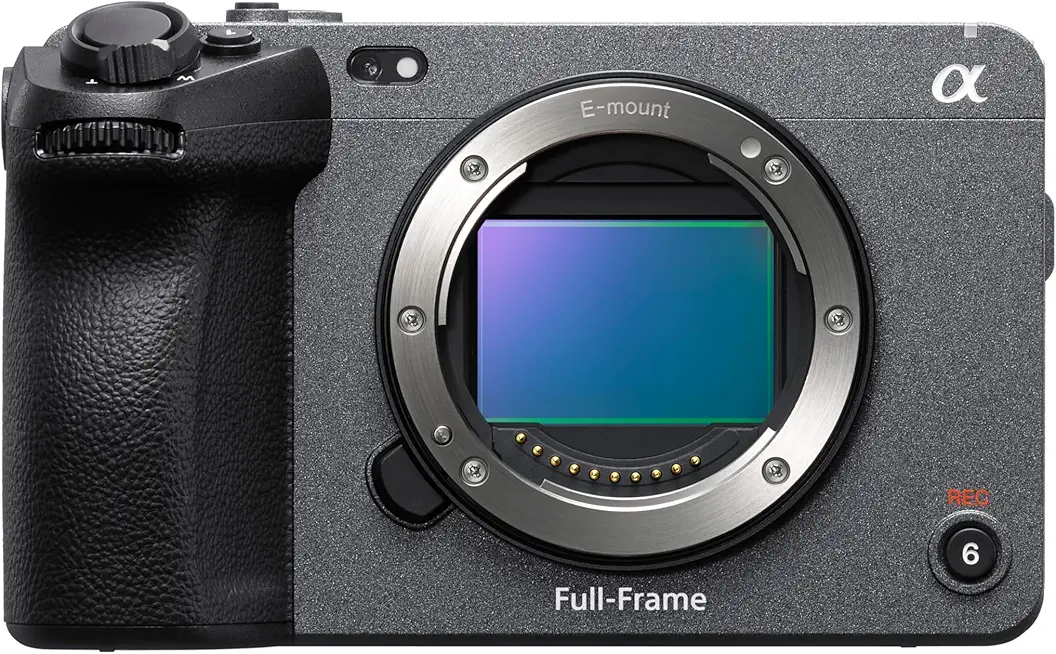
Sony Alpha FX3 ILME-FX3A
Compact low-light specialist offering exceptional high-ISO performance, filmic color science, and silent operation for run-and-gun filmmakers
Check PriceThe Sony FX3 is a compact full-frame camera built with solo shooters in mind. It brings Sony’s S‑Cinetone color science into a travel- and run‑and‑gun friendly body, so you get cinematic hues straight out of the camera without heavy grading. As a working filmmaker, that fast path to a filmic look saves time on set and in the edit bay.
Its full-frame sensor gives you real low-light performance and control over depth of field, which is huge for short films where mood and separation matter. Pair that with the FX3’s lightweight build and you have a kit that’s easy to move with between locations and quick to set up for multiple shots.
Handling is where the FX3 really shines for one‑person crews — it’s praised for being easy to handle in challenging conditions and feels natural when you’re juggling camera, sound, and directing. Because it was designed for solo filmmakers, the ergonomics favor quick changes and straightforward operation under pressure.
Be mindful of a couple trade-offs: Sony’s cinema‑style bodies sometimes have fewer native lens options compared with other Sony lines, so plan your glass ahead of time. Also, the FX3 lacks built‑in stabilization, so expect to use a gimbal or external stabilization for smoother moving shots; despite that, it’s mostly a great choice if you want a compact, cinematic setup that performs well in low light.
- Lightweight, travel- and solo-friendly design
- Cinematic S‑Cinetone color
- Full-frame low-light performance and depth of field
- Easy to handle in challenging conditions
- Fewer native lens options compared with other Sony lines
- No built-in stabilization; requires external stabilization for some shots
4. Panasonic Lumix GH6 Overview

Panasonic LUMIX GH6 Body Only
Versatile hybrid system built for creators: advanced video codecs, high-frame-rate capture, and rugged design for professional production environments
Check PriceThe Panasonic Lumix GH6 is a filmmaker’s tool built around practical video features rather than stills bragging rights. It uses a Micro Four Thirds sensor and shines where mobility and video codecs matter most, offering 5.7K capture and Apple ProRes options that give you clean, editable files straight out of camera.
If you shoot documentaries or run‑and‑gun projects, the GH6’s compact, lightweight body is a real advantage. It’s easy to shoulder for long days, jump on a gimbal with, or carry between locations without killing your back.
One of the things I rely on daily is its in-body stabilization. The IBIS smooths handheld footage so you can get usable, cinematic shots without a lot of rigging. Combine that with robust build quality and advanced video capabilities, and you’ve got a camera that handles varied shooting conditions reliably.
There are trade-offs to accept. The Micro Four Thirds sensor simply won’t match full-frame rivals for low-light performance or absolute dynamic range. If your short film lives in dimly lit interiors or you need the broadest latitude for heavy grading, you should factor that in.
Overall, the GH6 is mostly a practical choice: powerful codecs, excellent handheld performance, and a body designed for fast-paced shoots. For documentary filmmakers, solo shooters, and anyone who values mobility and pro-level video workflows, it’s a great, sensible option.
- 5.7K resolution and Apple ProRes recording options
- Compact and lightweight for run‑and‑gun work
- In-body stabilization for smooth handheld footage
- Versatile across varied shooting conditions
- Micro Four Thirds sensor less ideal for low-light versus full-frame
- Limited dynamic range compared with full-frame cameras
5. Sony a7S III Overview

Sony Alpha 7S III
Ultra-sensitive full-frame performer delivering unrivaled low-light clarity, smooth 4K recording, and reliable autofocus for cinematic storytelling
Check PriceThe Sony a7S III is a go-to for filmmakers who regularly shoot in tough lighting. Its headline strength is exceptional low-light performance, which makes night scenes and dim interiors much easier to expose cleanly.
On the motion side it delivers 4K at 120fps, giving you smooth slow‑motion without sacrificing image quality. That frame rate opens creative options for dramatic slow-motion storytelling and action beats.
Autofocus on this body is fast and accurate, which is a real advantage when you’re working with moving subjects or a small crew. The responsive AF lets you spend less time pulling focus manually and more time directing the scene.
Build-wise it’s described as durable and professional, so it holds up on longer shoots and in more demanding environments. That reliability matters when you’re shooting tight schedules or overnight shoots.
There are some trade-offs to consider. Still photographers will note the limited resolution at 12MP, so if you need high-res stills from set, this isn’t the best pick.
Also factor in lens costs — native lenses can be expensive, which affects your overall kit budget. For filmmakers focused on cinematic low-light performance and flexible high-frame-rate options, the a7S III remains an excellent, practical choice.
- Outstanding low-light capability
- Smooth 4K@120fps slow-motion
- Fast, accurate autofocus
- Durable, professional build
- Limited stills resolution (12MP)
- Native lenses can be expensive
Autofocus Considerations for Short Films
Focus sells a story. For short films, sharp focus or deliberate lack of it is a creative choice, not an accident. Autofocus can be a huge time-saver—especially when you’re a one-person crew—but it’s important to know when to trust it and when to take control.
Most cameras offer AF-S (single), AF-C (continuous) and subject-tracking or face/eye-detection modes. AF-S is great for static setups, AF-C for moving talent, and eye/face tracking helps keep a close-up crisp when actors shift subtly. I use back-button focus so AF becomes a tool I engage only when I want it.
Autofocus has limits. It can hunt in low contrast, be fooled by foreground elements, or grab the wrong face when multiple actors cross frame. Complex lighting, reflections, and very shallow depth of field are common troublemakers. Always test the AF behavior on your lenses and in the location lighting before you roll.
Manual focus remains king for intentional focus pulls and repeatable marks. When you need precise, cinematic rack focus or plan multiple takes with identical actor blocking, mark distances and use a follow focus. That said, AF is invaluable for run‑and‑gun moments or unpredictable performances—think of it as your safety net.
To get the best AF performance, pick bodies with proven systems—Canon’s Dual Pixel AF or Sony’s Real-time Eye AF are excellent examples—and pair them with fast, well‑calibrated lenses. Use larger AF point groups rather than single-point pixel hunting, enable face/eye detect for dialogues, and keep firmware and lens calibration current.
Combine tools: start with AF to find your subject, then switch to manual and engage focus peaking or magnification for final confirmation. Rehearse camera movement with actors, and if possible, give your autofocus a simple, uncluttered foreground to avoid mis-locks. Proper prep turns autofocus from a gamble into a reliable ally.
Essential Equipment for Short Films
When assembling gear for a short film, start with priorities, not the flashiest camera. Image quality helps, but clean sound and thoughtful lighting change your film more than an extra megapixel. Budget your kit so audio and lights get a healthy share — audiences forgive a basic camera far less than bad sound or flat lighting.
Pick a camera body that matches your workflow: DSLR/mirrorless for hybrid shoots, or a small cinema body for dedicated video work. Choose something you can comfortably rig, power, and operate for the whole shoot. Think about spare batteries, reliable media cards, and ease of menu use under pressure.
Lenses shape the look more than the camera itself. A mix of primes for shallow depth and character, plus a versatile zoom for framing and speed, will cover most needs. Match focal lengths to your story — wider for environment, longer for intimate coverage — and invest in one fast prime for low‑light scenes.
Lighting is storytelling. Even a simple three‑light setup — key, fill, and back — gives you control over mood and depth. Prioritize portable, dimmable fixtures that you can shape with diffusion and flags; they make location work easier and keep your images consistent.
Never skimp on sound. An external shotgun mic and a portable field recorder are essential, and lavalier mics will save you in dialogue-heavy scenes. Record scratch tracks and check levels constantly; a great image with poor audio won’t play in any festival.
Support and post finish the picture. Use a sturdy tripod for static coverage and a gimbal for moving shots. For post, choose software that matches your needs — Premiere, Final Cut, or DaVinci Resolve — and plan storage with fast SSDs and backup drives or cloud copies to protect your footage.
What People Ask Most
What is the best camera for shooting a short film?
There is no single best camera; the right choice depends on your budget, shooting style, and crew size. Pick a camera that balances image quality, usability, and the features you need for your project.
What camera do independent filmmakers use for short films?
Independent filmmakers often choose compact cinema cameras or mirrorless bodies that offer good image quality and portability. They prioritize tools that fit their workflow and allow creative control without excessive cost.
Is mirrorless or DSLR better for shooting short films?
Mirrorless cameras are commonly favored for video because of their size and modern video-oriented features. DSLRs can still produce excellent results, but the decision should be based on the features you need and the lenses available to you.
Can I shoot a professional-looking short film on a smartphone?
Yes, smartphones can deliver professional-looking results with careful lighting, stabilization, and good sound capture. Attention to composition and post-production will also greatly improve the final look.
What camera features are important for filming a short film?
Look for reliable autofocus, good low-light performance, ergonomic controls, and flexible recording options that suit your editing workflow. Ease of use and lens compatibility are also important for efficiency on set.
Do you need 4K for a short film?
4K is useful for extra framing flexibility and future-proofing, but it is not strictly necessary for a strong final film. Choose a resolution that matches your distribution plans and editing capacity.
What lenses are best for shooting a short film?
A mix of prime lenses for shallow depth of field and zooms for quick framing flexibility works well on most sets. Select focal lengths that achieve the visual style you want while fitting your budget and shooting needs.
Conclusion for Best Camera for Short Films
Choosing between these five cameras ultimately comes down to trade-offs among budget, low‑light performance, portability, and hybrid stills/video capability.
Match your choice to the project: budget-minded indie films, night‑heavy shoots, run‑and‑gun documentaries, or hybrid photo/video workflows each favor different camera strengths.
Also weigh practical factors such as battery life, autofocus behavior, stabilization needs, and postproduction workflow before you commit to a body or kit.
To improve your skills and make smarter gear decisions, read more articles on our site for hands-on tips, comparisons, and workflow advice.
Have a specific project or gear question? Leave a comment below and we usually reply within a few hours.



0 Comments