

What Canon camera will actually turn your music video from DIY footage into a cinematic visual statement? Is it a compact run‑and‑gun model, a midrange all‑rounder, or a flagship hybrid built for slow motion and heavy grading?
This guide compares five Canon mirrorless bodies chosen specifically for music-video production, weighing real-world performance, ergonomics, and price. I’ll translate technical features into on-set impact so you can make a confident, creative choice.
You’ll encounter options that span high-resolution, cinema-capable bodies to affordable compacts that punch far above their weight. Across the set you can expect fast autofocus, steady in-body stabilization, and color profiles designed with grading in mind.
We’ll focus on what truly matters to directors and DPs: frame rates for dramatic slow motion, color latitude for grading, and dependable autofocus for moving performers. Lens compatibility, recording limits, and battery life often influence real shoots more than headline specs.
Whether you’re staging tightly choreographed dance numbers, moody narrative pieces, or raw live-club performances, the camera shapes both look and workflow. By the end, you’ll know which Canon approach matches your creative aims, crew size, and budget.
No matter your experience level, practical insights and real-world comparisons will help you avoid costly mistakes and get cinematic results faster. Let’s cut through jargon and find the Canon body that lets your music and visuals sing together.
1. Canon EOS R5 Music Videos

Canon EOS R5 Mirrorless Camera Body Only
High-resolution full-frame sensor delivers stunning 45MP images, professional-level performance, advanced autofocus, and 8K video for demanding creators.
Check PriceThe Canon EOS R5 is a top-tier hybrid that, as a music-video tool, gives you serious creative latitude. It records cinematic 8K RAW plus 4K at 120fps, which is fantastic for capturing fine detail, pushing heavy grades, and creating smooth slow‑motion moments that stand out on-screen.
Autofocus is a real differentiator: Dual Pixel CMOS AF II delivers extremely fast, accurate tracking in dynamic and low‑light situations. For performances with moving subjects or quick camera moves, that AF reliability means fewer missed takes and more usable footage.
IBIS on the R5 is praised for producing smooth handheld and run‑and‑gun shots, so you can move with performers and still get steady, cinematic results. That stability combined with high-resolution capture makes on-location shoots far more forgiving when you don’t have a full rig.
On the color side, Canon Log 3 paired with 10‑bit 4:2:2 recording gives you a professional-grade starting point for grading and preserving dynamic range. The combination of high bitrate color and RAW options means you can craft bold looks without destroying highlight or shadow detail.
There are caveats: long 8K or high‑bitrate 4K recording sessions can overheat, particularly in warm environments, so plan your shooting cadence and cooling accordingly. Also, the RF lens ecosystem remains pricey, so factor lens costs into your budget if you want to maximize the R5’s video potential.
- Fast, reliable AF that tracks moving subjects
- 8K RAW & 4K 120fps for detail and slow motion
- IBIS gives stable handheld footage
- Canon Log 3 + 10‑bit 4:2:2 for grading
- Can overheat during extended 8K/high‑bitrate 4K recording
- RF lens ecosystem is expensive; not all optimized for video
2. Canon EOS R6 Mark II Music Videos
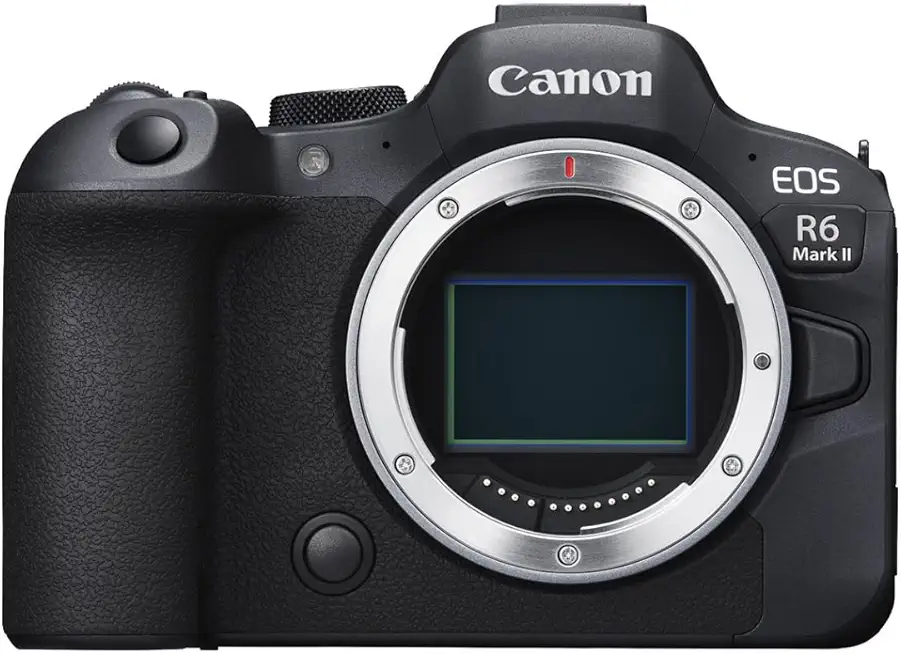
Canon EOS R6 Mark II Mirrorless Camera Body Only
Versatile high-speed full-frame body with improved autofocus, silent shooting, 4K/60p video, and exceptional low-light performance for hybrid shooters.
Check PriceThe Canon EOS R6 Mark II is the kind of camera I reach for when I need pro-level video without the headaches. It balances high-end features with practical usability, so you get cinematic results without a steep learning curve.
Its 6K-oversampled 4K 60p delivers very sharp, low-noise footage that stands up well to grading and cropping. That oversampling gives you clean detail and more latitude in post, which is great for music videos that need crisp, punchy visuals.
Autofocus is genuinely impressive — described as “lightning-fast” — and it tracks moving subjects and multiple performers with confidence. For run-and-gun band shoots or choreographed performances, that reliability keeps eyes, faces, and movement in focus without constant manual pulling.
Unlimited recording time removes the stress of long takes or multi-song shoots, so you can capture extended performances without interruption. The IBIS is effective for handheld work, producing smooth, usable footage even when you’re moving through tight spaces or doing run-and-gun coverage.
Who it’s for: filmmakers and music-video creators who need excellent 4K detail, dependable autofocus for dynamic scenes, and the freedom to record long takes. Be aware the trade-offs are a slightly reduced dynamic range in very high-contrast scenes and the cost of the RF lens ecosystem.
- 6K-oversampled 4K 60p — sharp, low noise
- “Lightning-fast” AF with strong subject tracking
- Unlimited recording time for long takes
- Effective IBIS for handheld shooting
- Slightly lower dynamic range in high-contrast scenes
- Expensive RF lens ecosystem; not all lenses video-optimized
3. Canon EOS R8 Music Videos
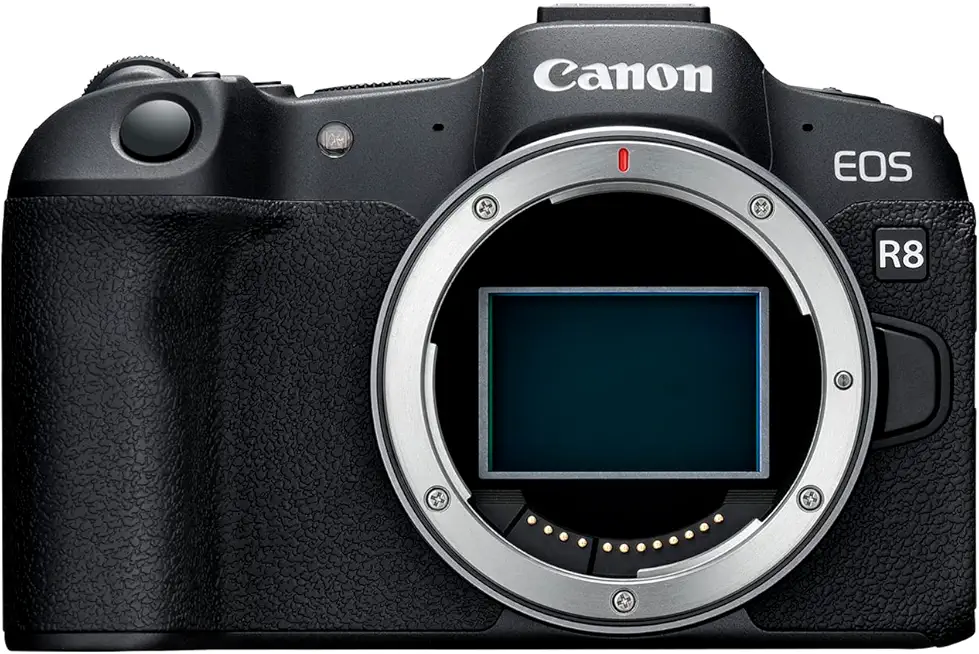
Canon EOS R8 Mirrorless Camera Body
Compact, lightweight full-frame option offering fast autofocus, superb image quality, reliable stabilization, and user-friendly controls for everyday creators.
Check PriceThe Canon EOS R8 is a refreshingly capable, more affordable full‑frame option that punches above its weight for music‑video work. Its combination of a compact, lightweight body and solid video features makes it a practical choice for indie shoots and run‑and‑gun sessions.
On location the R8 is easy to carry and quick to rig, which matters when you’re juggling lights, talent, and tight schedules. The form factor speeds setups and keeps gimbal or shoulder setups less fatiguing over long days.
Autofocus is a standout — fast and accurate even in low light — so you can trust it with moving performers and quick blocking changes. The camera records 4K 60p that’s sharp and detailed with good color reproduction, giving you clean footage for both social edits and short films. IBIS also does its job well, reducing shake for handheld or stealthy run‑and‑gun shots.
Two realistic caveats: the dynamic range is slightly lower than some higher‑end models, so extreme highlight/shadow recovery during heavy grading is more limited. Also be mindful that the RF lens ecosystem can be expensive and not every glass is perfectly optimized for video, which affects total kit cost and choices.
All told, the R8 is a very good camera for music videos if you prioritize portability, reliable AF, solid 4K60p capture, and in‑body stabilization without paying flagship prices. It’s especially suited to indie directors, small crews, and mobile shooters who need dependable results fast.
- Compact and lightweight for on-location shoots
- Fast, accurate AF in low-light conditions
- 4K 60p sharp and detailed with good color reproduction
- IBIS works well with most RF lenses
- Dynamic range slightly lower than some competitors
- RF lens ecosystem is expensive; not all lenses optimized for video
4. Canon EOS R7 Music Videos
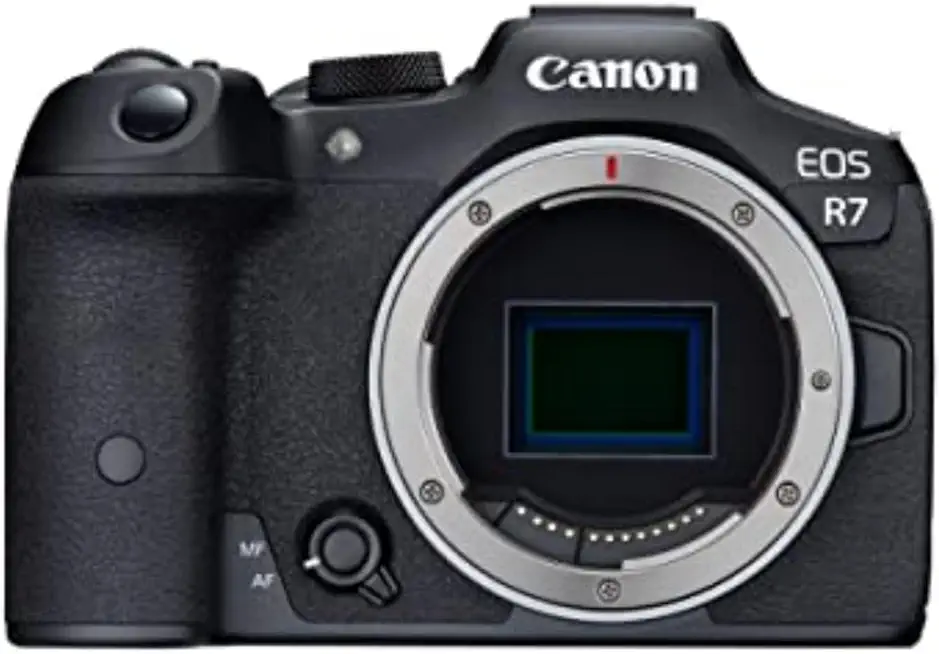
Canon EOS R7 Mirrorless Camera Body APS-C
High-resolution APS-C powerhouse with rapid continuous shooting, robust autofocus tracking, built-in stabilization, and rugged build for action and wildlife photography.
Check PriceThe Canon EOS R7 is a compact, versatile choice that I often recommend to music-video creators who need pro-level results without lugging full cinema gear. It’s built for run-and-gun shooting and location work thanks to a lightweight body and effective IBIS that keeps handheld footage steady.
Where the R7 really shines is video quality: it uses 7K oversampled 4K 60p to produce sharp, low-noise footage. That oversampling gives you cleaner images and more detail to work with in post, which is ideal when you want punchy, punch-in-able frames for quick edits or creative reframing.
Autofocus is another standout — described as “lightning-fast” and highly accurate for moving subjects and multiple performers. That makes the R7 reliable for music videos with choreography or dynamic camera moves, so you spend less time wrestling focus and more time capturing performances.
For solo shooters and small crews, the combination of compact size, dependable AF, and IBIS means you can move fast and still get polished results. It’s a camera that lets you be creative on location while delivering technically strong footage that holds up through grading.
Be mindful of a couple of limits: dynamic range is slightly lower than some competitors, so very high-contrast scenes can be trickier to grade. Also, the RF lens ecosystem is relatively expensive and not every lens is optimized for video, which can add to overall costs.
- 7K oversampled 4K 60p — sharp, low-noise footage
- “Lightning-fast” autofocus for moving subjects
- IBIS effective for handheld/location work
- Compact, lightweight design — easy to carry
- Dynamic range slightly lower than some competitors
- RF lens ecosystem is expensive
5. Canon EOS R50 Music Videos

Canon EOS R50 Mirrorless Camera Kit RF-S 18-45mm IS STM
Starter-friendly kit combining a nimble body and versatile wide-to-standard stabilized lens, ideal for vlogging, travel, and everyday photography.
Check PriceThe Canon EOS R50 is a budget-friendly option that punches above its price for music-video work. Its compact, lightweight body makes it ideal for quick setups and location shoots where mobility matters.
Autofocus is fast and accurate, even in low light, so you can confidently track performers during energetic takes. The camera records 4K 60p that’s sharp and detailed with good color reproduction, giving you footage that grades well without needing heavy fixes.
IBIS is effective, which helps stabilize handheld shots when you don’t have a gimbal or when you’re doing run-and-gun shooting. For indie bands, solo artists, or small crews, the R50 offers a practical balance of image quality and usability that keeps production simple and reliable.
Keep in mind its dynamic range is slightly lower than some higher-end models, so you may need to expose carefully in high-contrast scenes. Also factor in lens costs: the RF ecosystem can be expensive, and not all lenses are optimized for video.
- Compact and lightweight for on-location shoots
- Fast, accurate AF in low-light conditions
- 4K 60p sharp and detailed with good color reproduction
- IBIS works well with most RF lenses
- Dynamic range slightly lower than some competitors
- RF lens ecosystem is expensive; not all lenses optimized for video
Choosing Lenses and Mounts for Music Videos
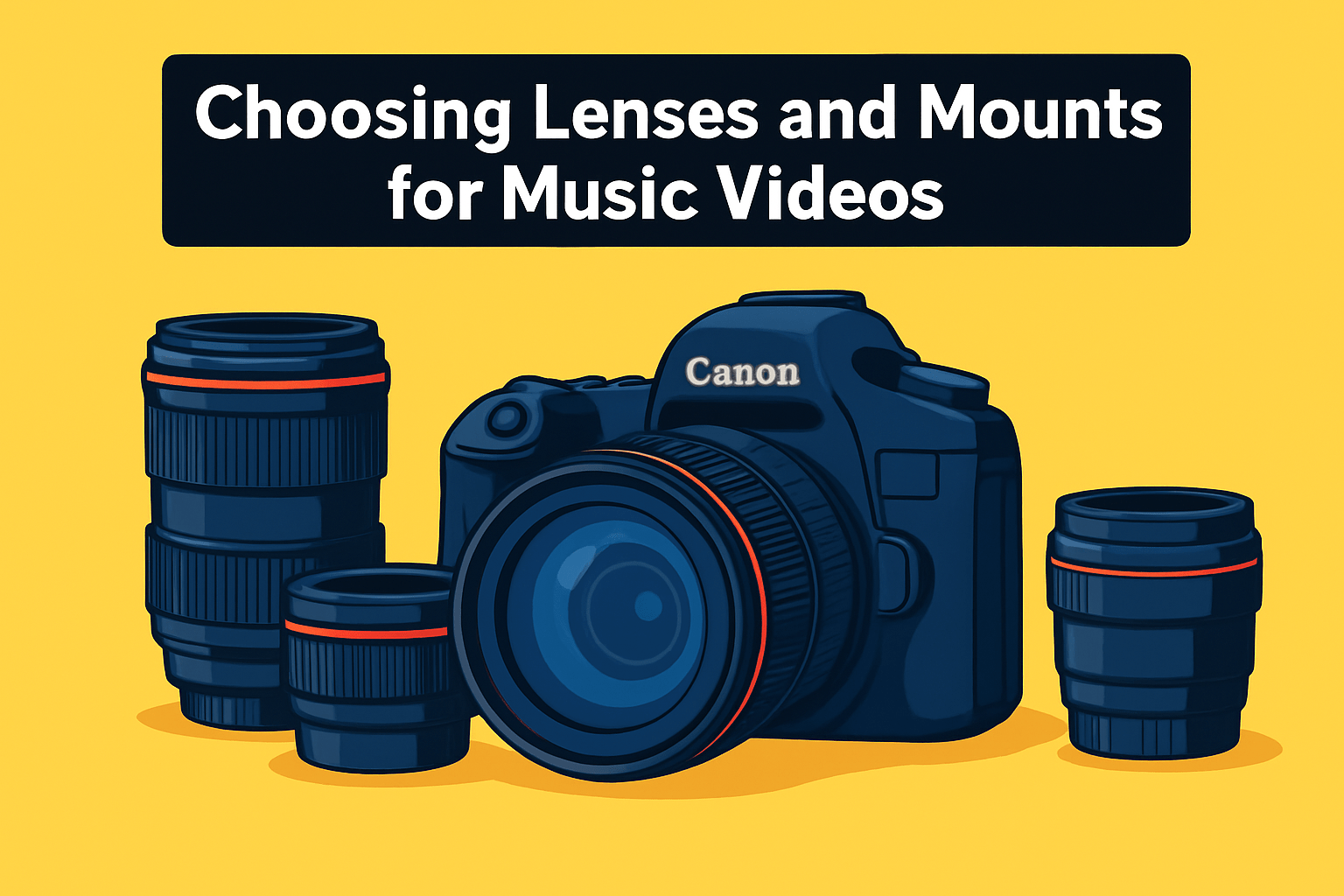
Choosing the right lenses and mount will shape the look and workflow of your music video more than almost any other decision. If you need versatility and speed on a live set, a 24–70mm F/2.8 zoom is the workhorse: it covers wide-to-portrait focal lengths, handles changing stage distances, and lets you stay agile during run-and-gun shoots. For a more cinematic, controlled look, bring a trio of primes — think 35mm, 50mm and 85mm — or rent Zeiss/Leica cine primes for their character, micro-contrast and gentle roll-off.
Anamorphic glass is worth considering when you want that widescreen cinematic presence and signature flares. It changes your framing, requires de-squeeze in post and often demands more careful focus, but the unique bokeh and horizontal flare language can instantly elevate a pop or narrative video. If that’s outside the budget, modern RF/EF primes still deliver gorgeous separation and creamy backgrounds at faster apertures.
Mount compatibility matters practically. Canon’s mirrorless RF mount is the future-facing choice, but the EF catalog is enormous and often more affordable. Don’t hesitate to use Canon’s EF-to-RF adapters — they retain autofocus, aperture control and often IS, letting you mix legacy glass with new bodies without losing functionality.
Stabilization and aperture are frequently under-talked. Pair lens optical stabilization with body IBIS whenever possible; the combo is huge for handheld performance shots and run-and-gun takes. For tight low-light venues or dreamy shallow depth of field, favor faster glass (F/1.8–F/2.8), but be mindful that very wide apertures make focus harder with moving performers.
Finally, consider autofocus behavior and lens breathing. For music videos with lots of movement, choose lenses with smooth, quiet AF for on-camera tracking; for stylized work with deliberate pulls, manual cine lenses and a follow-focus give more control. And if you can, rent specialized lenses like anamorphics or high-end cine primes for a day — they’ll teach you what truly changes your video’s feel without committing to the cost long-term.
Optimizing Color Grading for Music Videos
Color grading is where a music video’s mood truly comes alive. Start by deciding the emotional palette you want: warmer tones and crushed blacks for intimate ballads, high-contrast, saturated colors for pop, or teal-and-orange for a classic cinematic punch. Let the song guide the grade — shifts in color and contrast should accentuate lyrical or rhythmic changes.
Technically, always begin by getting your footage into a neutral baseline. If you shot in a Log profile or RAW, normalize the image first to recover highlight and shadow detail. Use waveform and vectorscope to balance exposure and skin tones rather than relying on your eye alone. Protect highlights on instruments and faces, and lift shadows enough to preserve texture without crushing them.
LUTs are a great starting point but treat them like a paint primer, not the final stroke. Apply a camera-specific conversion LUT if you used Log, then dial in lift/gamma/gain and tweak color wheels. I often desaturate backgrounds slightly while keeping midtones and skin tones vibrant — it helps performers pop without making the image look artificial.
Secondary corrections are your friend. Isolate colors for selective boosts, track masks to follow a singer’s face, and use vignettes or local contrast to draw attention. Split-channel grading or subtle channel shifts can create distinctive stylized looks, but keep contrast and skin rendering natural unless the concept demands otherwise.
Noisy high-ISO footage needs gentle denoise before heavy color work; sharpening after grading preserves detail without amplifying artifacts. Match cuts across cameras by nudging color temp and tint, and use scopes to ensure consistent results across scenes.
Finally, check your grade on multiple displays and calibrate your monitor. Export a high-quality master (log or a wide-gamut master) and deliver a Rec.709 or platform-specific version. A well-considered grade will amplify the music, not distract from it — let the song remain the center, and use color to elevate the story.
What People Ask Most
What is the best Canon camera for shooting music videos?
There isn’t a single best option; the right camera depends on priorities like resolution, autofocus, stabilization, dynamic range, and budget. Choose the model that matches your project’s scale and recording needs.
Is the Canon EOS R series good for music video production?
Yes, the EOS R series is well-suited for music-video work thanks to strong autofocus and video-focused features. Many models offer a balance of handheld ergonomics and color tools for creative workflows.
Which Canon DSLR is best suited for filming music videos?
Modern Canon DSLRs can handle music-video shoots, but mirrorless models often provide more advanced video features and autofocus performance. Pick a camera that gives you the video tools and lens compatibility you need.
Can a Canon mirrorless camera deliver cinematic music videos?
Yes, Canon mirrorless cameras can produce cinematic-looking footage when paired with the right lenses, stabilization, and grading. The final look depends more on lens choice, lighting, and post-production than the camera alone.
What Canon lenses are recommended for music videos?
A versatile zoom such as a 24–70mm f/2.8, fast prime lenses for shallow depth of field, and anamorphic options for a widescreen cinematic look are commonly recommended. Favor lenses with reliable stabilization and the optical character you want.
How do I set up a Canon camera for shooting music videos?
Stabilize the camera, select an appropriate autofocus mode, and choose a picture profile or log option if you plan to grade. Monitor exposure and audio closely and test your settings on location before filming.
Does Canon autofocus work well for music video shoots?
Canon’s autofocus systems are generally fast and reliable for tracking moving subjects and multiple performers. They perform well in varied lighting but benefit from good lenses and practice to optimize results.
Conclusion for Best Canon Music Video Cameras
In short, choose by weighing resolution and frame-rate needs, autofocus performance, IBIS, dynamic range and recording limits alongside lens costs to find the best fit for your music‑video projects.
Balance the trade-offs between high-end features and portability or budget, and pick the model that matches your project scale, shooting style, and post‑production workflow.
If you want to sharpen your craft, explore more articles on the site to learn practical tips, techniques, and workflows that will elevate your music‑video shoots.
Have questions or want personalized advice? Leave a comment below — we usually reply within a few hours.



0 Comments