

Which camera lets you disappear into a scene while still capturing the decisive moments that shape a story?
Choosing the right tool is both craft and instinct. This guide cuts through marketing noise to spotlight five standout options for documentary photography and deliver practical, field-tested advice.
Whether you’re a seasoned photojournalist or an emerging visual storyteller, gear must survive long days and unpredictable conditions. We assess usability, durability, and the hybrid demands of stills-plus-video without burying you in specs, and we include buying guidance, pro tips from working shooters, and a concise FAQ to resolve common dilemmas.
Expect candid evaluations of handling, autofocus reliability, low-light behavior, battery life, and lens flexibility—real factors that shape outcomes in the field. By the end you’ll have a tight shortlist and clear reasons to choose one body over another for your next project; pack light, stay curious, and let the camera disappear so the story takes center stage.
1. Canon EOS R6 Mark II For Documentaries
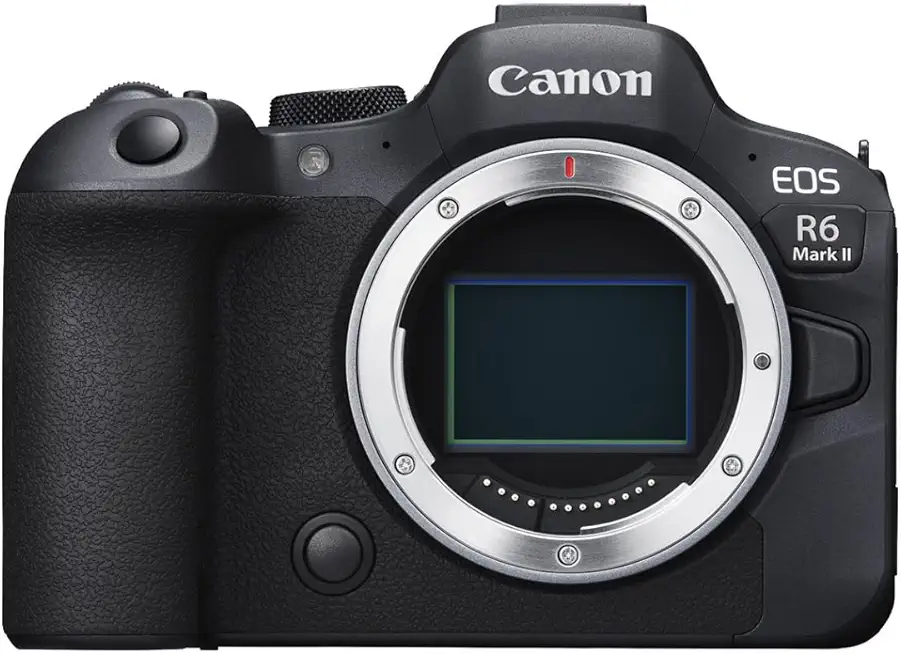
Canon EOS R6 Mark II Mirrorless Camera (Body Only)
Fast, low-light powerhouse delivering responsive autofocus, smooth 4K video, and durable handling for hybrid photo and video creators.
Check PriceThe Canon EOS R6 Mark II is a full-frame mirrorless body built with documentary work in mind. It balances stills and video so you can shoot action and environment without swapping kits mid-assignment.
Its strengths are clear: excellent low-light performance, fast and reliable autofocus, and high burst speeds for sequences. You also get 4K video up to 60p and in-body stabilization that helps when you’re shooting handheld on the move.
Photojournalists and documentary shooters favor this camera for speed and image quality. The AF holds on moving subjects and performs well in difficult lighting, which is exactly what you need when moments are unpredictable.
Users consistently praise the R6 Mark II for accurate AF and strong ISO handling. The robust build stands up to challenging environments, so it won’t let you down on long days in the field.
If you’re a professional after a reliable hybrid stills/video camera, this is mostly a no-brainer: it’s versatile, fast, and forgiving in low light. Be aware it’s slightly bulky for extended handheld use and battery life can be limited under intensive shooting, so pack a spare or plan for shorter handheld stints.
- Excellent low-light performance
- Fast, reliable autofocus
- In-body stabilization for handheld shots
- 4K video up to 60p and high burst speeds
- Slightly bulky for extended handheld use
- Limited battery life under intensive use
2. Sony A7 IV For Documentaries
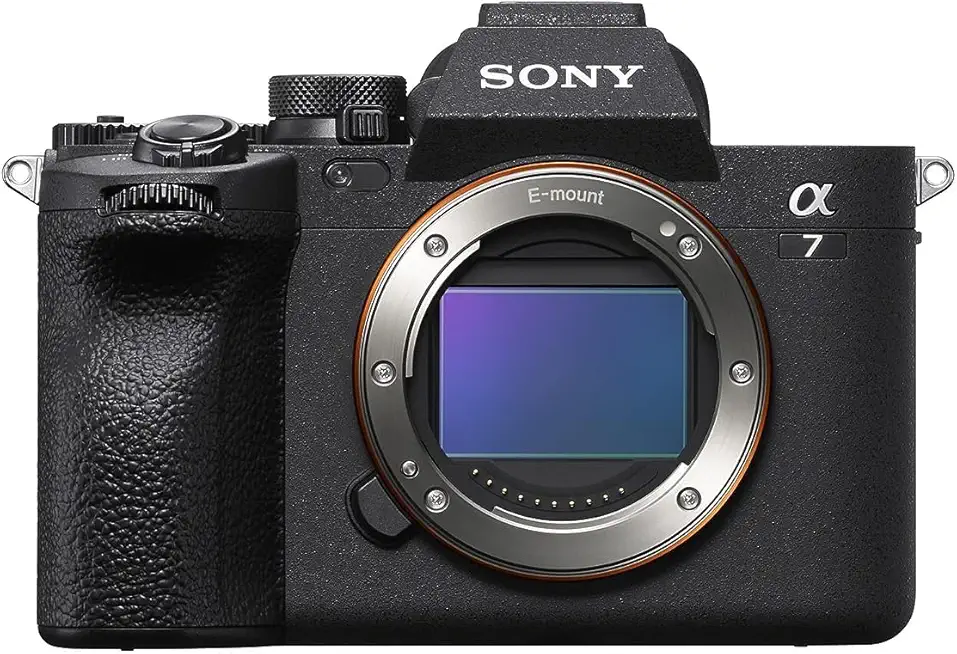
Sony Alpha 7 IV Full-Frame Mirrorless Camera
Versatile imaging solution with superb dynamic range, impressive autofocus, and high-resolution 4K video for professional hybrid creators.
Check PriceThe Sony A7 IV is a full-frame mirrorless camera that hits the sweet spot for documentary shooters who need both stills and video. Its 33 MP sensor gives you plenty of resolution for storytelling and cropping without feeling sluggish during long days on the road.
Autofocus is a standout: advanced AF with Eye AF and reliable tracking make it simple to capture candid human moments, even when subjects are moving. The silent shutter mode is a real asset for discreet, non-intrusive shooting—great for sensitive environments where silence matters.
For hybrid workflows, the A7 IV delivers solid 4K video recording alongside excellent image quality, so you can switch between stills and footage without compromise. Handling is intuitive for extended sessions, which matters when you’re shooting long interviews or following a story across a day.
If you prioritize a versatile, high-resolution body that’s comfortable to hold and dependable in everyday documentary situations, this is a strong choice. The balance between resolution and speed helps you tell visual stories with detail and pace, though you should be aware of a couple of practical limits.
On the downside, autofocus can struggle in extremely low-contrast scenes, and some users report the menu system has a learning curve. Still, for independent documentarians and hybrid shooters wanting stealth, sharp AF, and plenty of detail, the A7 IV is hard to beat.
- 33 MP sensor — lots of resolution
- Very accurate, fast AF with Eye AF
- Silent shutter for discreet shooting
- Great ergonomics for long sessions
- AF can struggle in very low-contrast scenes
- Menu system has a learning curve
3. Panasonic Lumix GH6 For Documentaries

Panasonic LUMIX GH6 Mirrorless Micro Four Thirds Camera (Body Only)
Cinema-oriented Micro Four Thirds body offering high-frame-rate 4K, robust heat management, and professional video codecs for filmmakers.
Check PriceThe Panasonic Lumix GH6 is a Micro Four Thirds mirrorless that feels built for storytellers who shoot both stills and a lot of video. With a 25.2 MP sensor it delivers very good still resolution for MFT, and its compact size makes long days and tight spaces far less tiring.
Where the GH6 really shines is video: native 5.7K60 and 4K120 capture, plus Full HD300 slow-motion, give you cinematic options right in-camera. There are no recording time limits and broad codec support — including Apple ProRes — which makes high-quality, flexible post workflows painless for solo shooters.
As a working documentary photographer I appreciate the GH6’s fast burst shooting and pro-level slow-motion; it’s ideal for hybrid shooters prioritizing video alongside stills. The contrast-detect AF is adequate for video-focused users and generally reliable for planned or controlled shoots, but it won’t match the tracking speed of top phase-detect systems in chaotic, fast-action scenarios.
Bottom line: if your projects lean heavily on video — interviews, run-and-gun documentary segments, or projects where long continuous recording and codec flexibility matter — the GH6 is a strong, compact choice. If you need the absolute best AF tracking or native 6K/dedicated 4K photo modes, be aware of its limits before committing.
- Industry-leading video specs (5.7K60, 4K120, FHD300)
- No recording time limits
- Broad codec support including Apple ProRes
- 25.2 MP stills with fast burst shooting
- AF slower than full-frame phase-detect systems
- Lacks 6K or dedicated 4K photo modes
4. Canon EOS C70 For Documentaries

Canon EOS C70 Cinema Camera (Body Only) RF Mount
Compact cinematic powerhouse with Super35 sensor, RF lens compatibility, internal RAW options, and ergonomic design for run-and-gun productions.
Check PriceThe Canon EOS C70 is a compact Super 35 cinema camera built for documentary filmmakers who need cinema-grade video without lugging a large rig. It shoots 4K at up to 120fps and uses Canon’s Dual Gain Output to deliver an impressive 16 stops of dynamic range.
Its RF mount supports RF and EF lenses, and the body is designed for run-and-gun and solo operation. The touchscreen and advanced AF with face detection make it easy to keep subjects sharp when you’re moving quickly or working alone.
In real-world shooting the C70 stands out for image quality and ISO performance, which users consistently praise. The Dual Gain Output pays off in tough contrast situations and low light, letting you retain highlight and shadow detail that matters for storytelling.
There are trade-offs to consider. The camera does not record RAW internally, which limits ultimate grading latitude compared with some cinema cameras. Also, the RF mount means PL lenses aren’t supported natively, so certain high-end cinema glass options aren’t available without workarounds.
If your projects prioritize mobility, reliable autofocus, and cinematic motion options like 4K120fps slow motion, the C70 is a strong choice. If you need internal RAW or a native PL lens ecosystem for large-scale productions, this camera may feel limiting. For solo documentarians and smaller crews seeking professional video image quality from a compact package, the C70 is mostly a win.
- 16 stops dynamic range (Dual Gain Output)
- 4K120fps slow motion
- Compact and ergonomic for run‑and‑gun
- Accurate AF with face detection and touchscreen
- No RAW video output
- RF mount limits (PL lenses not supported)
5. Nikon Z7 II For Documentaries
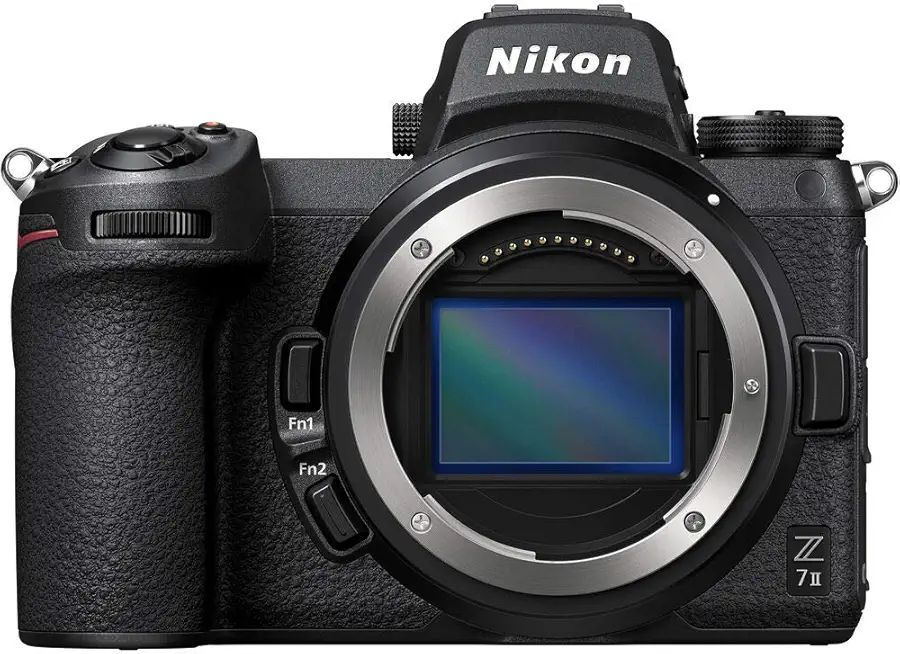
Nikon Z 7II Full-Frame Mirrorless Camera
High-resolution sensor with refined autofocus, dual processors for speed, and excellent dynamic range for demanding stills photographers.
Check PriceThe Nikon Z7 II is a full‑frame mirrorless workhorse built around a 45.7 MP sensor and dual processors that deliver exceptionally detailed stills and snappy responsiveness. If your documentary work leans toward long-term projects where image quality and detail matter — archival portraits, environmental storytelling, or high‑resolution editorial spreads — this camera gives you the latitude to crop, print large, and pull fine detail without compromise.
Ergonomics are a real strength: the body is comfortable for long shoots and handles well handheld, which matters when you’re in the field for hours. The improved autofocus and responsiveness over its predecessor make it more reliable for candid moments, and having 4K video built in adds flexibility if you capture motion alongside stills.
Image sharpness and dynamic range are consistently praised, so you’ll retain highlight and shadow detail across challenging scenes — a big plus for documentary lighting. The robust build inspires confidence in tough environments, letting you focus on storytelling rather than worrying about the gear.
Be realistic about the tradeoffs: 45.7 MP files are large, so expect heavier storage needs and a slower processing workflow. The camera is also a bit bulkier than some mirrorless options, which can matter if you prioritize extreme mobility or stealthy, ultra‑light travel setups.
- Exceptional image detail and sharpness
- Robust build and ergonomics
- Improved performance from dual processors
- Excellent dynamic range
- Large file sizes and slower workflow from high MP count
- Bulkier than some mirrorless competitors
Choosing the Right Camera

Choosing the right camera for a documentary project starts with honesty about what you’ll be carrying and how you’ll work. If you’re walking long distances or shooting all day, a compact, well-built mirrorless body will save your back and keep you shooting longer without fatigue.
Sensor size matters, but it isn’t everything. Full‑frame gives you better low‑light performance and wider dynamic range, which helps with mood and shadow detail. Micro Four Thirds and APS‑C bodies trade a bit of image quality for smaller lenses and a lighter kit, which can be a huge advantage when mobility and discretion are priorities.
Autofocus is one area you don’t want to skimp on. Reliable continuous AF and good low‑light focus are essential for unpredictable scenes and moving subjects. Test tracking in real situations; an AF system that flinches under pressure will make you miss moments.
Remember that lenses tell the story more than the body. I reach for 35mm and 50mm primes for their natural perspective and ease of interaction with subjects. Fast apertures (f/1.8–f/1.4) are lifesavers in dim interiors and help separate people from busy backgrounds.
If you plan to shoot video, prioritize cameras with robust video specs: 4K at useful frame rates, good color profiles or log, and usable slow‑motion options. Hybrid shooters need codecs and heat management they can rely on for longer takes.
Always bring a backup. A small second camera or even a discreet compact can save a story when your main body fails or when a quieter approach is needed. Redundancy matters more than having the latest flagship.
Pack the essentials: extra batteries, several memory cards spread across slots, lens cloths, and a weather‑resistant bag. A dead battery or a scratched filter can stop a shoot faster than any technical limitation of the camera.
Ergonomics influence how you shoot far more than specs on a spec sheet. Choose gear that feels comfortable for long periods and lets you change settings quickly. Your hands should move naturally, not fight the camera.
Finally, match the camera to your story. For intimate, low‑light human stories prioritize sensor and aperture; for fast, chaotic scenes prioritize AF and burst speed. Test your chosen setup in real conditions well before an assignment.
Pro Tips for Documentary Photography
When I head into the field I think like a storyteller first and a gear nerd second. Shoot RAW whenever you can — it gives you breathing room with exposure and color in the kind of messy light documentary work throws at you. Learn to read light quickly so you can choose whether a wide aperture will isolate a subject or a small aperture will lock an environment into context.
Keep your shutter speed honest. I aim for at least 1/60s handheld and push faster for motion or when I’m using longer lenses. Continuous autofocus with good tracking is priceless for unpredictable scenes; use Eye AF for people when the camera offers it, and practise switching AF modes fast so you don’t miss the decisive moment.
Discretion is underrated. Smaller bodies, primes in the 28–35mm range, and a silent shutter make subjects relax and let you capture candid moments. Carry an “incognito” setup — a small backup body with a compact lens — so you can work unnoticed if the situation calls for it.
Hybrid shooters: treat audio with the same respect as your framing. A shotgun and a wireless lav will save you hours in post and often make the difference between usable and unusable footage. Also, keep extra batteries and several formatted cards; split important clips across cards to avoid a single point of failure.
Comfort matters. Pick ergonomics that let you shoot long hours without fatigue and pace yourself during multi-day projects. Check firmware, clean contacts, and run the camera through a real shoot before an assignment so autofocus, stabilization, and video settings behave the way you expect.
Finally, practice storytelling with the lenses you own. The camera is a tool — the story comes from your choices. Stay flexible, stay respectful, and let preparation give you the freedom to react when the moment actually happens.
What People Ask Most
What is the best camera for documentary photography?
There is no single best camera; the right choice depends on your project priorities like portability, low-light performance and lens options. Choose a body that fits your shooting style and allows the lenses and accessories you need.
What features should I look for in a documentary photography camera?
Look for reliable autofocus, good low-light performance, durable build and comfortable ergonomics for long days. Lens flexibility and battery life are also important for practical, sustained shooting.
Is full-frame better for documentary photography?
Full-frame often provides advantages in low-light performance, dynamic range and subject separation, but it can be heavier and less compact. Smaller sensor formats can offer better portability and flexibility depending on your needs.
Can mirrorless cameras be used for documentary photography?
Yes, mirrorless cameras are widely used for documentary work thanks to their lighter weight, advanced autofocus and discreet shooting options. Consider battery life and lens availability when choosing a system.
What lenses are best for documentary photography?
Versatile primes and standard wide-angle lenses are popular for storytelling and environmental shots, while a reliable zoom adds flexibility for changing scenes. Choose focal lengths that suit how close you work to subjects and the perspectives you want to capture.
What camera settings are best for documentary photography?
Shoot in RAW to maximize editing flexibility, use continuous autofocus for moving subjects and select apertures to control depth of field. Keep shutter speeds appropriate for handheld shooting to minimize motion blur and adjust ISO for changing light.
How important is weather sealing and durability for documentary cameras?
Durability and weather sealing are very important for work in challenging environments or long assignments, as they help protect gear from dust and moisture. Even with sealed bodies, using protective cases and carrying backups is a smart practice.
Conclusion for Best Documentary Cameras
This guide compared five capable cameras across portability, autofocus, video capability, resolution and durability so you can see how each one fits different documentary needs.
Use the buying tips here to weigh trade-offs that matter for your projects—think about handling, low‑light performance, AF reliability, video requirements and a sensible backup strategy.
Whenever possible, try gear in hand or rent bodies for a short assignment to confirm comfort, ergonomics and workflow before you buy.
If you’d like to keep improving your skills and refining gear choices, read more articles on the site for practical tips, technique and workflow ideas.
Leave a comment with your situation or questions and we’ll usually reply within a few hours to help you move forward with confidence.




0 Comments