

What makes a photograph stop you mid-scroll and linger? Is it the color palette, the soft bokeh, or a confident composition? If you’ve been hunting the best digital camera for aesthetic photos, this guide is for you.
This short feature distills five standout cameras that reliably produce images with strong visual character. It pairs concise, research-based summaries with hands-on pros and cons. You’ll also get practical shooting and lighting tips you can apply right away.
Whether you prize nostalgic, film-like tones, razor-sharp detail, or a pocketable body you can carry all day, there’s an option here. We weighed image character, handling, autofocus performance, and portability to pick cameras that suit different creative tastes. Expect straightforward advice for choosing gear that complements your vision.
Rather than drowning in spec sheets, you’ll find real-world feedback and quick recommendations. Actionable how-tos focus on practical shooting approaches and lighting strategies you can use immediately.
Short, stylish, and practical—this guide helps you choose and shoot with intention. Read on to find a camera that turns your aesthetic ideas into frame-ready images.
Each camera summary includes real user impressions and the kinds of scenes where it shines. Use the quick comparisons and tips to match a camera to your workflow and style.
1. Fujifilm X100VI Aesthetic Photos

Fujifilm X100VI
Retro styled compact with advanced APS-C sensor, hybrid viewfinder, and bright fixed lens for exceptional street and travel photography.
Check PriceThe Fujifilm X100VI feels like a photographer’s tool built for mood and simplicity. Its classic, retro design and tactile controls invite slower, more deliberate shooting — perfect for street and travel work where aesthetics matter.
What really sells the camera are the in-camera film simulations, including Classic Chrome and Acros. These deliver film-like images straight out of the camera, meaning less time in post and more consistent, recognizable looks.
The fixed 35mm-equivalent lens (23mm f/2) is praised for sharpness and for encouraging thoughtful composition. That fixed focal length forces you to move with the scene, which often leads to stronger, more intentional photos.
Autofocus is fast and reliable in daylight, so you can trust it for quick street moments and everyday scenes. Be aware it can struggle in low light or with fast-moving subjects, so plan accordingly when shooting dim interiors or action.
Compact and lightweight, the X100VI is easy to carry for long shooting days without fatigue. Its strong build quality and intuitive layout make it a joy to use all day, helping keep creative momentum.
Image quality is excellent in both JPEG and RAW, with rich colors and fine detail that showcase the film simulations well. If you want a camera that gives a consistent, filmic aesthetic with minimal fuss, this one is a top choice.
- Film simulations deliver a unique, instantly recognizable aesthetic
- Strong build quality and tactile controls that inspire creativity
- Excellent JPEG and RAW image quality with rich colors and fine detail
- Compact size and fixed lens reduce decision fatigue and encourage focus
- Fixed lens limits versatility (no wide-angle or telephoto options)
- Autofocus inconsistent in low light or with fast-moving subjects
2. Ricoh GR IIIx Aesthetic Photos

Ricoh GR IIIx HDF 40mm f/2.8
Pocketable high resolution compact featuring a sharp 40mm prime, fast aperture, and intuitive controls for candid street and travel shots.
Check PriceThe Ricoh GR IIIx is a tiny, highly discreet camera that street photographers love for its low profile and fast grab-and-shoot capability. Its compactness makes it invisible in everyday life, which is priceless when you want natural, candid moments without drawing attention.
Image quality is a standout. The sharp 40mm-equivalent lens (26.7mm f/2.8) is ideal for candid shots and environmental portraits, delivering clean, detailed images with a natural, slightly vintage look. In-camera filters and processing options let you craft that aesthetic straight out of camera, minimizing editing time while keeping a distinct character to your JPEGs.
Because it’s so portable and easy to carry, the GR IIIx is a perfect daily companion—whether as a primary camera for street work or a lightweight backup on travels. Its discreet design also encourages spontaneous composition and helps you blend into scenes, which is great for storytelling and unposed portraits.
There are a few practical trade-offs to keep in mind. Autofocus can be slow or unreliable in low light or with fast-moving subjects, so it’s not the best tool for dim interiors or action. Battery life is relatively short, so bring a spare or plan for recharges on longer shoots. Also note there’s no weather sealing, which is a concern if you shoot in rain or rough conditions.
- Extremely compact and lightweight
- Sharp 40mm-equivalent lens, excellent image quality
- In-camera filters for instant aesthetic looks
- Discreet design ideal for candid shooting
- Slow/unreliable autofocus in low light or with fast subjects
- Short battery life — carry spares
3. Canon EOS R5 Mark II Aesthetic Photos

Canon EOS R5 Mark II Body
Professional grade mirrorless body delivering high resolution stills, advanced autofocus, robust video features and reliable in body stabilization for demanding creators.
Check PriceThe Canon EOS R5 Mark II is a tool built for image-makers who want top-tier detail and color straight out of the camera. Its 45MP sensor delivers richly detailed, vibrant files that are ideal for portraits and landscapes where texture and tonality matter. As a working photographer I appreciate how those large files give room to crop while retaining fine detail.
One standout is Eye Control Focus — a genuinely helpful feature for fast subject selection in portrait and event work. It speeds up focusing on eyes and faces, so you stay in the moment with your subject. Do note that it’s more of a game-changer for some photographers than others.
Handling and control layout on the R5 Mark II are smartly designed for long days on a shoot. The camera feels comfortable in hand and the controls fall where you expect them, which reduces fatigue and keeps you shooting creatively. That ergonomic comfort makes long sessions less of a grind.
Stabilization is another big advantage: the effective image stabilization means you can get sharp handheld shots in lower light without immediately reaching for high ISO or a tripod. That freedom is great for on-the-fly shooting and for capturing moodier, available-light scenes.
If you travel a lot or need a compact kit, keep in mind the body is relatively large and heavy — it’s built more for studio, event, and landscape work than ultralight carry. And while Eye Control Focus can be brilliant, it doesn’t work well for everyone, so try it before you commit fully to that workflow.
- 45MP sensor — detailed, vibrant images
- Eye Control Focus simplifies subject selection
- Effective image stabilization for handheld low-light shots
- Comfortable handling for extended use
- Relatively large and heavy
- Eye Control Focus may not suit every photographer
4. Sony A7 IV Aesthetic Photos
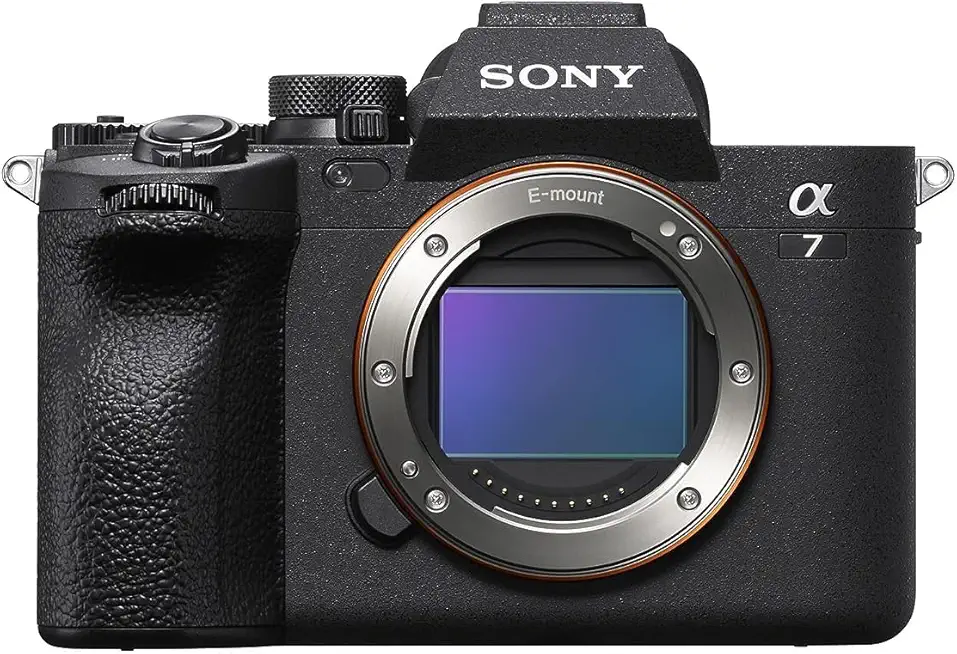
Sony Alpha 7 IV
Versatile full-frame hybrid offering superb autofocus, high quality stills and video, plus intuitive handling for creators and enthusiasts.
Check PriceThe Sony A7 IV is a camera I reach for when I need sharp, detailed results and a wide dynamic range that holds color and highlight detail across challenging scenes. It’s a true hybrid — favored for both photo and video — so you get excellent stills without sacrificing movie capabilities.
Autofocus on the A7 IV is impressively fast and reliable, which matters when you’re shooting moving subjects or working in mixed lighting. That responsiveness lets you concentrate on composition and mood rather than wrestling with focus.
Its compact, lightweight body makes it an easy choice for travel and street work where you’ll be carrying the camera for hours. You get professional image quality without the bulk that slows you down during long shoots.
In-body image stabilization (IBIS) is effective for handheld shooting, letting you pull sharp frames in lower light without a tripod. Keep in mind the IBIS here is solid, though some competitors push stabilization even further.
The one real friction point is Sony’s menu system, which many find complex and overwhelming at first. There’s also no in-camera multiple exposure feature, so if that’s part of your creative workflow you’ll need to plan for compositing elsewhere.
Overall, the A7 IV is mostly a winner — an ideal pick for photographers who want dependable autofocus, excellent dynamic range, and a lightweight body that performs well in real-world shooting. If you can tolerate a busy menu and don’t need in-camera multiple exposures, it’s hard to beat for aesthetic work.
- Sharp, detailed images and wide dynamic range
- Fast, dependable autofocus in varied conditions
- Lightweight, portable body for extended carry
- Effective IBIS for handheld shooting
- Complex/overwhelming menu system
- No in-camera multiple exposure feature
5. Leica Q Aesthetic Photos

Leica Q Typ 116
Premium full-frame compact with a fast 28mm lens, exceptional optics and luxurious build for effortless, beautiful everyday photography.
Check PriceThe Leica Q Aesthetic Photos is a compact, no-nonsense camera built around a fast 28mm f/1.7 lens that gives images that unmistakable “Leica” character. As a working photographer I value how the lens renders detail and contrast with a classic look right out of camera.
That 28mm f/1.7 is excellent for environmental portraits, street scenes, and travel work where context matters. The combination of a wide-ish focal length and a bright aperture lets you isolate subjects while keeping a sense of place.
Handling is refreshingly simple. The controls are intuitive and encourage a slower, more deliberate approach to composition, which really helps when you’re chasing aesthetic frames rather than just ticking off shots.
Be aware of a couple of trade-offs. Autofocus can be slower in low light, so it’s not ideal for fast-action or dim interiors without careful technique. Battery life is relatively short, so plan for frequent charging or carry a spare if you expect long days out.
Overall this camera is a strong choice if you prioritize build quality, a distinct image character, and a compact, discreet package for candid shooting. It’s especially suited to street and travel photographers who prefer craft and simplicity over feature-bloated systems.
- Exceptional build quality and fast lens for distinctive Leica image character
- Compact, discreet design for candid shooting
- Simple controls that promote deliberate composition
- Excellent JPEG and RAW image quality with rich colors and fine detail
- Slower autofocus in low light
- Short battery life; frequent charging or spares recommended
Create Aesthetic Photos With Any Camera

Think of aesthetics as a conversation between composition and light. Start by simplifying the frame: remove distractions, fill the frame when something matters, and use negative space when you want mood. A clean composition gives any camera a clear voice.
Look for strong lines and shapes. Leading lines pull the eye while symmetry and repeating patterns create impact. Place your subject off-center with the Rule of Thirds, but don’t be afraid to center for a deliberate, powerful look.
Add depth by including a foreground element or layering subjects. Framing with doorways, windows, or foliage adds context and keeps the viewer engaged. Changing your point of view—kneel, climb, or shoot over your subject—instantly alters the story.
Light is everything. Aim for golden hour for warm tones and soft shadows, or use overcast skies as a giant softbox for flattering portraits. Indoors, position people near windows and use a reflector or white wall to fill harsh shadows.
Use selective focus to isolate your subject. A wide aperture creates pleasing bokeh, but you can also mimic this by stepping closer or choosing a longer focal length. For movement, embrace slow shutter speeds for blur, or freeze action with faster speeds.
Keep gear practical: a spare battery, a small reflector, and a microfiber cloth will solve more problems than another lens. Shoot RAW when you can; subtle edits in color and contrast often make the aesthetic pop without betraying the moment.
Finally, trust your eye and break rules once you know them. Try high-contrast color blocks, backlit silhouettes, or playful reflections. The best aesthetic comes from intention, not equipment—any camera will do if you see and shape the light and composition.
Using Natural Light For Aesthetic Photos
Light is the single most powerful tool you have for making photos feel “aesthetic.” Golden hour—shortly after sunrise and just before sunset—gives soft, warm tones and long, flattering shadows that instantly elevate a scene. Blue hour, the cool window before sunrise and after sunset, yields even, moody light; bring a tripod for longer exposures.
Overcast skies are a photographer’s friend for portraits and product shots. Clouds act like a giant softbox, producing shadowless, even light that flatters skin and preserves details. Don’t be afraid of gray days—they make colors sing without harsh contrast.
Direction matters more than brightness. Front light smooths skin and reduces texture, side light sculpts and adds depth, and backlight creates rim glow or dramatic silhouettes. Move your subject a few feet closer to or farther from the light to control how pronounced these effects become.
At home or indoors, use window light for a beautiful, natural look. Position your subject near a window and angle them slightly to the light for soft modeling. Use a white wall or inexpensive reflector to bounce light back into shadowed areas.
When the sun is high and harsh, seek open shade to avoid blown highlights and squinty subjects. If you must shoot in direct sun, diffuse it with a curtain, diffuser panel, or even a sheer scarf to soften the light. Watch for dappled patterns under trees that can create distracting green casts—move to cleaner shade if skin tones shift.
Shadows are your compositional ally when used with intention. Let them add depth, lead the eye, or create graphic patterns, but be mindful of uneven patches that steal attention. Simple, uncluttered backgrounds help the light and subject read clearly.
For creative shots, embrace silhouettes by exposing for the sky and placing your subject between you and the light. Look for reflections in water and glass for symmetry and a dreamlike quality. Pay attention to color temperature throughout the day—warm mornings and evenings feel cozy, while midday is cooler and crisper.
Finally, be curious and move. Observe how light wraps around surfaces and change your angle, distance, or timing to find the most flattering look. The more you practice with natural light, the faster you’ll see opportunities and translate them into aesthetic images.
What People Ask Most
What is the best camera for aesthetic photography?
The best camera is the one that matches your shooting style and helps you achieve the look you want. Consider handling, lens options, and how the camera’s color rendering fits your vision.
Which mirrorless camera takes the most aesthetic photos?
Any mirrorless camera can produce aesthetic photos when paired with thoughtful composition and good light. Pick one with controls and color output that feel right for your workflow.
What camera features are most important for creating aesthetic photos?
Features that help control depth of field, color rendering, and responsiveness are most useful, along with intuitive controls. In-camera styles or profiles can also speed up your desired look.
What lens should I use to get an aesthetic look in my photos?
A lens that allows subject separation and pleasing background rendering is often a good choice, though focal length depends on your style. Prime lenses can encourage deliberate composition and consistent image character.
How do I choose a digital camera for aesthetic portrait photography?
Choose a camera and lens combination that produces flattering skin tones and smooth background separation while feeling comfortable to use. Try cameras and lenses in person when possible and prioritize what helps you connect with subjects.
Can a smartphone produce aesthetic photos or do I need a dedicated camera?
Smartphones can absolutely produce aesthetic photos when you focus on composition, light, and timing. Dedicated cameras offer more control and lens choices but are not strictly required for beautiful results.
What camera settings help create an aesthetic style in photos?
Use shallow depth of field to isolate subjects, set exposure to preserve the scene’s mood, and adjust white balance to match the light. Experiment with shutter speed to introduce motion or freeze action for different effects.
Conclusion For Aesthetic Photo Cameras
Summing up, this guide paired concise camera roundups with practical shooting and lighting advice so you can choose gear more confidently and focus on making consistently aesthetic images.
Rather than chasing specs, match a camera to your needs — think about portability, autofocus reliability, handling, and how much in-camera look matters to your workflow.
Remember that composition, light, and deliberate practice will elevate your photos more than any single piece of gear, so use the techniques here as a starting point for experimentation.
If you want to deepen your craft, explore more of our site for additional how-to articles and inspiration to sharpen both technical skills and artistic vision.
Have questions or want feedback on your shots? Leave a comment below — we usually reply within a few hours.


0 Comments