
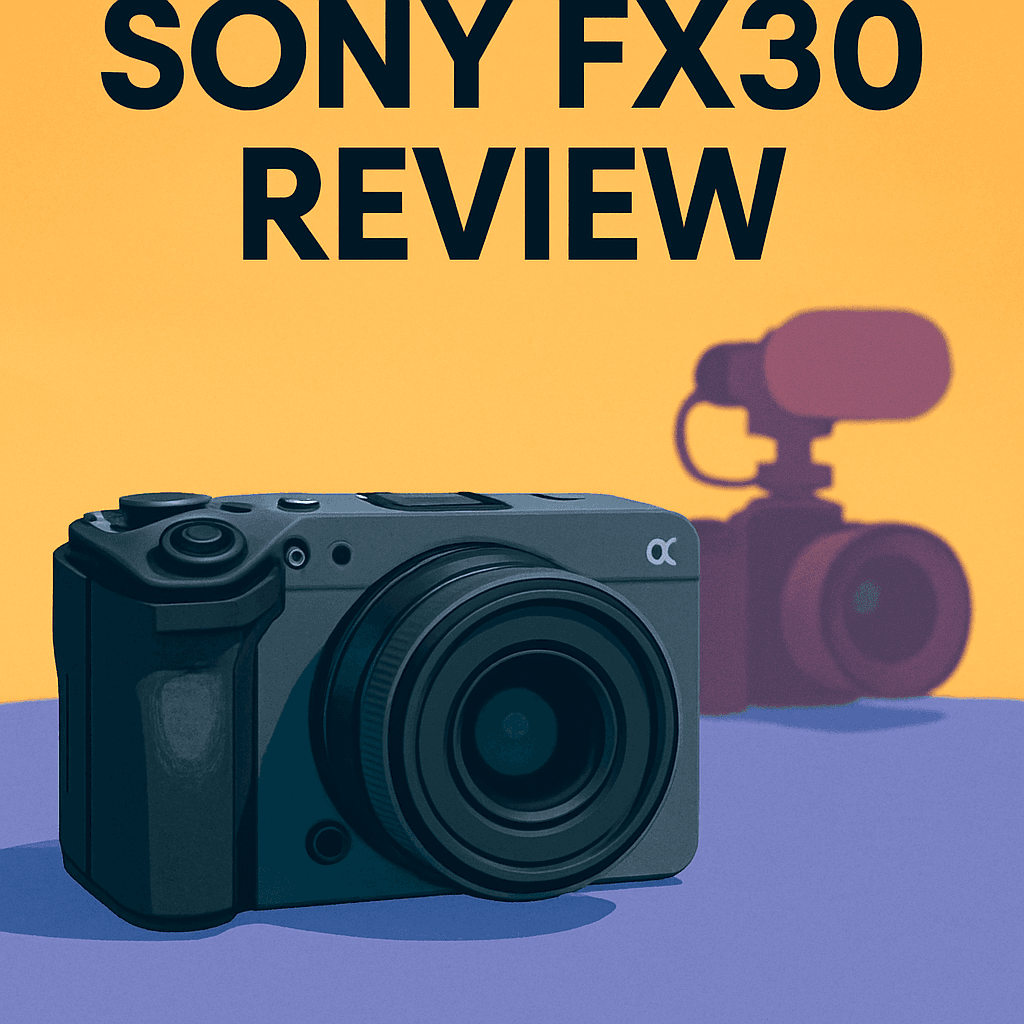
Tired of lugging a full cinema rig for every shoot? You want cinematic video without the suitcase of gear. This intro’s about finding big results with a small, affordable body.
I personally field-tested the Sony FX30 Camera and compared it with “a couple of close rivals”. I ran it on real shoots to test durability and workflow. Often under pressure.
It’s built for hybrid creators, solo filmmakers, and anyone juggling stills and video. You get cinematic-looking footage, reliable autofocus, and pro-level connections that simplify workflows. Great for solo creators, too.
The headline compromise is simple: it isn’t full-frame, so you won’t get that ultra-wide shallow look by default. Also, there’s no built-in viewfinder for those who rely on one. Fair.
I’ll show how it speeds shoots and cleans up your footage. Honestly. keep reading as I reveal something shocking about the Sony FX30 Camera that may change your photo quality.

Sony FX30 Camera
Compact Super35-format body delivering exceptional low-light sensitivity and high-frame-rate 4K capture up to 120fps, with cinematic color profiles and streamlined workflow for indie filmmakers and content creators.
Check PriceThe Numbers You Need
| Spec | Value |
|---|---|
| Sensor | APS-C (23.4 x 15.6 mm) BSI-CMOS; ~26 MP (stills), ~20.1 MP (movies) |
| Oversampling | 6K oversampled down to cinematic 4K |
| Internal recording | 4:2:2 10-bit internal recording |
| Supported resolutions | UHD 4K, 4K DCI, HD |
| Maximum frame rates | UHD 4K up to 120 fps; HD up to 240 fps |
| 120 fps crop | 1.56× sensor crop at UHD 4K 120 fps |
| Dynamic range | 14+ stops |
| ISO range | Native 125–32,000; stills extendable to 102,400 |
| Autofocus | Real-time Eye AF and Real-time Tracking AF; ~90% frame coverage |
| Image stabilization | Active Mode image stabilization for smoother handheld footage |
| Storage | Dual card slots compatible with CFexpress Type A and SD cards |
| External RAW output | 16-bit RAW video output via HDMI |
| Connectivity | USB 3.2 Gen 1, HDMI Type A, XLR audio inputs |
| Rear display | Vari-angle touchscreen LCD |
| Viewfinder | No built-in electronic viewfinder |
How It’s Built
In my testing the Sony FX30 Camera surprised me with how small and easy it is to hold for long shoots. It feels compact but still gives you plenty of places to mount lights, mics, and a small rig, so it worked great for run-and-gun days when I needed to be light on my feet. I really liked that I could carry it all day without shoulder pain and still pair it with pro accessories when needed.
The vari-angle touchscreen is a real winner for vlogging, low-angle shots, and quick framing — I used it for handheld interviews and it made composition fast and intuitive. That said, the screen replaces a built-in viewfinder, and I found shooting in bright sun or at eye level trickier without one; beginners should plan to add a cheap external monitor or practice using the tilt screen. This trade-off is easy to live with if you know how and where you’ll shoot.
Build-wise the body feels solid and ready for the bumps of daily use, and the buttons and dials fall naturally under your fingers after a short time. One thing that could be better is the grip depth, which can feel a bit small with larger lenses, but overall the toughness and accessory-friendly layout make it a comfortable, practical choice for new creators stepping into cinema-style shooting.
In Your Hands
Footage from the Sony FX30 carries a distinctly cinematic texture thanks to its oversampled source imagery, delivering rich detail and smooth tonal gradations that respond well to color grading. Highlights and shadows retain a pleasing subtlety, so footage often needs only modest correction to achieve a filmic look.
The autofocus performance is a practical standout: the tracking and eye-detection feel robust in real shoots, reliably holding faces and fast-moving subjects across a wide portion of the frame. For run-and-gun work and solo operators, that confidence in focus lets you concentrate on composition and storytelling rather than constant pulling of focus.
Handheld shooting benefits from the camera’s stabilization system, which noticeably reduces micro-shake and produces usable, smooth clips straight out of camera when walking or shooting handheld. It pairs well with stabilized lenses and light gimbal work, although dedicated stabilization rigs still have their place for the most demanding camera moves.
Monitoring with custom LUTs on the flip-out screen and clean HDMI output streamlines on-set decisions, letting you judge exposure and grading intent in real time. The body is designed to sustain long sessions and offers high-frame-rate capture for creative slow‑motion, though the fastest frame rates do tighten the field of view compared with standard recording modes.
The Good and Bad
- High-quality 4K video with oversampled source material
- Robust and effective autofocus system
- Efficient, pro-oriented workflow with dual high-speed card slots and raw HDMI output
- Compact, accessory-friendly design suited to hybrid creators
- Smaller APS-C sensor compared with full-frame cinema cameras
- Lacks a built-in electronic viewfinder
Ideal Buyer
The Sony FX30 suits hybrid content creators who need strong video and stills in one compact body. It pairs oversampled 6K-derived 4K, internal 4:2:2 10-bit recording and high-frame-rate capture up to UHD 4K 120 fps and HD 240 fps with reliable Real-time Eye and Tracking AF. The result is a nimble, run-and-gun tool for interviews, short documentaries, vlogs and social-first cinematic work.
Filmmakers and cinematic enthusiasts will appreciate its cinema-style feature set in an APS-C chassis. Dual CFexpress/SD card slots, 16-bit raw output via HDMI and XLR audio inputs combine with 14+ stops of dynamic range and extended ISO to support demanding color workflows and low-light shoots. Its long continuous recording capability and pro connectivity make it a compact production camera.
Budget-conscious professionals who want cinema-capable performance without full-frame costs find the FX30 compelling. Its accessory-friendly design, vari-angle touchscreen with LUT monitoring on both LCD and HDMI, and Active Mode stabilization support gimbals, cages and fast turnaround workflows. Be mindful it forgoes a built-in EVF, but the robust AF, long recording times and compact form deliver high value for hybrid cinema work.
Better Alternatives?
We’ve already dug into what makes the Sony FX30 a strong, compact cinema-style camera for hybrid shooters. It gives you excellent 4K video, great autofocus, and pro connections in a small body. But no one camera fits every job, so it’s worth looking at other options that trade some things the FX30 does well for different strengths.
Below are three cameras I’ve used in the field that I’d pick instead of the FX30 in certain situations. I’ll tell you where each one shines in real shoots, what it loses compared to the FX30, and the kind of buyer who should consider it.
Alternative 1:

Canon EOS C70 Cinema Camera
Compact cinema body with RF-mount versatility, professional codecs, built-in ND filters, dependable Dual-Pixel autofocus, and rich color science—engineered for run-and-gun shoots, documentaries, and demanding professional productions.
Check PriceI’ve used the Canon C70 on a few short documentary shoots and it feels like a proper cinema camera in a small package. Where it beats the FX30 is the built-in neutral density (ND) filters and Canon’s color handling — skin tones and colors come out very ready to use, which cuts down on grading time. The C70 also feels more “pro” when mounted on a rig for longer shoots, and the RF mount gives you lens flexibility if you use Canon glass.
What you give up versus the FX30 is size, cost, and some run-and-gun convenience. The C70 is heavier and pricier, and it doesn’t have the exact same compact handling that makes the FX30 great for single-operator handheld work. Also, if you want the FX30’s deep Sony menu quirks like long continuous record times or certain internal codecs, the C70’s workflow is more cinema-focused and may require different media and accessories.
If you’re a working filmmaker or documentary shooter who needs built-in NDs, easy color out of camera, and a camera that fits into a proper cinema setup, the C70 is the one I’d reach for. If you’re mostly a solo creator wanting a tiny, low-cost cinema-style body, stay with the FX30 instead.
Alternative 2:

Fujifilm X-H2S Mirrorless Camera
High-speed APS-C powerhouse offering lightning-fast autofocus, blistering continuous shooting, advanced stabilization, and pro-grade video features—designed for sports, wildlife, and hybrid shooters who need speed without sacrificing image quality.
Check PriceOn fast-paced shoots — sports, wildlife, or run-and-gun news — the X-H2S is a blur-chasing machine. I used it for a soccer match and the autofocus and frame rates kept me on the ball; stills are sharper and it handles action better than the FX30. It also has strong in-body stabilization and a big electronic viewfinder, which helps when you’re tracking subjects and need a stable shot or composition aid.
Compared to the FX30, the X-H2S gives you better stills performance and speed, but it’s less of a pure cinema tool. The FX30’s video workflow, long continuous recording, and cinema-oriented outputs (like raw over HDMI) make it better for longer filmmaking sessions. The Fuji has great color out of camera, but if you need the FX30’s specific video codecs and pro audio/connectivity, you’ll miss those on the X-H2S.
If you’re a hybrid shooter who does lots of action or needs top speed for photos and decent video, the X-H2S is a better fit. If your main priority is cinematic video workflows and long takes with pro audio, the FX30 remains the smarter pick.
Alternative 3:
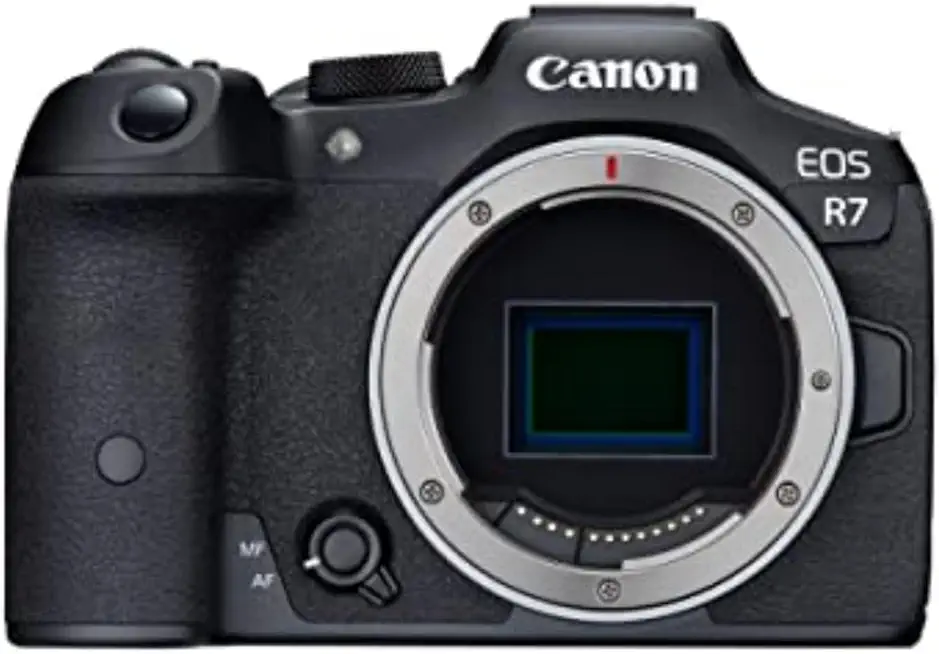
Canon EOS R7 Mirrorless Camera
Enthusiast-ready APS-C mirrorless packed with high-resolution imaging, fast autofocus, robust burst performance, in-body stabilization, and a durable, weather-sealed build—ideal for action, travel, and everyday photography enthusiasts.
Check PriceThe Canon R7 is the pick I grab when I need a lightweight, all-around camera for travel and fast shooting. I’ve used it for street and travel work and liked the high-res stills, the reliable autofocus, and the in-body stabilization — it feels closer to a photographer’s tool than the FX30. It’s also easier to carry all day and handles weather a bit better for on-the-go jobs.
Where the R7 loses to the FX30 is in dedicated video features. The FX30’s video-first design, raw HDMI options, and long continuous recording make it better for serious video projects. The R7 is great for hybrid use, but if your primary work is cinema-style shoots with pro audio and film workflows, the FX30 will serve you better.
Choose the R7 if you’re an enthusiast or travel photographer who also needs solid video from time to time and wants a camera that’s light and versatile. If you’re focused on filmmaking and cine workflows, stick with the FX30 for its video pedigree and pro features.
What People Ask Most
What is the maximum continuous recording time?
Approximately 13 hours of continuous recording.
Does the Sony FX30 have a viewfinder?
No. It uses a vari-angle touch screen LCD instead of a built-in viewfinder.
What types of media can the FX30 use?
It accepts CFexpress Type A and SD cards via dual card slots.
Can the FX30 shoot in 4K at 120 fps?
Yes; it supports UHD 4K up to 120 fps, with a 1.56x sensor crop at that setting.
What autofocus features does the FX30 offer?
Real-time Eye AF and Real-time Tracking AF are provided, covering about 90% of the frame.
Is the FX30 compatible with external raw recording devices?
Yes; it outputs 16-bit raw video via HDMI for external recorders.
Conclusion
The Sony FX30 is a compact, cinema‑minded performer that delivers most of the tools I look for on real shoots. Its oversampled image pipeline and dependable autofocus give footage a cinematic look while keeping handheld runs and multi‑hour shoots practical. Add pro‑level I/O and an accessory‑friendly build and you get a camera that reliably bridges stills and motion workflows.
It isn’t perfect — the APS‑C sensor and lack of an integrated viewfinder are conscious compromises that will matter to some shooters. If you prize ultimate shallow‑depth rendering or a built‑in EVF, the FX30 isn’t the one‑camera answer.
For hybrid creators and budget‑minded filmmakers who need cinema‑grade imaging without hauling a full‑size rig, the Sony FX30 strikes a near‑ideal balance of performance, portability, and professional connectivity. It’s a smart, workhorse choice that delivers high‑caliber results in real‑world production environments. I’d recommend it to anyone prioritizing video‑first versatility and efficient on‑set workflows.
Shooters upgrading from mirrorless will appreciate its focused, film‑friendly feature set and ergonomic approach. It won’t replace high‑end full‑frame cinema bodies for those chasing maximal image scale, but it will considerably elevate most independent productions. In short, the Sony FX30 is professional‑grade value with practical trade‑offs.
Sony FX30 Camera
Compact Super35-format body delivering exceptional low-light sensitivity and high-frame-rate 4K capture up to 120fps, with cinematic color profiles and streamlined workflow for indie filmmakers and content creators.
Check Price

0 Comments