
Which mirrorless camera will finally make your footage look like it belongs on the big screen? If you’re debating sensor size, autofocus reliability, or which recording formats matter, you’re not alone. This guide cuts through the jargon to compare five mirrorless cameras that filmmakers actually use, and to help you pick what truly fits your workflow.
We look beyond spec sheets. We focus on how cameras behave during long shoots, tight run‑and‑gun days, and polished studio work. You’ll get clear, practical pros and cons that map directly to real workflows, so you can decide based on what happens on set—not just on paper.
Autofocus and image quality get special attention because they change everything on set. I’ll explain what reliable continuous AF looks like in motion, why eye and subject tracking matter, and how low‑light performance affects usable takes. We’ll also weigh stabilization, codec flexibility, dynamic range, and ergonomics so you can choose gear that supports your creative process and post‑production needs.
This isn’t a technical spec dump or a sales pitch. It’s hands‑on guidance for filmmakers who need cameras that perform under pressure, whether you’re shooting documentary sequences, narrative scenes, or commercials. Read on and you’ll know which trade‑offs are smart investments for your next film project and which compromises you can safely ignore.
1. Panasonic Lumix S5IIX for Filmmaking
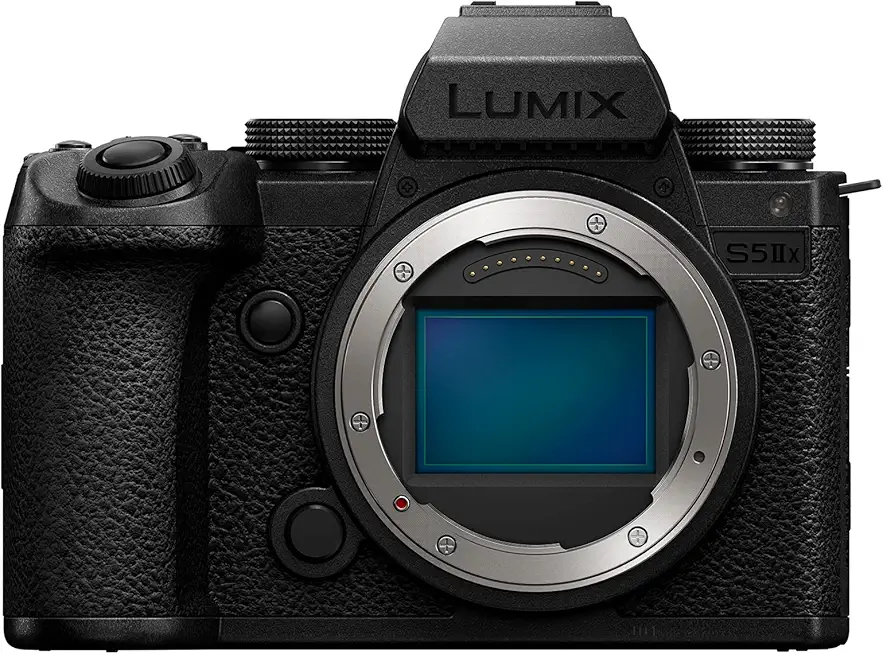
Panasonic LUMIX S5IIX (DC-S5M2X) Full-Frame Mirrorless Camera
Compact full-frame hybrid delivering cinema-grade 6K video, advanced autofocus, in-body stabilization, and dual-native ISO for stunning low-light performance.
Check PriceThe Panasonic Lumix S5IIX is a filmmaker’s workhorse—praised for reliability and versatility in both documentary and narrative work. It handles long recording sessions without overheating, which means fewer interruptions on set and confidence during extended shoots.
Its Active I.S. delivers impressively smooth handheld footage in dynamic environments. That stabilization makes run-and-gun shooting feel more controlled and usable straight out of the camera.
For post-production the camera is a pleasure: internal ProRes and ALL-Intra recording simplifies workflows and preserves image fidelity for grading. Those codecs save time and give editors cleaner, more flexible files to work with.
Low-light and mixed lighting are easier to manage thanks to dual native ISO, so you keep usable image quality across scenes without constantly swapping setups. Autofocus is reliable too, using phase-detect AF across a wide area to keep moving subjects locked with minimal fuss.
If you’re shooting solo or with a small crew this body covers most bases—stability, codecs, low-light capability and dependable AF. Just be aware of a couple of practical quirks: there’s no tally light for multi-camera awareness, and the articulated screen can interfere with HDMI cable connections on certain rigs.
- Exceptional image stabilization for handheld shooting
- Internal ProRes and ALL-Intra recording for high-quality video files
- Dual native ISO for excellent performance in varied lighting
- Reliable autofocus with phase-detect AF across a wide area
- No tally light
- Articulated screen can interfere with HDMI cable connections
2. Canon EOS R5 Mark II for Filmmaking

Canon EOS R5 Mark II Body
Flagship-ready imaging powerhouse with high-resolution sensor, lightning autofocus, robust build, and pro-level video capabilities for demanding creators.
Check PriceThe Canon EOS R5 Mark II is a camera I often recommend when autofocus and high resolution are top priorities. Its professional-grade autofocus and subject detection are consistently praised for locking onto moving subjects with confidence.
If you need 8K footage, this camera delivers. The R5 Mark II offers reliable 8K video recording with far less overheating than the original R5, so you can shoot longer high-res takes without sweating the sensor.
One standout is Eye Control Focus — it’s fast and accurate and can speed up single-operator workflows. Be aware, though, Eye Control can feel finicky for some shooters and might need a bit of time to dial in to your eye and style.
Image quality is excellent in both JPEG and RAW, giving you clean, detailed frames ready for grading or quick turnaround. The body’s build quality and ergonomics are also frequently noted as top-notch, which makes long handheld or gimbal shoots more comfortable.
EF lens compatibility is seamless, which is a big practical win if you already own Canon glass; adapting old lenses is straightforward and reliable. That makes the R5 Mark II a strong choice for professionals who want 8K, outstanding AF, and rock-solid handling.
It’s not for everyone, though. The price is high, so hobbyists and tight-budget shooters should weigh whether they truly need 8K and the advanced AF features. Also, if Eye Control doesn’t suit you, you’ll still get excellent AF, but you may not get the exact workflow boost it promises.
- Advanced autofocus with Eye Control and subject detection
- Reliable 8K video recording without overheating
- Excellent image quality in JPEG and RAW
- Strong compatibility with a wide range of lenses
- High price point
- Eye Control may not work well for everyone
3. Sony A7 IV for Filmmaking
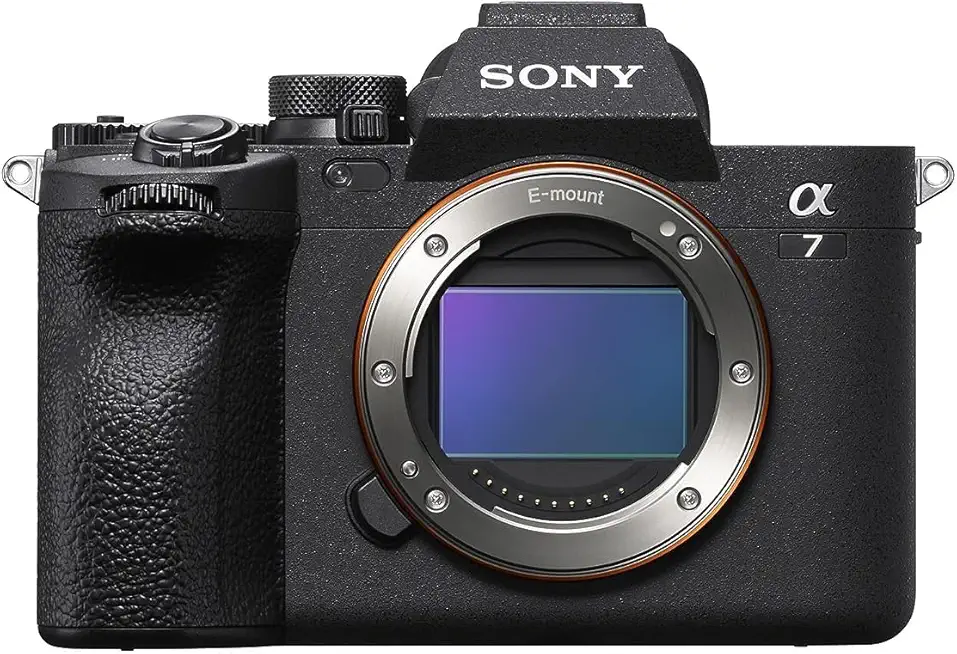
Sony Alpha 7 IV (A7 IV) Full-Frame Mirrorless Camera
Versatile hybrid for photographers and filmmakers: detailed images, smooth 4K video, fast tracking, and reliable low-light performance.
Check PriceThe Sony A7 IV is a solid all-rounder for filmmakers, especially if you’re often working alone or doing run-and-gun shoots. Its fast and accurate autofocus gives you confidence when you can’t rely on a dedicated focus puller, so you’ll spend less time re-shooting and more time capturing the moment.
Color science on the A7 IV is one of its standout points — it can deliver cinematic-looking footage straight out of camera, which speeds up edit time and makes client previews look polished. If you prefer a cleaner starting point for grading, this camera lets you push images without having to battle odd skin tones.
Build and reliability are practical strengths: dual card slots and a robust chassis mean you can shoot long, demanding days with peace of mind about media redundancy and durability. The control layout is thoughtful and user-friendly, so even photographers or filmmakers new to Sony won’t be fighting the camera when they need to change settings quickly on set.
Is it right for you? If you value dependable autofocus, cinematic color out of the box, and a trustworthy body that handles real-world production, the A7 IV is an excellent choice. Do note that some users prefer other brands’ color rendering, and the ergonomics might feel odd if you’re used to a different design language.
- Fast, reliable autofocus
- Excellent cinematic color science
- Dual card slots for reliability
- User-friendly controls and layout
- Color science subjective to some users
- Handling can feel awkward for some
4. Fujifilm X-H2S for Filmmaking

Fujifilm X-H2S Mirrorless Camera Body
Action-ready APS-C powerhouse with blazing burst rates, pro video features, refined color science, and rugged weather-sealed construction.
Check PriceThe Fujifilm X-H2S is a filmmaker’s camera that leans heavily into color and speed rather than chasing full-frame shallow depth-of-field. It delivers a unique color experience and film-like quality that many directors and DPs will appreciate straight out of camera.
On the technical side it records 6.2K video and pairs that resolution with fast autofocus and reliable subject tracking, which is terrific for run-and-gun or documentary-style shoots. Film-simulation modes and F-Log give you creative flexibility without having to rely on heavy grading to get attractive skin tones and cinematic looks.
Workflow-wise the X-H2S includes dual memory card slots, so you can record redundantly or split media for long takes. Low-light performance is noticeably improved over previous Fujifilm models, making this APS-C platform a solid choice if you need punchy, usable footage in mixed lighting.
For filmmakers who prioritize color science, responsive AF, and high-resolution capture on a compact APS-C body, the X-H2S is mostly a win. If you need full-frame shallow depth or prefer very ergonomic handling out of the box, be aware of those trade-offs before committing.
- Film-like color science
- 6.2K video recording
- Fast autofocus and subject tracking
- Dual memory card slots
- Not a full-frame sensor (APS-C)
- Handling and ergonomics less intuitive
5. Nikon Z6 III for Filmmaking

Nikon Z6 III Full-Frame Mirrorless Camera
Balanced full-frame performer offering high-speed shooting, excellent image quality, advanced stabilization, and versatile video tools for hybrid creators.
Check PriceThe Nikon Z6 III is a filmmaker’s tool built around superb ergonomics and a fast autofocus system that performs reliably for both stills and video. Its comfortable, intuitive handling and control layout make long shoots less fatiguing and help you stay focused on framing and performance rather than fiddling with menus.
Color is a standout here — users consistently report rich color rendering and high-quality footage straight from the camera. That means less time wrestling with basic color work and more time refining the creative grade.
Under the hood, the stacked sensor gives the Z6 III excellent low-light and high-speed performance. If you shoot in dim locations or need responsive readout for action, that sensor architecture will pay dividends in cleaner images and smoother performance.
For most solo shooters and small crews this camera hits a sweet spot: ergonomic design, dependable AF, and strong image quality for cinematic results. Be aware, though, that the Z6 III has a single CFexpress B slot, which could limit workflow redundancy on very high-volume or multi-hour shoots.
Size and weight are other real-world considerations. The camera is comfortable to hold, but its dimensions may affect portability if you prioritize ultra-light travel rigs or shoulder-mounted setups. Overall, if you value handling, color, and low-light capability, the Z6 III is a very compelling choice for filmmaking.
- Fast and accurate autofocus system
- Rich color rendering for cinematic results
- Comfortable and intuitive handling
- Excellent low-light performance
- Single CFexpress B slot
- Size and weight may impact portability
Evaluating Autofocus Performance
Autofocus can make or break a shoot, so evaluate it like you would a lens: by testing it under real conditions. Look beyond marketing—what matters is whether the system locks quickly, follows reliably and stays quiet while you roll.
Modern AF systems marry phase-detect speed with contrast-based refinement and AI-driven tracking. That combination gives you the best balance of speed and accuracy, especially with subjects that change distance or direction.
Continuous AF (Movie Servo AF) is essential for run-and-gun work and moving subjects. Put cameras into real-world motion tests—walking toward the lens, crossing at an angle, or turning their head—to see if the camera tracks without hunting or flipping between subjects.
Eye and face tracking are game changers for interviews and run-and-gun storytelling, but don’t treat them as foolproof. Features like Eye Control Focus may need user calibration, so verify their reliability for your talent and light first.
Lens choice matters as much as the body. Native AF lenses with silent, smooth motors—think STM-style or modern G-type designs—keep focus pulls clean and audio-safe, and they reduce jerky transitions that give away autofocus adjustments.
Low-light AF separates the contenders from the pretenders; cameras with robust low-light AF and dual native ISO will keep you usable focus where others fail. Always test AF in the dim environments you’ll shoot in, because performance can change dramatically as light falls.
Finally, don’t abandon manual techniques. Focus peaking and magnification are invaluable fallbacks for critical shots or creative pulls, and knowing when to flip to manual will save a take. In short, prioritize fast, quiet continuous AF, intelligent tracking, solid lens compatibility and strong low-light behavior when choosing a filmmaking camera.
Image Quality Considerations for Filmmaking
Image quality is about choices more than specs. Sensor size and resolution shape your look: full-frame gives shallower depth of field and superior low-light and dynamic range, while APS-C can be sharper per pixel and lighter to handle. Pick the format that matches the lenses and depth-of-field control you want.
Dynamic range is the thing that saves shots. Preserve highlight and shadow detail by exposing carefully—I lean toward a slight “expose to the right” approach and pull back in post when shooting log. Cameras with wider usable stops make grading more forgiving when the light isn’t perfect.
Colour science and picture profiles determine how much work you’ll do later. If you want skintones that behave predictably, shoot in a tested log or film profile and lock exposure. And if you plan to grade, record in 10-bit or higher so you don’t band or crush midtones during heavy adjustments.
Codecs and bit depth aren’t sexy, but they matter. Internal ProRes/ALL‑Intra or high-bit H.264/H.265 give you headroom and simpler timelines. RAW and ProRes RAW buy maximum latitude, but expect larger files and a heavier workflow—only use them when you need that extra flexibility.
Frame rates are creative tools. Reserve 4K60+ or 120fps for deliberate slow-motion moments; higher frame rates can change exposure and cropping, so test your camera first. For run-and-gun, prioritize solid 4K30–60 performance with clean rolling shutter and reliable autofocus.
Stabilization and lenses finish the picture. IBIS makes handheld life easier, but pair it with good glass—sharp, consistent lenses reveal sensor quality. Fast primes help in low light and give that cinematic separation, while quality zooms offer flexibility without sacrificing image integrity.
In the end, balance what you need on set with what you can polish in post. Choose tools that match your workflow: wide dynamic range, 10‑bit codecs, competent stabilization and the right lenses will get you most of the cinematic look without chasing specs alone.
What People Ask Most
What is the best mirrorless camera for filmmaking?
There is no single best camera; the right choice depends on priorities like autofocus, stabilization, codecs, heat management, and ergonomics. Pick a model that matches your workflow and shooting style.
Which mirrorless camera is best for video production?
The best option depends on the production’s needs and workflow. Some models favor high-resolution capture, others prioritize handheld stability, solo run-and-gun use, film-like color, or ergonomic handling.
Are mirrorless cameras good for professional filmmaking?
Yes, many mirrorless cameras offer professional-grade autofocus, high-quality recording codecs, and wide dynamic range suitable for professional work. They support the recording and grading workflows used in professional productions.
Is full-frame mirrorless better for filmmaking than APS-C?
Full-frame often provides advantages in dynamic range and low-light performance, while APS-C cameras can still deliver excellent image quality and sharpness. The right choice depends on desired depth of field, low-light needs, and lens ecosystem.
What features should I look for in a mirrorless camera for filmmaking?
Prioritize fast, accurate continuous autofocus, reliable recording codecs, effective stabilization, and strong low-light performance. Also consider ergonomics, heat management, dual card slots, and lens compatibility.
Which mirrorless camera has the best autofocus for filmmaking?
Several models are noted for advanced autofocus and subject detection, including options from Canon, Sony, Fujifilm, Nikon, and Panasonic. Look for phase-detect AF with AI-driven tracking and quiet, smooth focus motors for reliable results.
Can mirrorless cameras shoot cinema-quality video?
Yes, when a camera combines a large sensor, wide dynamic range, professional codecs, high bit depth, versatile frame rates, stabilization, and strong low-light capability it can deliver cinematic results. Log profiles and high-quality recording help maximize grading latitude.
Conclusion for Best Mirrorless Camera for Filmmaking
In short, choosing a mirrorless camera for filmmaking comes down to prioritizing autofocus, image quality, stabilization, codecs, heat management, ergonomics and the lens ecosystem that suits your workflow.
Use the real-world pros and cons covered here to match each camera’s strengths to the types of shoots you do, whether you need run-and-gun reliability, high-resolution capture, or film-like color and low-light performance.
Keep the practical checklist—continuous AF, strong low-light behavior, IBIS or stabilization, robust recording codecs, and comfortable handling—front of mind when testing bodies and lenses in your own shooting scenarios.
If you want to keep improving your craft, read more articles on the site to deepen your techniques and gear knowledge at your own pace.
Have questions or experiences to share? Leave a comment below and we usually reply within a few hours to help you refine your setup.




0 Comments